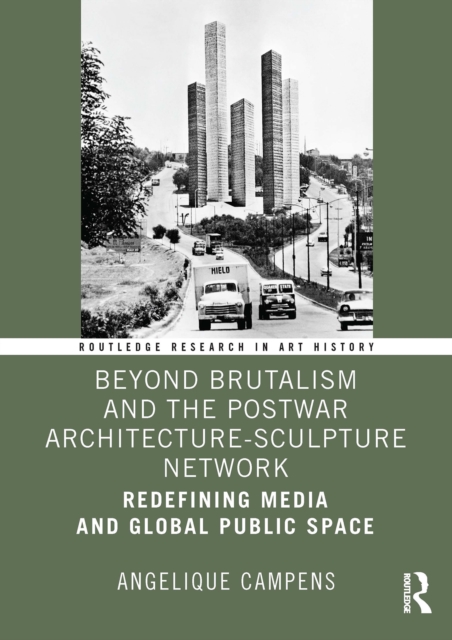
This study focuses on the moment in the history of modern art, during the 1950s, when sculptors and architects began to use concrete to create a previously impossible fusion of their respective art forms and the mutual influences between sculpture and architecture.
This study focuses on the moment in the history of modern art, during the 1950s, when sculptors and architects began to use concrete to create a previously impossible fusion of their respective art forms and the mutual influences between sculpture and architecture.
This book unfolds the artistic and cultural exchanges between China, Persia, and Italy, picturing "e;a Transcultural Renaissance on the Silk Road"e; with fascinating reading of rich images.
This book unfolds the artistic and cultural exchanges between China, Persia, and Italy, picturing "e;a Transcultural Renaissance on the Silk Road"e; with fascinating reading of rich images.
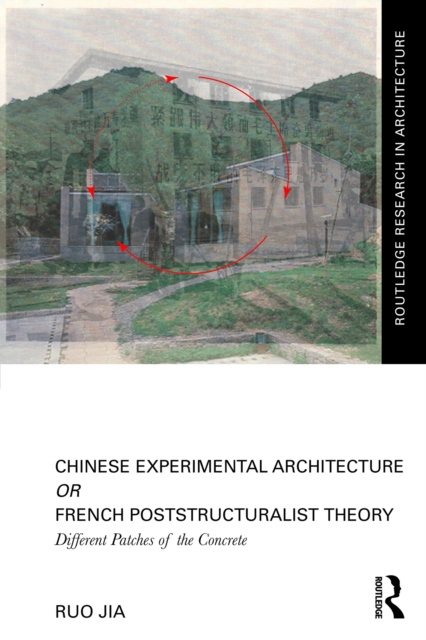
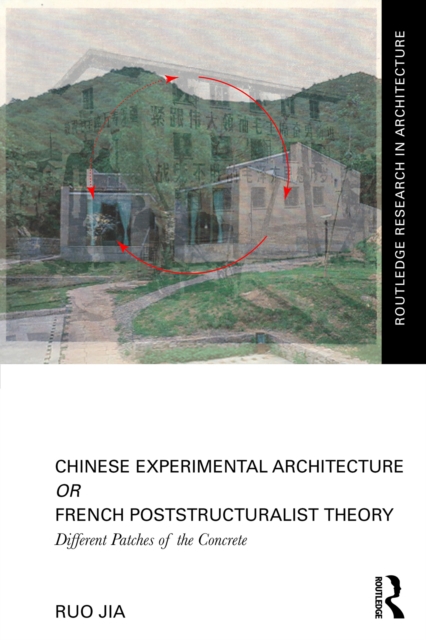
Chinese Experimental Architecture Or French Poststructuralist Theory: Different Patches of the Concrete starts with a paradox: how the Chinese Cultural Revolution-through its adaptation by French Theory and French Theory's subsequent adaptation by Chinese Experimental Architecture-shaped the Chinese reformative effort to redefine itself, amidst its struggle against colonial dynamics, and against the Cultural Revolution.
Chinese Experimental Architecture Or French Poststructuralist Theory: Different Patches of the Concrete starts with a paradox: how the Chinese Cultural Revolution-through its adaptation by French Theory and French Theory's subsequent adaptation by Chinese Experimental Architecture-shaped the Chinese reformative effort to redefine itself, amidst its struggle against colonial dynamics, and against the Cultural Revolution.
Focusing on the street as a socio-spatial catalyst, this book fosters a comprehensive conversation on the past, present, and future of streets and public space.
This book brings new scholarship to students on the origins and development of planning thoughts, theories, policies, institutions and practices, outlining how these have shaped planning as a state and professional activity.
This book brings new scholarship to students on the origins and development of planning thoughts, theories, policies, institutions and practices, outlining how these have shaped planning as a state and professional activity.
In The Globalization of Renaissance Art: A Critical Review, Daniel Savoy assembles an interdisciplinary group of scholars to evaluate the global discourse on early modern European art.
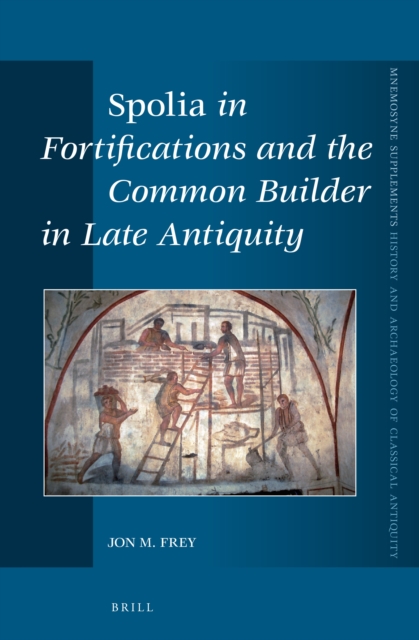
Through intensive surveys of three fortifications in late Roman Greece, Frey reveals the untapped potential of spolia in demonstrating the critical role played by non-elites in bringing about the architectural and social changes that mark the end of classical antiquity.
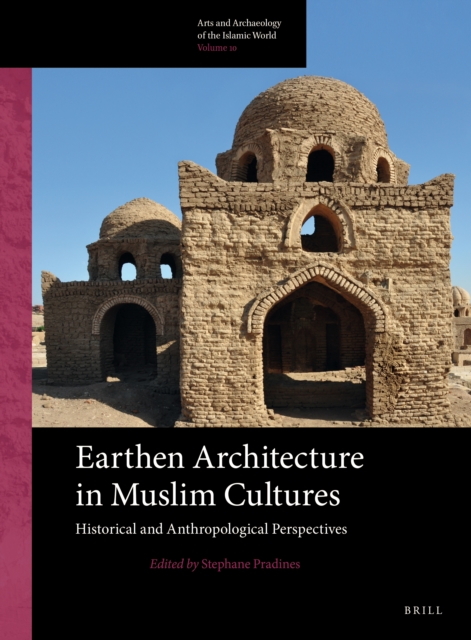
This edited volume follows the panel "e;Earth in Islamic Architecture"e; organised for the World Congress for Middle Eastern Studies (WOCMES) in Ankara, on the 19th of August 2014.
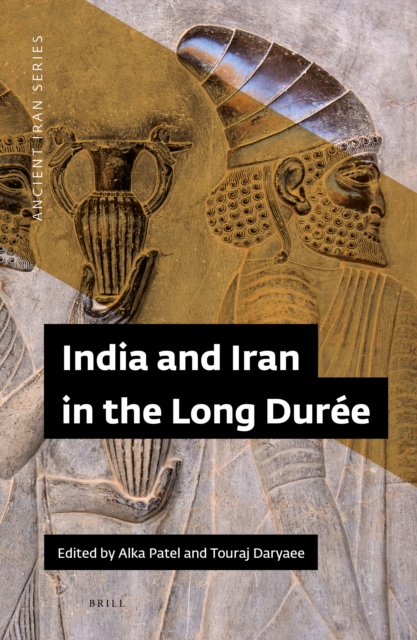
This book is the result of a conference held at the University of California, Irvine, covering the contacts between Iran and India from antiquity to the modern period.
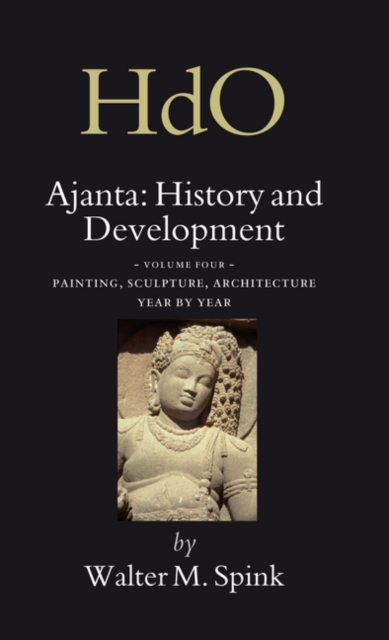
Ajanta:Year by Year is planned as a biography of this remarkable site, starting with the earliest caves, dating from some two thousand years, to its startling renaissance in the brief period between approximately 462 and 480.