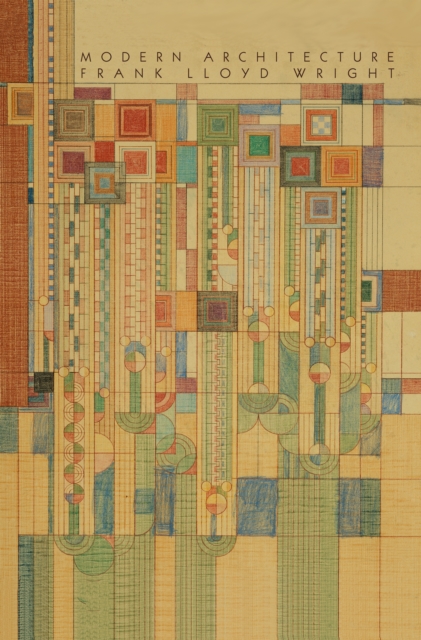
Frank Lloyd Wright's classic account of his vision for an organic architecturein a beautifully designed new editionModern Architecture is a landmark textthe first book in which America's greatest architect put forth the principles of a fundamentally new, organic architecture that would reject the trappings of historical styles while avoiding the geometric abstraction of the machine aesthetic advocated by contemporary European modernists.
This superb guide brings the work of Filippo Coarelli, one of the most widely published and well-known scholars of Roman topography, archeology and art, to a broad English-language audience.
Saints and Citizens is a bold new excavation of the history of Indigenous people in California in the late eighteenth and nineteenth centuries, showing how the missions became sites of their authority, memory, and identity.
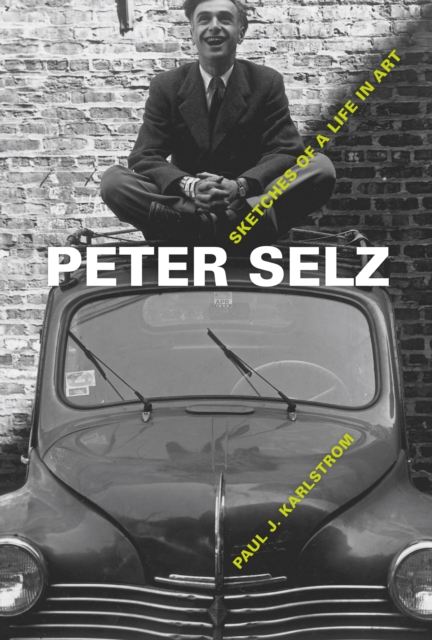
This absorbing biography, often conveyed through Peter Selz's own words, traces the journey of a Jewish-German immigrant from Hitler's Munich to the United States and on to an important career as a pioneer historian of modern art.
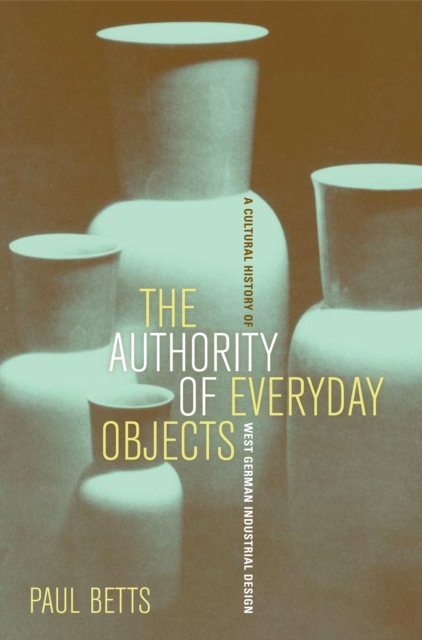
From the Werkbund to the Bauhaus to Braun, from furniture to automobiles to consumer appliances, twentieth-century industrial design is closely associated with Germany.
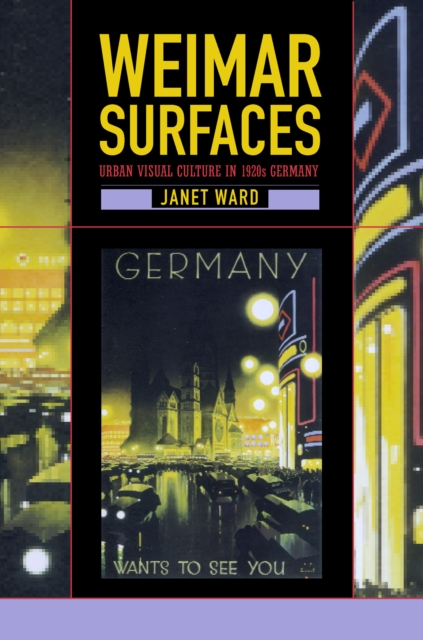
Germany of the 1920s offers a stunning moment in modernity, a time when surface values first became determinants of taste, activity, and occupation: modernity was still modern, spectacle was still spectacular.
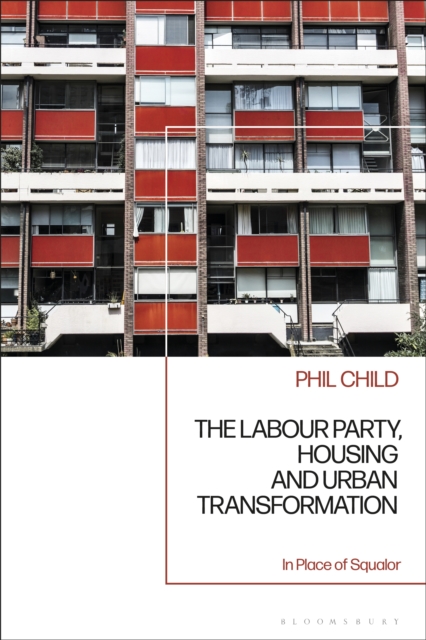
The Labour Party, Housing and Urban Transformation explores how the urban transformation of Britain between 1945 and 1970 was understood politically by the Labour Party.
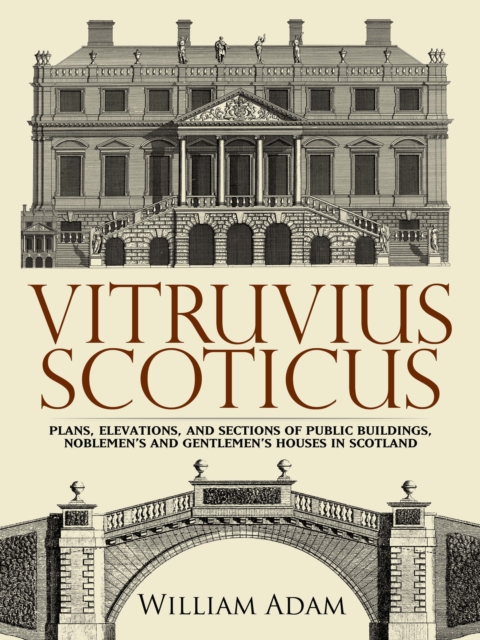
This classic portfolio uses elevations, floor plans, and other line drawings by Scotland's first great classical architect to document the high Scottish style of the eighteenth century.
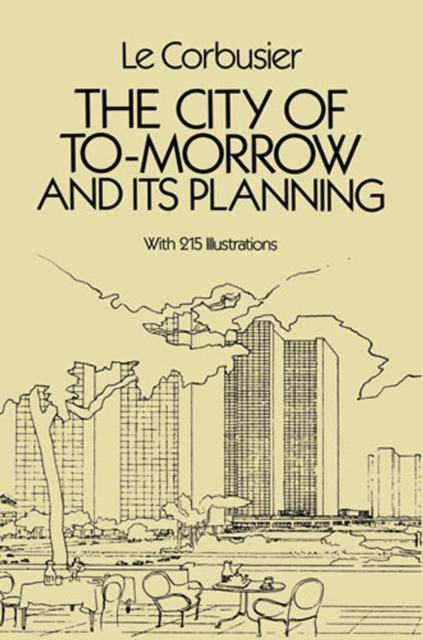
In this 1929 classic, the great architect Le Corbusier turned from the design of houses to the planning of cities, surveying urban problems and venturing bold new solutions.
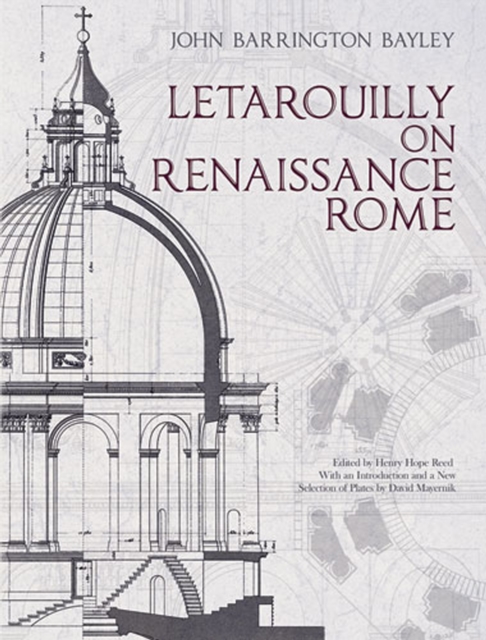
Architect and engraver Paul Letarouilly dedicated more than 30 years of his life to creating the most complete collection of plans, elevations, and details of the buildings and monuments of Renaissance Rome.
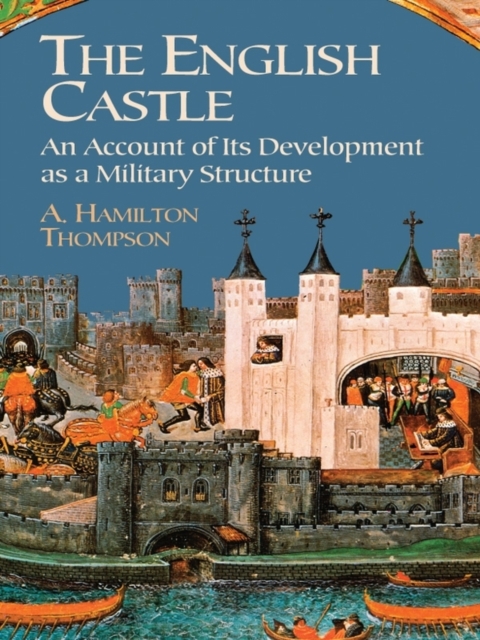
Once a seat of government as well as the private residence of its owners, the medieval castle was also a military base and stronghold for the surrounding geographical area.
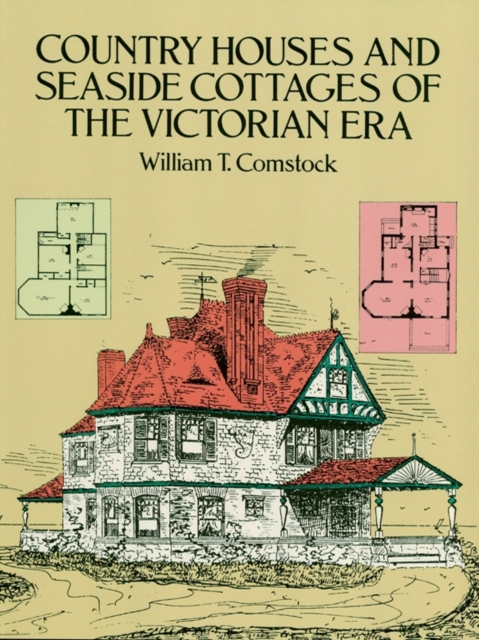
This fascinating book presents a series of 44 designs for vacation homes of varying styles and sizes, created over a century ago by a select group of New York and New Jersey architects.
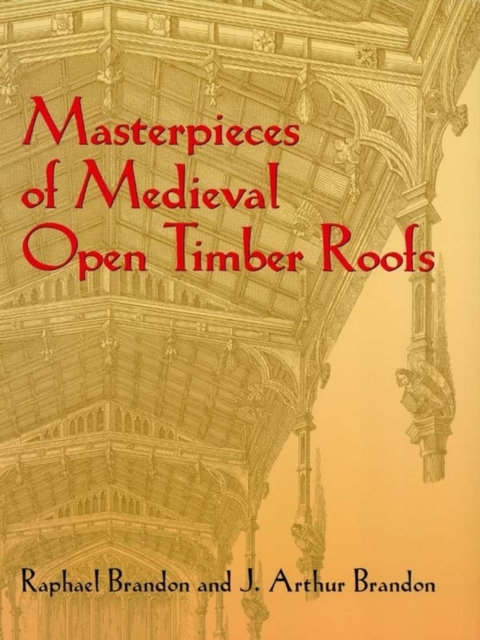
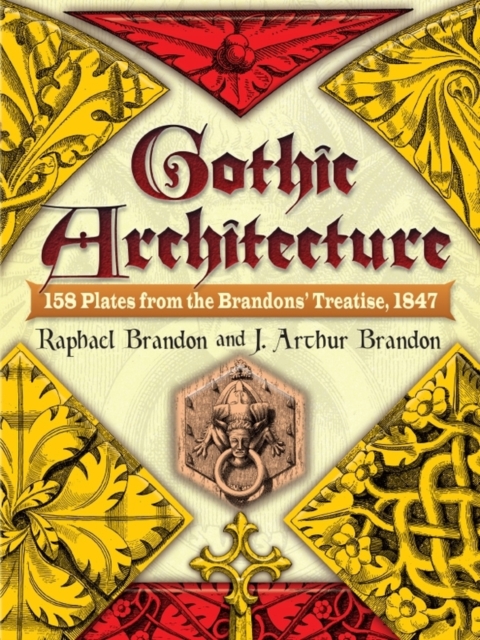
Excellently framed and designed, with bold, receding arches, the open timber roofs of the medieval period featured massive moldings, carved timbers, and intricate tracery.
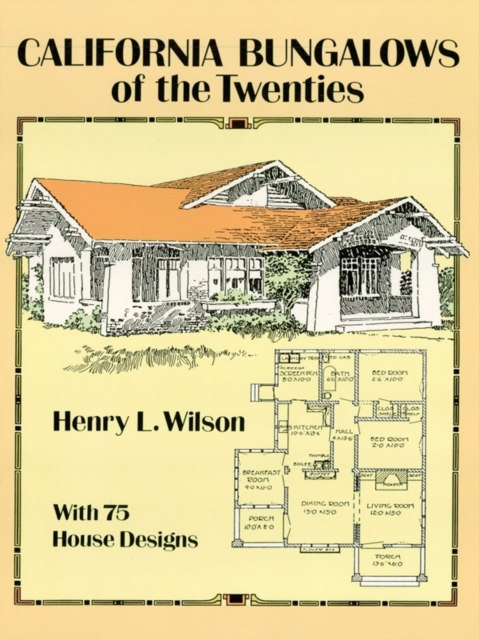
Reprint of rare catalog includes front or front-angled elevations, floor plans and interior sketches for dozens of authentic bungalow designs, many unique to the California landscape.
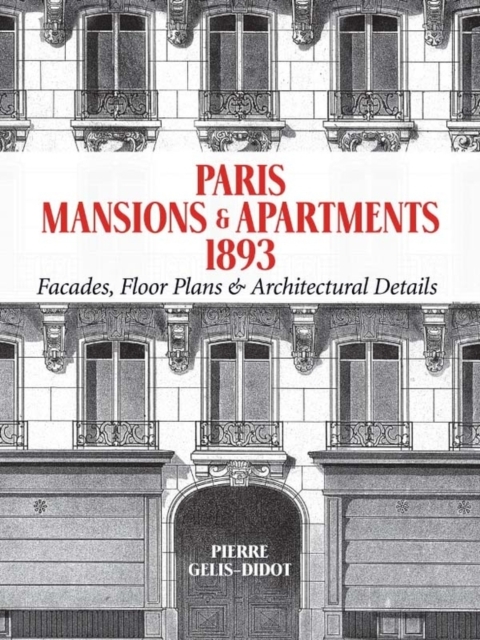
Selected from a very rare portfolio, this volume presents exquisitely detailed engravings of Parisian apartment buildings and mansions of the late nineteenth century.
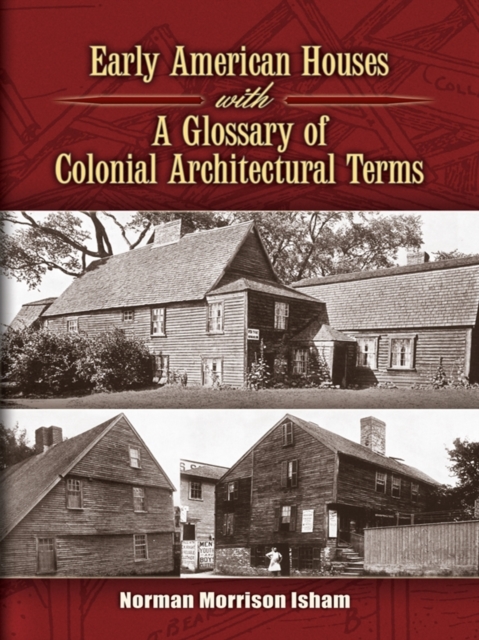
An intriguing examination of classic colonial houses, this fact-filled foray explores with remarkable concision the "e;medieval period"e; of American architecture.
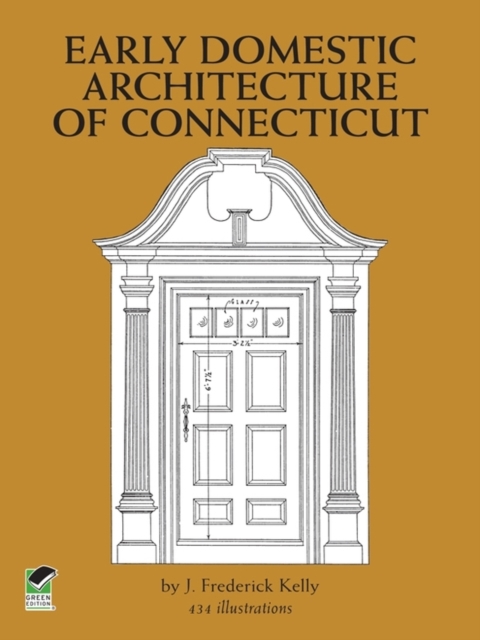
Based on personal observation of surviving examples and research into colonial records, this book includes 242 measured diagrams (windows, door frames, construction details, etc.
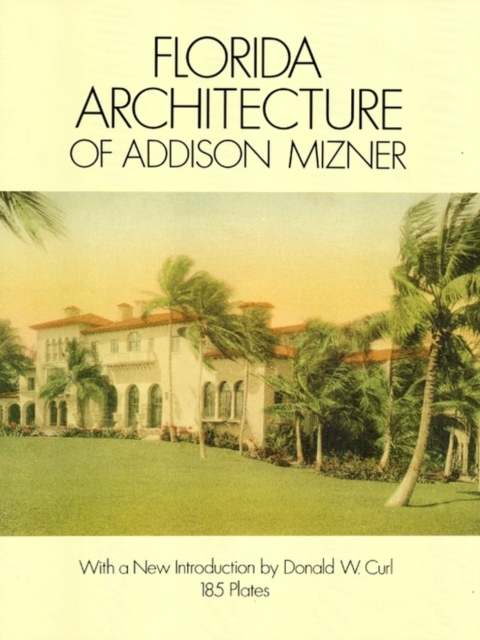
An architect who excelled at transforming an architectural fantasy into a practical, livable home, Addison Mizner was one of the most original and influential designers America has produced.
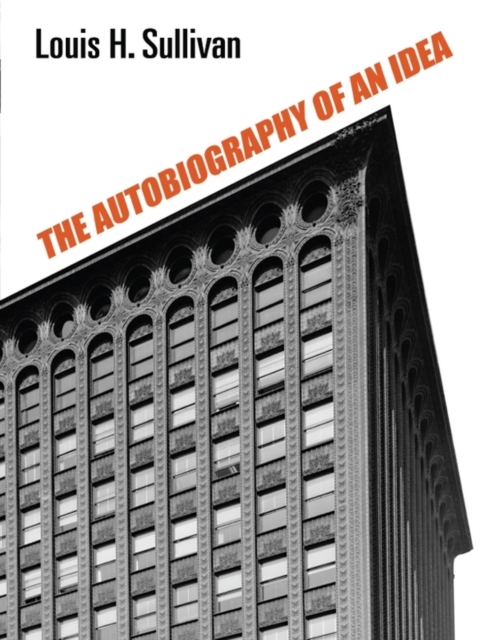
The famous American architect's fascinating look at the early years of his pioneering work, which led to his being called the "e;father of the skyscraper.
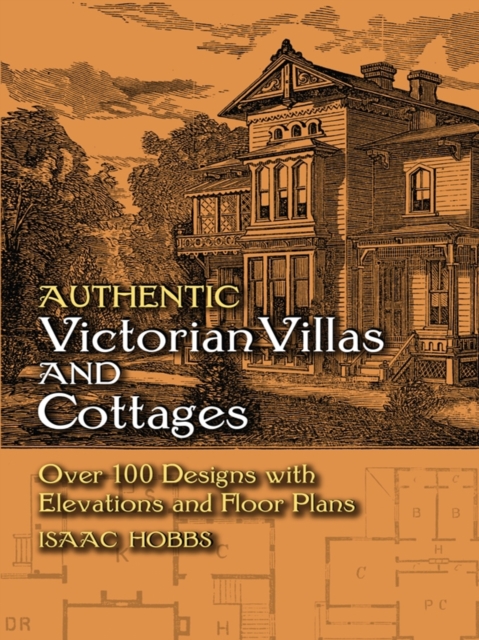
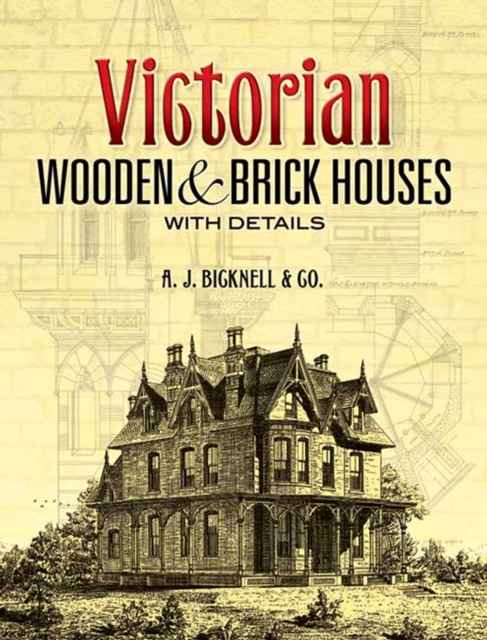
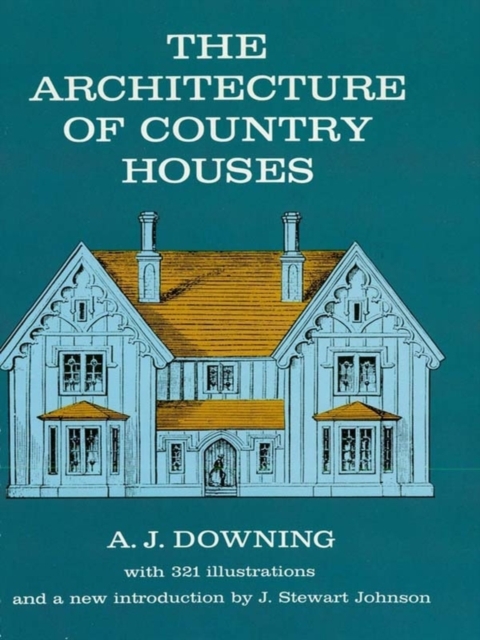
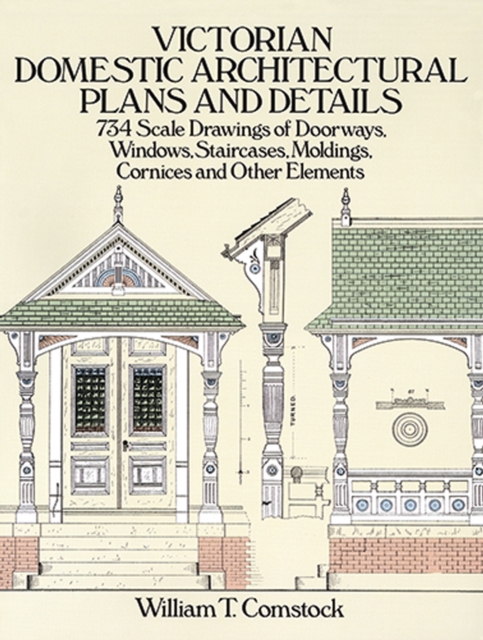
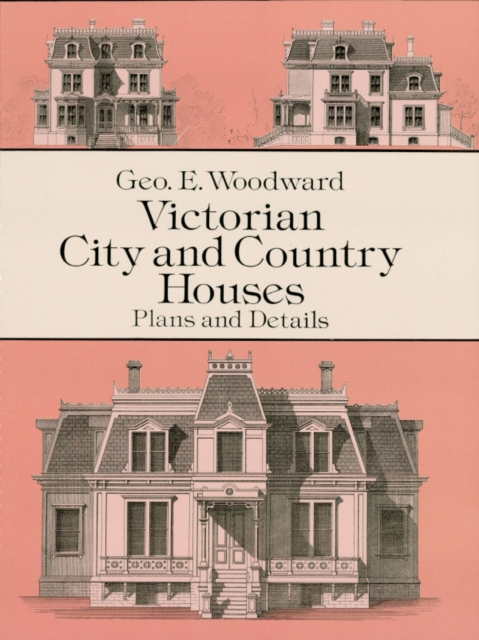
Victorian architecture, with its quirky diversity, eclectic origins, and exuberant ornamentation, continues to exert a strong attraction on today's architects, builders, and homeowners.
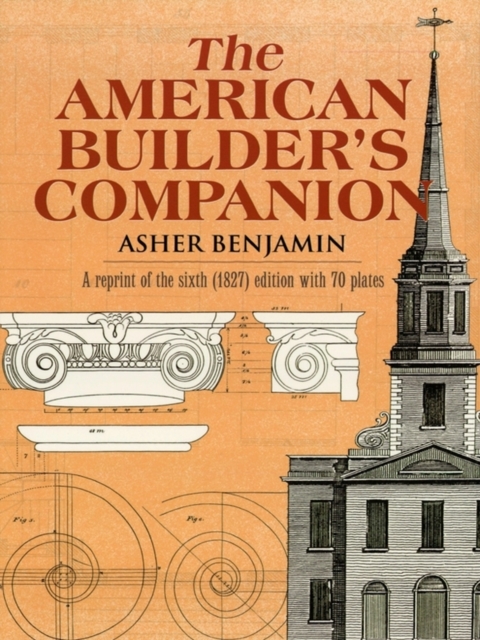
There is scarcely a New England town which does not contain houses, church spires, or ornamental interior details derived from the Late Colonial architectural designs of Asher Benjamin (17731845).
The widespread interest in constructing and restoring Victorian homes makes this a must-have volume for today's builders, homeowners, architects, and preservationists.
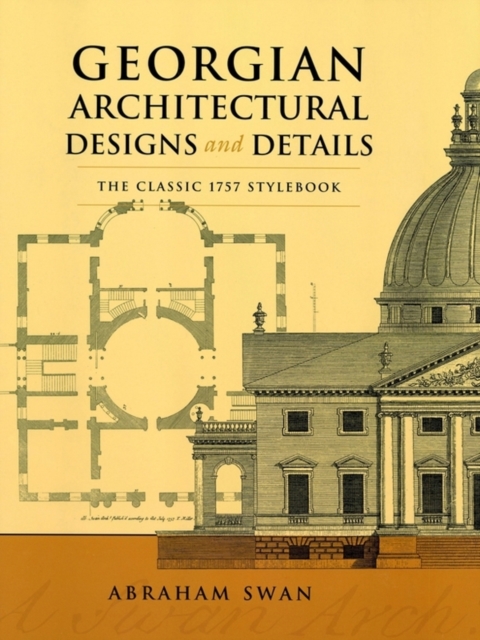
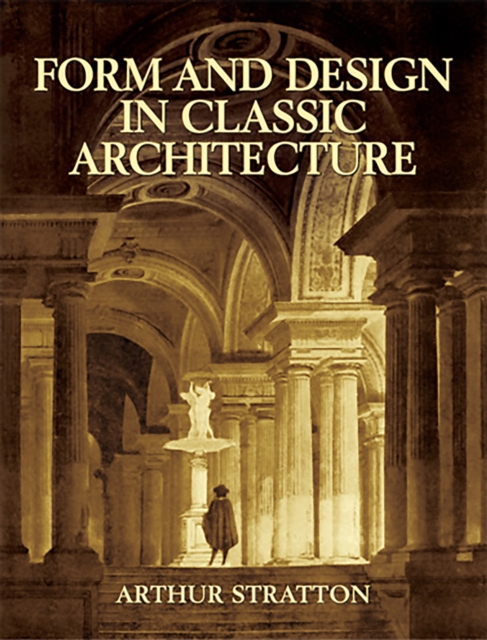
Most people recognize at a glance the extraordinarily graceful proportions of classical-style buildings such as London's Syon House and Athenaeum Club and the Banqueting Hall at Whitehall.
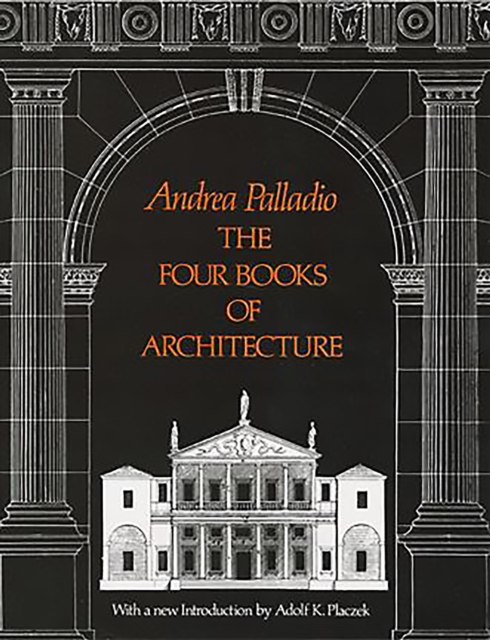
Andrea Palladio (15081580) was one of the most celebrated architects of the Renaissance, so important that the term Palladian has been applied to a particular style of architecture that adheres to classical concepts.
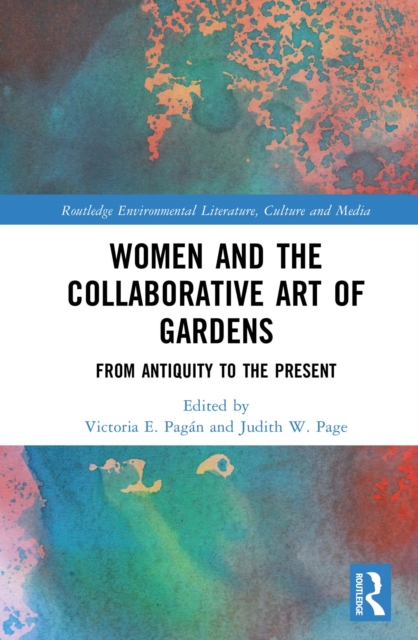
Women and the Collaborative Art of Gardens explores the garden and its agency in the history of the built and natural environments, as evidenced in landscape architecture, literature, art, archaeology, history, photography, and film.
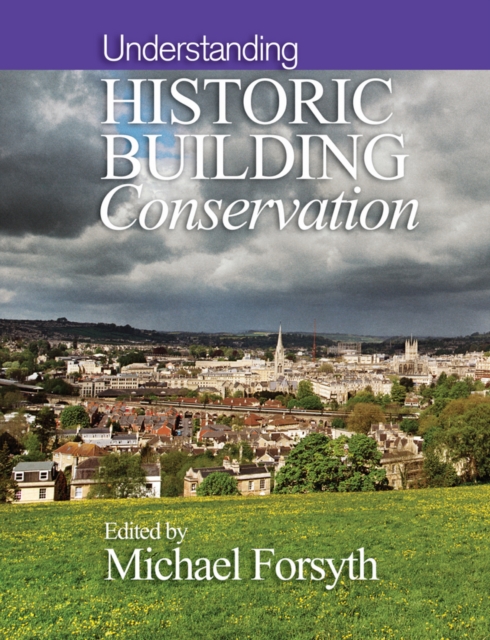
This book is the first in a series of volumes that combine conservation philosophy in the built environment with knowledge of traditional materials, and structural and constructional conservation techniques and technology: Understanding Historic Building Conservation Materials & Skills in Historic Building Conservation Structures & Construction in Historic Building Conservation The series aims to introduce each aspect of conservation and to provide concise, basic and up-to-date knowledge for architects, surveyors and engineers as well as for commissioning client bodies, managers and advisors.
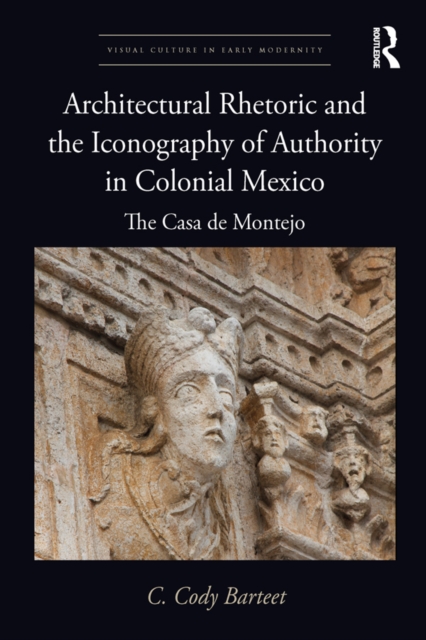
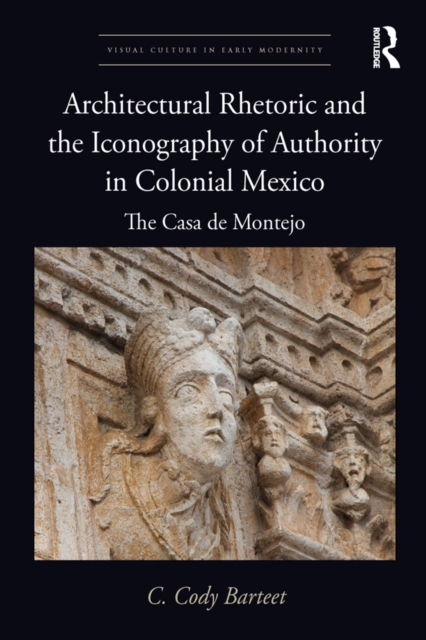
This book investigates the Casa de Montejo and considers the role of the building's Plateresque facade as a form of visual rhetoric that conveyed ideas about the individual and communal cultural identities in sixteenth-century Yucatan.
This book investigates the Casa de Montejo and considers the role of the building's Plateresque facade as a form of visual rhetoric that conveyed ideas about the individual and communal cultural identities in sixteenth-century Yucatan.
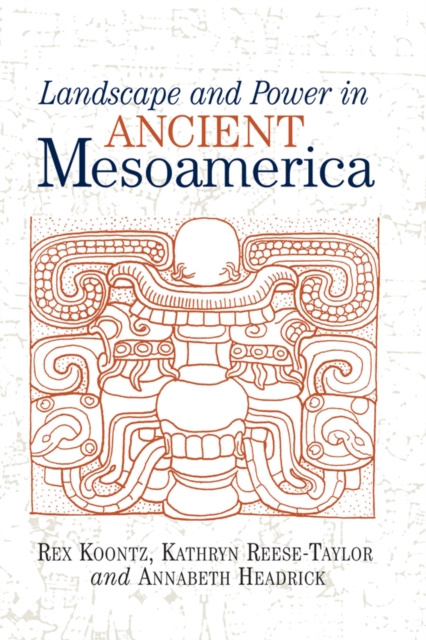
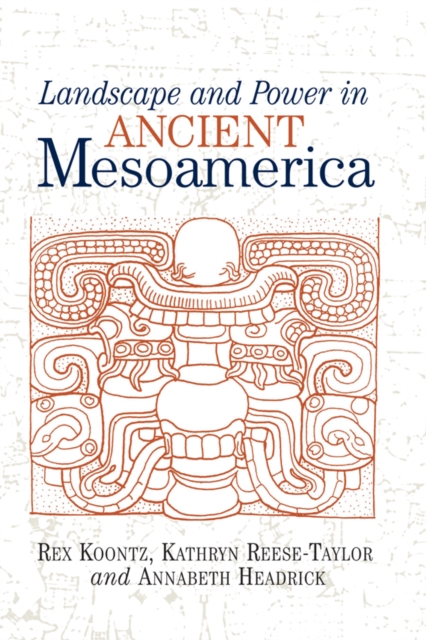
From the early cities in the second millennium BC to the Aztec capital of Tenochtitlan on the eve of the Spanish conquest, Ancient Mesoamericans created landscapes full of meaning and power in the center of their urban spaces.
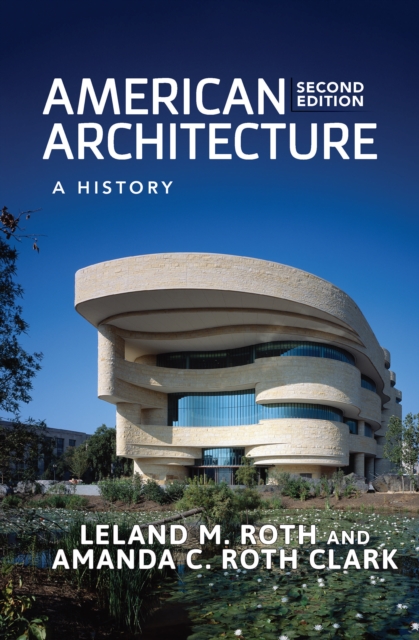
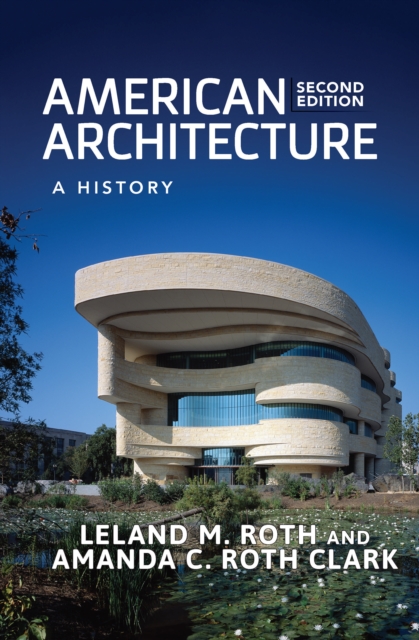
More than fifteen years after the success of the first edition, this sweeping introduction to the history of architecture in the United States is now a fully revised guide to the major developments that shaped the environment from the first Americans to the present, from the everyday vernacular to the high style of aspiration.
From the early cities in the second millennium BC to the Aztec capital of Tenochtitlan on the eve of the Spanish conquest, Ancient Mesoamericans created landscapes full of meaning and power in the center of their urban spaces.
More than fifteen years after the success of the first edition, this sweeping introduction to the history of architecture in the United States is now a fully revised guide to the major developments that shaped the environment from the first Americans to the present, from the everyday vernacular to the high style of aspiration.