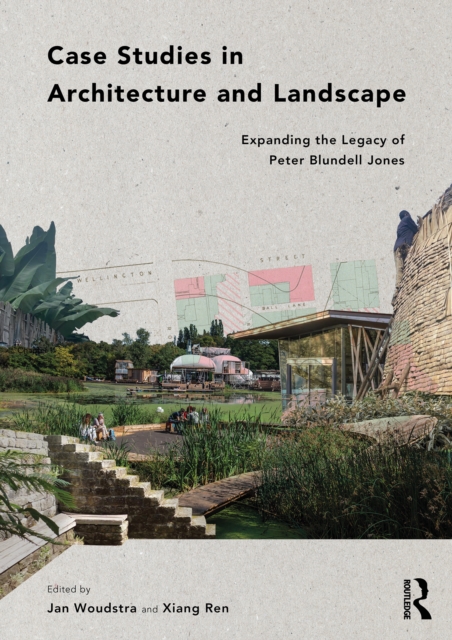
The architect, historian and critic Peter Blundell Jones (1949-2016) considered architecture as an expansive field within the arts and humanities and social sciences that included landscape and urban studies.
In 1893, the year that marked the four hundredth anniversary of the landing of Columbus in the New World, Chicago was host to an exposition to mark the occasion.
2017 Theatre Library Association Book Awards - Nominated, Richard Wall Memorial Award2017 Heritage Toronto Book Award - NominatedSlip once more into the back rows of the favourite movie theatres of your youth.
Some of the most famous plays in the English language were performed on the stage of the Rose theater, which stood on the Bankside in Elizabethan London.
2017 Theatre Library Association Book Awards - Nominated, Richard Wall Memorial Award2017 Heritage Toronto Book Award - NominatedSlip once more into the back rows of the favourite movie theatres of your youth.
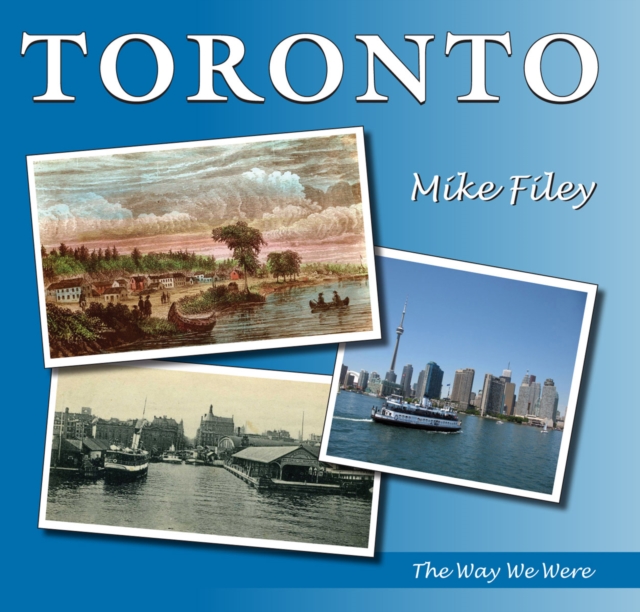
For decades Toronto historian Mike Filey has regaled readers with stories of the city's past through its landmarks, neighbourhoods, streetscapes, social customs, pleasure palaces, politics, sporting events, celebrities, and defining moments.
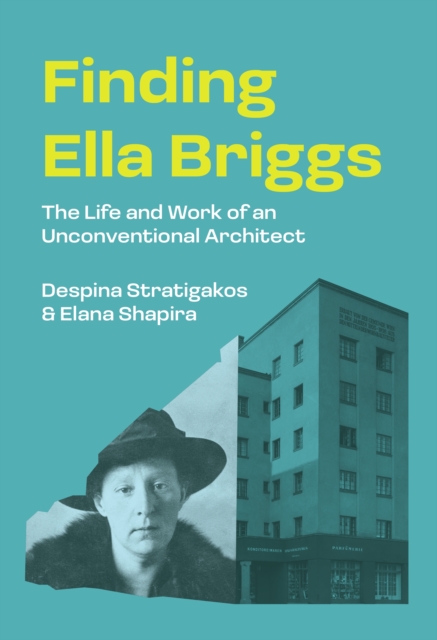
The first biography of an extraordinary woman and architect who left her mark on world capitals and reshaped modern designElla Briggs (18801977) was a talented architect, designer, and writer whose influence was felt on both sides of the Atlantic.
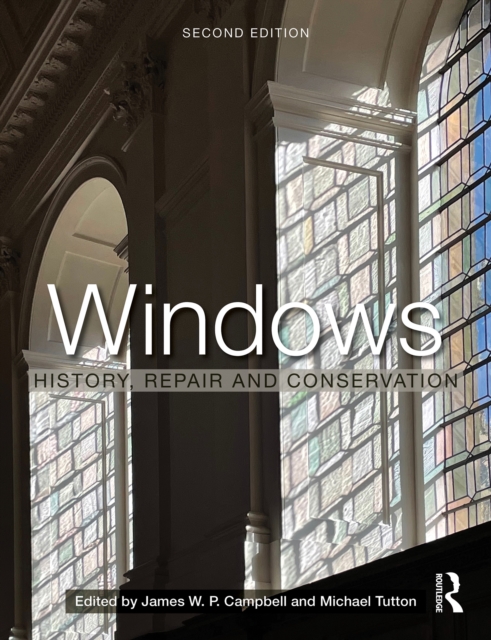
In Windows: History, Repair and Conservation, readers are guided through the history, dating, development, care, repair and conservation of windows by authors who are experts in their fields.
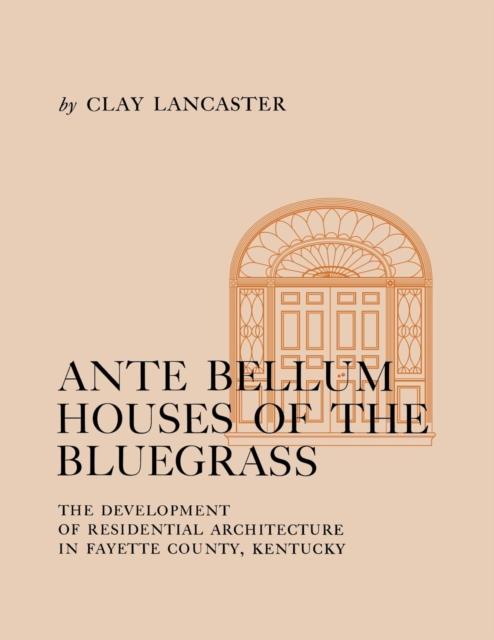
The ante bellum homes of Lexington and Fayette County, Kentucky, are both more numerous and more distinctive in design than those of many communities of similar age.
This book proposes a comparative reading between formal, or non-formal, structures of learning and individual agency abilities, highlighting influences and entanglements in different geographies from multiple spheres of knowledge and practices.
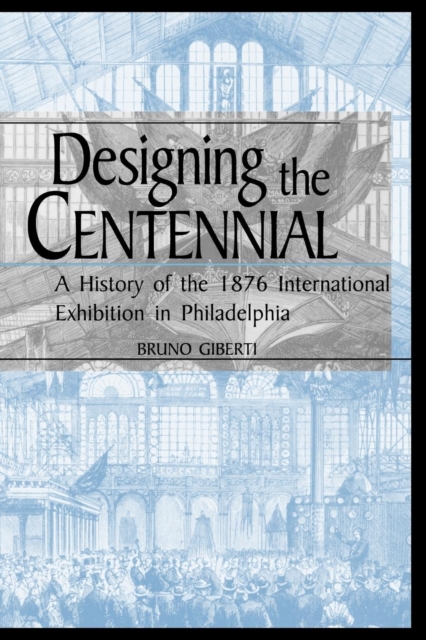
The 1876 United States Centennial Exhibition in Philadelphia was not only the United States' first important world's fair, it signaled significant changes in the very shape of knowledge.
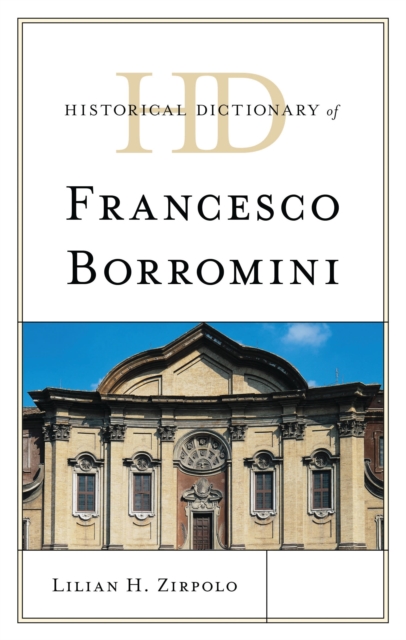
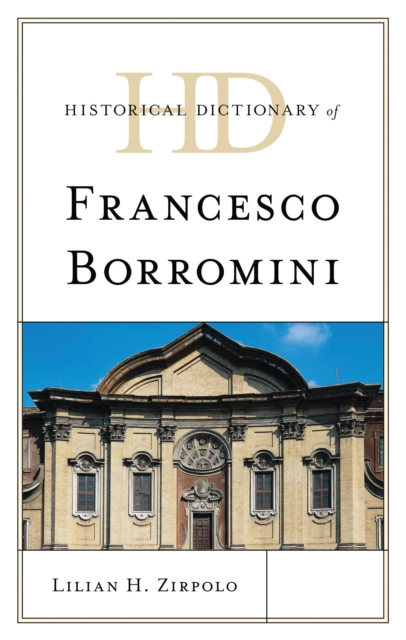
Francesco Borromini was one of the most notable architects of the 17th century, and though he fell into disfavor by the end of the following century, today he is classified as one of the most innovative architects in history.
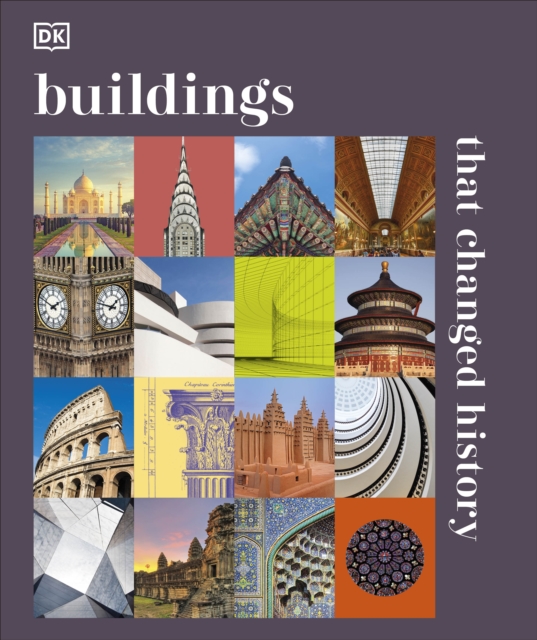
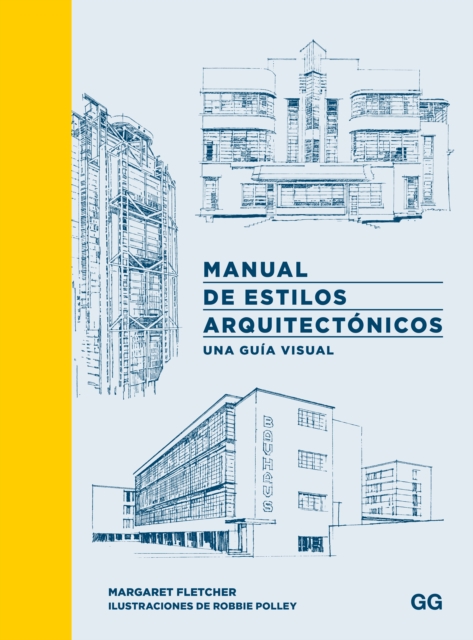
Explore the world's most fascinating historical and contemporary buildings, from ancient pyramids to hi-tech skyscrapers, in this essential guide to architecture.
Francesco Borromini was one of the most notable architects of the 17th century, and though he fell into disfavor by the end of the following century, today he is classified as one of the most innovative architects in history.
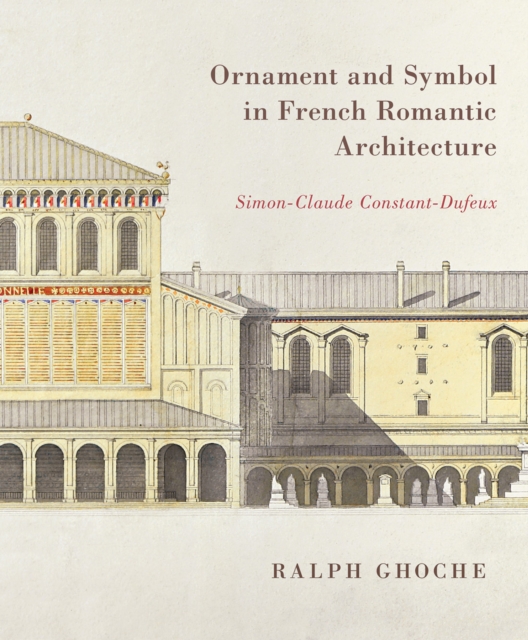
For Simon-Claude Constant-Dufeux (1801-1871), a radical French architect and chair of perspective at the Ecole des Beaux-Arts in Paris, the study and composition of ornament were essential pursuits.
"In a flood of superficial media, the narrow focus of Stephan Trüby's History of the Corridor – one of the inspirations for our Elements of Architecture exhibition in Venice 2014 – reveals unsuspected depths.
Zeynep Celik examines the changing face of Istanbul during the period when European cultural and economic influence intensified, integrating architectural analysis with discussion of broader issues of urban design and historical change.
Zeynep Celik examines the changing face of Istanbul during the period when European cultural and economic influence intensified, integrating architectural analysis with discussion of broader issues of urban design and historical change.
Development of the Playhouse: A Survey of Theatre Architecture from the Renaissance to the Present fills a significant gap in English-language studies by offering a comprehensive history of Western theater architecture from its roots to modern adaptations.
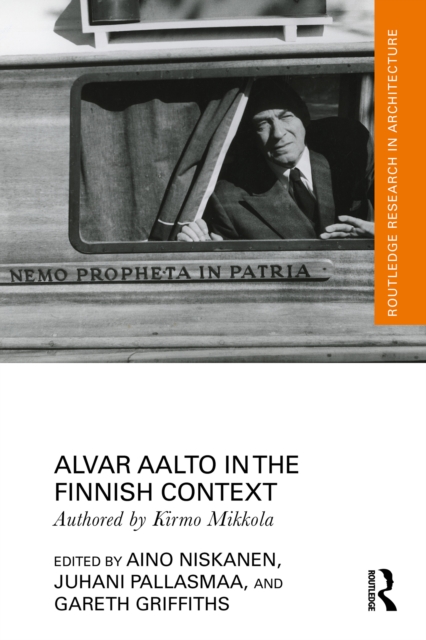
This book, first published in Finnish in 1985 under the title Aalto, is a critical introduction to Finnish architect Alvar Aalto (1898-1976), written by one of Aalto's Finnish architectural contemporaries, Kirmo Mikkola (1934-1986).
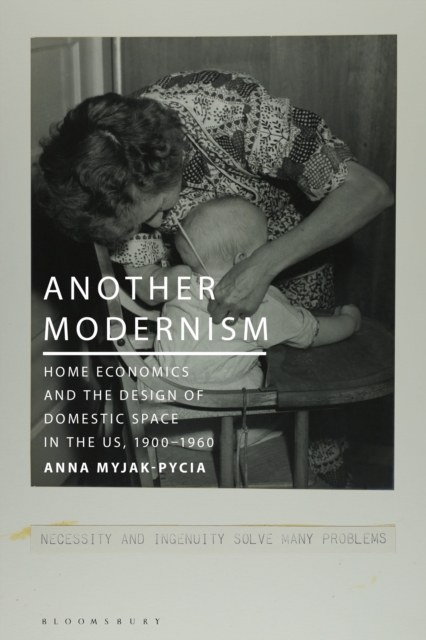
Filling an important gap in design history, Another Modernism examines how domestic space was conceived by the US home economics movement in the first half of the 20th century.
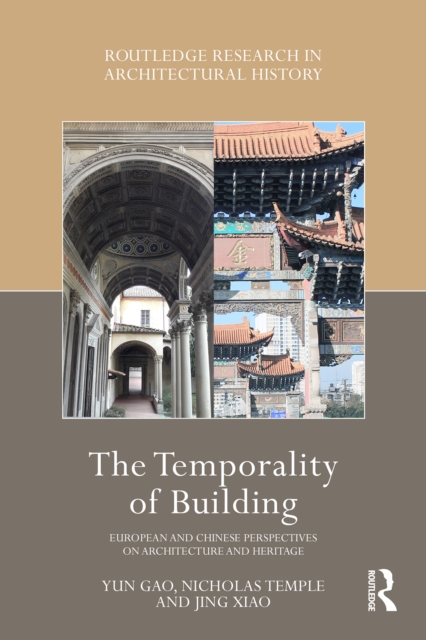
This book examines the role that time plays in the life of buildings, adopting a comparative study of this influence between European and Chinese traditions.