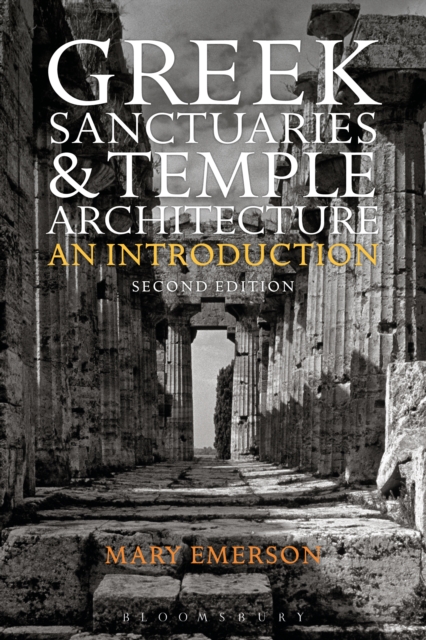
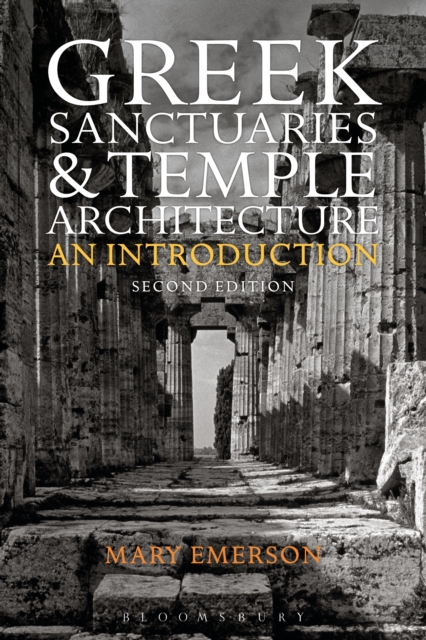
Assuming no prior knowledge, this book introduces the reader to a selection of sites and temples, exploring them in detail and explaining all technical terms along the way.
Assuming no prior knowledge, this book introduces the reader to a selection of sites and temples, exploring them in detail and explaining all technical terms along the way.
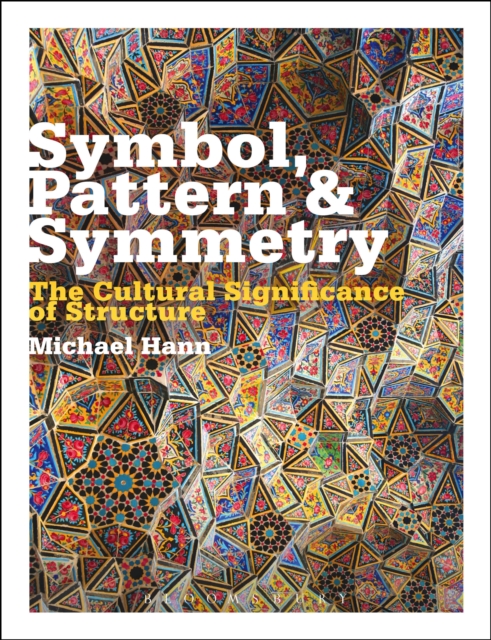
Symbol, Pattern and Symmetry: The Cultural Significance of Structure investigates how pattern and symbol has functioned in visual arts, exploring how connections and comparisons in geometrical pattern can be made across different cultures and how the significance of these designs has influenced craft throughout history.
A skyscraper one mile high, a dome covering most of downtown Manhattan, a triumphal arch in the form of an elephant: some of the most exciting buildings in the history of architecture are the ones that never got built.
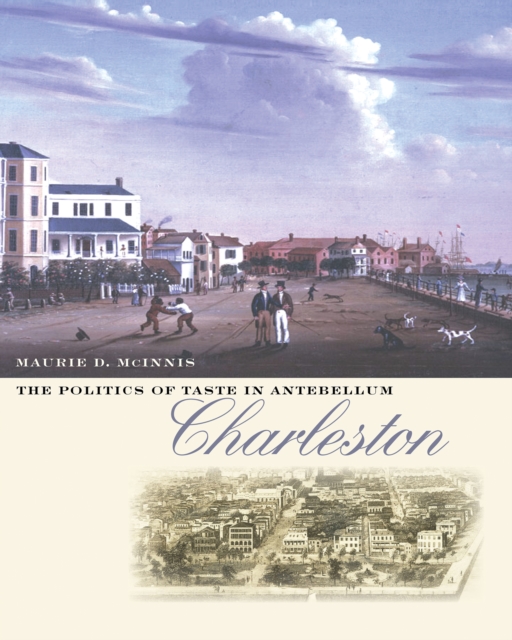
At the close of the American Revolution, Charleston, South Carolina, was the wealthiest city in the new nation, with the highest per-capita wealth among whites and the largest number of enslaved residents.
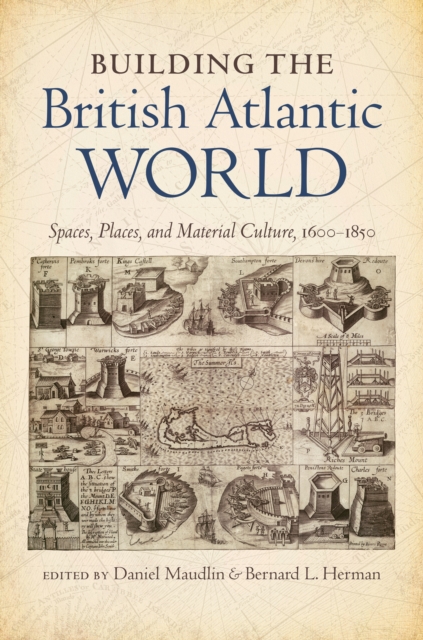
Spanning the North Atlantic rim from Canada to Scotland, and from the Caribbean to the coast of West Africa, the British Atlantic world is deeply interconnected across its regions.
Emotions and Architecture: Forging Mediterranean Cities Between the Middle Ages and Early Modern Time explores architecture as a medium to arouse or conceal emotions, to build consensus through shared values, or to reconnect the urban community to its alleged ancestry.
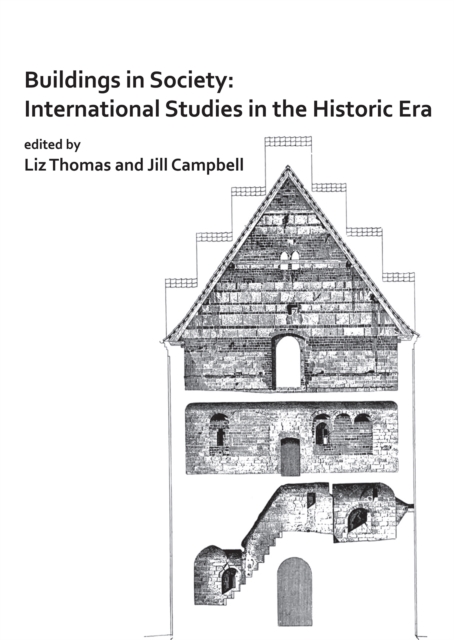
Buildings in Society: International Studies in the Historic Era presents a series of papers reflecting the latest approaches to the study of buildings from the historic period.
Emotions and Architecture: Forging Mediterranean Cities Between the Middle Ages and Early Modern Time explores architecture as a medium to arouse or conceal emotions, to build consensus through shared values, or to reconnect the urban community to its alleged ancestry.
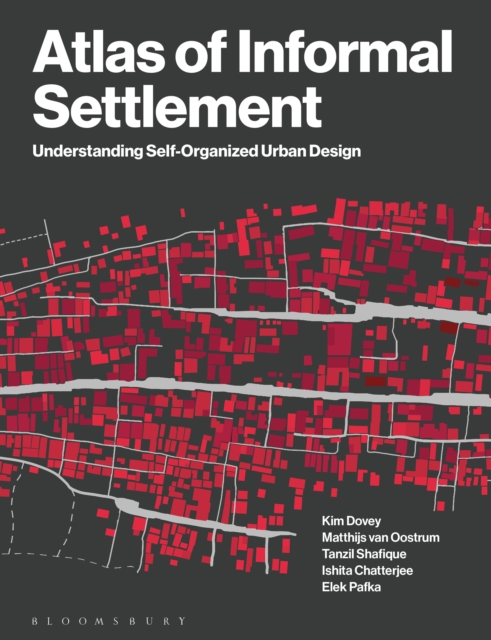
While often seen as unplanned or spontaneous, informal settlement is better understood as a mode of production: a co-evolution of architecture, urban design and planning that embodies informal rules and shapes urban development.
Como un recordatorio del poder de la naturaleza y de la capacidad del ser humano para destruir aquello que él mismo ha creado, Fernando Báez lanza una mirada al pasado para hablarnos del inmenso patrimonio cultural que hemos perdido.
this story is about what i believe to be gods great plan by useing native amaricans lands to bring all the raceses in the world together gods many nations to have all his children together at one time at one place this is his idea of heaven because in heaven where all together
The Churches of Mexico, 1530-1810 presents an in-depth exploration of the architectural evolution in Mexico following the Spanish Conquest, charting a remarkable transformation from indigenous aesthetics to a unique mestizo style that interweaves European and native influences.
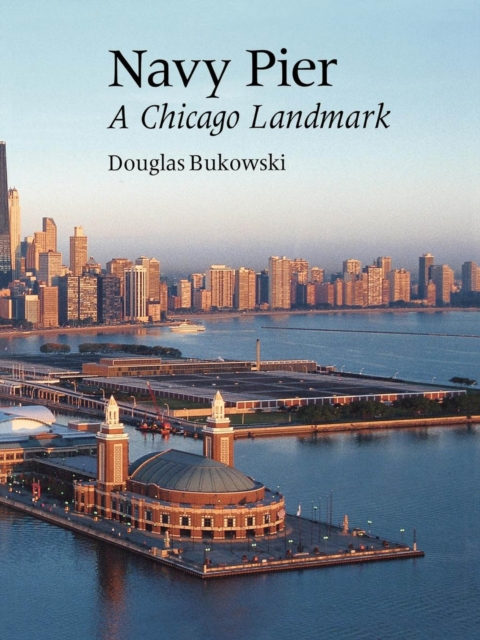
An entertaining, abundantly illustrated history of a Chicago landmark, inspired by Daniel Burnham and a feat of engineering, now a grand locale for public recreation.
The short lived Tulip Era breathed a new life into Ottoman social life and novel elements of art, architecture and new spaces of leisure and entertainment that both men and women could participate and enjoy emerged during the early 18th century.
Since the first edition of this book, geometrical methods in the theory of ordinary differential equations have become very popular and some progress has been made partly with the help of computers.
Gunships suddenly descended, fanning out from a central point around the Iroquois and sending streams of machine-gun fire and rockets into the jungle below.
It is 1846 when twelve-year-old street urchin Ian Walsh and his eleven-year-old drummer friend Danny Higgins decide to abandon their hardships and travel from Ireland to America.
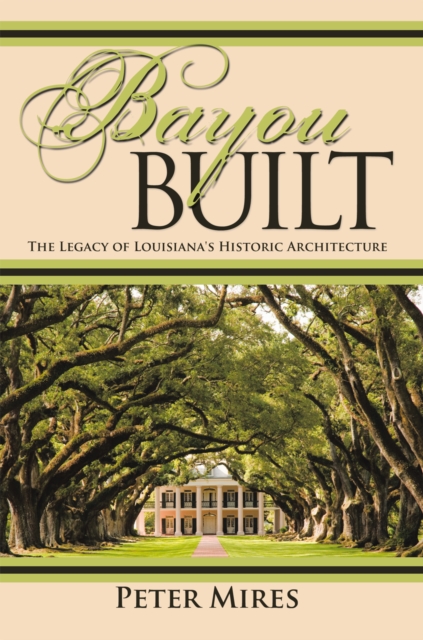
Louisiana, the Bayou State, is famous for many things, including savory cuisine, great music, and a resident population whose mantra is laissez les bons temps roulerlet the good times roll!
AN OBSERVER BOOK OF THE YEARBeginning in a tiny hermitage on the remote north Scottish coast, and ending up backstage at the National Theatre, Raw Concrete embarks on a wide-ranging journey through Britain over the past sixty years, stopping to examine how eight extraordinary buildings were made - from commission to construction - why they have been so vilified, and why they are beginning to be loved.
This classic works on The Decoration of Houses was originally published in 1897, With chapters including; The Historical Tradition - Rooms in general - Entrance and Vestibule and The school room & nurseries much of the information is still useful and practical today.
Beginning with their introduction in the eleventh century, and ending with their widespread abandonment in the seventeenth, Marc Morris explores many of the country s most famous castles, as well as some spectacular lesser-known examples.
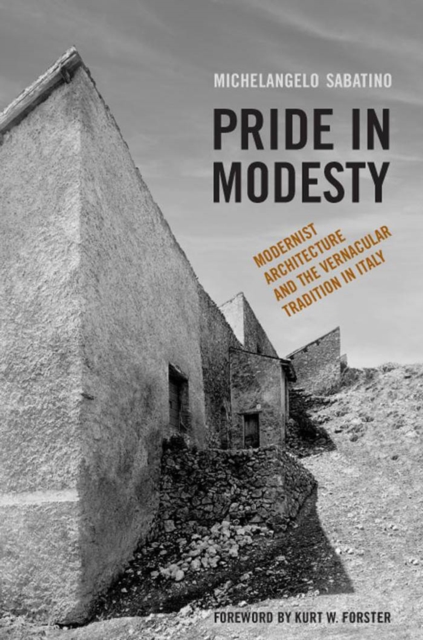
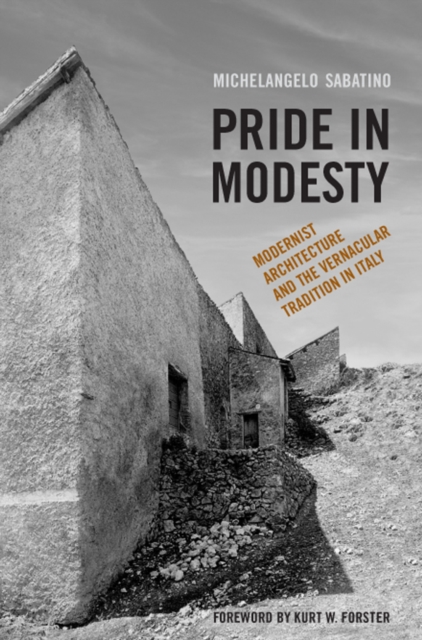
Following Italy's unification in 1861, architects, artists, politicians, and literati engaged in volatile debates over the pursuit of national and regional identity.
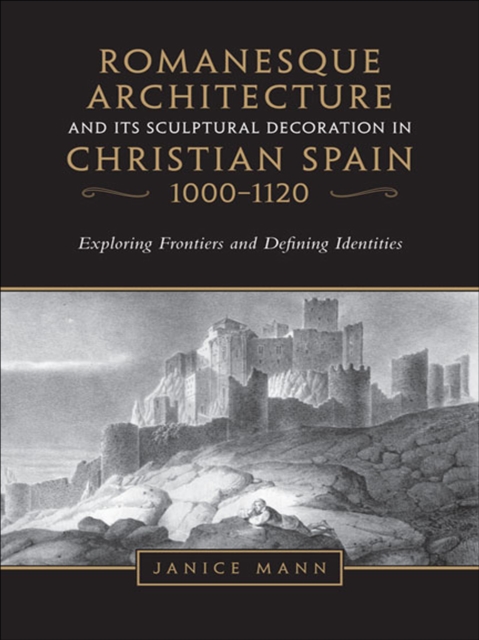
The decades following the year 1000 marked a watershed in the history of the Iberian Peninsula when the balance of power shifted from Muslims to Christians.
Following Italy's unification in 1861, architects, artists, politicians, and literati engaged in volatile debates over the pursuit of national and regional identity.
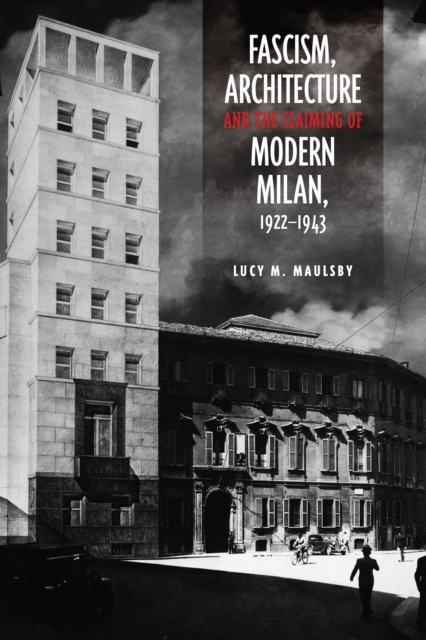
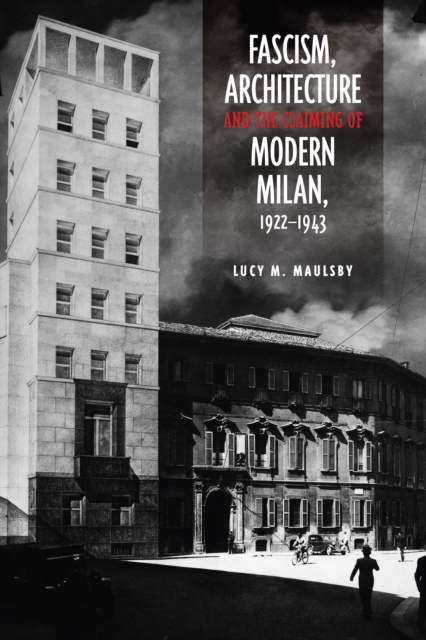
Fascism, Architecture, and the Claiming of Modern Milan, 1922–1943 chronicles the dramatic architectural and urban transformation of Milan during the nearly twenty years of fascist rule.
Fascism, Architecture, and the Claiming of Modern Milan, 1922–1943 chronicles the dramatic architectural and urban transformation of Milan during the nearly twenty years of fascist rule.
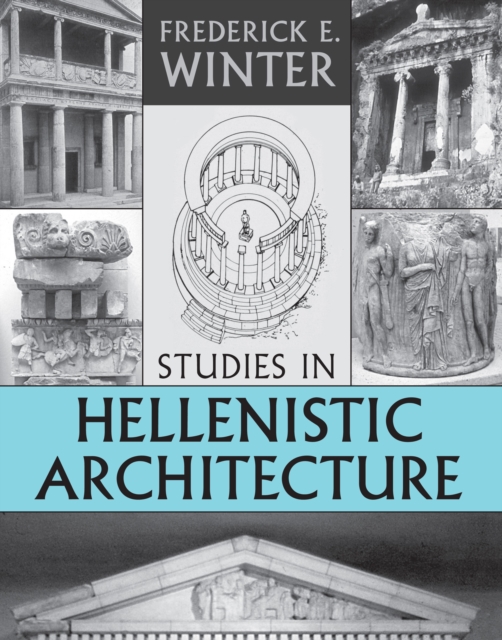
Studies in Hellenistic Architecture is a detailed analysis of the development of the major building-types of the Hellenistic age - the mid-fourth century B.
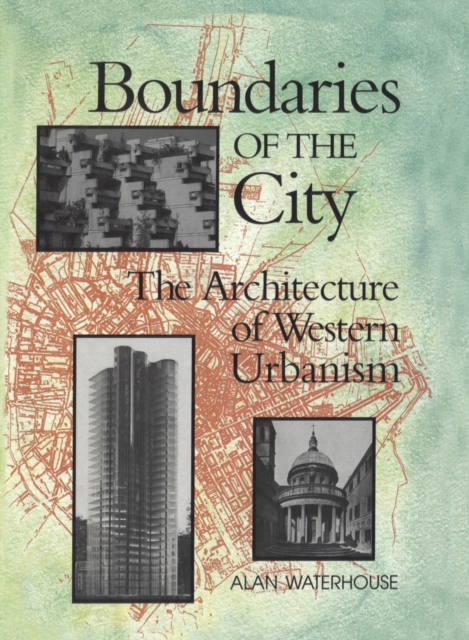
In this study Alan Waterhouse draws on anthropological, social and cultural history, literature, and philosophy to reach an understanding of the roots of Western architecture and city building.
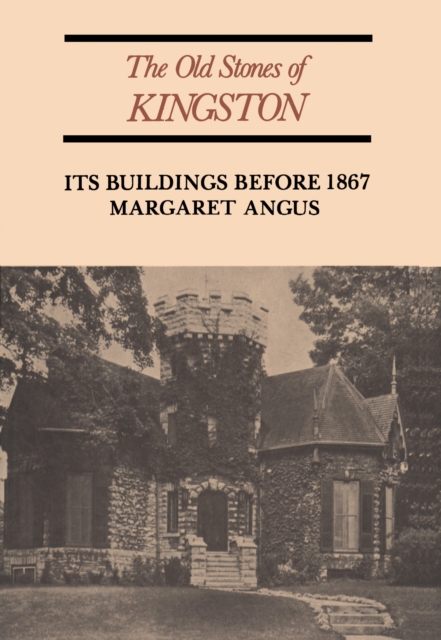
Kingston is remarkable in that the visual evidence of its place in Canadian history and in Canadian architecture is still here: many of its older streets are lined with houses built of stone, and charming old limestone farm houses are found even in new subdivisions, surrounded now by modern, split-level dwellings.