Postmodern architecture - with its return to ornamentality, historical quotation, and low-culture kitsch - has long been seen as a critical and popular anodyne to the worst aspects of modernist architecture: glass boxes built in urban locales as so many interchangeable, generic anti-architectural cubes and slabs.
Postmodern architecture - with its return to ornamentality, historical quotation, and low-culture kitsch - has long been seen as a critical and popular anodyne to the worst aspects of modernist architecture: glass boxes built in urban locales as so many interchangeable, generic anti-architectural cubes and slabs.
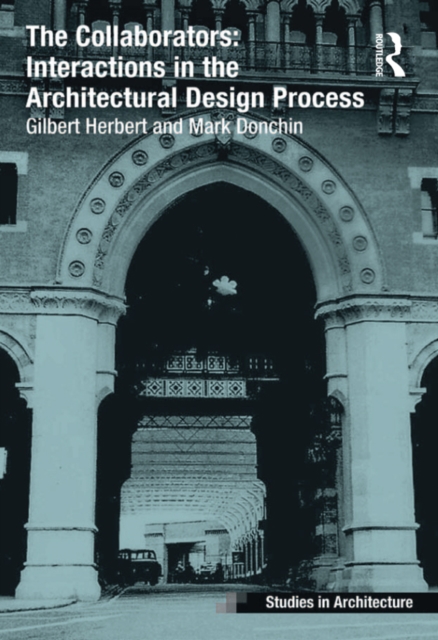
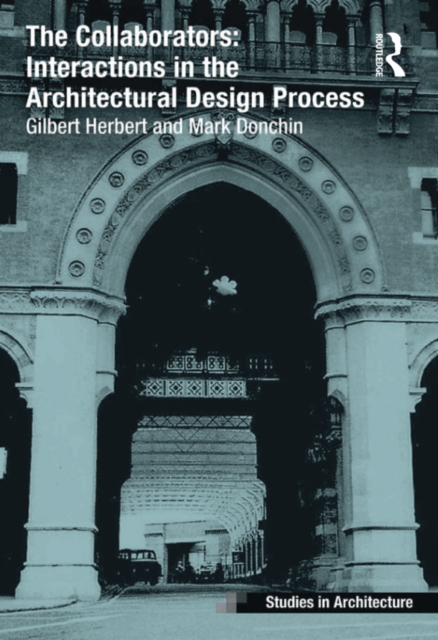
Illustrated by critical analyses of significant buildings, including examples by such eminent architects as Adler and Sullivan, Erich Mendelsohn, and Louis Kahn, this book examines collaboration in the architectural design process over a period ranging from the mid-19th century to the late 1960s.
Illustrated by critical analyses of significant buildings, including examples by such eminent architects as Adler and Sullivan, Erich Mendelsohn, and Louis Kahn, this book examines collaboration in the architectural design process over a period ranging from the mid-19th century to the late 1960s.
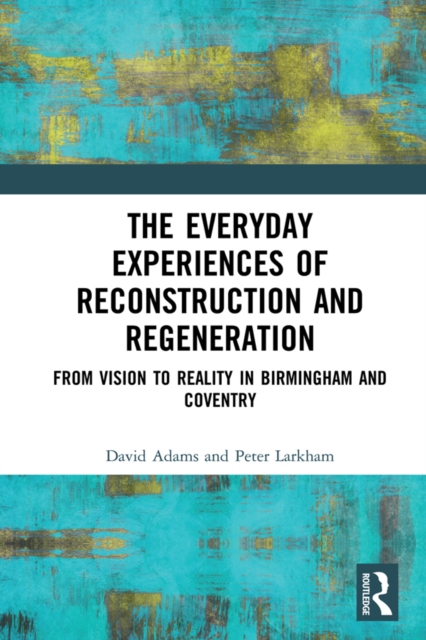
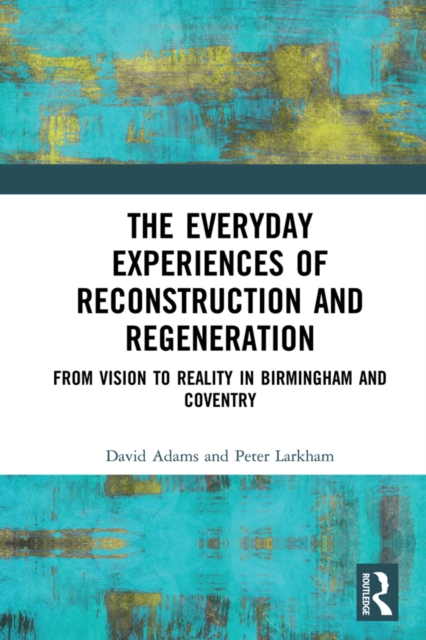
Set within a wider British and international context of post-war reconstruction, The Everyday Experiences of Reconstruction and Regeneration focuses on such debates and experiences in Birmingham and Coventry as they recovered from Second World War bombings and post-war industrial collapse.
Set within a wider British and international context of post-war reconstruction, The Everyday Experiences of Reconstruction and Regeneration focuses on such debates and experiences in Birmingham and Coventry as they recovered from Second World War bombings and post-war industrial collapse.
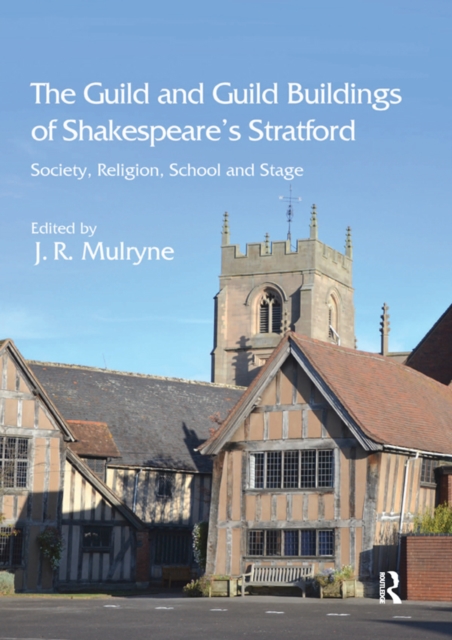
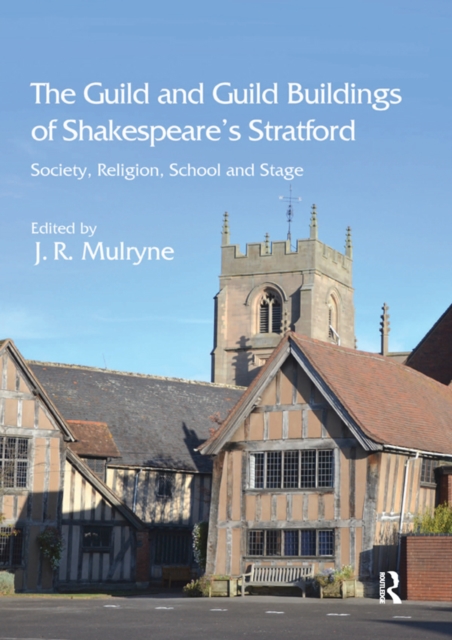
The guild buildings of Shakespeare's Stratford represent a rare instance of a largely unchanged set of buildings which draw together the threads of the town's civic life.
The guild buildings of Shakespeare's Stratford represent a rare instance of a largely unchanged set of buildings which draw together the threads of the town's civic life.
In recent years architectural discourse has witnessed a renewed interest in materiality under the guise of such familiar tropes as 'material honesty,' 'form finding,' or 'digital materiality.
In recent years architectural discourse has witnessed a renewed interest in materiality under the guise of such familiar tropes as 'material honesty,' 'form finding,' or 'digital materiality.
Using empathy, as established by the Vienna School of Art History, complemented by insights on how the mind processes visual stimuli, as demonstrated by late 19th-century psychologists and art theorists, this book puts forward an innovative interpretative method of decoding the forms and spaces of Modern buildings.
Using empathy, as established by the Vienna School of Art History, complemented by insights on how the mind processes visual stimuli, as demonstrated by late 19th-century psychologists and art theorists, this book puts forward an innovative interpretative method of decoding the forms and spaces of Modern buildings.
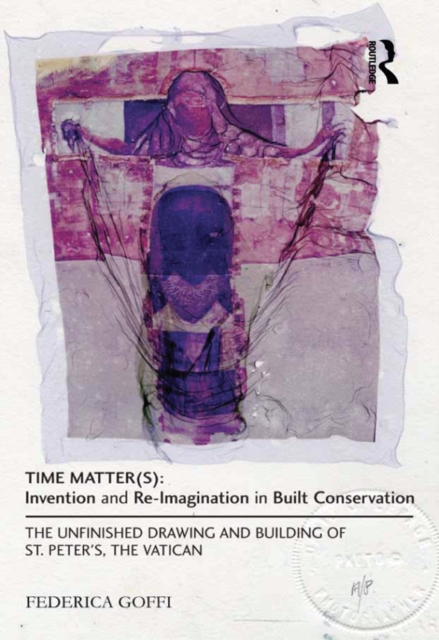
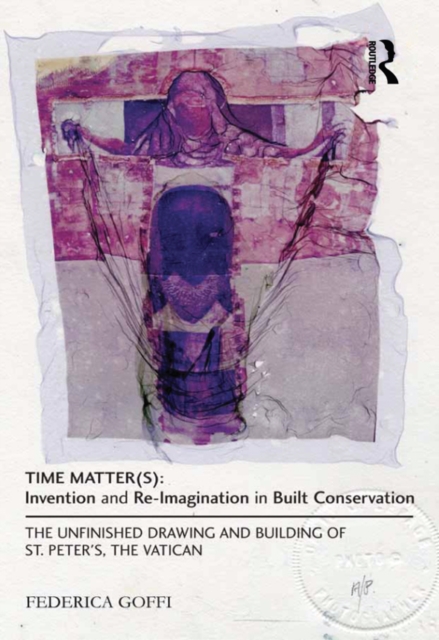
Even though the idea of altering an existing building is presently a well established practice within the context of adaptive reuse, when the building in question is a 'mnemonic building', of recognized heritage value, alterations are viewed with suspicion, even when change is a recognized necessity.
Even though the idea of altering an existing building is presently a well established practice within the context of adaptive reuse, when the building in question is a 'mnemonic building', of recognized heritage value, alterations are viewed with suspicion, even when change is a recognized necessity.
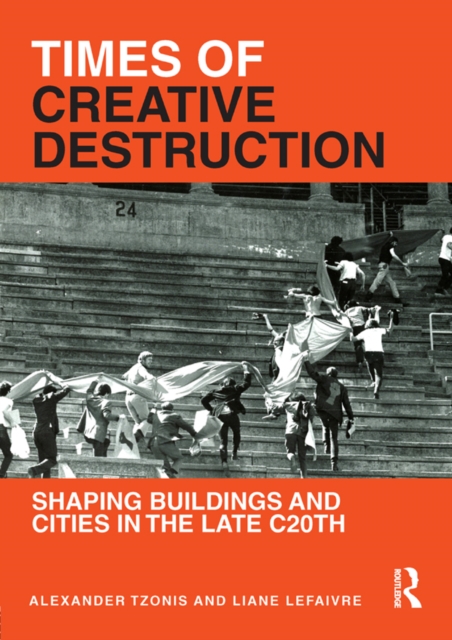
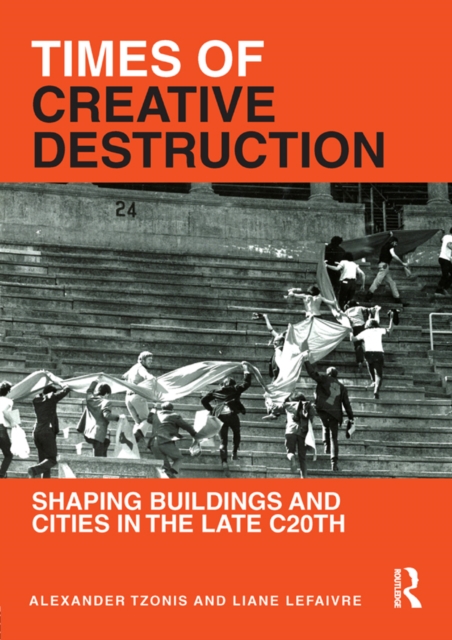
Times of Creative Destruction is about the years that followed the end of WWII, one of the most seminal and dramatic epochs in human history, during which extraordinary star-buildings were born, cities exploded, and an unprecedented world of a 'Third Ecology' emerged.
Times of Creative Destruction is about the years that followed the end of WWII, one of the most seminal and dramatic epochs in human history, during which extraordinary star-buildings were born, cities exploded, and an unprecedented world of a 'Third Ecology' emerged.
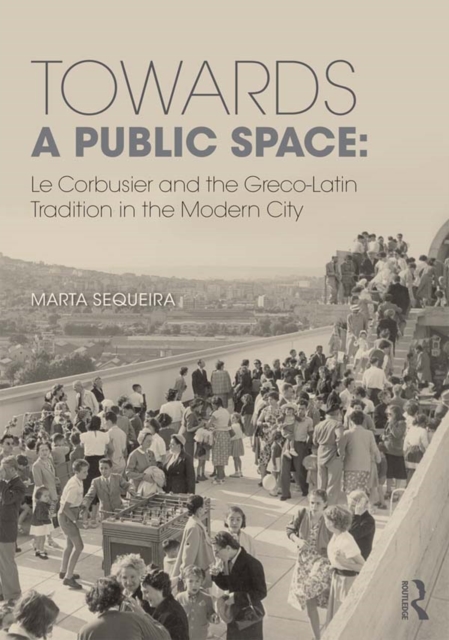
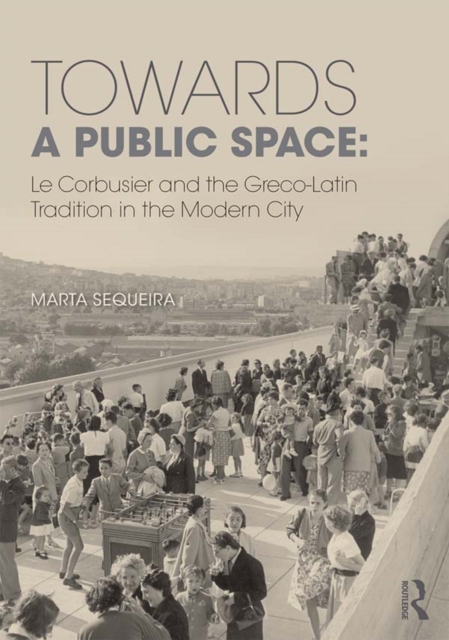
**Selected in the top eight short-list for the Thought and Criticism category of the FAD Awards 2019**Le Corbusier is well-known for his architectural accomplishments, which have been extensively discussed in literature.
**Selected in the top eight short-list for the Thought and Criticism category of the FAD Awards 2019**Le Corbusier is well-known for his architectural accomplishments, which have been extensively discussed in literature.
Travel, Space, Architecture defines a new theoretical territory in architectural and urban scholarship that frames the processes of spatial production through the notion of travel.
Travel, Space, Architecture defines a new theoretical territory in architectural and urban scholarship that frames the processes of spatial production through the notion of travel.
Bringing together ten utopian works that mark important points in the history and an evolution in social and political philosophies, this book not only reflects on the texts and their political philosophy and implications, but also, their architecture and how that architecture informs the political philosophy or social agenda that the author intended.
Bringing together ten utopian works that mark important points in the history and an evolution in social and political philosophies, this book not only reflects on the texts and their political philosophy and implications, but also, their architecture and how that architecture informs the political philosophy or social agenda that the author intended.
This book is about contemporary issues in architecture and urbanism, taking the form of a project for The Corviale Void, a one kilometre long strip of urban space, immured in the notorious Corviale housing development in the Southwestern sector of Rome.
This book is about contemporary issues in architecture and urbanism, taking the form of a project for The Corviale Void, a one kilometre long strip of urban space, immured in the notorious Corviale housing development in the Southwestern sector of Rome.
This volume brings together an interdisciplinary team of leading scholars to discuss frameworks of value in relation to the preservation of historic environments.
This volume brings together an interdisciplinary team of leading scholars to discuss frameworks of value in relation to the preservation of historic environments.
With its celebrated World Heritage List, UNESCO steers the global heritage agenda through the definition and redefinition of what constitutes heritage and by offering the highest-level forum for heritage professionalism.
With its celebrated World Heritage List, UNESCO steers the global heritage agenda through the definition and redefinition of what constitutes heritage and by offering the highest-level forum for heritage professionalism.
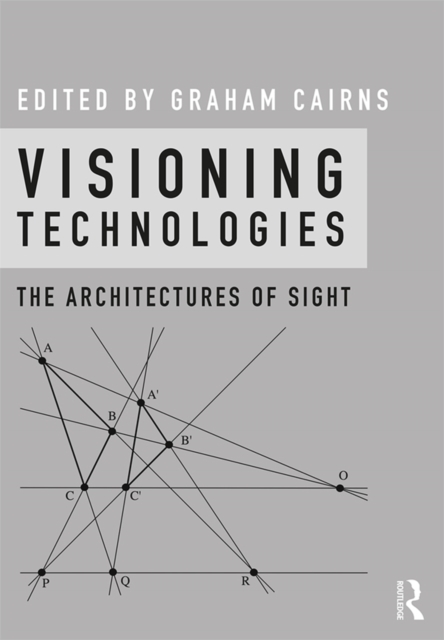
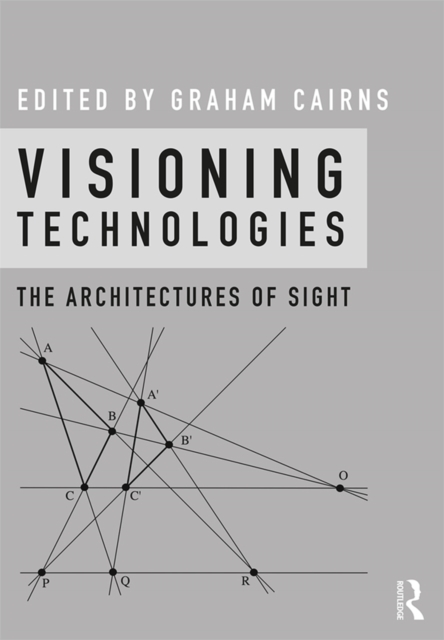
Visioning Technologies brings together a collection of texts from leading theorists to examine how architecture has been, and is, reframed and restructured by the visual and theoretical frameworks introduced by different 'technologies of sight' - understood to include orthographic projection, perspective drawing, telescopic devices, photography, film and computer visualization, amongst others.
Visioning Technologies brings together a collection of texts from leading theorists to examine how architecture has been, and is, reframed and restructured by the visual and theoretical frameworks introduced by different 'technologies of sight' - understood to include orthographic projection, perspective drawing, telescopic devices, photography, film and computer visualization, amongst others.
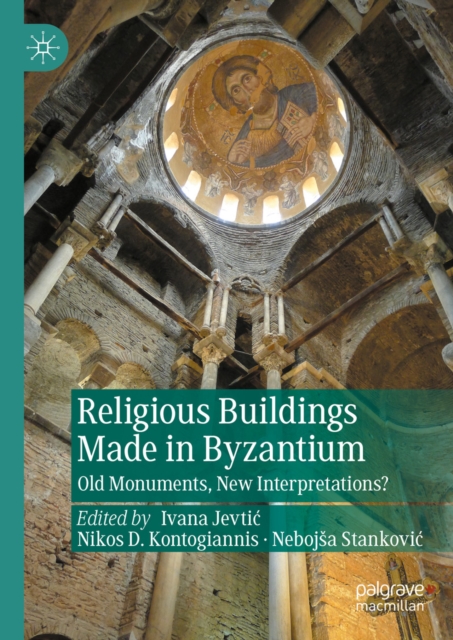
Each chapter of this volume provides a window into the vibrant world of Middle and Late Byzantium, offering new insights into the complexities of Byzantine ecclesiastical spaces.