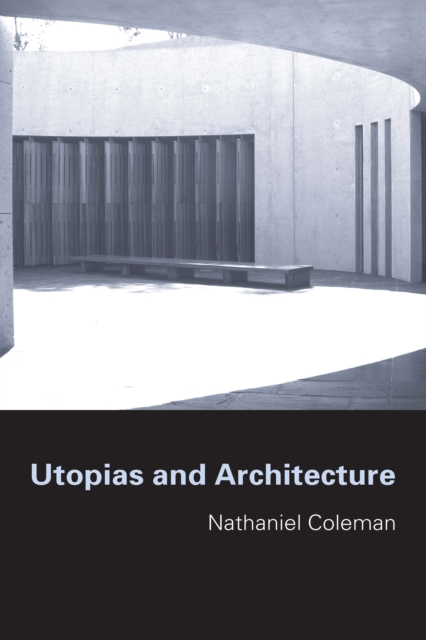
The material and cultural world in which we now live perhaps represents the end of a process created out of the Enlightenment and the Industrial Revolution.
The material and cultural world in which we now live perhaps represents the end of a process created out of the Enlightenment and the Industrial Revolution.
By examining the motif of ruination in a variety of late-eighteenth-century domains, this book portrays the moral aesthetic of the culture of sensibility in Europe, particularly its negotiation of the demands of tradition and pragmatism alongside utopian longings for authenticity, natural goodness, self-governance, mutual transparency, and instantaneous kinship.
By examining the motif of ruination in a variety of late-eighteenth-century domains, this book portrays the moral aesthetic of the culture of sensibility in Europe, particularly its negotiation of the demands of tradition and pragmatism alongside utopian longings for authenticity, natural goodness, self-governance, mutual transparency, and instantaneous kinship.
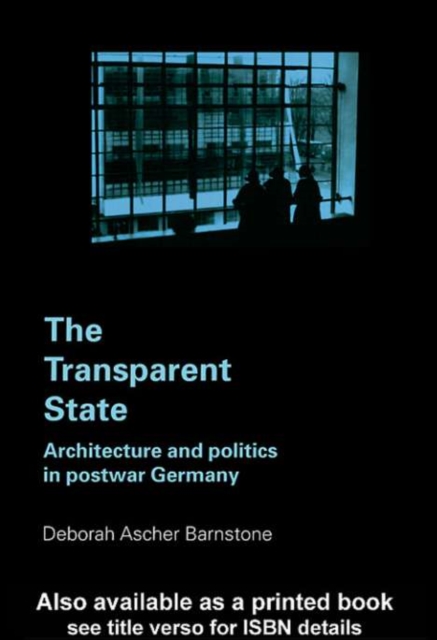
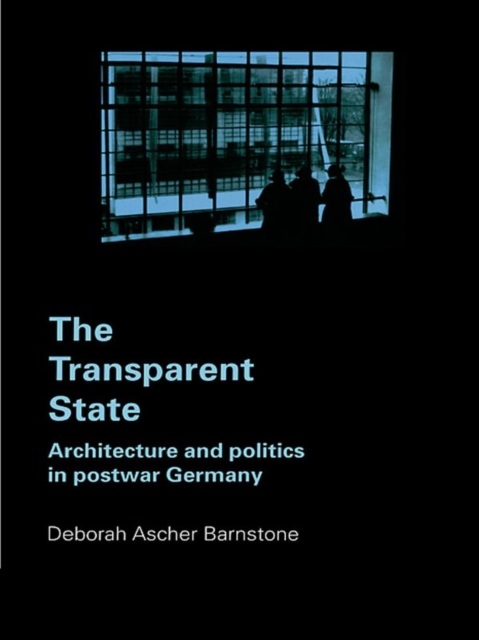
Examining the transformation of transparency as a metaphor in West German political thought to an analogy for democratic architecture, this bookquestions the prevailing assumption in German architectural circles that transparency in governmental buildings can be equated with openness, accessibility and greater democracy.
Examining the transformation of transparency as a metaphor in West German political thought to an analogy for democratic architecture, this bookquestions the prevailing assumption in German architectural circles that transparency in governmental buildings can be equated with openness, accessibility and greater democracy.
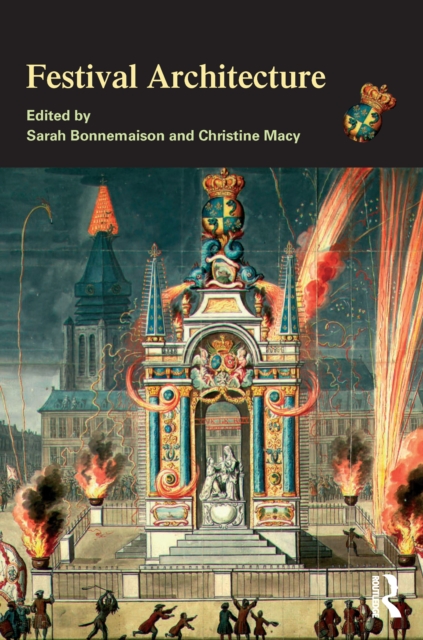
With contributions from provocative art and architectural historians, this book is a unique exposition of the temporary architecture erected for festivals and the role it has played in developing Western architectural and urban theory.
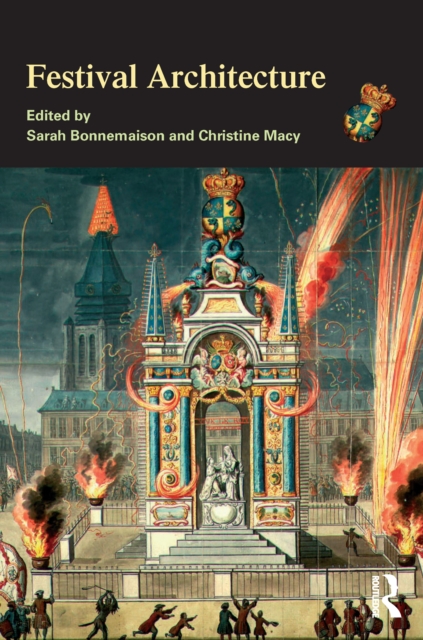
With contributions from provocative art and architectural historians, this book is a unique exposition of the temporary architecture erected for festivals and the role it has played in developing Western architectural and urban theory.
Understanding Art is a two-volume, fully illustrated work that strives to explain and discuss four important periods in the history of western art--the Romanesque, Gothic, Renaissance, and Baroque.
Understanding Art is a two-volume, fully illustrated work that strives to explain and discuss four important periods in the history of western art--the Romanesque, Gothic, Renaissance, and Baroque.
One of the trends in twentieth century architecture and planning has been to denigrate and ignore the site, or larger context (both physical and social), surrounding a building or set of buildings.
One of the trends in twentieth century architecture and planning has been to denigrate and ignore the site, or larger context (both physical and social), surrounding a building or set of buildings.
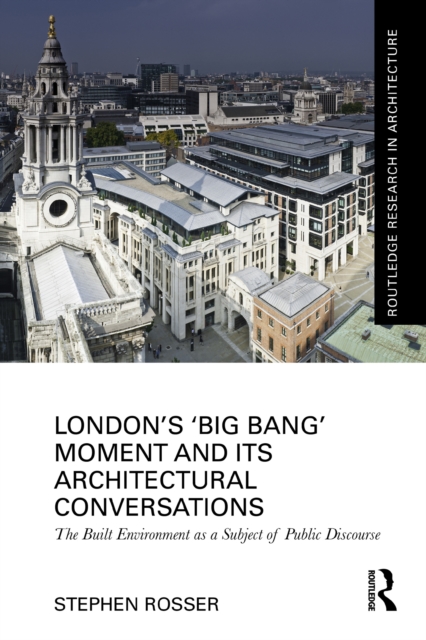
This book explores the topic of architecture as a component of public discourse, focussing on the reception of four high-profile developments in the City of London (the UK capital's financial district) dating from the final years of the twentieth century.
Because she devoted much of her life to exploring the relationships that exist between people and their built environment, Edith Wharton developed a set of philosophies that she expressed in many arenas, including interior design, architecture, and landscaping.
Because she devoted much of her life to exploring the relationships that exist between people and their built environment, Edith Wharton developed a set of philosophies that she expressed in many arenas, including interior design, architecture, and landscaping.
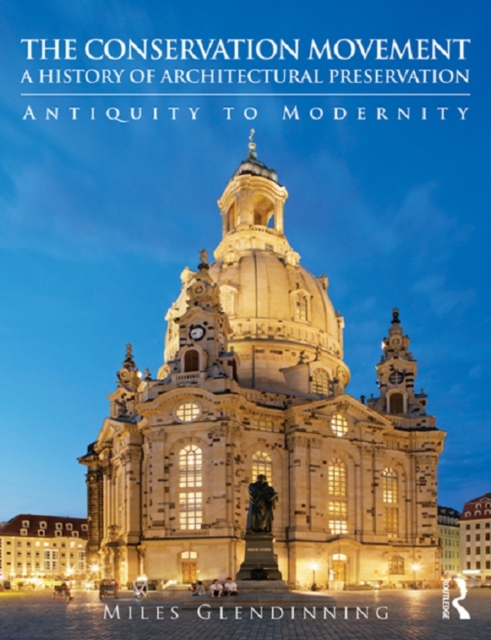
The Society for the Protection of Ancient Buildings, founded by artist and craftsman William Morris in 1877, sought to preserve the integrity of historic buildings by preventing unnecessary repairs and additions.
The Society for the Protection of Ancient Buildings, founded by artist and craftsman William Morris in 1877, sought to preserve the integrity of historic buildings by preventing unnecessary repairs and additions.
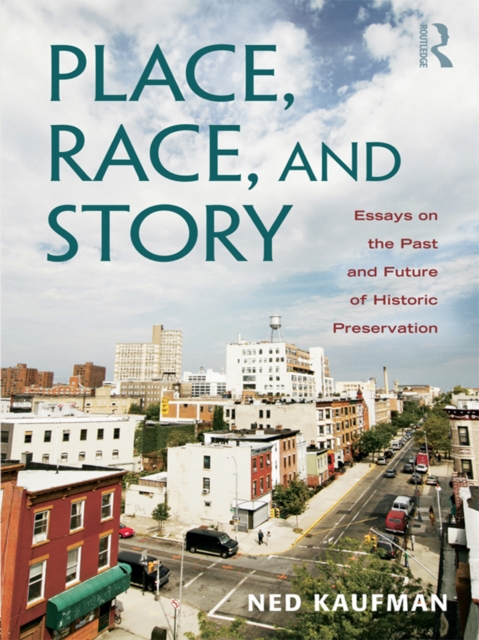
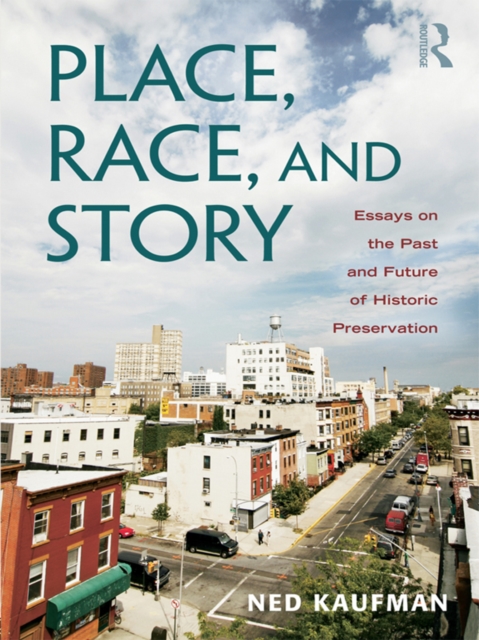
In Place, Race, and Story, author Ned Kaufman has collected his own essays dedicated to the proposition of giving the next generation of preservationists not only a foundational knowledge of the field of study, but more ideas on where they can take it.
In Place, Race, and Story, author Ned Kaufman has collected his own essays dedicated to the proposition of giving the next generation of preservationists not only a foundational knowledge of the field of study, but more ideas on where they can take it.
The Bureaucracy of Beauty is a wide-ranging work of cultural theory that connects literary studies, postcoloniality, the history of architecture and design, and the history and present of empire.
The Bureaucracy of Beauty is a wide-ranging work of cultural theory that connects literary studies, postcoloniality, the history of architecture and design, and the history and present of empire.
This important work, now available in paperback, from Professor Geoffrey Broadbent, provides a clear analysis of the nature of many of today's design problems, identifying their causes in history and suggesting a basis for co-ordinated solutions.
This important work, now available in paperback, from Professor Geoffrey Broadbent, provides a clear analysis of the nature of many of today's design problems, identifying their causes in history and suggesting a basis for co-ordinated solutions.
This examination of a phenomenon of 19th century planning traces the origins, implementation, international transference and adoption of the Garden City idea.
This examination of a phenomenon of 19th century planning traces the origins, implementation, international transference and adoption of the Garden City idea.
These essays, written over a third of a century during a time of huge ideological, technological and methodological upheaval, witness British architecture's unceasing negotation with a vast and rigorous set of constraints and its eventual emergence as a truly modern profession - a special interest group responsive and answerable to social changes but shaped and informed by values and principles that may be on a longer cycle and perhaps a loftier plane.
These essays, written over a third of a century during a time of huge ideological, technological and methodological upheaval, witness British architecture's unceasing negotation with a vast and rigorous set of constraints and its eventual emergence as a truly modern profession - a special interest group responsive and answerable to social changes but shaped and informed by values and principles that may be on a longer cycle and perhaps a loftier plane.
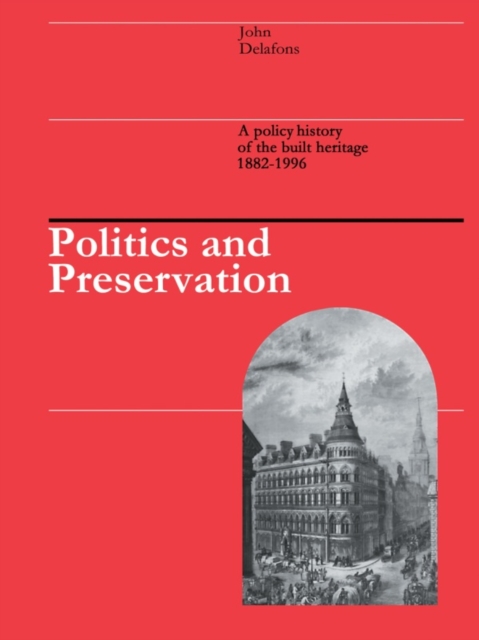
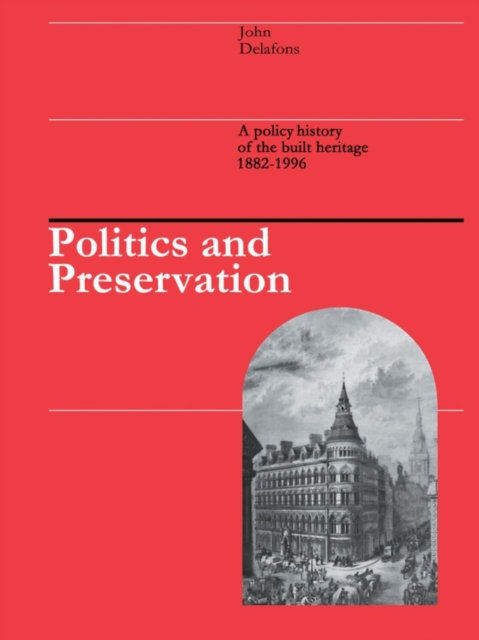
This book traces the policy history of urban conservation and its relationship to the town planning process and both are set in their political context.
This book traces the policy history of urban conservation and its relationship to the town planning process and both are set in their political context.
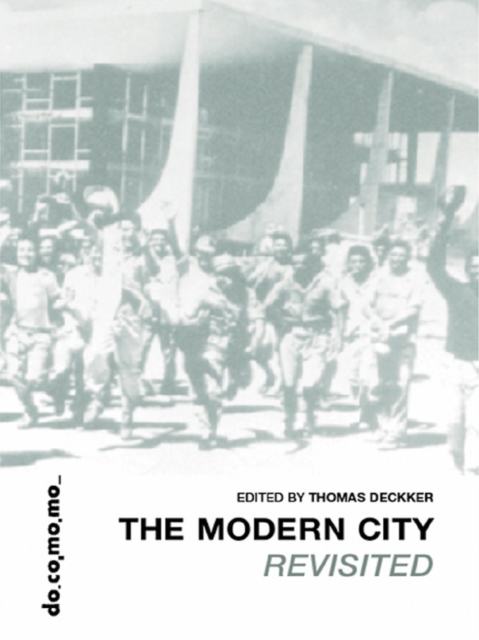
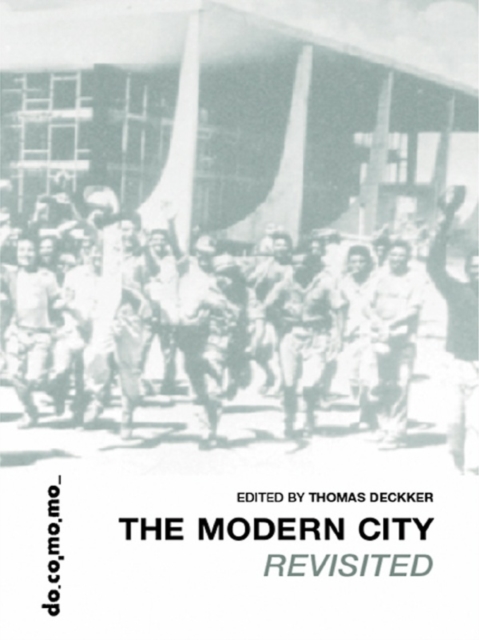
The supposed rationality of the urban planning of the Modern Movement encompassed a variety of attitudes towards history, technology and culture, from the vision of Berlin as an American metropolis, through the dispute between the urbanists and disurbanists in the Soviet Union to the technocratic and austere vision of Le Corbusier.
The supposed rationality of the urban planning of the Modern Movement encompassed a variety of attitudes towards history, technology and culture, from the vision of Berlin as an American metropolis, through the dispute between the urbanists and disurbanists in the Soviet Union to the technocratic and austere vision of Le Corbusier.
This handbook provides readers with a well-illustrated and readable comparative guide to proportion systems in architecture, setting out the mathematical principles that underlie the main systems and illustrating these with examples of their use in historical and modern buildings.
This handbook provides readers with a well-illustrated and readable comparative guide to proportion systems in architecture, setting out the mathematical principles that underlie the main systems and illustrating these with examples of their use in historical and modern buildings.
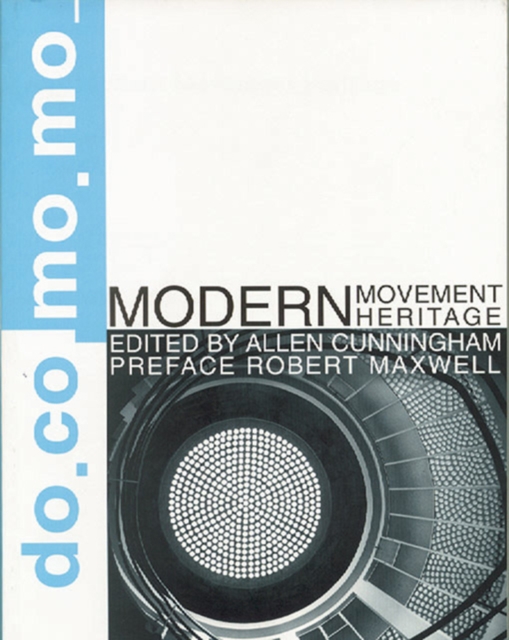
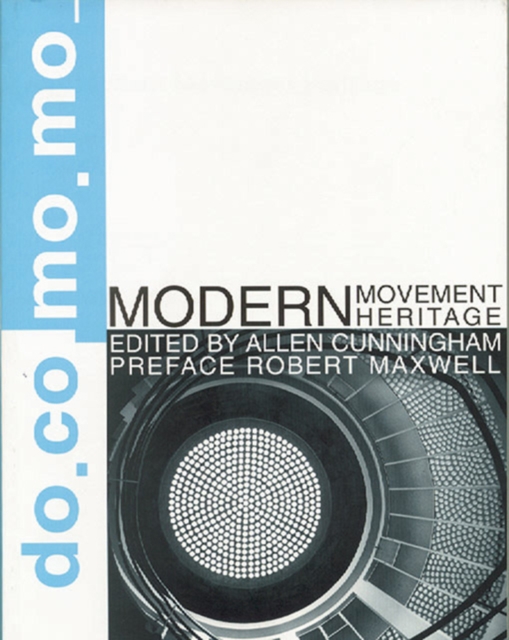
This collection of essays serves as an introduction to modern architectural heritage and the specific problems related to the conservation of modern structures.
This collection of essays serves as an introduction to modern architectural heritage and the specific problems related to the conservation of modern structures.