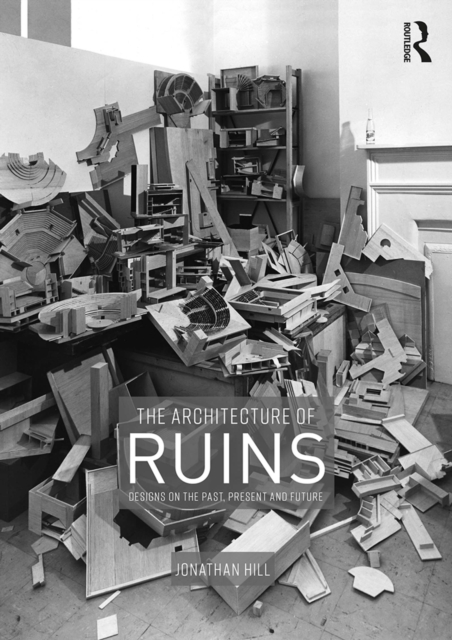
The Architecture of Ruins: Designs on the Past, Present and Future identifies an alternative and significant history of architecture from the sixteenth century to the twenty-first century, in which a building is designed, occupied and imagined as a ruin.
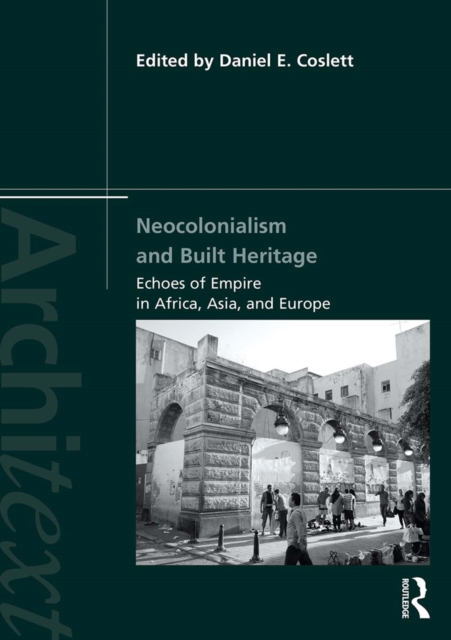
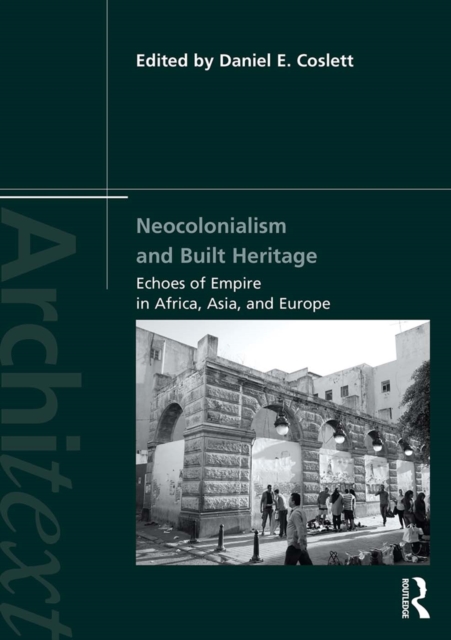
Architectural relics of nineteenth and twentieth-century colonialism dot cityscapes throughout our globalizing world, just as built traces of colonialism remain embedded within the urban fabric of many European capitals.
Architectural relics of nineteenth and twentieth-century colonialism dot cityscapes throughout our globalizing world, just as built traces of colonialism remain embedded within the urban fabric of many European capitals.
Homes fit for Heroes looks at the pledge made 100 years ago by the Lloyd George government to build half a million 'homes fit for heroes' - the pledge which made council housing a major part of the housing system in the UK.
Homes fit for Heroes looks at the pledge made 100 years ago by the Lloyd George government to build half a million 'homes fit for heroes' - the pledge which made council housing a major part of the housing system in the UK.
First published in 1997, this collection includes papers on Crusader-era architecture in Palestine with a focus on 'Atlit, the castle of 'Ajlun and on the Citadel of Jerusalem, both the papers and sites of which have previously been difficult to access.
First published in 1997, this collection includes papers on Crusader-era architecture in Palestine with a focus on 'Atlit, the castle of 'Ajlun and on the Citadel of Jerusalem, both the papers and sites of which have previously been difficult to access.
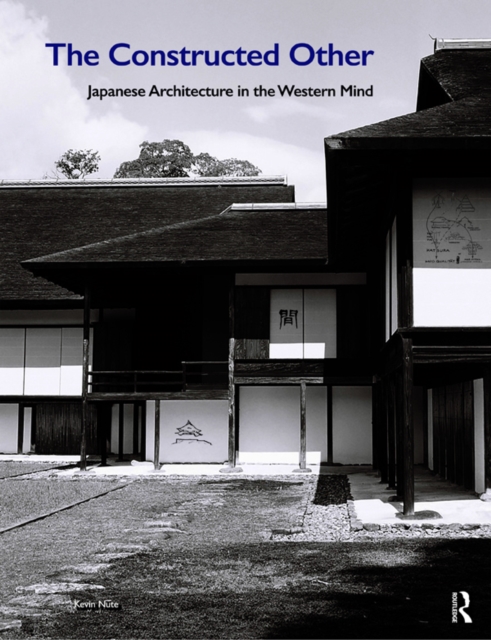
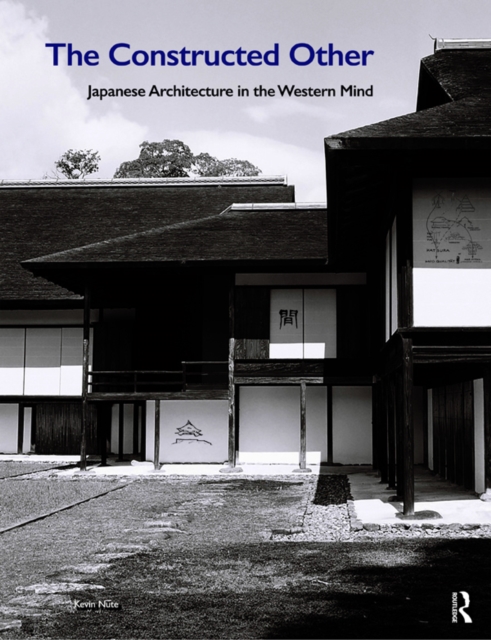
The Constructed Other argues that the assumed otherness of Japanese architecture has made it both a testbed for Western architectural theories and a source of inspiration for Western designers.
The Constructed Other argues that the assumed otherness of Japanese architecture has made it both a testbed for Western architectural theories and a source of inspiration for Western designers.
With the continued growth of PhD programs in architecture and the simultaneous broadening of approaches, InterVIEWS: Insights and Introspection on Doctoral Research in Architecture begins a timely survey into contemporary research at academic institutions internationally, in the context of the expanding landscape of architectural inquiry.
With the continued growth of PhD programs in architecture and the simultaneous broadening of approaches, InterVIEWS: Insights and Introspection on Doctoral Research in Architecture begins a timely survey into contemporary research at academic institutions internationally, in the context of the expanding landscape of architectural inquiry.
This beautifully produced survey of over a thousand years of Western art and architecture introduces the reader to a vast period of history ranging from ancient Rome to the age of exploration.
Organized chronologically from early Renaissance precursors to the Mannerist movement, from Giotto to Titian, Key Monuments of the Italian Renaissance describes and analyzes in depth from various points of view major works and major artists, from the fourteenth to the sixteenth centuries.
This beautifully produced survey of over a thousand years of Western art and architecture introduces the reader to a vast period of history ranging from ancient Rome to the age of exploration.
Organized chronologically from early Renaissance precursors to the Mannerist movement, from Giotto to Titian, Key Monuments of the Italian Renaissance describes and analyzes in depth from various points of view major works and major artists, from the fourteenth to the sixteenth centuries.
This edited volume considers the ways in which multiple stages, phases, or periods in an artistic or design process have served to arrive at the final artifact, with a focus on the meaning and use of the iteration.
This edited volume considers the ways in which multiple stages, phases, or periods in an artistic or design process have served to arrive at the final artifact, with a focus on the meaning and use of the iteration.
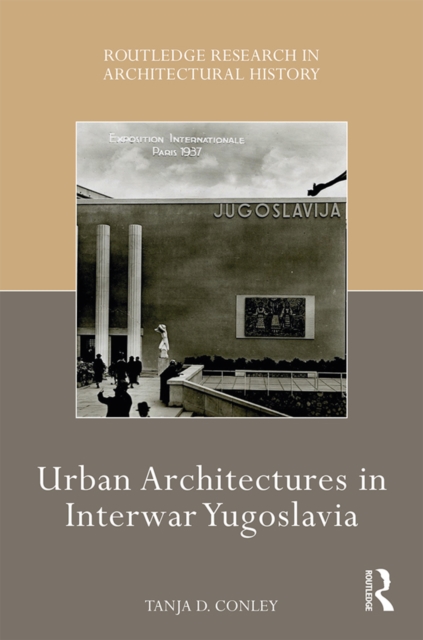
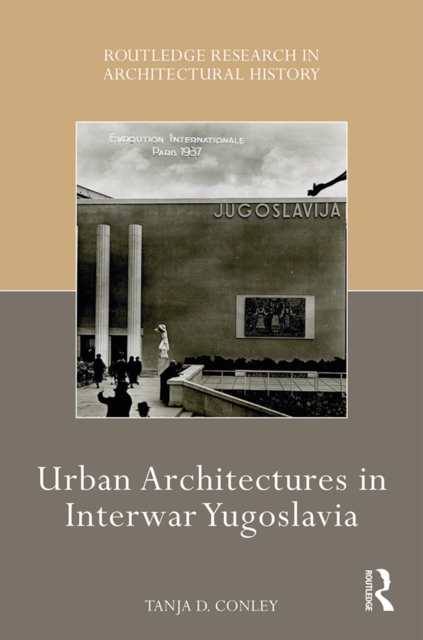
Resulting from a twenty-year period of research, this book seeks to challenge contradictions between the concepts of national and modern architectures promoted among the most pronounced national groups of Yugoslavia: Serbs, Croats and Slovenes.
Resulting from a twenty-year period of research, this book seeks to challenge contradictions between the concepts of national and modern architectures promoted among the most pronounced national groups of Yugoslavia: Serbs, Croats and Slovenes.
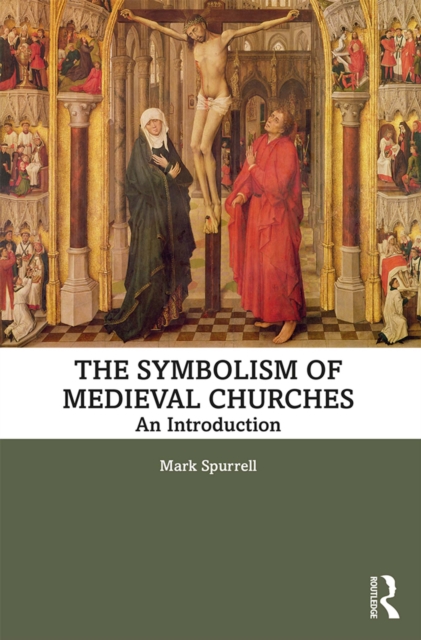
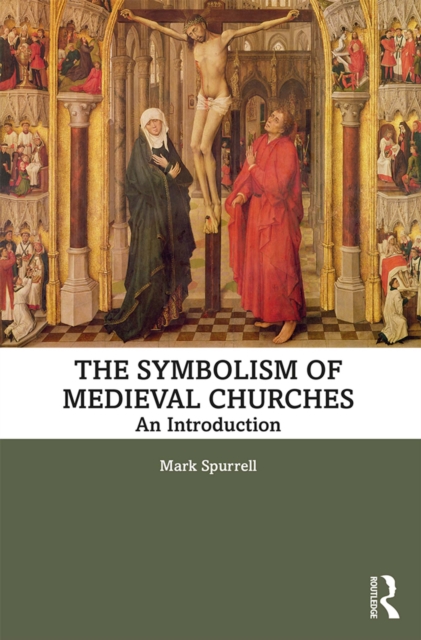
The Symbolism of Medieval Churches: An Introduction explores the ways in which the medieval church building and key features of it were used as symbols, particularly to represent different relationships within the Church and the virtues of the Christian life.
The Symbolism of Medieval Churches: An Introduction explores the ways in which the medieval church building and key features of it were used as symbols, particularly to represent different relationships within the Church and the virtues of the Christian life.
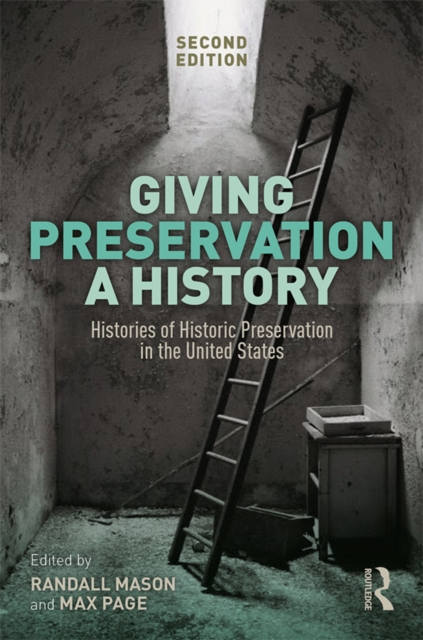
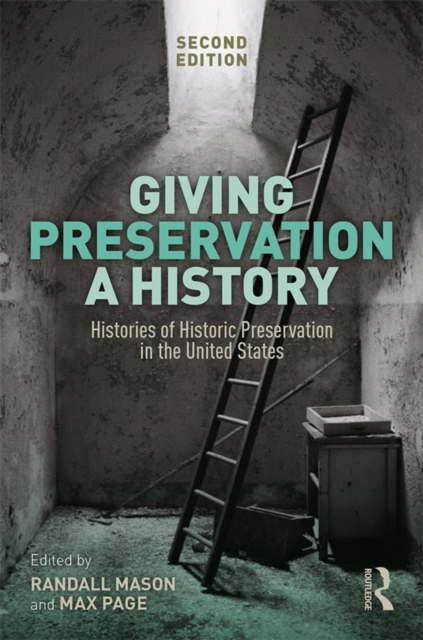
In this volume, some of the leading figures in the field have been brought together to write on the roots of the historic preservation movement in the United States, ranging from New York to Santa Fe, Charleston to Chicago.
In this volume, some of the leading figures in the field have been brought together to write on the roots of the historic preservation movement in the United States, ranging from New York to Santa Fe, Charleston to Chicago.
Conservation in the built environment raises fundamental questions which have been debated for centuries - what is worth preserving, how is it possible, why is it important?
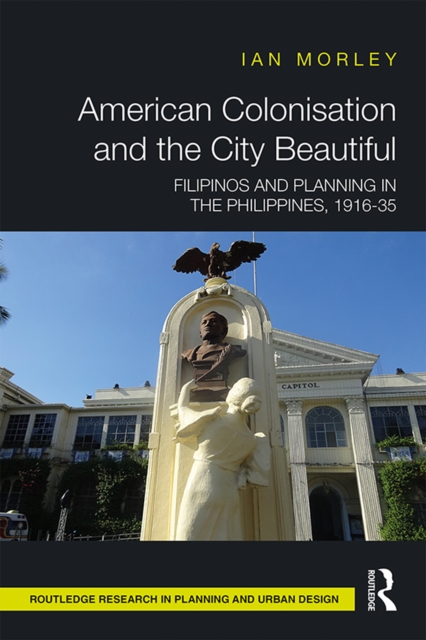
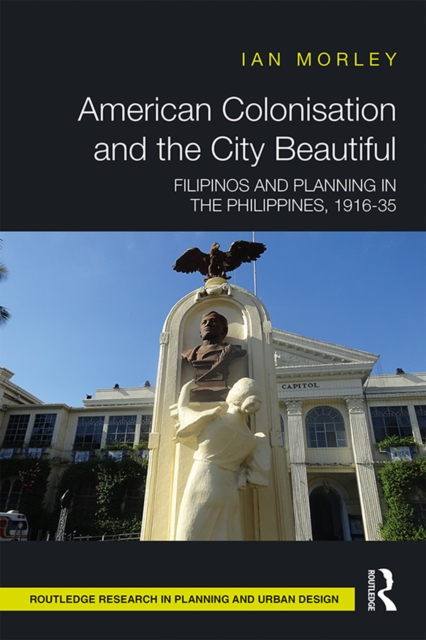
Winner of the 2020 IPHS Koos Bosma PrizeAmerican Colonisation and the City Beautiful explores the history of city planning and the evolution of the built environment in the Philippines between 1916 and 1935.
Originally published in 2014, The Shaping of London chronologically examines the likely impact of wars, dynastic struggles, demographic change and economic growth on the physical fabric of London.
Conservation in the built environment raises fundamental questions which have been debated for centuries - what is worth preserving, how is it possible, why is it important?
Winner of the 2020 IPHS Koos Bosma PrizeAmerican Colonisation and the City Beautiful explores the history of city planning and the evolution of the built environment in the Philippines between 1916 and 1935.
Originally published in 2014, The Shaping of London chronologically examines the likely impact of wars, dynastic struggles, demographic change and economic growth on the physical fabric of London.
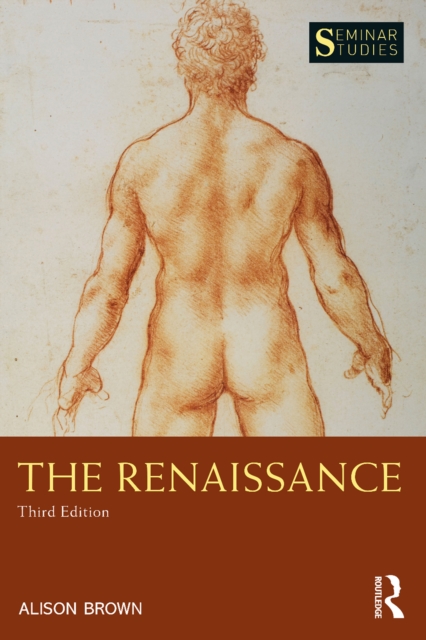
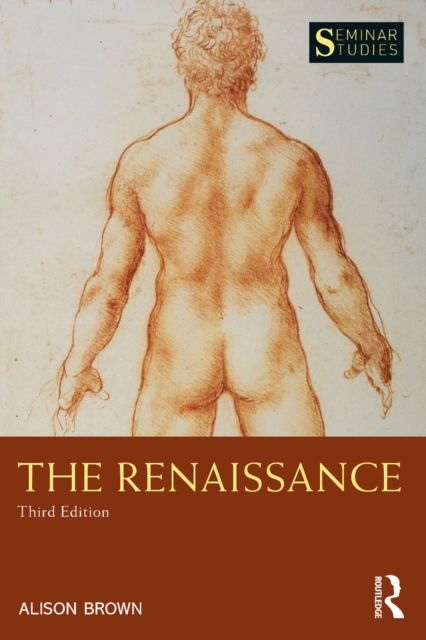
The Renaissance, now in its third edition, engages with earlier and current debates about the Renaissance, especially concerning its 'modernity', its elitism and gender bias and its globalism.
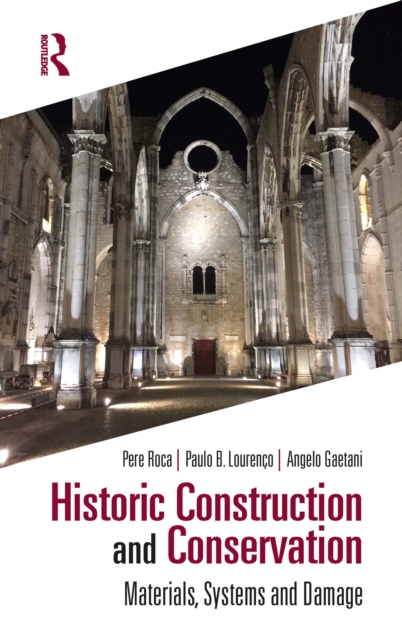
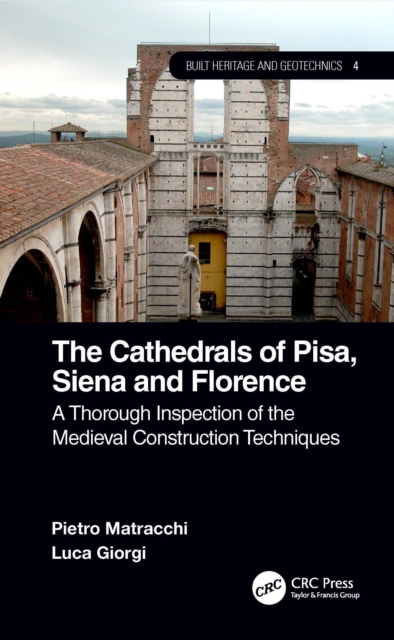
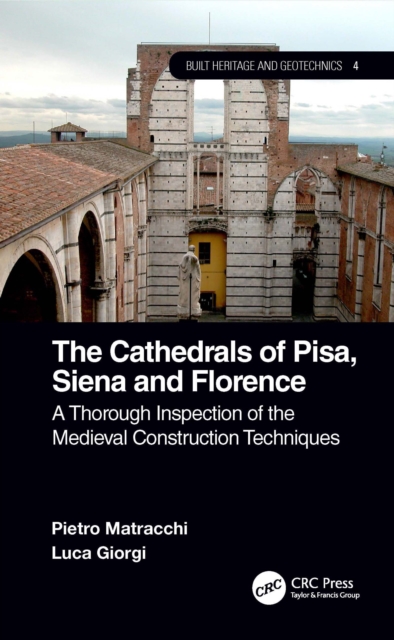
The construction techniques and concepts of the cathedrals of Pisa, Siena and Florence are examined in detail, based on new data and using a methodological architectural diagnostics approach.
Published in 1967: When first published forty years ago, this now well-known study was regarded as something of a pioneering venture in the field of visual romanticism.
The Renaissance, now in its third edition, engages with earlier and current debates about the Renaissance, especially concerning its 'modernity', its elitism and gender bias and its globalism.
The construction techniques and concepts of the cathedrals of Pisa, Siena and Florence are examined in detail, based on new data and using a methodological architectural diagnostics approach.
Published in 1967: When first published forty years ago, this now well-known study was regarded as something of a pioneering venture in the field of visual romanticism.
Originally published in 1848, according to the author, 'every person has an individual interest in Architecture as a useful art, and all who cultivate a taste of the Fine Arts must give it a high place among them.