Published in 1967: When first published forty years ago, this now well-known study was regarded as something of a pioneering venture in the field of visual romanticism.
Originally published in 1848, according to the author, 'every person has an individual interest in Architecture as a useful art, and all who cultivate a taste of the Fine Arts must give it a high place among them.
Originally published in 1848, according to the author, 'every person has an individual interest in Architecture as a useful art, and all who cultivate a taste of the Fine Arts must give it a high place among them.
Originally published in 1984, The Image of the Middle Ages in Romantic and Victorian Literature looks at the impact of medievalism in the 18th and 19th centuries and the importance of post-Enlightenment literary religious medievalism.
Originally published in 1984, The Image of the Middle Ages in Romantic and Victorian Literature looks at the impact of medievalism in the 18th and 19th centuries and the importance of post-Enlightenment literary religious medievalism.
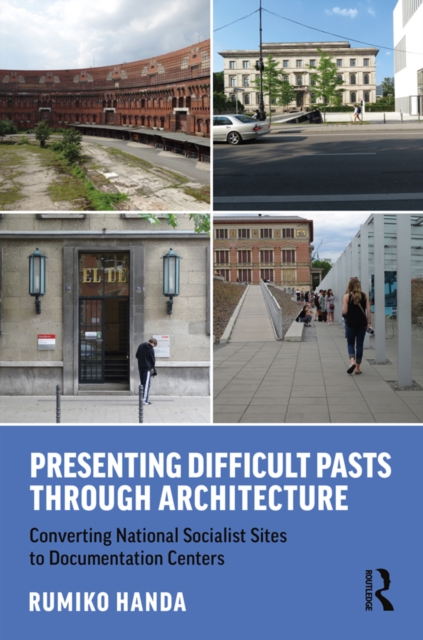
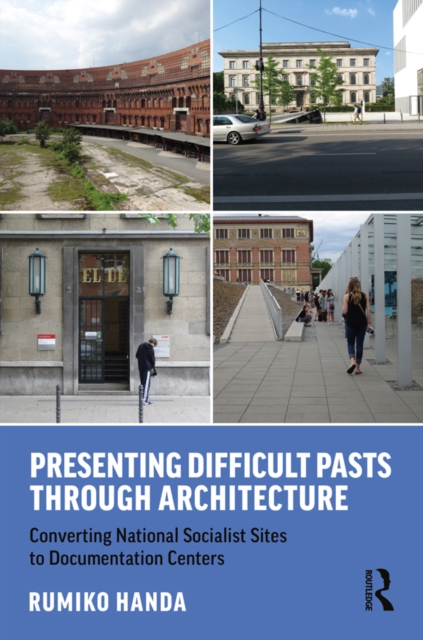
Architectural design can play a role in helping make the past present in meaningful ways when applied to preexisting buildings and places that carry notable and troubling pasts.
Computer Architectures is a collection of multidisciplinary historical works unearthing sites, concepts, and concerns that catalyzed the cross-contamination of computers and architecture in the mid-20th century.
Originally published in 1979, Gold Was the Mortar details the financing and the building of the medieval cathedrals at Paris, Amiens, Toulouse, Lyon, Strasbourg, York, Poitiers and Rouen.
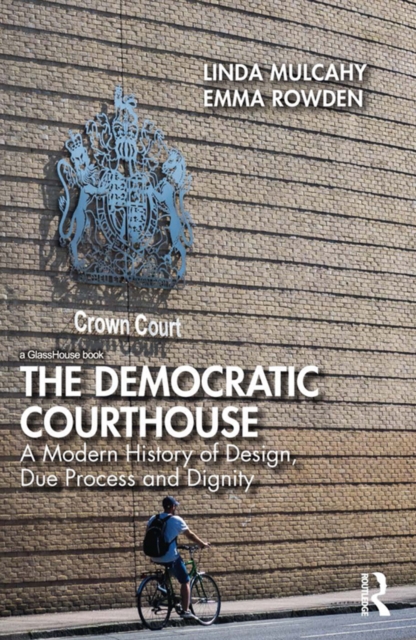
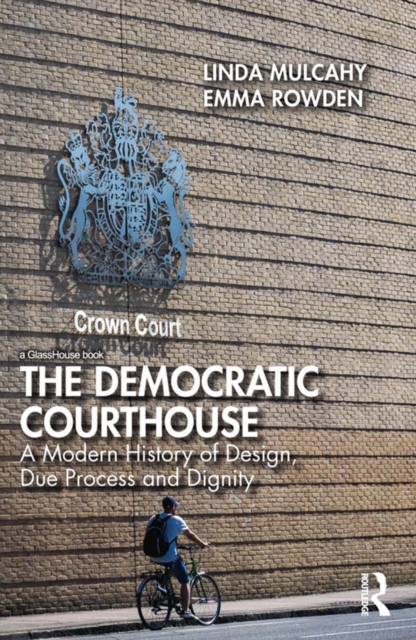
The Democratic Courthouse examines how changing understandings of the relationship between government and the governed came to be reflected in the buildings designed to house the modern legal system from the 1970s to the present day in England and Wales.
***Winner of the 2023 BTES Book Award*** Architectural Terra Cotta examines the evolution of terra cotta and prepares architects and builders to make new, creative uses of the timeless material.
Computer Architectures is a collection of multidisciplinary historical works unearthing sites, concepts, and concerns that catalyzed the cross-contamination of computers and architecture in the mid-20th century.
Originally published in 1979, Gold Was the Mortar details the financing and the building of the medieval cathedrals at Paris, Amiens, Toulouse, Lyon, Strasbourg, York, Poitiers and Rouen.
The Democratic Courthouse examines how changing understandings of the relationship between government and the governed came to be reflected in the buildings designed to house the modern legal system from the 1970s to the present day in England and Wales.
***Winner of the 2023 BTES Book Award*** Architectural Terra Cotta examines the evolution of terra cotta and prepares architects and builders to make new, creative uses of the timeless material.
Architectural design can play a role in helping make the past present in meaningful ways when applied to preexisting buildings and places that carry notable and troubling pasts.
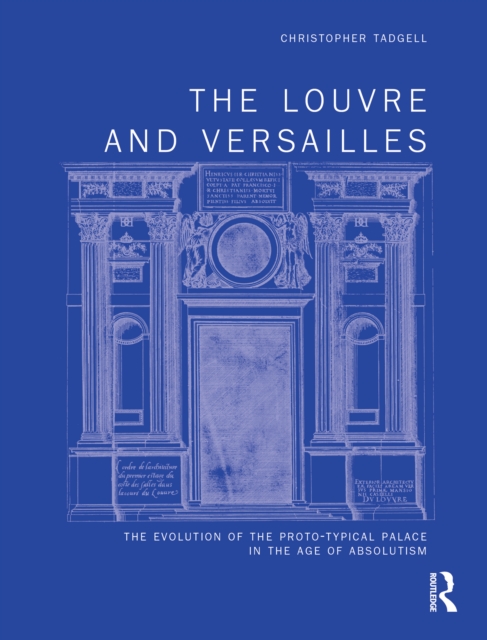
In tracing the evolution of the Louvre from fortress to palace and of Versailles from hunting domain to dynastic capital, Dr Tadgell's detailed architectural analysis of many projects - external and internal, realised and unrealised - is set in the context of the development of the medieval monarchy towards absolutism, of the development of the medieval chateau towards precedents for the seat of absolutism, and of the effect of the French monarchy's financial incontinence on the realisation of royal building ambitions.
In tracing the evolution of the Louvre from fortress to palace and of Versailles from hunting domain to dynastic capital, Dr Tadgell's detailed architectural analysis of many projects - external and internal, realised and unrealised - is set in the context of the development of the medieval monarchy towards absolutism, of the development of the medieval chateau towards precedents for the seat of absolutism, and of the effect of the French monarchy's financial incontinence on the realisation of royal building ambitions.
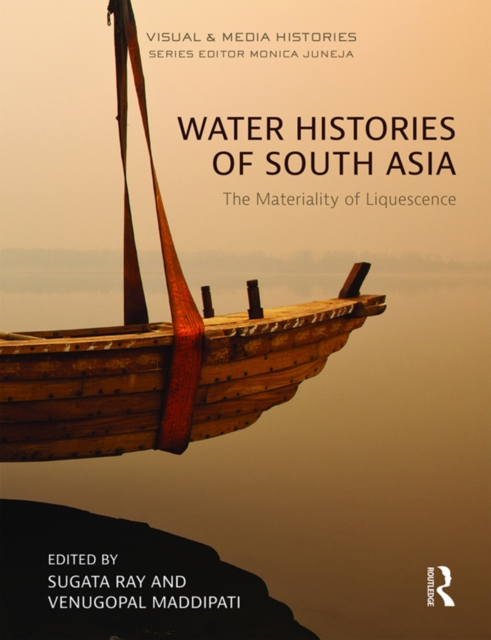
This book surveys the intersections between water systems and the phenomenology of visual cultures in early modern, colonial and contemporary South Asia.
This book surveys the intersections between water systems and the phenomenology of visual cultures in early modern, colonial and contemporary South Asia.
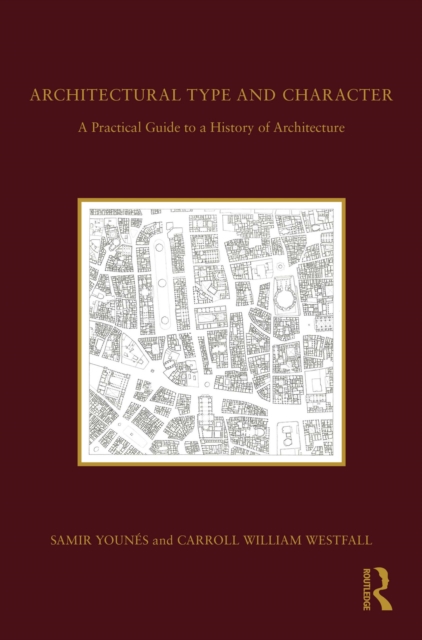
Architectural Type and Character provides an alternative perspective to the current role given to history in architecture, reunifying architectural history and architectural design to reform architectural discourse and practice.
Architectural Type and Character provides an alternative perspective to the current role given to history in architecture, reunifying architectural history and architectural design to reform architectural discourse and practice.
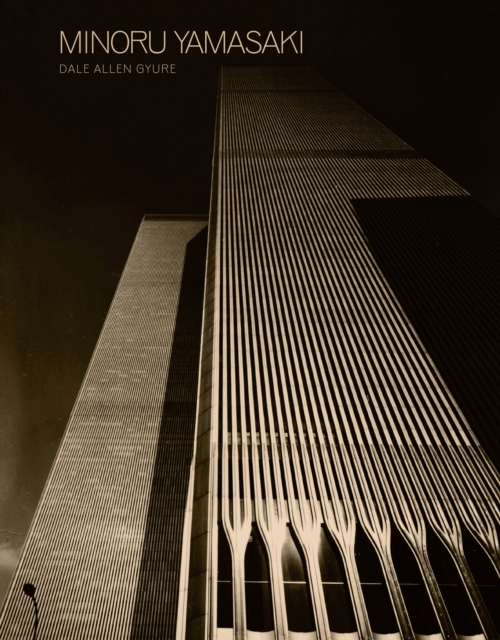
The first book to reevaluate the evocative and polarizing work of one of midcentury America’s most significant architects Born to Japanese immigrant parents in Seattle, Minoru Yamasaki (1912–1986) became one of the towering figures of midcentury architecture, even appearing on the cover of Time magazine in 1963.
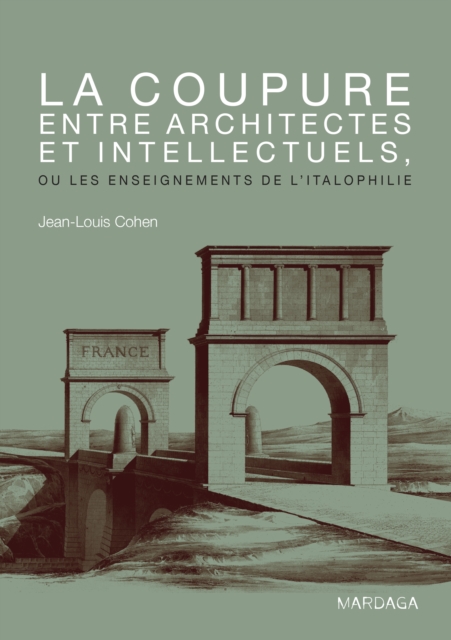
Confronter les codes et les écoles artistiques entre la France et l'Italie en matière d'urbanisme
Dans cet ouvrage initialement publié en 1984 et rapidement devenu introuvable, Jean-Louis Cohen analyse un moment-clé pour la théorie et la pratique de l’architecture contemporaine, marqué par les échanges intenses des années 1970 entre l’Italie et la France.
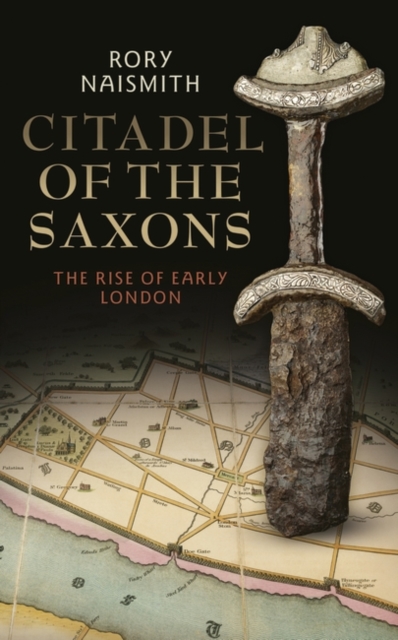
With a past as deep and sinewy as the famous River Thames that twists like an eel around the jutting peninsula of Mudchute and the Isle of Dogs, London is one of the world's greatest and most resilient cities.
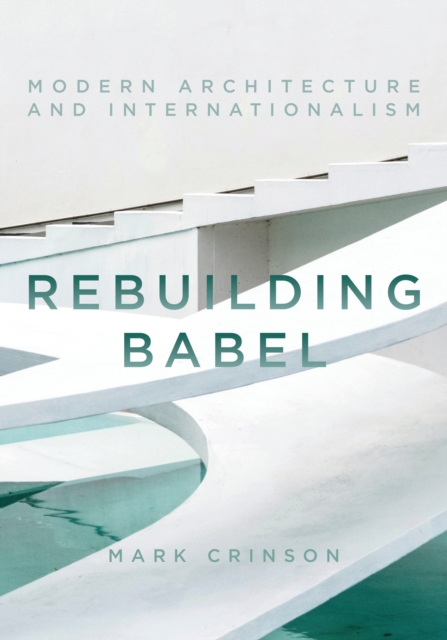
Much of modernist architecture was inspired by the emergence of internationalism: the ethics and politics of world peace, justice and unity through global collaboration.
Architecture and urban planning have always been used by political regimes to stamp their ideologies upon cities, and this is especially the case in the modern Turkish Republic.
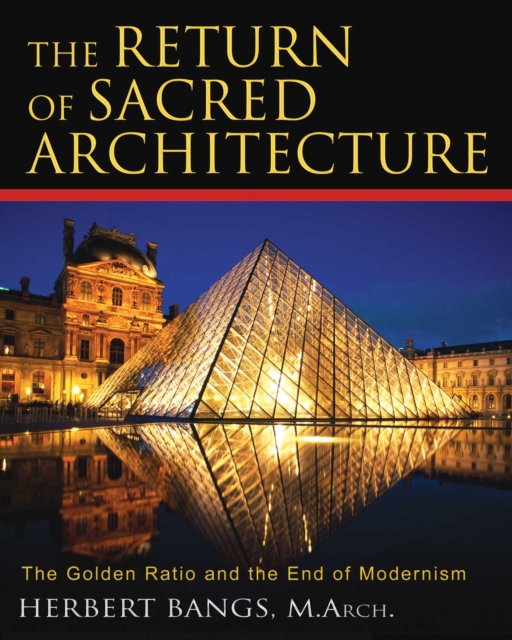
An inspirational call for a return to the tenets of traditional architecture as a remedy for the dehumanizing standards of modern architecture Explains how modern architecture is emblematic of our current estrangement from the spiritual principles that shaped humanitys greatest civilizations Reveals how the ancient laws of sacred proportion and harmony can be restored The ugly buildings that characterize the modern landscape are inferior not only to the great cathedrals of medieval Europe and the temples of ancient Egypt and Greece, but even to lesser buildings of the more recent past.
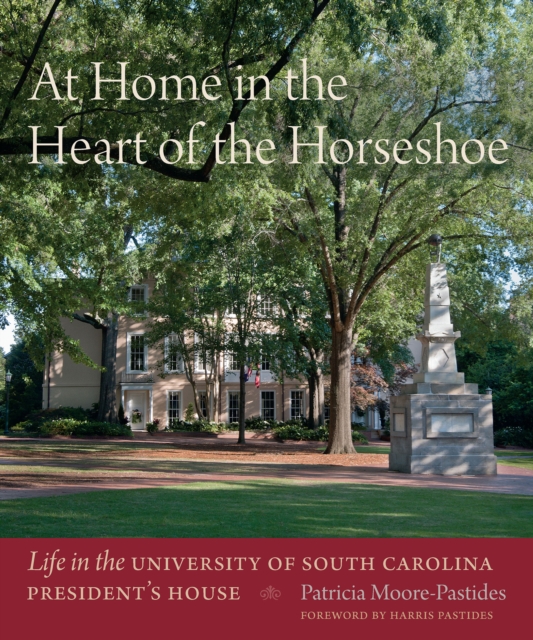
A pictorial and narrative tour of a historic landmark at the center of the university's original campusThe University of South Carolina was founded in 1801 on a modest parcel of land now called the Horseshoe.
This interdisciplinary collection of case studies rethinks corporate patronage in the United States and reveals the central role corporations have played in shaping American culture.
This interdisciplinary collection of case studies rethinks corporate patronage in the United States and reveals the central role corporations have played in shaping American culture.
Unsettling traditional understandings of housing reform as focused on the nuclear family with dependent children, Single People and Mass Housing in Germany, 1850-1930 is the first complete study of single-person mass housing in Germany and the pivotal role this class- and gender-specific building type played for over 80 years-in German architectural culture and society, the transnational Progressive reform movement, Feminist discourse, and International Modernism-and its continued relevance.