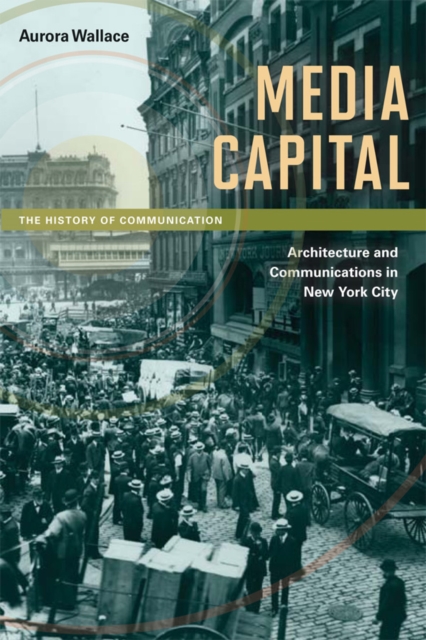
In a declaration of the ascendance of the American media industry, nineteenth-century press barons in New York City helped to invent the skyscraper, a quintessentially American icon of progress and aspiration.
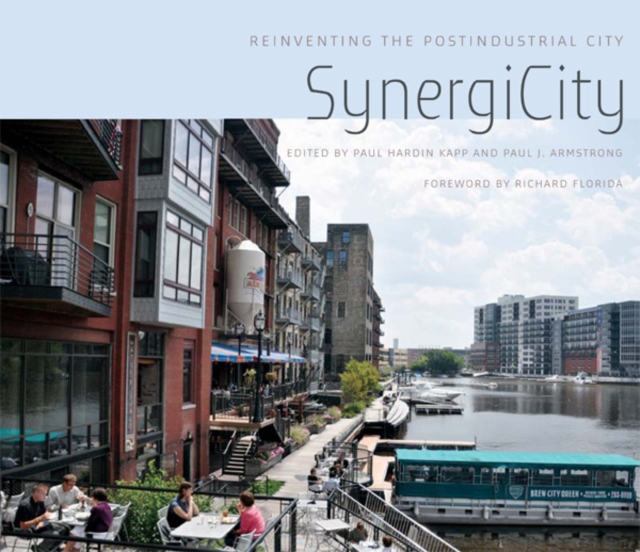
SynergiCity: Reinventing the Postindustrial City proposes a new and invigorating vision of urbanism, architectural design, and urban revitalization in twenty-first-century America.
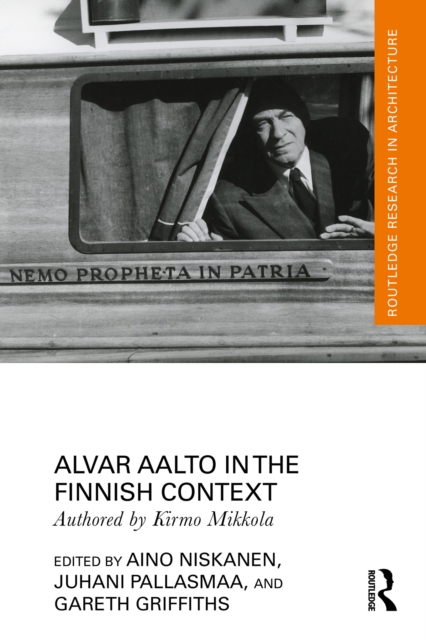
This book, first published in Finnish in 1985 under the title Aalto, is a critical introduction to Finnish architect Alvar Aalto (1898-1976), written by one of Aalto's Finnish architectural contemporaries, Kirmo Mikkola (1934-1986).
Munich, notorious in recent history as the capital of the Nazi movement, is the site of Gavriel Rosenfeld's stimulating inquiry into the German collective memory of the Third Reich.
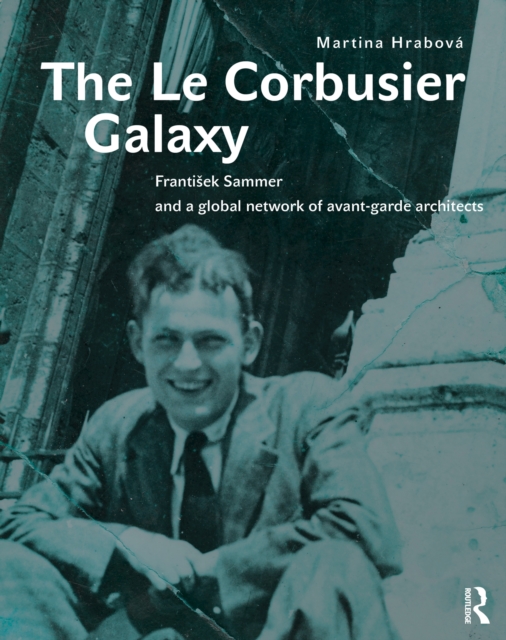
Drawing on the author's discovery of an unknown, long-forgotten collection of photographs in an Indian ashram, this book offers an exciting, new view of the international community of young architects who served as Le Corbusier's assistants in the inter-war years.
Great halls and hovels, dove-houses and sheepcotes, mountain cells and seaside shelters-these are some of the spaces in which Shakespearean characters gather to dwell, and to test their connections with one another and their worlds.
Discover and explore the most incredible statues, monuments, temples, bridges, and ancient cities with this unparalleled survey of the most famous buildings and structures ever created by humans.
The story of how the concept of a pantheon, a building honouring great individuals, spread across Revolutionary Europe and interacted with socio-political and cultural changes.
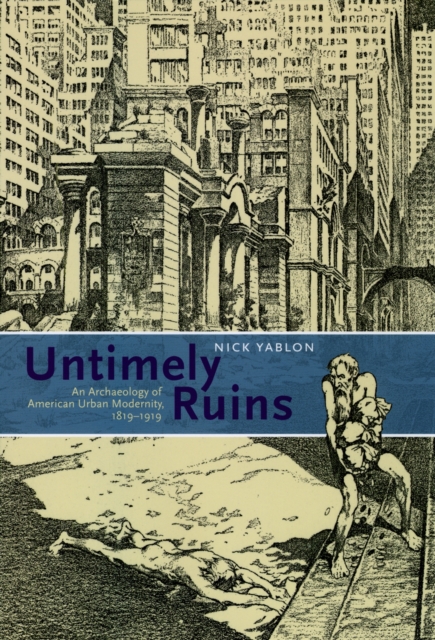
American ruins have become increasingly prominent, whether in discussions of "e;urban blight"e; and home foreclosures, in commemorations of 9/11, or in postapocalyptic movies.
In this dazzling multidisciplinary tour of Mexico City, Mauricio Tenorio-Trillo focuses on the period 1880 to 1940, the decisive decades that shaped the city into what it is today.
Arguably the most influential document in the history of urban planning, Daniel Burnham's 1909 Plan of Chicago, coauthored by Edward Bennett and produced in collaboration with the Commercial Club of Chicago, proposed many of the city's most distinctive features, including its lakefront parks and roadways, the Magnificent Mile, and Navy Pier.
Anthony Fontenot's staggeringly ambitious book uncovers the surprisingly libertarian heart of the most influential British and American architectural and urbanist discourses of the postwar period, expressed as a critique of central design and a support of spontaneous order.
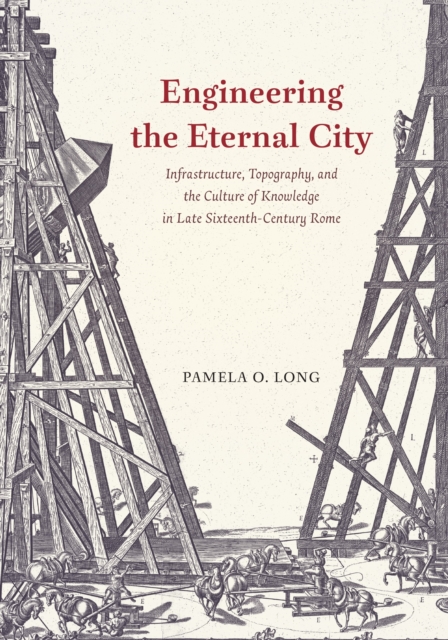
Between the catastrophic flood of the Tiber River in 1557 and the death of the "e;engineering pope"e; Sixtus V in 1590, the city of Rome was transformed by intense activity involving building construction and engineering projects of all kinds.
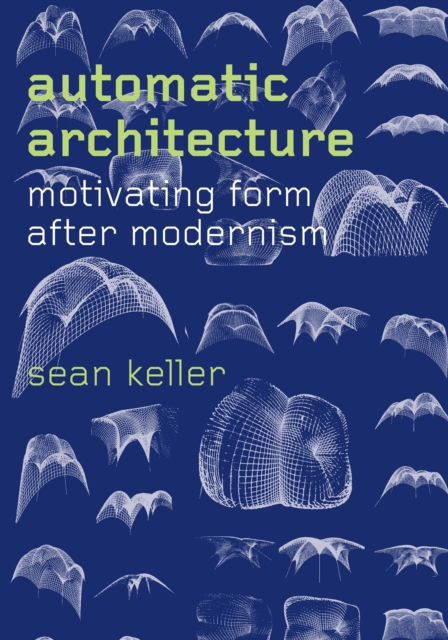
In the 1960s and '70s, architects, influenced by recent developments in computing and the rise of structuralist and poststructuralist thinking, began to radically rethink how architecture could be created.
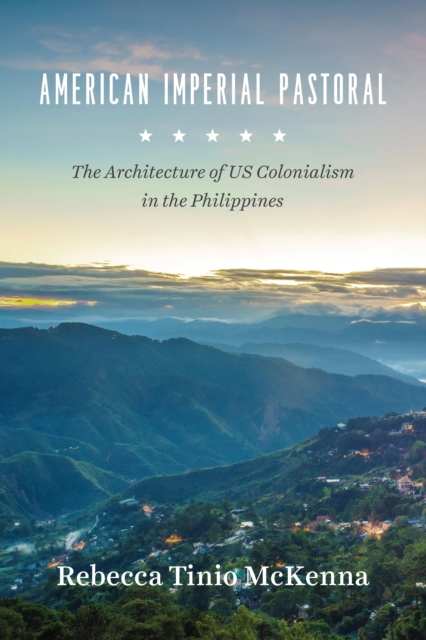
In 1904, renowned architect Daniel Burnham, the Progressive Era urban planner who famously "e;Made No Little Plans,"e; set off for the Philippines, the new US colonial acquisition.
The typical town springs up around a natural resource-a river, an ocean, an exceptionally deep harbor-or in proximity to a larger, already thriving town.
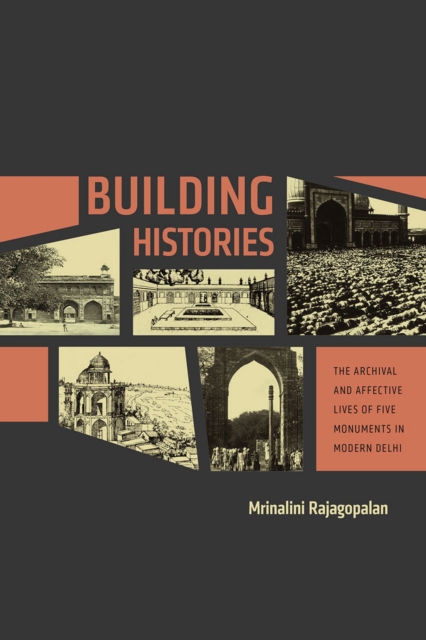
Building Histories offers innovative accounts of five medieval monuments in Delhi-the Red Fort, Rasul Numa Dargah, Jama Masjid, Purana Qila, and the Qutb complex-tracing their modern lives from the nineteenth century into the twentieth.
Great halls and hovels, dove-houses and sheepcotes, mountain cells and seaside shelters-these are some of the spaces in which Shakespearean characters gather to dwell, and to test their connections with one another and their worlds.
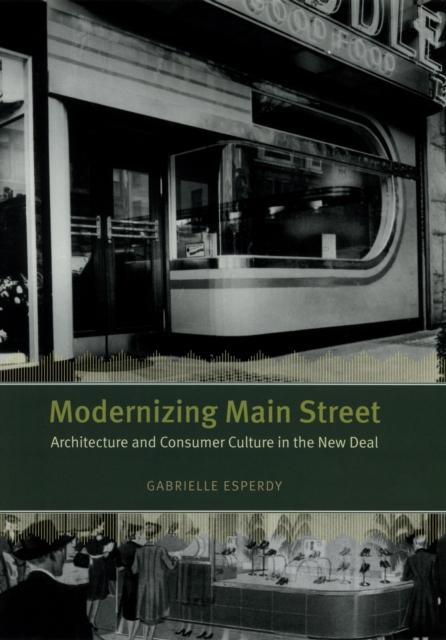
An important part of the New Deal, the Modernization Credit Plan helped transform urban business districts and small-town commercial strips across 1930s America, but it has since been almost completely forgotten.
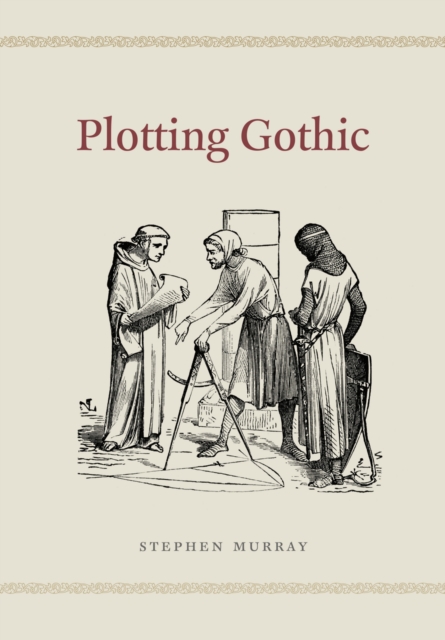
A historian of medieval art and architecture with a rich appreciation of literary studies, Stephen Murray brings all those fields to bear on a new approach to understanding the great Gothic churches of the twelfth and thirteenth centuries.
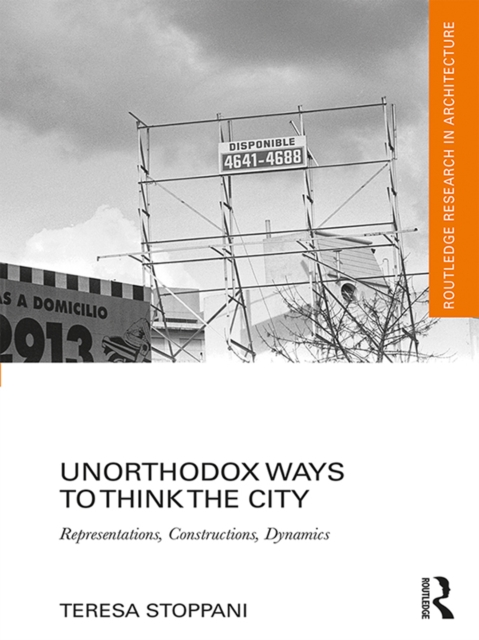
This book argues that architecture and the city and their processes can be better understood by drawing categories from disciplines that exceed the architectural and urban cultural context.
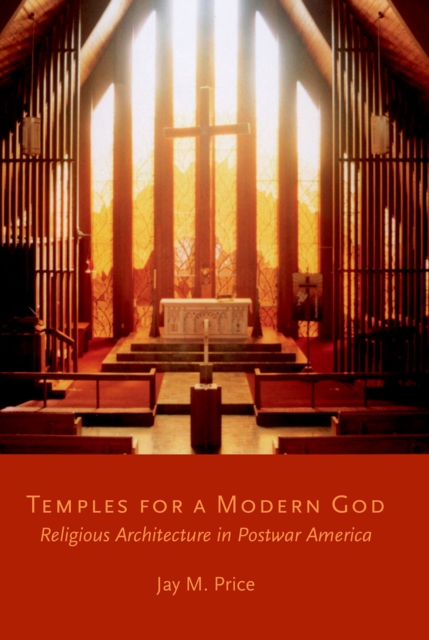
Temples for a Modern God is one of the first major studies of American religious architecture in the postwar period, and it reveals the diverse and complicated set of issues that emerged just as one of the nation's biggest building booms unfolded.
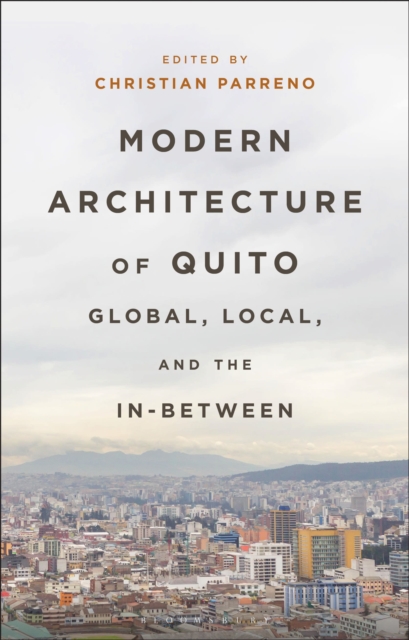
Situated at the crossroads of the foreign and the vernacular, Quito-the capital of Ecuador, with its world-famous yet understudied built environment-stands as a testament to architectural in-betweenness.
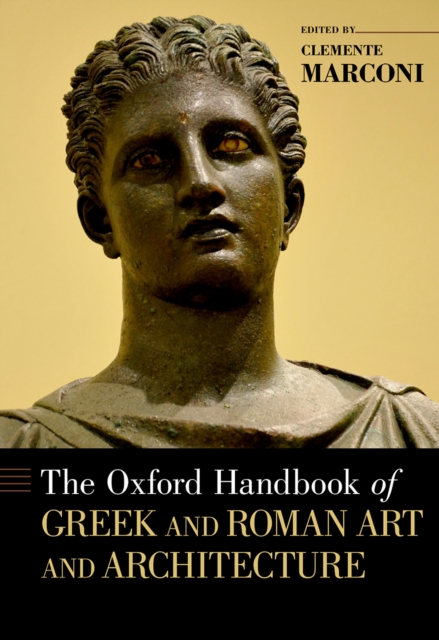
The study of Greek and Roman Art and Architecture has a long history that goes back to the second half of the 18th century and has provided an essential contribution towards the creation and the definition of the wider disciplines of Art History and Architectural History.
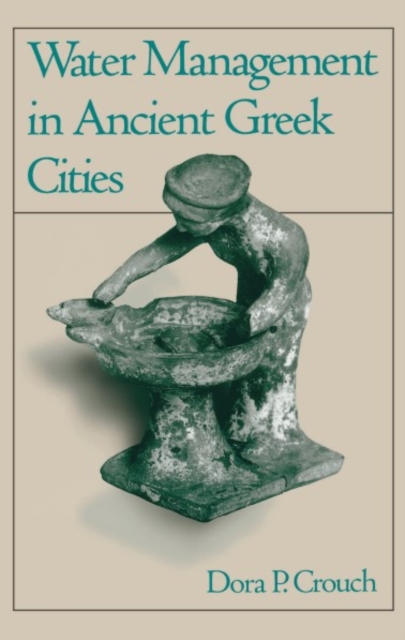
Focusing on the Mediterranean area where water management is crucial, this pioneering study is the first to show how the supply, distribution, and drainage of water contributed to the urbanization of ancient cities.
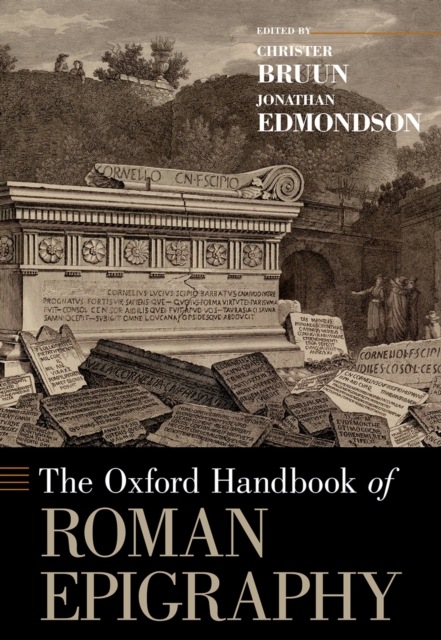
Epigraphy, or the study of inscriptions, is critical for anyone seeking to understand the Roman world, whether they regard themselves as literary scholars, historians, archaeologists, anthropologists, religious scholars or work in a field that touches on the Roman world from c.
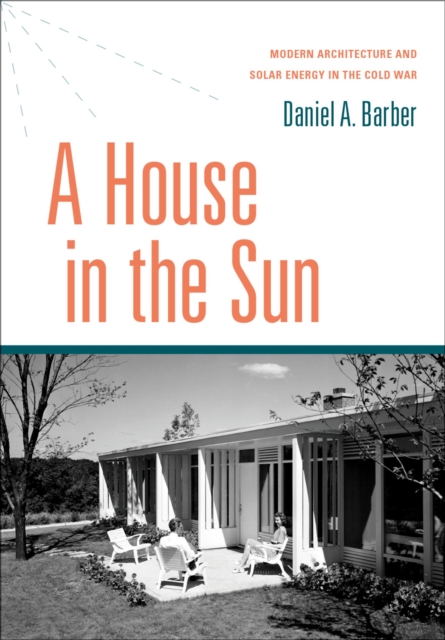
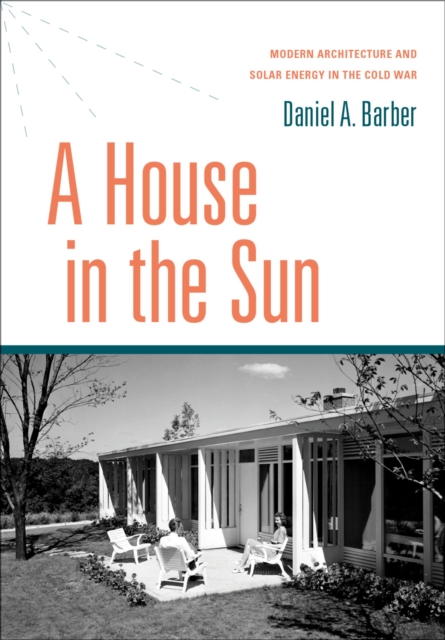
A House in the Sun describes a number of experiments in solar house heating in American architectural, engineering, political, economic, and corporate contexts from the beginning of World War II until the late 1950s.
A House in the Sun describes a number of experiments in solar house heating in American architectural, engineering, political, economic, and corporate contexts from the beginning of World War II until the late 1950s.
After beginning his career as an architect in London, Calvert Vaux (1824-1895) came to the Hudson River valley in 1850 at the invitation of Andrew Jackson Downing, the reform-minded writer on houses and gardens.