The ebook edition of Cathedral Cats that captures the fascinating life stories of cats who make their homes in and around the grandeur of Britain's cathedrals.
Featuring over 200 photographs, this stunning book by renowned television historian Dan Cruickshank tells the history of architecture through the stories of 100 iconic buildingsJourneying through time and place, from the ancient Egyptian pyramids to the soaring skyscrapers of Manhattan, renowned architectural historian Dan Cruickshank explores the most impressive and characterful creations in world architecture.
A History of Artificially Intelligent Architecture: Case Studies from the USA, UK, Europe and Japan, 1949-1987 provides a comprehensive survey of architectural projects exhibiting intelligence since the Late First Century right up to the present day.
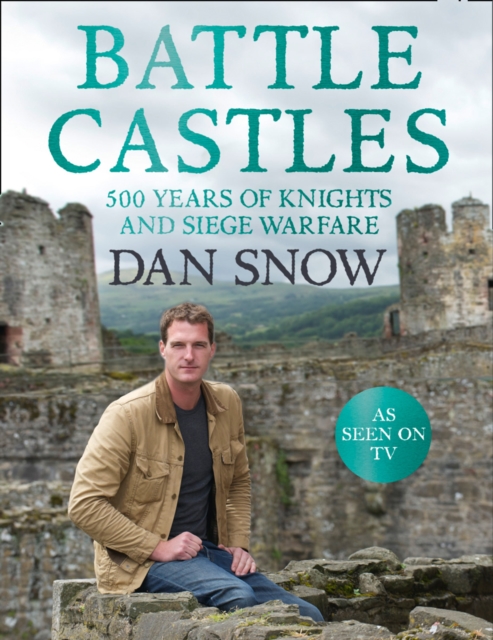
In this fully illustrated ebook, TV's Dan Snow brings to life a cavalcade of medieval fortifications and allows the reader to experience the clashes up close.
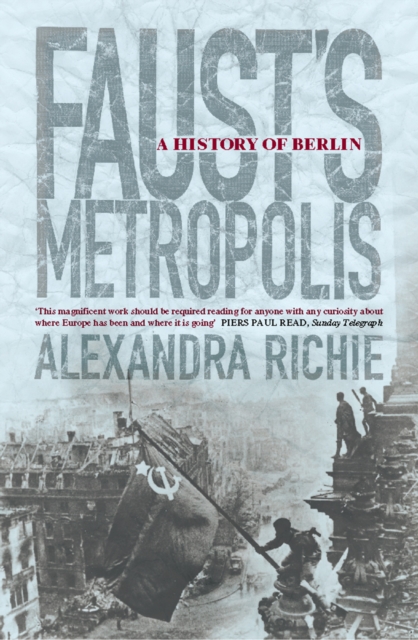
A radical and exciting history of a city - its culture, its people and its politics - that refreshes our image of Europe's past and of the writing of history itself.
Dan Cruickshank's personal, passionate and learned journey into the very awe-inspiring architectural icons which have transformed culture, society, industry and landscapes throughout the world - bridges.
The story of the Stuart dynasty is a breathless soap opera played out in just a hundred years in an array of buildings that span Europe from Scotland, via Denmark, Holland and Spain to England.
This book offers new perspectives on the early and formative years of the German-Jewish philosopher Hans Jonas, through innovative studies of his German and Hebrew work in pre-war Germany and Palestine.
An inviting exploration of architecture across cultures and centuries by one of the field's eminent authors "e;Rybczynski's expansive account traces the influence of social, technological, and economic shifts on architecture across centuries.
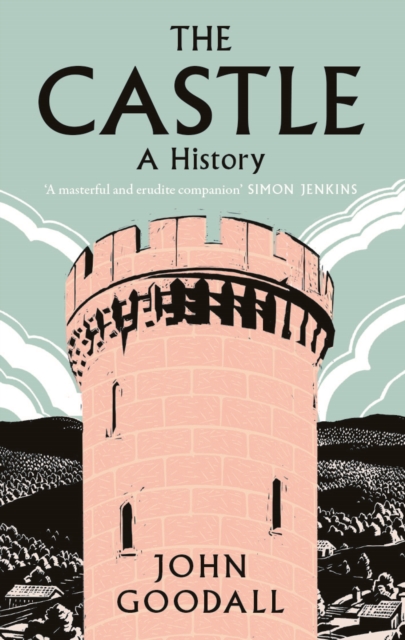
A vibrant history of the castle in Britain, from the early Middle Ages to the present dayThe castle has long had a pivotal place in British life, associated with lordship, landholding, and military might, and today it remains a powerful symbol of history.
A captivating chronicle of building in modern-day Charleston, making a case for architecture based on historical precedent, local context, and the ability to delight Charleston, South Carolina, which boasts America’s first historic district, is known for its palmetto-lined streets and picturesque houses.
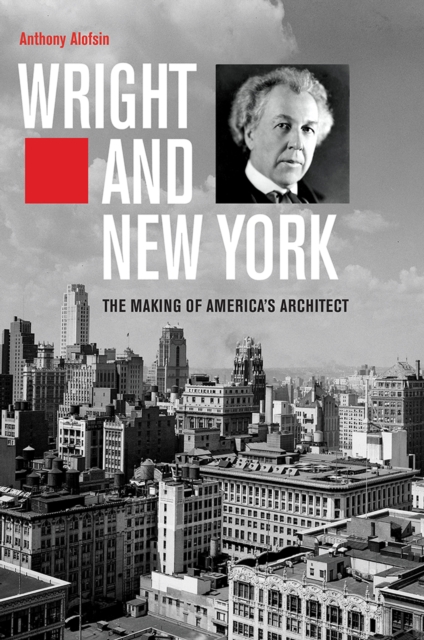
An "e;immensely valuable"e; dual biography of the iconic American architect and the city that transformed his career in the early twentieth century (Francis Morrone, New Criterion).
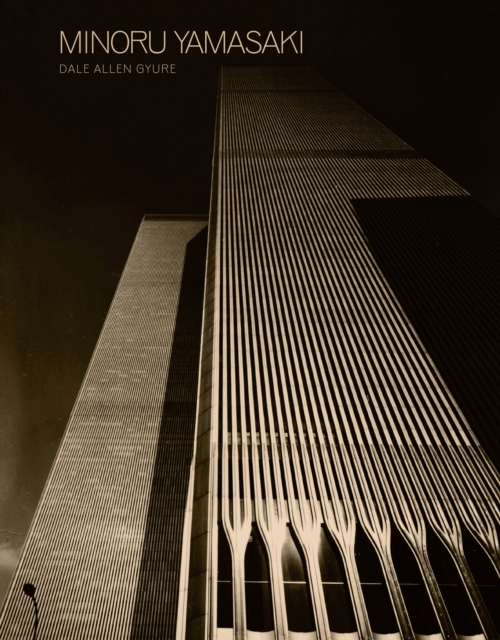
The first book to reevaluate the evocative and polarizing work of one of midcentury America’s most significant architects Born to Japanese immigrant parents in Seattle, Minoru Yamasaki (1912–1986) became one of the towering figures of midcentury architecture, even appearing on the cover of Time magazine in 1963.
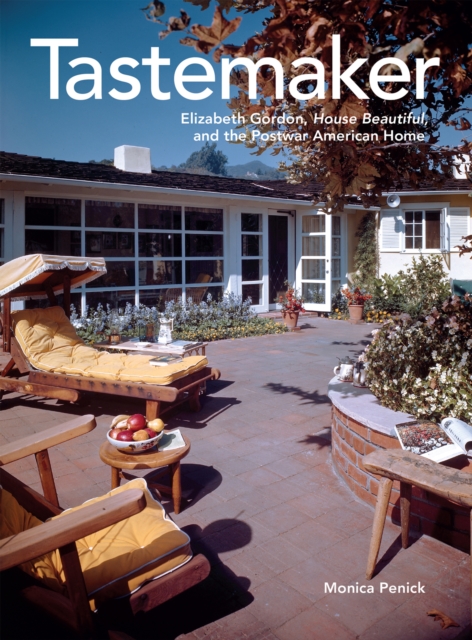
A riveting and superbly illustrated account of the enigmatic House Beautiful editor’s profound influence on mid-century American taste From 1941 to 1964, House Beautiful magazine’s crusading editor-in-chief Elizabeth Gordon introduced and promoted her vision of “good design” and “better living” to an extensive middle-class American readership.
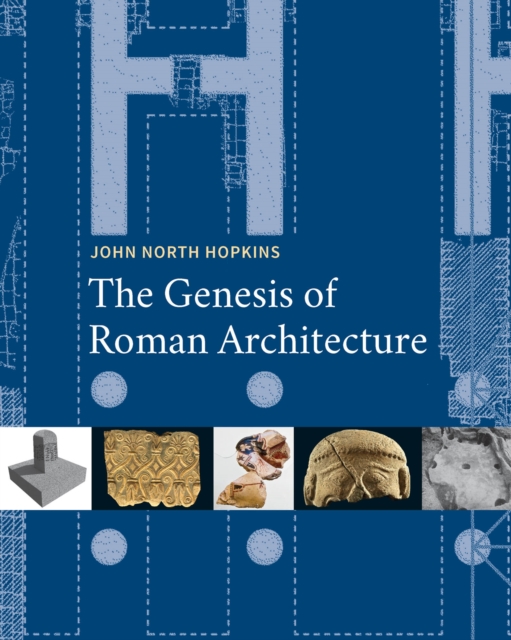
An important new look at Rome's earliest buildings and their context within the broader tradition of Mediterranean culture This groundbreaking study traces the development of Roman architecture and its sculpture from the earliest days to the middle of the 5th century BCE.
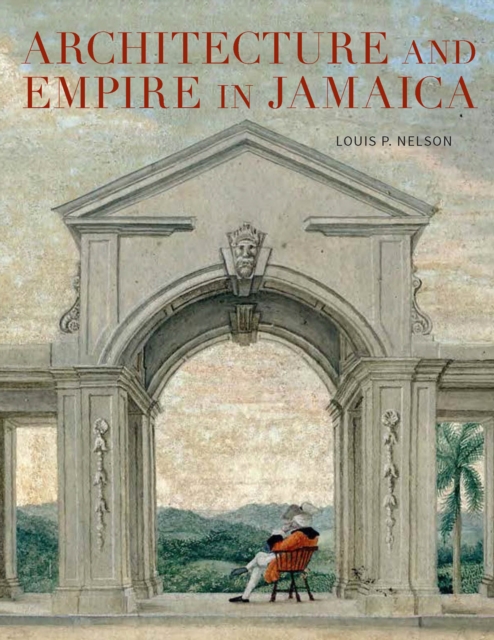
Through Creole houses and merchant stores to sugar fields and boiling houses, Jamaica played a leading role in the formation of both the early modern Atlantic world and the British Empire.
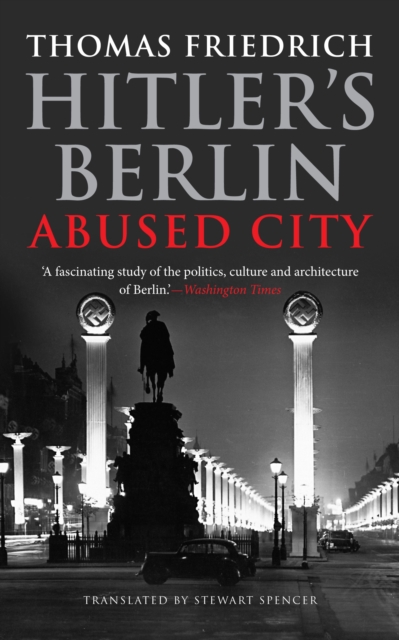
How Berlin captivated Hitler's imagination, and how he sought to redesign the city to align with his obsessions and ambitions From his first visit to Berlin in 1916, Hitler was preoccupied and fascinated by Germany's great capital city.
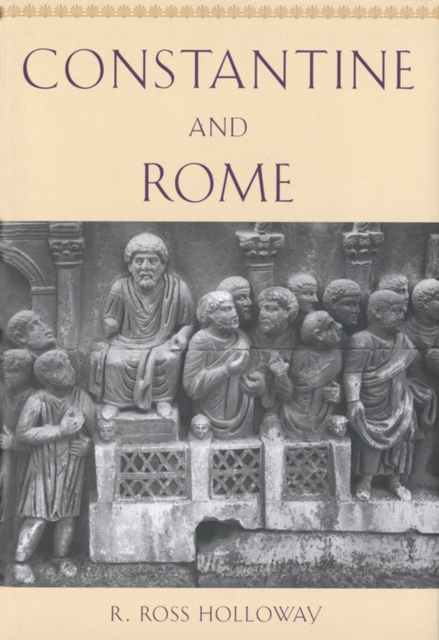
Constantine the Great (285–337) played a crucial role in mediating between the pagan, imperial past of the city of Rome, which he conquered in 312, and its future as a Christian capital.
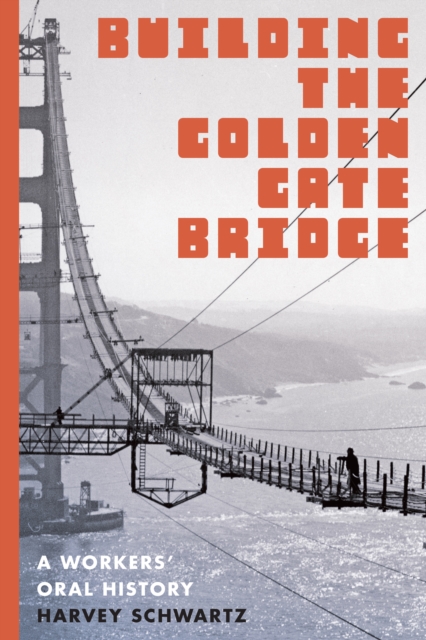
Silver Award Winner, 2016 Nautilus Book Award in Young Adult (YA) Non-FictionMoving beyond the familiar accounts of politics and the achievements of celebrity engineers and designers, Building the Golden Gate Bridge is the first book to primarily feature the voices of the workers themselves.
Between the late sixteenth and early twentieth centuries, Banaras, the iconic Hindu center in northern India that is often described as the oldest living city in the world, was reconstructed materially as well as imaginatively, and embellished with temples, monasteries, mansions, and ghats (riverfront fortress-palaces).
Engaging essays that roam across uncertain territory, in search of sunken forests, unclassifiable islands, inflammable skies, plagiarized tabernacles, and other phenomena missing from architectural history.
From Noah''s Ark to Diller + Scofidio''s “Blur” Building, a distinguished art historian maps new ways to think about architecture''s origin and development.
Mariana Griswold Van Rensselaer (1851-1934) is highly regarded among architectural historians for her 1888 biography of the nineteenth-century architect Henry Hobson Richardson.
GrippingEconomistA fascinating expos Raja Shehadeh, author ofPalestinian WalksPath-breaking and brilliant Eyal Weizman, director of Forensic Architecture and author ofHollow LandTel Aviv, the Zionist projects White City, is said to have risen from the sands of the desert.
Contemplating the Ancients: Aesthetic and Social Issues in Early Chinese Portraiture delves into the intriguing world of ancient Chinese art, exploring portraits that transcend physical likeness to embody deeper societal and aesthetic values.
This book explores the transformation of market spaces in Portuguese cities during the intensification of trade driven by increasing profits from overseas exchanges, and how architectural structures and urban planning were directly impacted by these changes to accommodate the new economic dynamics.
This is the first comparative study of Roman architecture on the Iberian peninsula, covering six centuries from the arrival of the Romans in the third century B.
This is the first comparative study of Roman architecture on the Iberian peninsula, covering six centuries from the arrival of the Romans in the third century B.
Growing up in tandem and maturing as urban democracies during the 19th and 20th centuries, London and New York have both influenced the shape and form of cities around the world.
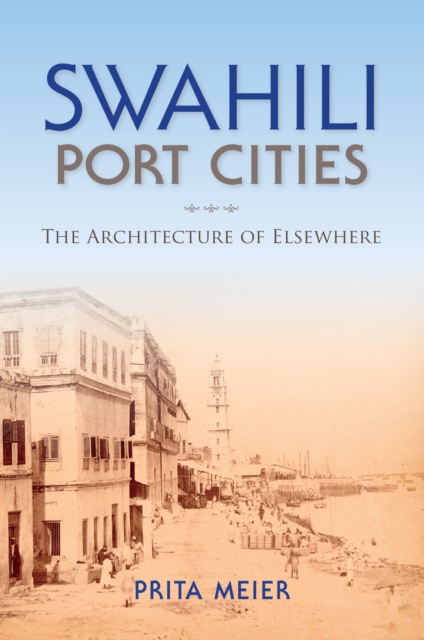
On the Swahili coast of East Africa, monumental stone houses, tombs, and mosques mark the border zone between the interior of the African continent and the Indian Ocean.