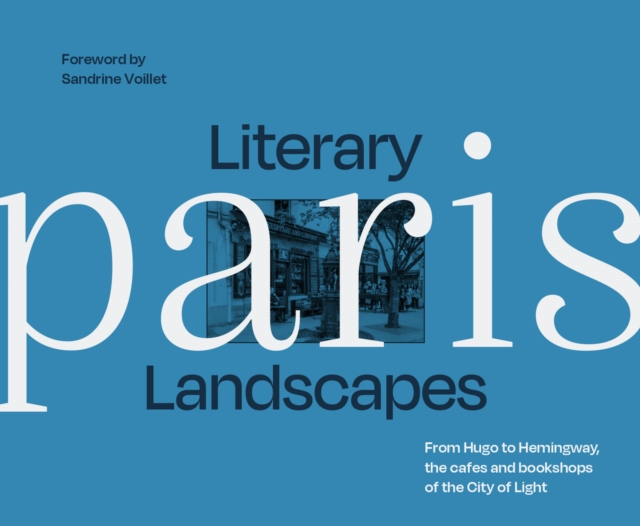
From Feydeau to Fitzgerald, from Hugo to Hemingway, the Paris locations that have influenced modern literatureA photographic stroll around the bookshops, famous literary restaurants and storied streets of Europe's favourite tourist destinationLiterary Landscapes: Paris takes this major European city and with picture perfect photography, compiles an album of memorable views linked to the words of Parisian authors, or writers who made Paris their home.
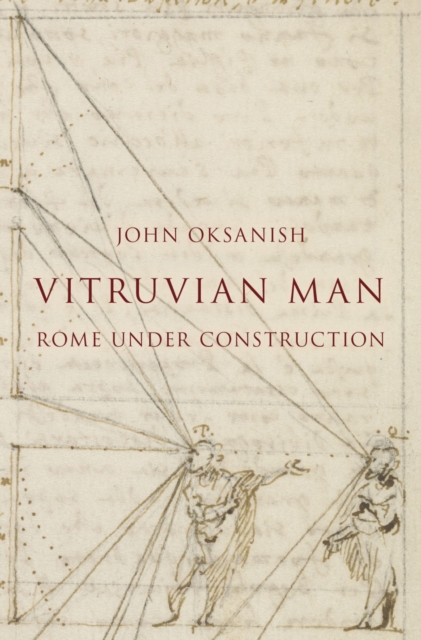
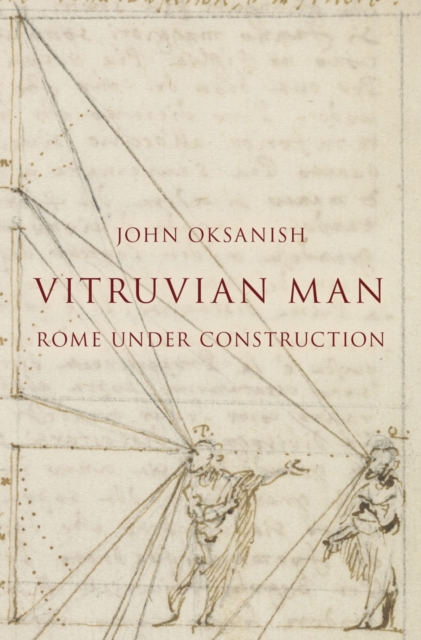
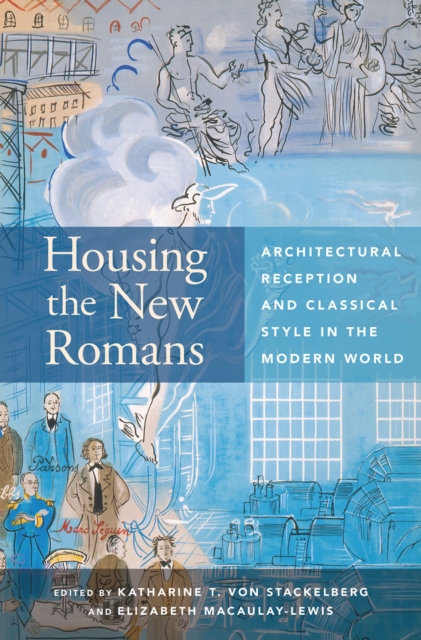
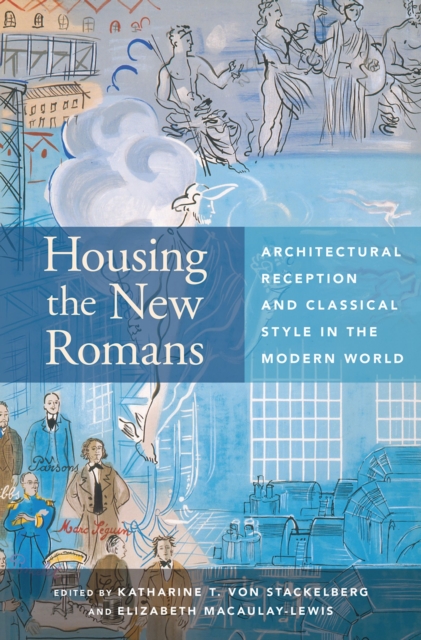
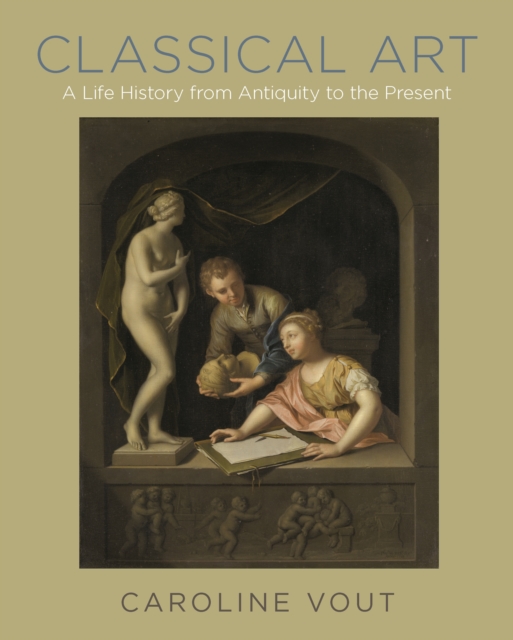
In the last twenty years, reception studies have significantly enhanced our understanding of the ways in which Classics has shaped modern Western culture, but very little attention has been directed toward the reception of classical architecture.
In the last twenty years, reception studies have significantly enhanced our understanding of the ways in which Classics has shaped modern Western culture, but very little attention has been directed toward the reception of classical architecture.
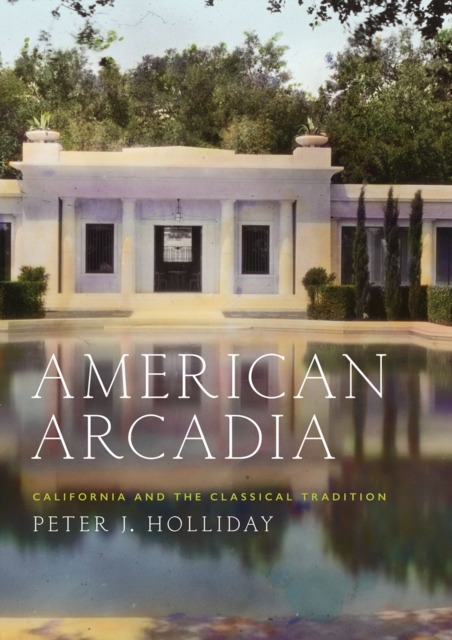
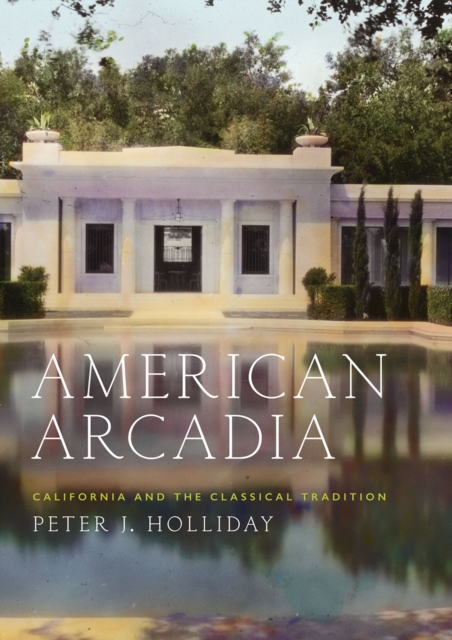
A vivid and engaging exploration of California's debt to the ancient worldDiscussing the influence of the classics on America is nothing new; indeed, classical antiquity could be considered second only to Christianity as a force in modeling America's national identity.
A vivid and engaging exploration of California's debt to the ancient worldDiscussing the influence of the classics on America is nothing new; indeed, classical antiquity could be considered second only to Christianity as a force in modeling America's national identity.
The definitive illustrated guide to modern British architecture, from one of the most acclaimed critics at work todayModernism is now a century old, and its consequences are all around us, built into our everyday lived environments.
A landmark illustrated history of rural church monuments - the forgotten national treasures of England and WalesDeep in the countryside, away from metropolitan abbeys and cathedrals, thousands of funerary monuments are hidden in parish churches.
John Ruskin overturned Victorian society s ideas about art and architecture, arguing that ancient buildings must be conserved for their deep, mystical links with the past and that creative design is essential not for financial gain, but to communicate eternal human truths.
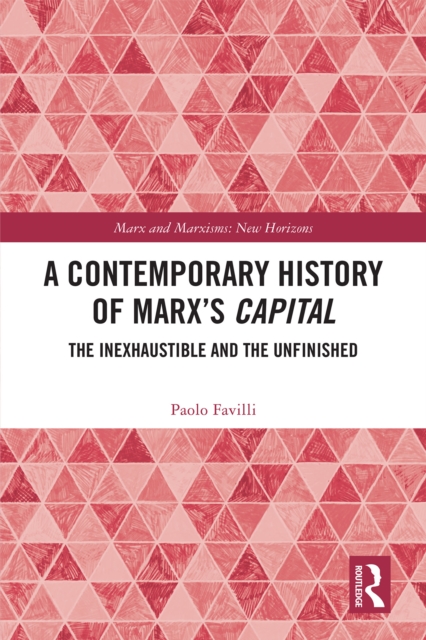
Paolo Favilli provides both students and scholars with an original reading of themes and issues found in Karl Marx's Das Kapital and its connections with present- day challenges.
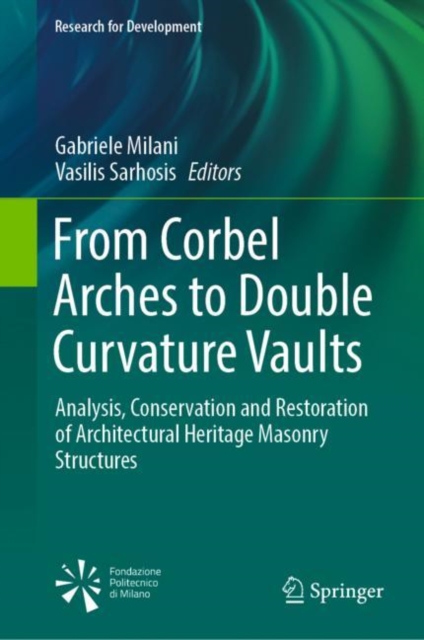
The book focuses on all typological aspects of arches and vaults within the heritage of design and construction, while bringing attention to new "e;green"e; materials, promoting a circular economy informed by limitations caused by global warming.
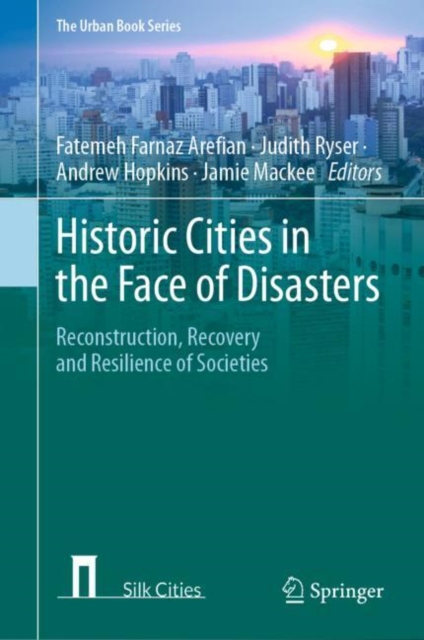
This book examines reconstruction and resilience of historic cities and societies from multiple disciplinary and complementary perspectives and, by doing so, it helps researchers and practitioners alike, among them reconstruction managers, urban governance and professionals.
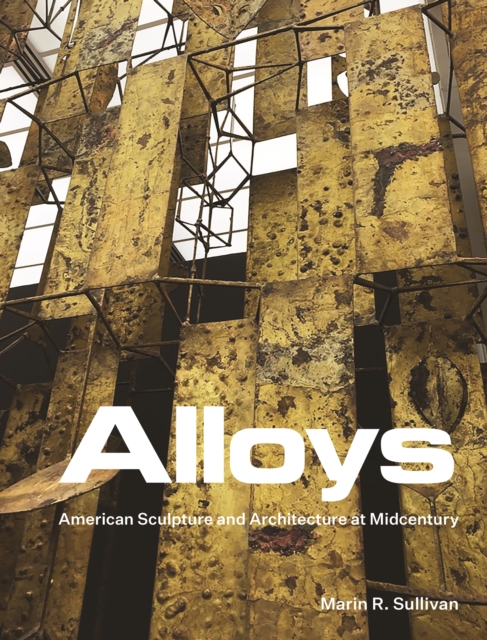
A new look at the interrelationship of architecture and sculpture during one of the richest periods of American modern designAlloys looks at a unique period of synergy and exchange in the postwar United States, when sculpture profoundly shaped architecture, and vice versa.
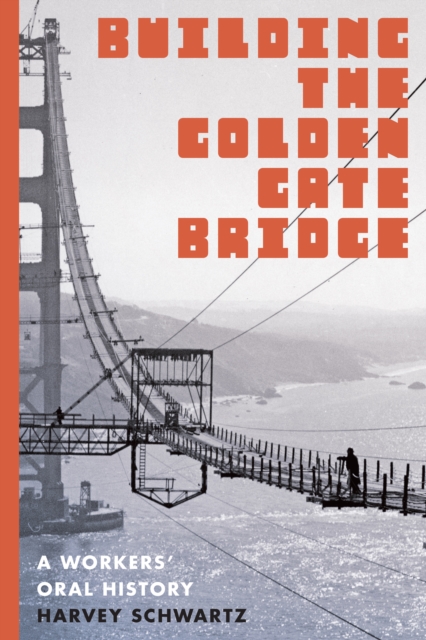
Silver Award Winner, 2016 Nautilus Book Award in Young Adult (YA) Non-FictionMoving beyond the familiar accounts of politics and the achievements of celebrity engineers and designers, Building the Golden Gate Bridge is the first book to primarily feature the voices of the workers themselves.
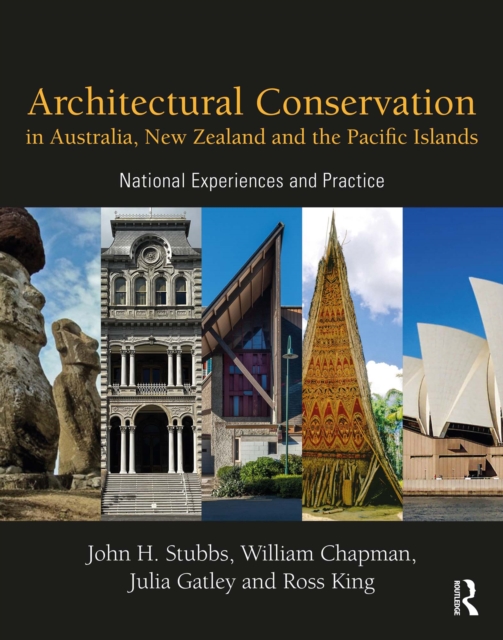
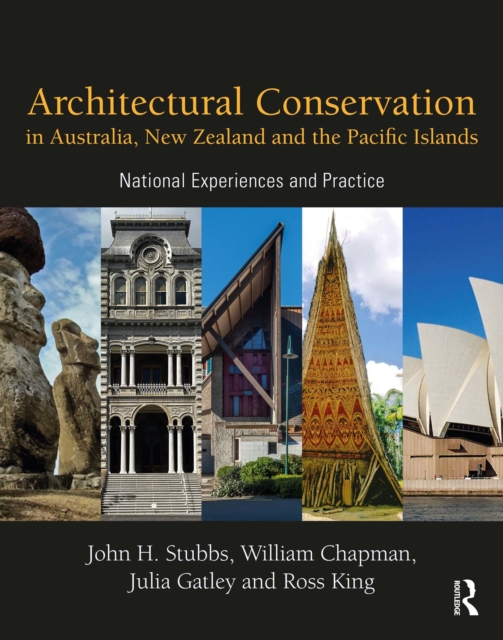
The fourth in a series that documents architectural conservation in different parts of the world, Architectural Conservation in Australia, New Zealand and the Pacific Islands: National Experiences and Practice addresses cultural heritage protection in a region which comprises one third of the Earth's surface.
The fourth in a series that documents architectural conservation in different parts of the world, Architectural Conservation in Australia, New Zealand and the Pacific Islands: National Experiences and Practice addresses cultural heritage protection in a region which comprises one third of the Earth's surface.
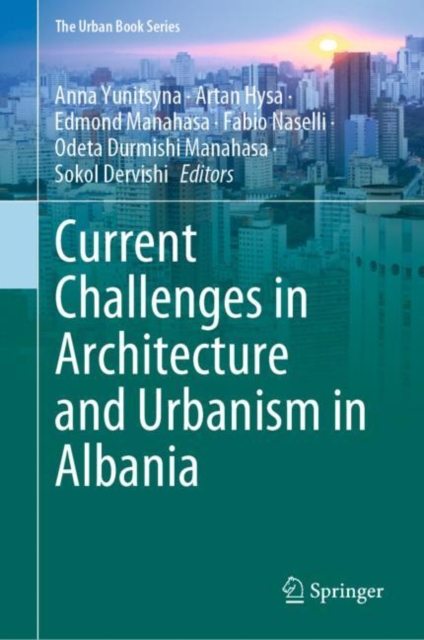
This book aims to provide a cross-sectorial assessment in a multidisciplinary and trans-cultural context onto the innovations in urban and architectural approaches in designing next human environments within the Albanian context.
This is a second edition of a textbook that provides the first comprehensive, easy-to-read, and up-to-date account of the fascinating discipline of archaeoastronomy, in which the relationship between ancient constructions and the sky is studied in order to gain a better understanding of the ideas of the architects of the past and of their religious and symbolic worlds.
In Frontier Fictions, Firoozeh Kashani-Sabet looks at the efforts of Iranians to defend, if not expand, their borders in the nineteenth and early twentieth centuries, and explores how their conceptions of national geography influenced cultural and political change.
A groundbreaking work of scholarship that sheds critical new light on the urban renewal of Paris under Napoleon IIIIn the mid-nineteenth century, Napoleon III and his prefect, Georges-Eugene Haussmann, adapted Paris to the requirements of industrial capitalism, endowing the old city with elegant boulevards, an enhanced water supply, modern sewers, and public greenery.
This book traces the history of urban design in tropical South East Asia with a view to offering solutions to contemporary architectural and urban problems.
The relentlessly self-promoting amateur archaeologist Heinrich Schliemann took full credit for discovering Homer's Troy over one hundred years ago, and since then generations have thrilled to the tale of his ambitions and achievements.
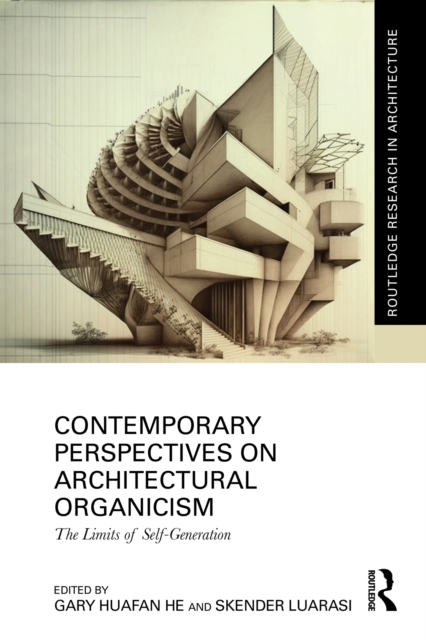
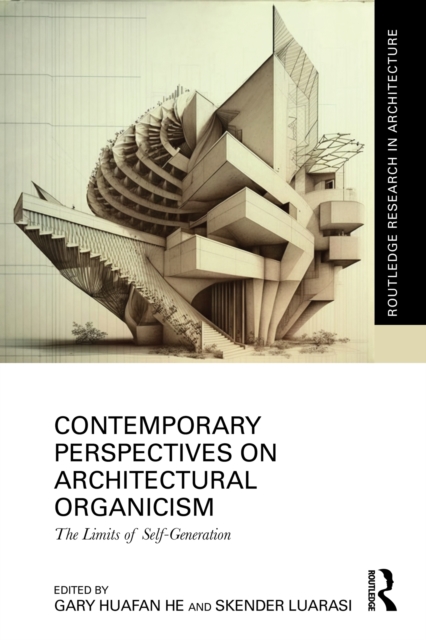
This project is born out of similar questions and discussions on the topic of organicism emergent from two critical strands regarding the discourse of organic self-generation: one dealing with the problem of stopping in the design processes in history, and the other with the organic legacy of style in the nineteenth century as a preeminent form of aesthetic ideology.
This project is born out of similar questions and discussions on the topic of organicism emergent from two critical strands regarding the discourse of organic self-generation: one dealing with the problem of stopping in the design processes in history, and the other with the organic legacy of style in the nineteenth century as a preeminent form of aesthetic ideology.
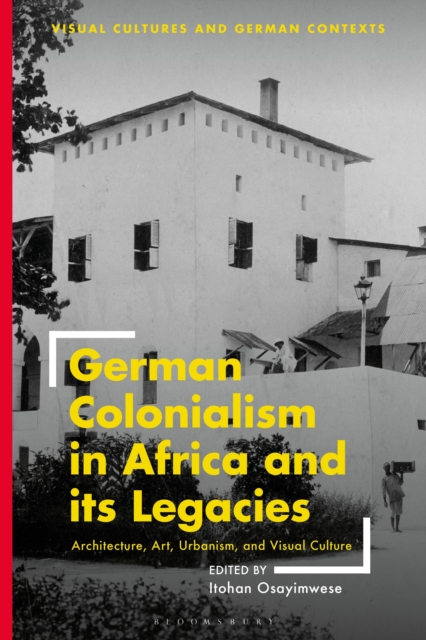
Germany developed a large colonial empire over the last thirty years of the 19th century, spanning regions of the west coast of Africa to its east coast and beyond.
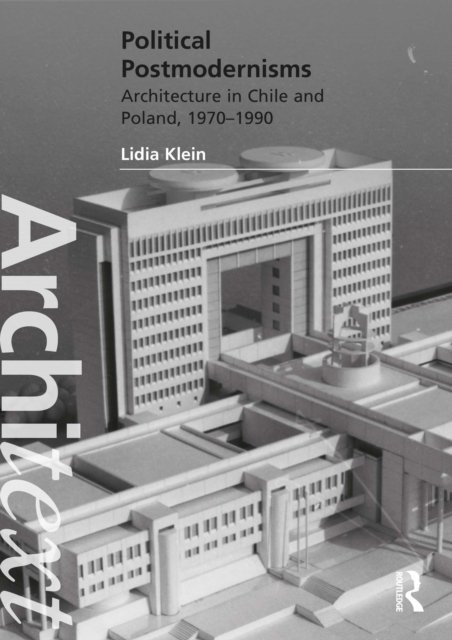
Political Postmodernisms shows how sites outside of Western Europe and North America undermine an established narrative of architecture theory and history.