Modelling, Dynamics and Control of Electrified Vehicles provides a systematic overview of EV-related key components, including batteries, electric motors, ultracapacitors and system-level approaches, such as energy management systems, multi-source energy optimization, transmission design and control, braking system control and vehicle dynamics control.
5G IoT and Edge Computing for Smart Healthcare addresses the importance of a 5G IoT and Edge-Cognitive-Computing-based system for the successful implementation and realization of a smart-healthcare system.
Brain-computer interface (BCI) technology provides a means of communication that allows individuals with severely impaired movement to communicate with assistive devices using the electroencephalogram (EEG) or other brain signals.
This book highlights the key phases and central findings of Alzheimer's Disease research since the introduction of the label 'Alzheimer's Disease' in 1910.
This book aims to provide a cross-sectorial assessment in a multidisciplinary and trans-cultural context onto the innovations in urban and architectural approaches in designing next human environments within the Albanian context.
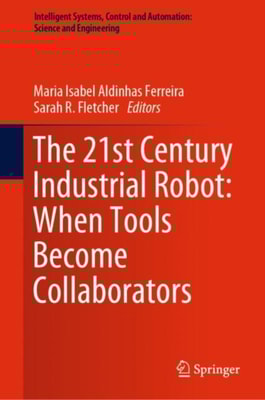
This book aims to discuss the technical and ethical challenges posed by the present technological framework and to highlight the fundamental role played by human-centred design and human factors in the definition of robotic architectures for human-robot collaboration.
This book highlights current concepts of Social Urbanism, the contemporary set of multiple and interdisciplinary urban studies that have emerged mainly from the complex realities of Latin American cities.
Landscape Urbanism and New Urbanism - negotiating the relationship between cities and the natural world In contemporary Western society, urban development is regarded as an unfortunate blight from which nature provides a much-needed respite.
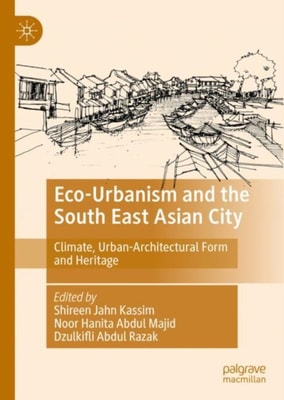
This book traces the history of urban design in tropical South East Asia with a view to offering solutions to contemporary architectural and urban problems.
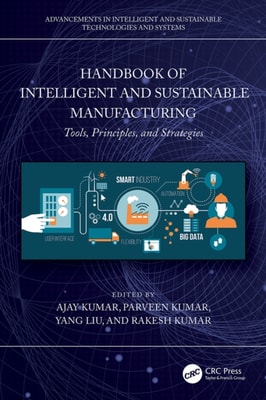
Intelligent and sustainable manufacturing is a broad category of manufacturing that employs computer-integrated manufacturing, high levels of adaptability and rapid design changes, digital information technology, and more flexible technical workforce training.
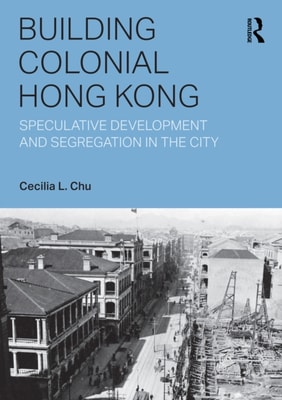
In the 1880s, Hong Kong was a booming colonial entrepot, with many European, especially British, residents living in palatial mansions in the Mid-Levels and at the Peak.
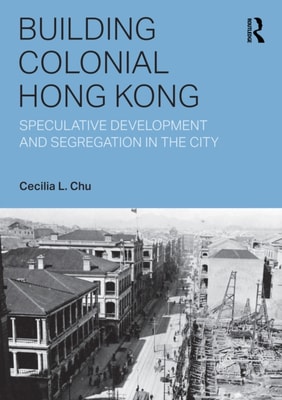
In the 1880s, Hong Kong was a booming colonial entrepot, with many European, especially British, residents living in palatial mansions in the Mid-Levels and at the Peak.
AI in and for Africa: A Humanistic Perspective explores the convoluted intersection of artificial intelligence (AI) with Africa's unique socio-economic realities.
AI in and for Africa: A Humanistic Perspective explores the convoluted intersection of artificial intelligence (AI) with Africa's unique socio-economic realities.
Political Postmodernisms shows how sites outside of Western Europe and North America undermine an established narrative of architecture theory and history.
Political Postmodernisms shows how sites outside of Western Europe and North America undermine an established narrative of architecture theory and history.
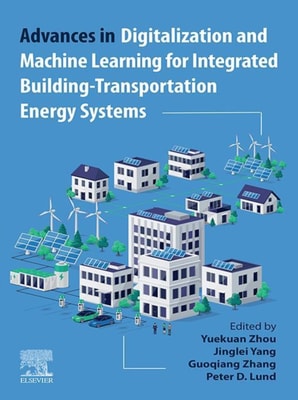
Advances in Digitalization and Machine Learning for Integrated Building-Transportation Energy Systems examines the combined impact of buildings and transportation systems on energy demand and use.
This monograph, now in its 2nd edition with 31 new chapters and significant updates, is the first book of its kind written specifically for graduate students and clinicians.
Social robots not only work with humans in collaborative workspaces - we meet them in shopping malls and even more personal settings like health and care.
The book addresses the interdisciplinary and multiscale theme of the design of sustainable, inclusive and creative urban green spaces in relation to the socio-ecological transition and in line with the systemic vision promoted by the 2030 Agenda, the 17 Sustainable Development Goals (SDGs) and the principles outlined by the New European Bauhaus (European Commission, 2021).
This book aims to fill the knowledge gap on how to plan, develop and manage innovation districts that are competitive in terms of both productivity and quality of living, justifying the massive investment put into place and at the same time doing both in a delicate and harmonious way.
This book-Mind, Body, and Digital Brains-focuses on both theoretical and empirical issues and joins contributions from different disciplines, concepts, and sensibilities, bringing together scholars from fields that at first glance may appear different-Neuroscience and Cognitive Neuroscience; Robotics, Computer Science, Deep Learning, and Information Processing Systems; Education, Philosophy, Law, and Psychology.
Now in its second volume, Regreening the Built Environment provides an overview of physical and social environmental challenges that the planet is facing and presents solutions that restore ecological processes, reclaim open space, foster social equity, and facilitate a green economy.
Contemporary cities are shaped by the unlikely adjacencies of objects that are vastly different in kind, origin, and scale: buildings, infrastructure, and other urban components that over time accumulate into mismatched configurations.
The declared goal of this book, an extended and revised translation of the German edition (2021), is to show how a unified model of the psyche and body can be developed via insights from psychoanalysis, neurology and computer technology.
The text presents aspects of virtual worlds and highlights the emerging trends in simulation and modeling, comprising machine learning, artificial intelligence, deep learning, robotics, cloud computing, and data mining algorithms.
The application of internet of things (IoT) technologies and artificial intelligence (AI)-enabled IoT solutions has gradually become accepted by business and production organizations as an effective tool for automating several activities effectively and efficiently and developing and distributing products to the global market.
Outdoor Environments for People addresses the everyday human behavior in outdoor built environments and explains how designers can learn about and incorporate their knowledge into places they help to create.
Outdoor Environments for People addresses the everyday human behavior in outdoor built environments and explains how designers can learn about and incorporate their knowledge into places they help to create.
This book provides an urgent framework and collective reflection on understanding ways to reconsider and recast architecture within ideas and politics of the commons and practices of commoning.