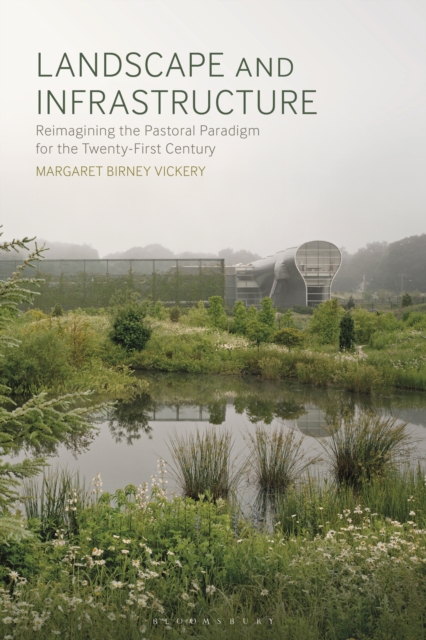
Landscape and Infrastructure examines the relationships between landscape painting and landscape design from the seventeenth century to the present, and contemporary infrastructure projects around the globe.
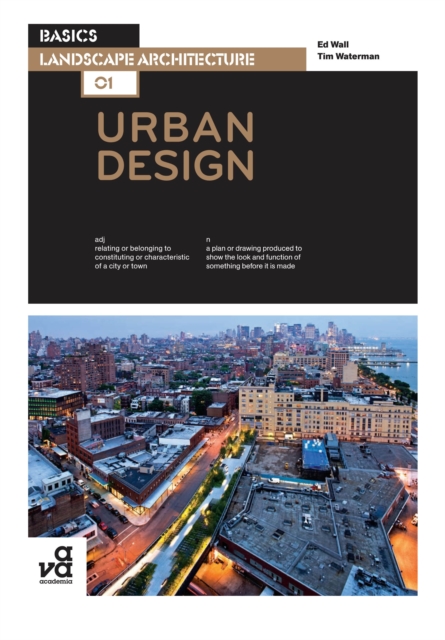
Basics Landscape Architecture 01: Urban Design seeks to define and describe the role played by landscape architecture in urban design, an interdisciplinary practice that is concerned with defining the form of human settlements.
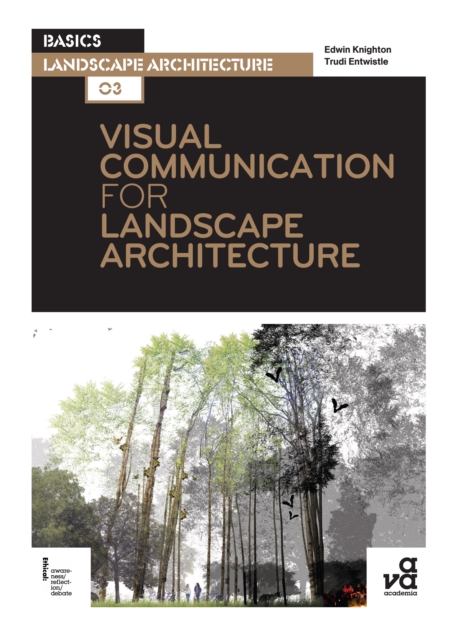
Visual Communication for Landscape Architecture demonstrates not only how and where a range of visual communication skills are needed to inform a design process, but also why they are essential in order to make presentations both informative and memorable.
Ebenezer Howard is recognised as a pioneer of town planning throughout the industrialised world; Britain's new towns, deriving from the garden cities he founded, are his monument.
This book offers a new look at the theory of traffic congestion, in the light of recent reassessments of the extensive surveys in London of traffic plans and speeds and, in particular, of journey speeds by all forms of transport.
Following the disaster of Hurricane Katrina in New Orleans, people began to discuss and visualize the ways in which the urban structure of the city could be reorganized.
Following the disaster of Hurricane Katrina in New Orleans, people began to discuss and visualize the ways in which the urban structure of the city could be reorganized.
This companion to Introducing Urban Design: Interventions and Responses shows how the principles and concepts of urban design can be applied and implemented in a range of real-world settings.
This companion to Introducing Urban Design: Interventions and Responses shows how the principles and concepts of urban design can be applied and implemented in a range of real-world settings.
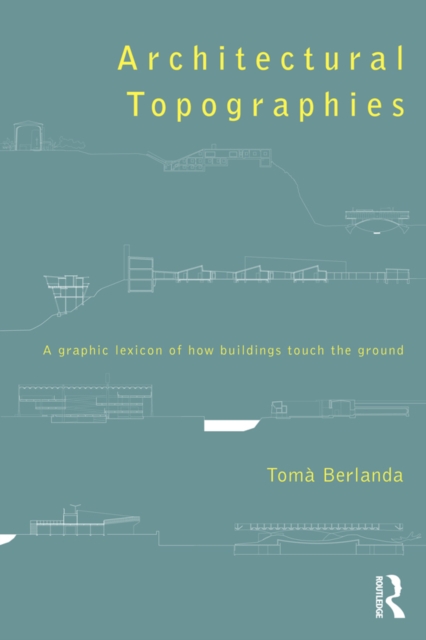
Architectural Topographies is a critical dictionary for architects and landscape architects in which the graphic lexicon can be read from a beginning, the ground, to a conclusion, the specific case studies.
Architectural Topographies is a critical dictionary for architects and landscape architects in which the graphic lexicon can be read from a beginning, the ground, to a conclusion, the specific case studies.
The great universities of the world are to a large extent defined in the public imagination by their physical form: when people think of a university, they usually think of a distinctive place, rather than about say the teaching or the research that might go on there.
The great universities of the world are to a large extent defined in the public imagination by their physical form: when people think of a university, they usually think of a distinctive place, rather than about say the teaching or the research that might go on there.
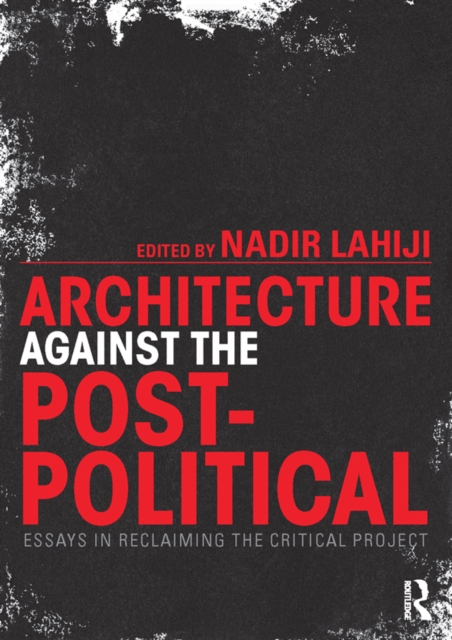
Written by a team of renowned contributors and carefully edited to address the themes laid out by the editors in their introduction, the book includes theoretical issues concerning the questions of aesthetics and politics and addresses city and urban strategies within the general critique of the "e;post-political"e;.
Written by a team of renowned contributors and carefully edited to address the themes laid out by the editors in their introduction, the book includes theoretical issues concerning the questions of aesthetics and politics and addresses city and urban strategies within the general critique of the "e;post-political"e;.
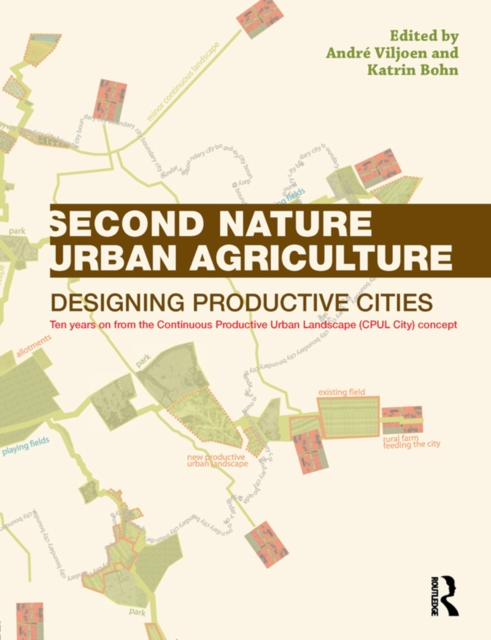
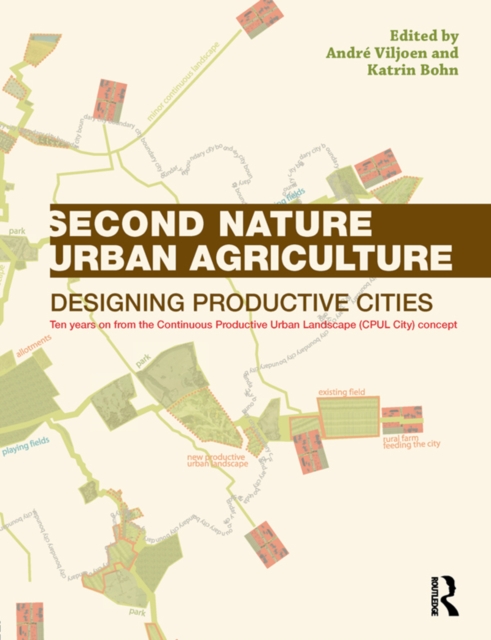
Winner of the 2015 RIBA President's Award for Outstanding University Located Research This book is the long awaited sequel to "e;Continuous Productive Urban Landscapes: Designing Urban Agriculture for Sustainable Cities"e;.
Winner of the 2015 RIBA President's Award for Outstanding University Located Research This book is the long awaited sequel to "e;Continuous Productive Urban Landscapes: Designing Urban Agriculture for Sustainable Cities"e;.
The pressing economic, environmental and social crises emanate the need for a redefinition of the dominant views, perspectives and values in the field of architecture.
The pressing economic, environmental and social crises emanate the need for a redefinition of the dominant views, perspectives and values in the field of architecture.
Mountain regions are subject to a unique set of economic pressures: they act as collective enterprises which have to valorize rare resources, such as spectacular landscapes.
Mountain regions are subject to a unique set of economic pressures: they act as collective enterprises which have to valorize rare resources, such as spectacular landscapes.
The experience of movement, of moving through buildings, cities, landscapes and in everyday life, is the only involvement most individuals have with the built environment on a daily basis.
The experience of movement, of moving through buildings, cities, landscapes and in everyday life, is the only involvement most individuals have with the built environment on a daily basis.
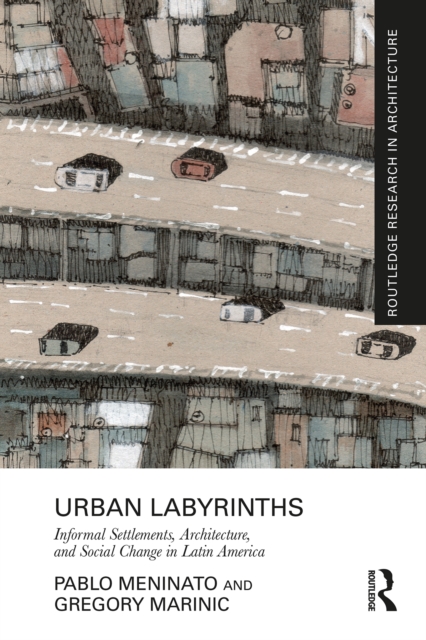
Urban Labyrinths: Informal Settlements, Architecture, and Social Change in Latin America examines intervention initiatives in informal settlements in Latin American cities as social, spatial, architectural, and cultural processes.