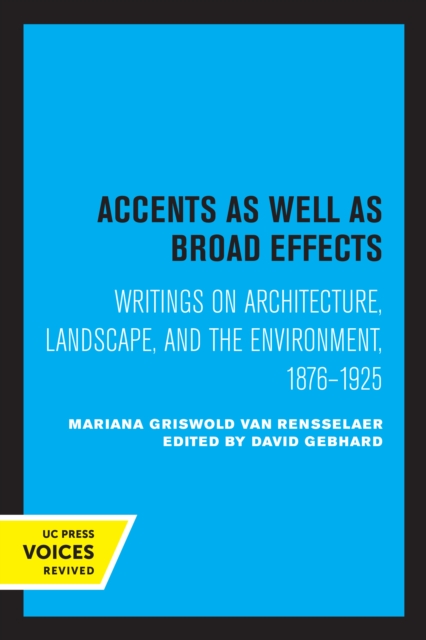
Mariana Griswold Van Rensselaer (1851-1934) is highly regarded among architectural historians for her 1888 biography of the nineteenth-century architect Henry Hobson Richardson.
Carved out of century-old farmland near Chicago, the Prairie Crossing development is a novel experiment in urban public policy that preserves 69 percent of the land as open space.
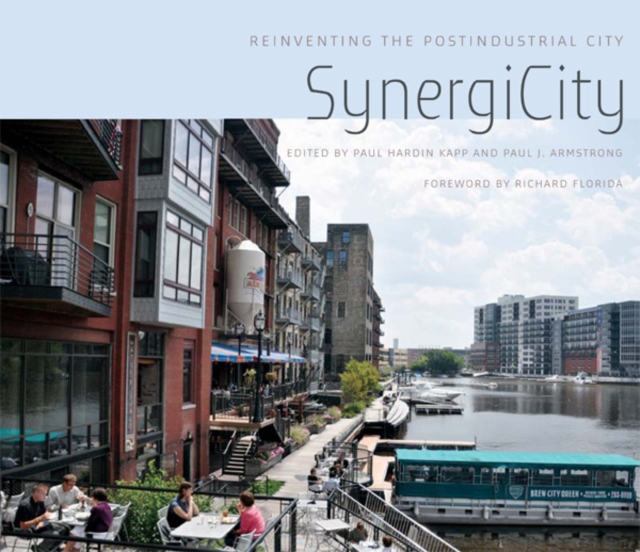
SynergiCity: Reinventing the Postindustrial City proposes a new and invigorating vision of urbanism, architectural design, and urban revitalization in twenty-first-century America.
This book, first published in Finnish in 1985 under the title Aalto, is a critical introduction to Finnish architect Alvar Aalto (1898-1976), written by one of Aalto's Finnish architectural contemporaries, Kirmo Mikkola (1934-1986).
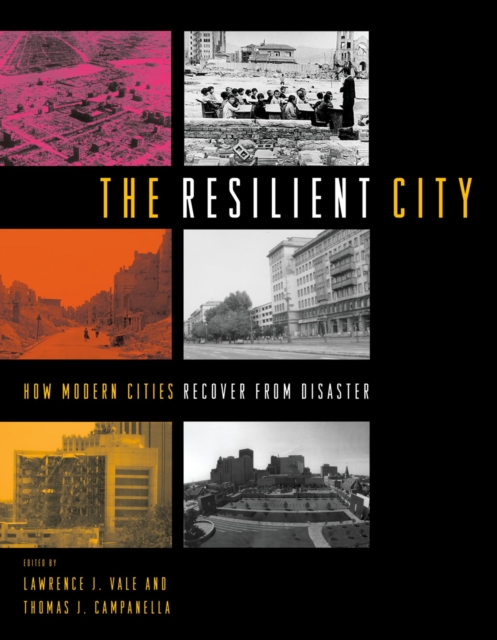
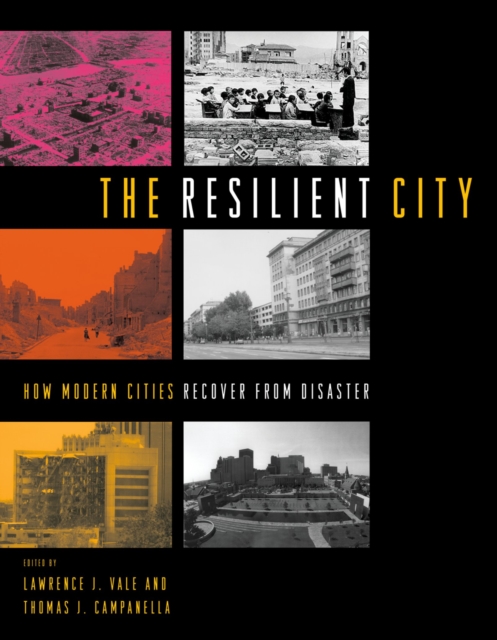
This book examines the practice of urban resilience past and present, drawing on deeper global historical sources and detailed case-studies of contemporary Britain.
Always the focal point in modern times for momentous political, social and cultural upheaval, Berlin has continued, since the fall of the Wall in 1989, to be a city in transition.
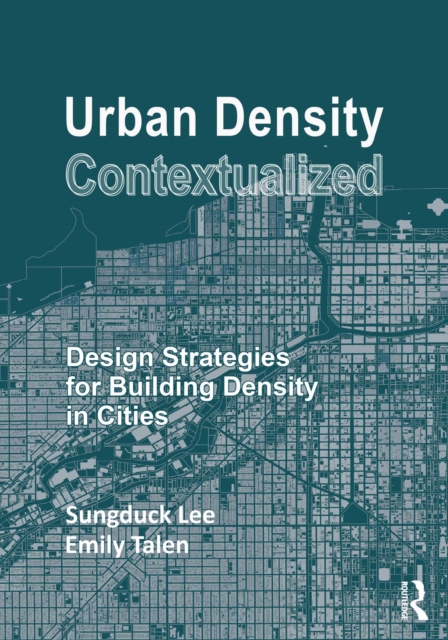
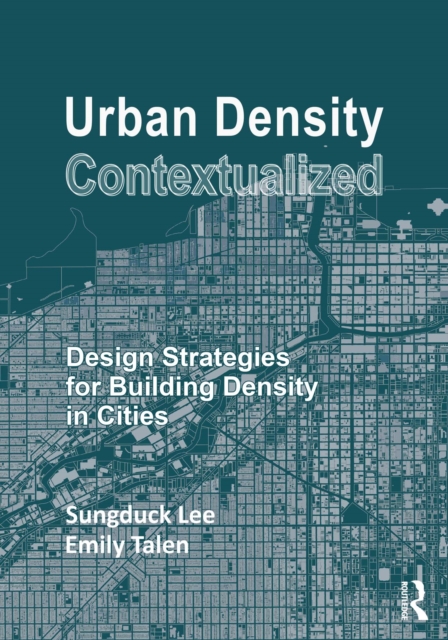
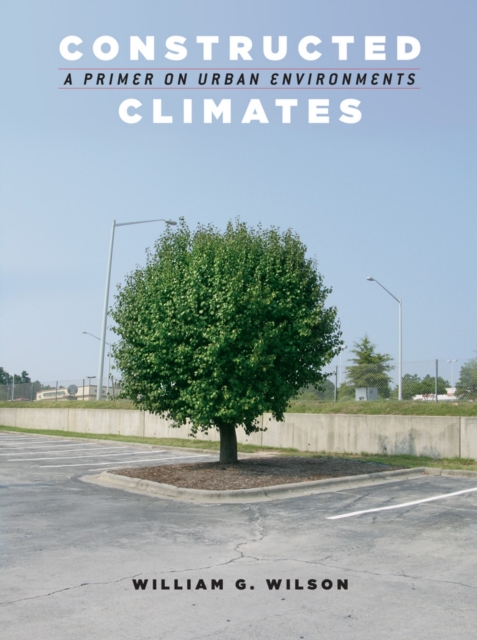
As our world becomes increasingly urbanized, an understanding of the context, mechanisms, and consequences of city and suburban environments becomes more critical.
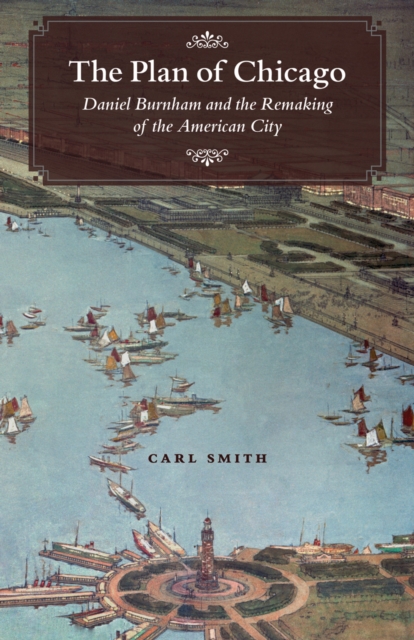
Arguably the most influential document in the history of urban planning, Daniel Burnham's 1909 Plan of Chicago, coauthored by Edward Bennett and produced in collaboration with the Commercial Club of Chicago, proposed many of the city's most distinctive features, including its lakefront parks and roadways, the Magnificent Mile, and Navy Pier.
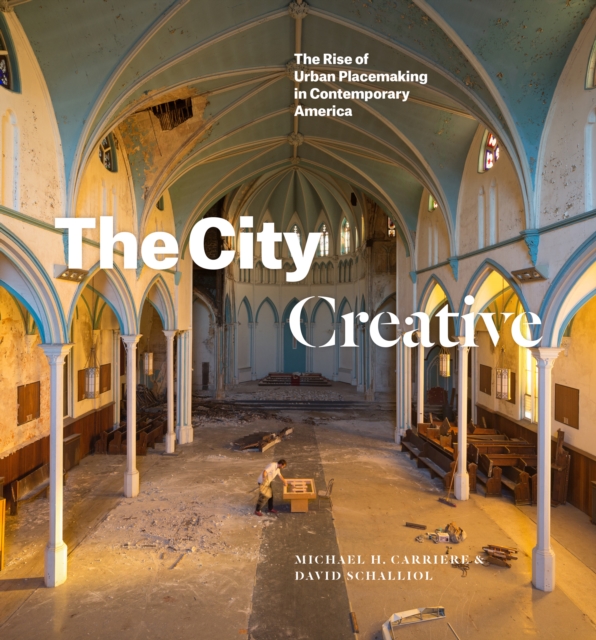
In the wake of the Great Recession, American cities from Philadelphia to San Diego saw an upsurge in hyperlocal placemaking-small-scale interventions aimed at encouraging greater equity and community engagement in growth and renewal.
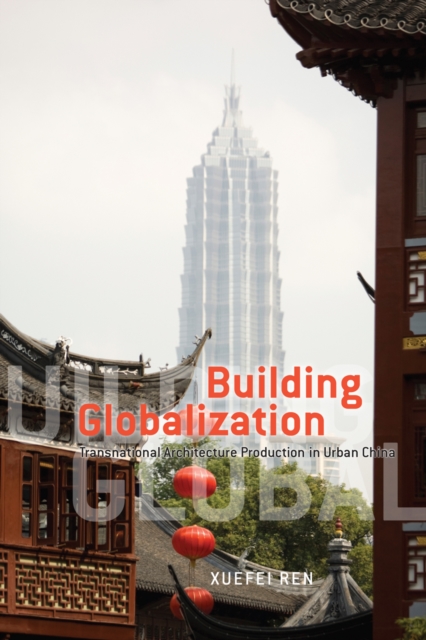
From the years 2004 to 2008, Beijing and Shanghai witnessed the construction of an extraordinary number of new buildings, many of which were designed by architectural firms overseas.
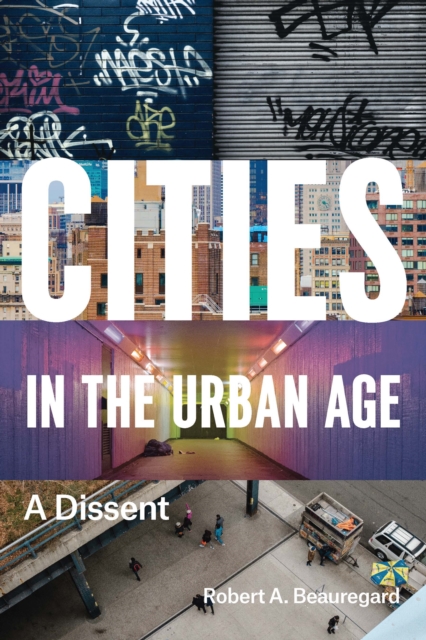
We live in a self-proclaimed Urban Age, where we celebrate the city as the source of economic prosperity, a nurturer of social and cultural diversity, and a place primed for democracy.
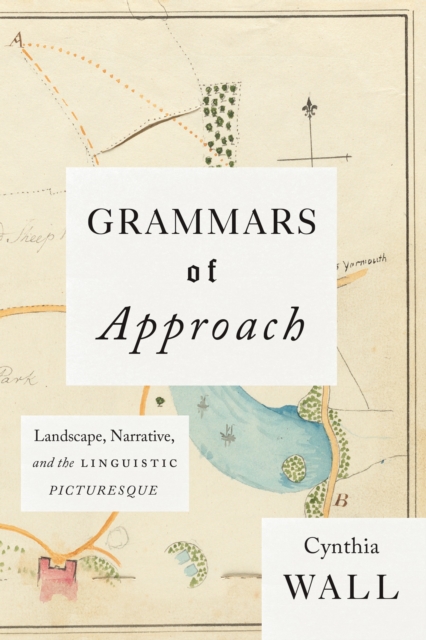
In Grammars of Approach, Cynthia Wall offers a close look at changes in perspective in spatial design, language, and narrative across the late eighteenth and early nineteenth centuries that involve, literally and psychologically, the concept of "e;approach.
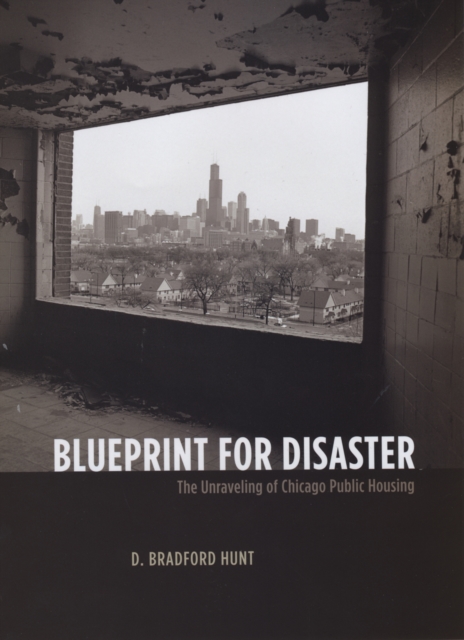
Now considered a dysfunctional mess, Chicago's public housing projects once had long waiting lists of would-be residents hoping to leave the slums behind.
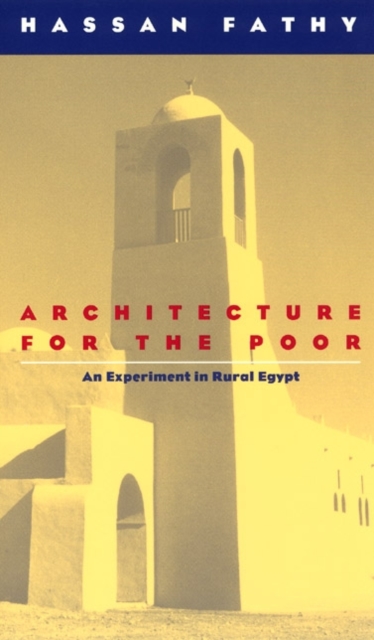
Architecture for the Poor describes Hassan Fathy's plan for building the village of New Gourna, near Luxor, Egypt, without the use of more modern and expensive materials such as steel and concrete.
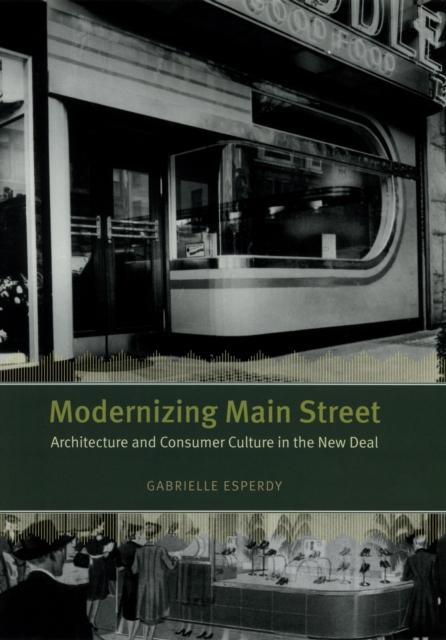
An important part of the New Deal, the Modernization Credit Plan helped transform urban business districts and small-town commercial strips across 1930s America, but it has since been almost completely forgotten.
This book argues that architecture and the city and their processes can be better understood by drawing categories from disciplines that exceed the architectural and urban cultural context.
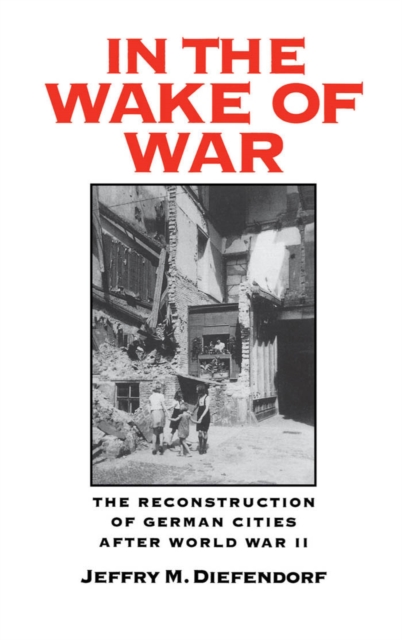
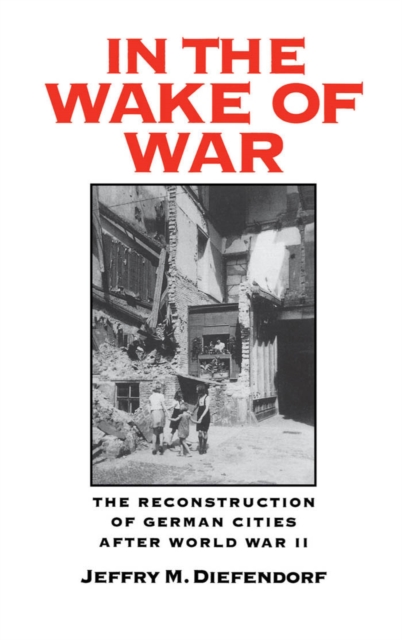
In 1945 Germany's cities lay in ruins, destroyed by Allied bombers `hat left major architectural monuments badly damaged and much of the housing stock reduced to rubble.
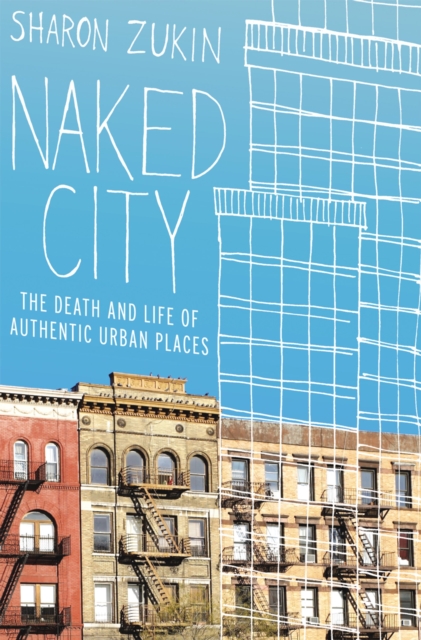
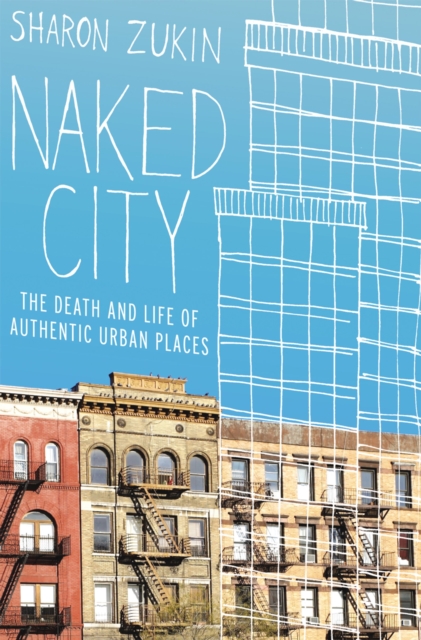
As cities have gentrified, educated urbanites have come to prize what they regard as "e;authentic"e; urban life: aging buildings, art galleries, small boutiques, upscale food markets, neighborhood old-timers, funky ethnic restaurants, and old, family-owned shops.
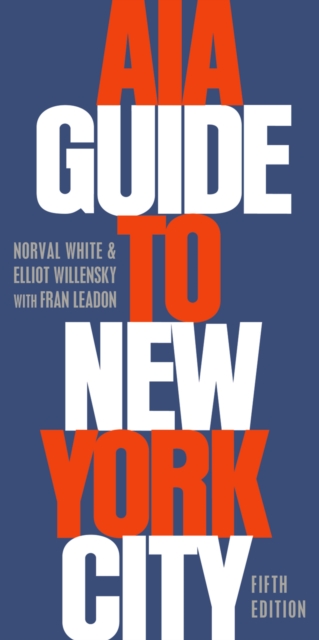
Hailed as "e;extraordinarily learned"e; (New York Times), "e;blithe in spirit and unerring in vision,"e; (New York Magazine), and the "e;definitive record of New York's architectural heritage"e; (Municipal Art Society), Norval White and Elliot Willensky's book is an essential reference for everyone with an interest in architecture and those who simply want to know more about New York City.
Hailed as "e;extraordinarily learned"e; (New York Times), "e;blithe in spirit and unerring in vision,"e; (New York Magazine), and the "e;definitive record of New York's architectural heritage"e; (Municipal Art Society), Norval White and Elliot Willensky's book is an essential reference for everyone with an interest in architecture and those who simply want to know more about New York City.
As cities have gentrified, educated urbanites have come to prize what they regard as "e;authentic"e; urban life: aging buildings, art galleries, small boutiques, upscale food markets, neighborhood old-timers, funky ethnic restaurants, and old, family-owned shops.
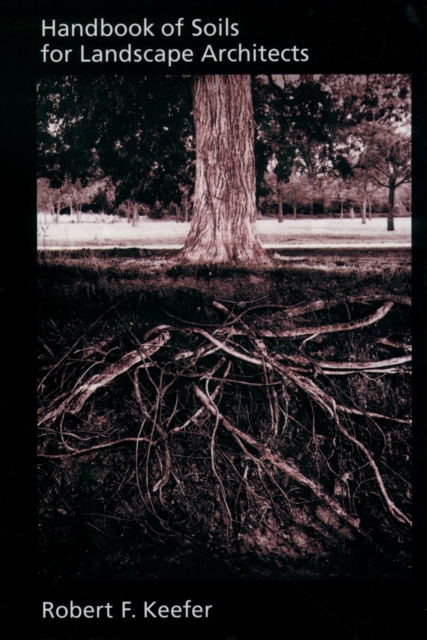
Written in a clear, accessible style, this book covers the fundamental aspects of soil science with an emphasis on topics useful to landscape architects and professionals in related fields.
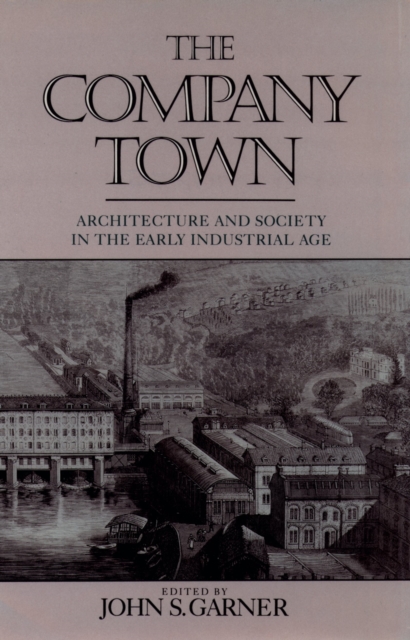
Built by industrialists whose early businesses contributed to the escalation of the Industrial Revolution, company towns flourished in countries that embraced capitalism and open-market trading.
In 1945 Germany's cities lay in ruins, destroyed by Allied bombers `hat left major architectural monuments badly damaged and much of the housing stock reduced to rubble.
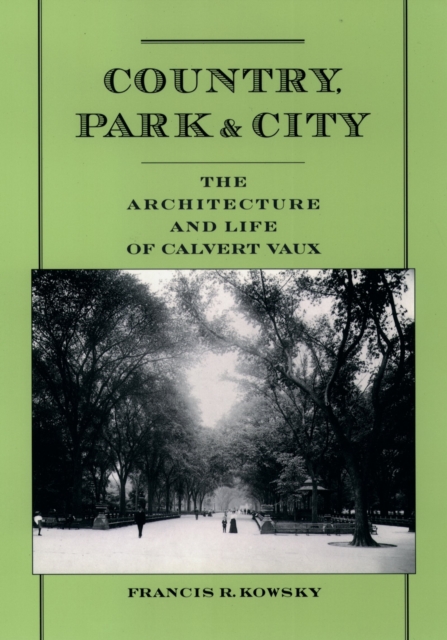
After beginning his career as an architect in London, Calvert Vaux (1824-1895) came to the Hudson River valley in 1850 at the invitation of Andrew Jackson Downing, the reform-minded writer on houses and gardens.
Exploring the ways in which an integrated landscape vision can help deliver regional, national, and international agendas, this book investigates how a new idea of landscape can reimagine governance, policy, economics, culture, identity, health, transport, and development priorities by connecting in a more powerful and meaningful way with local aspirations and demands.
Tracing its distant origins to the villa of the Roman emperor Hadrian in the second century AD, the eccentric phenomenon of the ornamental hermit enjoyed its heyday in the England of the eighteenth century It was at this time that it became highly fashionable for owners of country estates to commission architectural follies for their landscape gardens.
Tracing its distant origins to the villa of the Roman emperor Hadrian in the second century AD, the eccentric phenomenon of the ornamental hermit enjoyed its heyday in the England of the eighteenth century It was at this time that it became highly fashionable for owners of country estates to commission architectural follies for their landscape gardens.