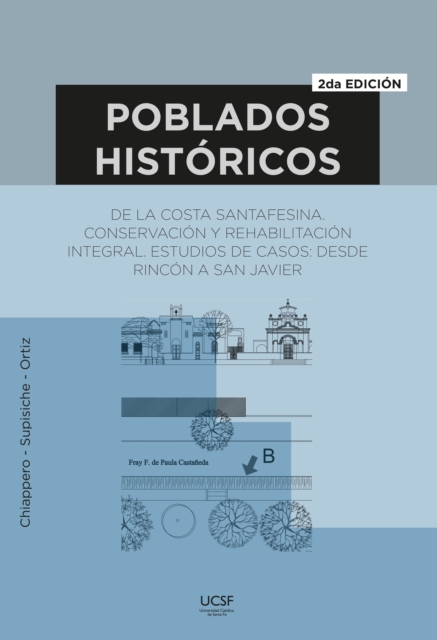
En esta segunda edición de Los poblados históricos de la costa santafesina sigue siendo apremiante la preocupación por el impacto que la urbanización tiene sobre los centros históricos de Latinoamérica en general y particularmente de Argentina y Santa FeAsimismo, y más allá de la convicción y coincidencia con Foglia (1988) cuando afirma que "La preservación del patrimonio que testimonia nuestro pasado(…), ha quedado signada por una despiadada lucha por encontrar los mecanismos de protección necesarios frente a un mundo donde los intereses económicos dominantes se empeñan, por razones especulativas, en su sustitución", se ha considerado pertinente enfatizar la pertenencia de los poblados de la costa santafesina en el sistema que claramente constituye el Río Paraná y la Ruta Provincial Nº 1.
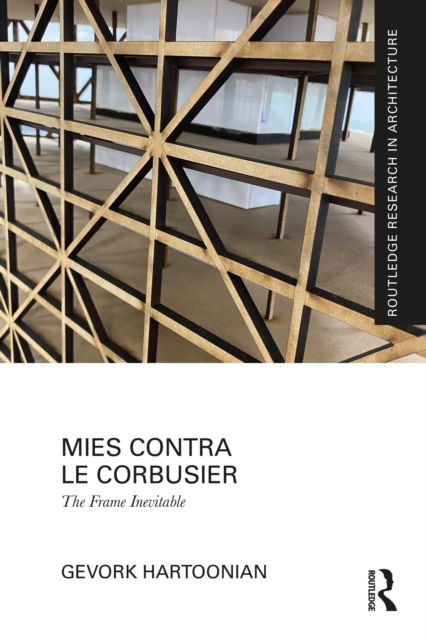
In Mies Contra Le Corbusier, Gevork Hartoonian embarks on a captivating exploration of the architectural ideologies embodied in the works of Mies van der Rohe and Le Corbusier.
This thought-provoking book presents a compelling argument for moving architecture from a part-by-part, linear approach to an integrated one that brings together technology, materials, and production methods.
Originally published in 1995 as part of the Ethnoscapes: Current Challenges in the Environmental Social Sciences series, reissued now with a new series introduction, On the Aesthetics of Architecture is a result of an interdisciplinary study in architectural theory, psychology and philosophy and the author's experience as a practicing architect.
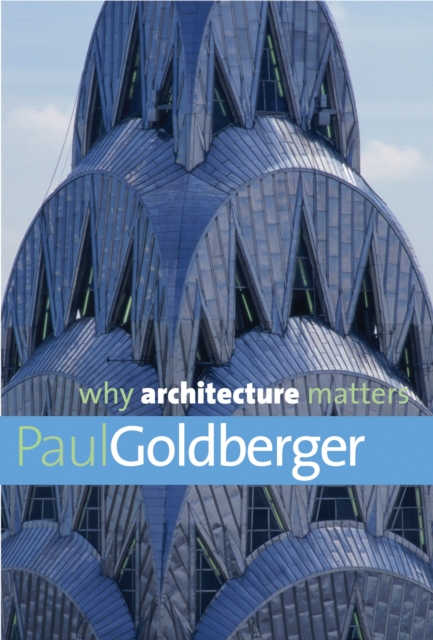
Why Architecture Matters is not a work of architectural history or a guide to the styles or an architectural dictionary, though it contains elements of all three.
Offering an in-depth consideration of the impact which humanities have had on the processes of architecture and design, this book asks how we can restore the traditional dialogue between intellectual enquiry in the humanities and design creativity.
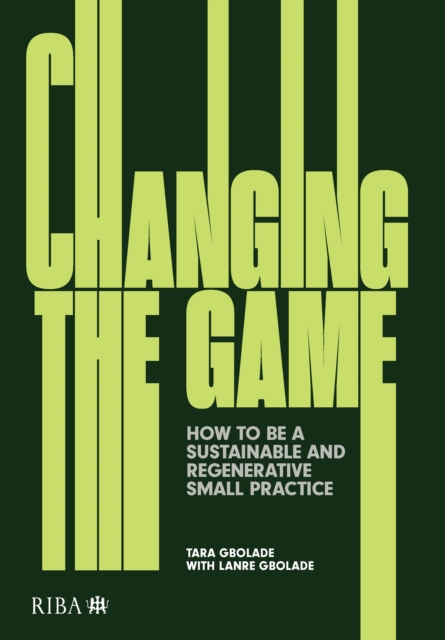
Architecture has hit something of a sticking point when it comes to adapting to contemporary life and its various concerns - the finite resources of the planet, the lack of diversity in the profession, the punishing lifestyle afforded by traditional practice models.
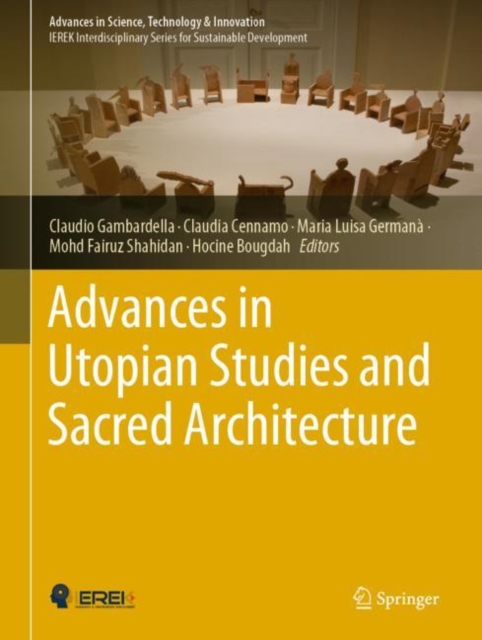
At a time dominated by the disappearance of Future, as claimed by the French anthropologist Marc Auge, Utopia and Religion seem to be two different ways of giving back an inner horizon to mankind.
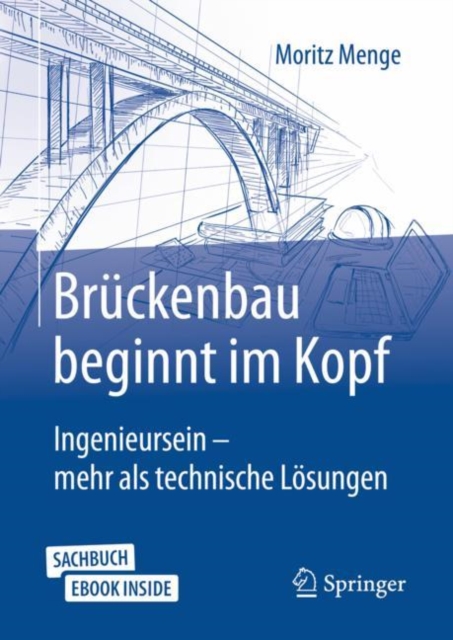
Es werden Grundsatzfragen des Handelns im Alltag von Bauingenieuren insbesondere im Hinblick auf den derzeitigen Stellenwert und die Wahrnehmung moralischer Verantwortung erörtert.
This book focuses on Luis Frois, a 16th-century Portuguese Jesuit and chronicler, who recorded his impressions of Japanese gardens, cities and building practices, tea-drinking rituals, Japan's unification efforts, cultural traditions, and the many differences between Europe and Japan in remarkable manuscripts almost lost to time.
This book analyzes a large number of typical tulou buildings and compact communities in detail, and painstakingly studies the way of life practiced in these communities, their defense systems, building techniques, spatial features, antithetical couplets culture, and historical origins.
This book introduces a ten-year-long design research project in the Yangtze River Delta (YRD), China, based on international cooperation studios, design workshops, a Ph.
The book discusses how division affect the fabric of cities, and people's sense of identity and agency, and are reflected in physical features, architecture, and urban planning.
This book is an approachable guide for students and professionals to learn parametric modeling through the lens of architectonics, allowing readers to pair fundamental ideas about architecture with parametric thinking.
This book proposes a new critical relationship between computation and architecture, developing a history and theory of representation in architecture to understand and unleash potential means to open up creativity in the field.
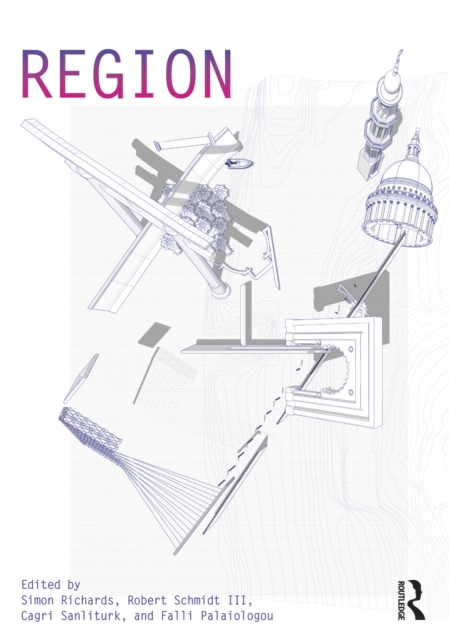
This edited collection explores the visibility of modernization in architecture produced in different capitalist regions across the world and provides readers with a historico-theoretical and historico-geographical discussion.
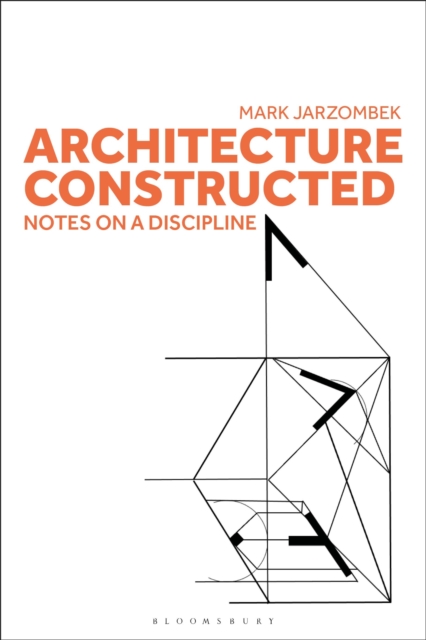
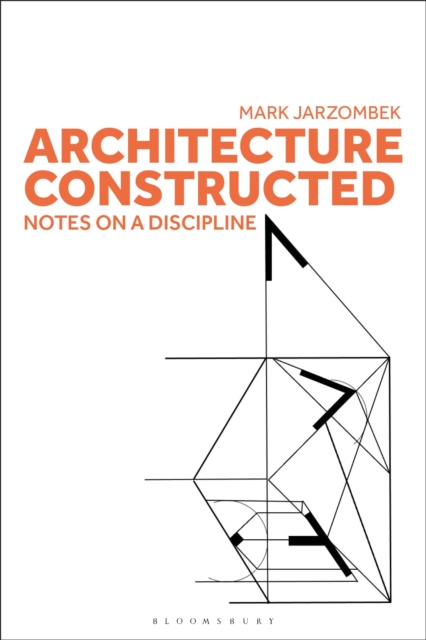
Architecture Constructed explores the central, open secret of architecture: the long-suppressed conflict between arche and teckton-between those who design, and those who build.
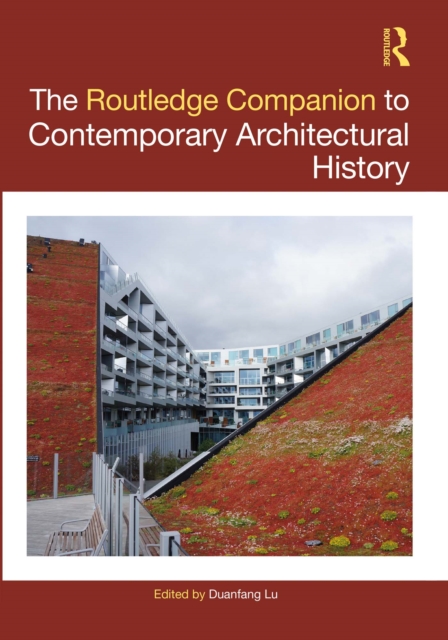
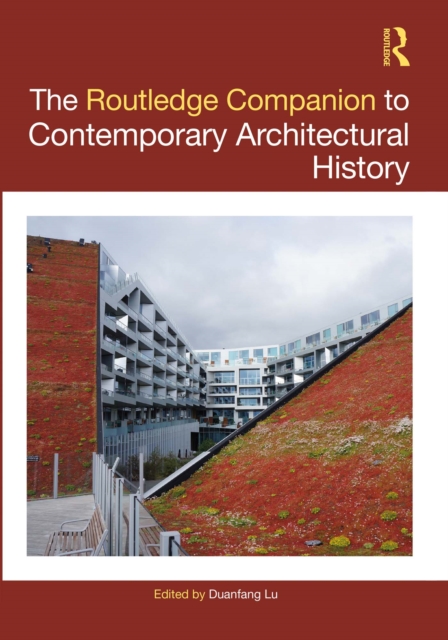
The Routledge Companion to Contemporary Architectural History offers a comprehensive and up-to-date knowledge report on recent developments in architectural production and research.
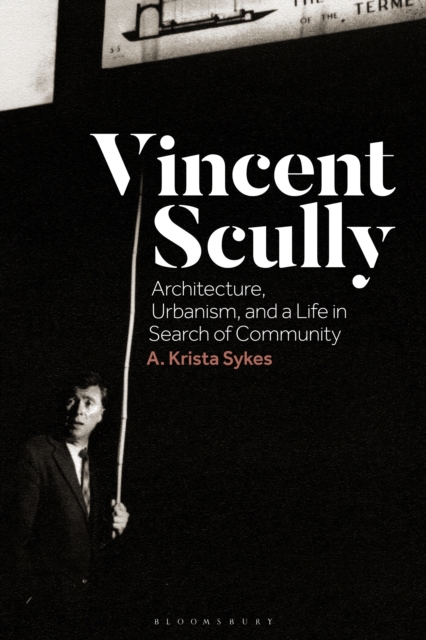
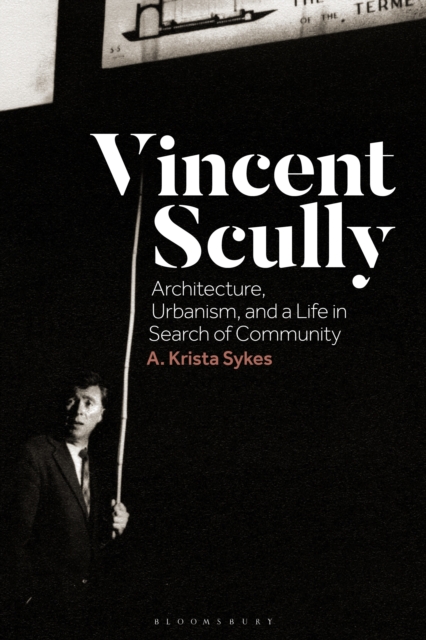
The renowned architectural historian and critic, beloved Yale professor, and outspoken public activist Vincent Scully (1920 2017) emerged in the 1950s as a guiding voice in American architecture.
The renowned architectural historian and critic, beloved Yale professor, and outspoken public activist Vincent Scully (1920 2017) emerged in the 1950s as a guiding voice in American architecture.
The Routledge Companion to Contemporary Architectural History offers a comprehensive and up-to-date knowledge report on recent developments in architectural production and research.
Architecture Constructed explores the central, open secret of architecture: the long-suppressed conflict between arche and teckton-between those who design, and those who build.