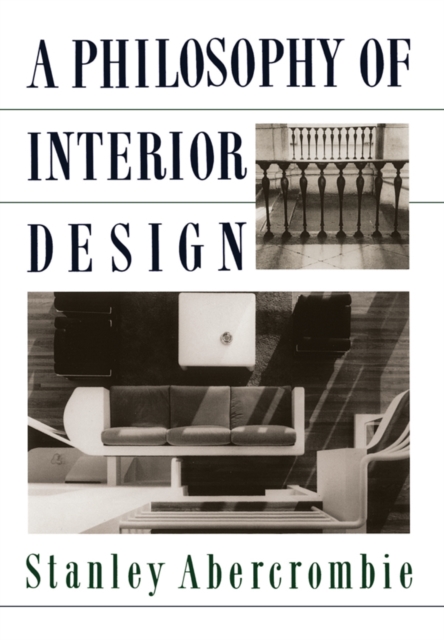
Originally published in 1985 this book explores, in four interwoven essays, the many ways human life and built form interact and the place that professional designing takes in this interaction.
Originally published in 1996, Stud: Architectures of Masculinity is an interdisciplinary exploration of the active role architecture plays in the construction of male identity.
Originally published in 1996, Stud: Architectures of Masculinity is an interdisciplinary exploration of the active role architecture plays in the construction of male identity.
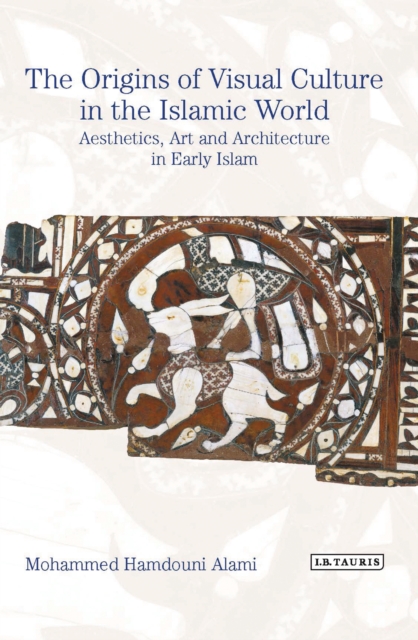
In tenth-century Iraq, a group of Arab intellectuals and scholars known as the Ikhwan al-Safa began to make their intellectual mark on the society around them.
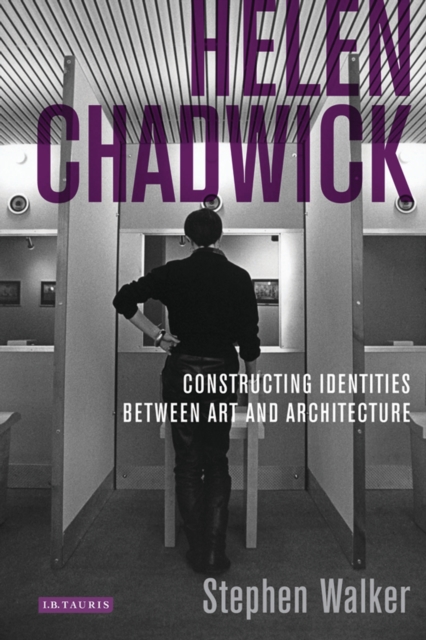
Highly respected by her peers and hugely influential on the subsequent generation of artists, the British artist Helen Chadwick produced a wideranging body of work in a variety of media, which shifted from early institutional and architectural critique to operatic installations, and to photographic projects and sculptures.
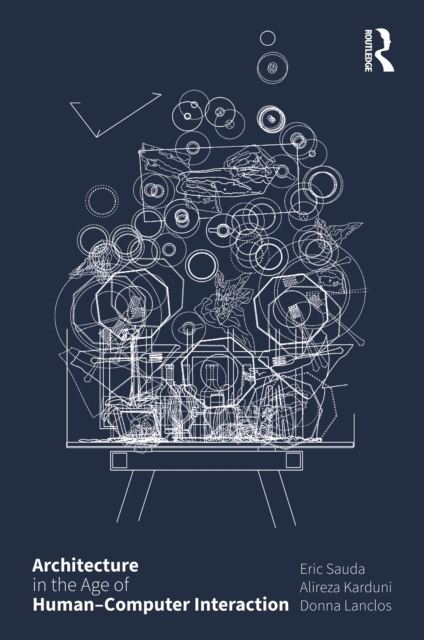
This book investigates the spaces where architecture and computer science share a common set of assumptions and goals, using methods and objectives from architecture, ethnography, and human-computer interaction (HCI).
The Architecture of Change: Building a Better World is a collection of articles that demonstrates the power of the human spirit to transform the environments in which we live.
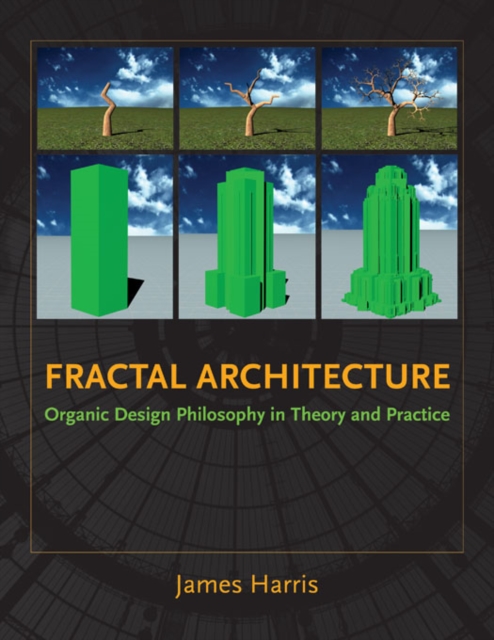
Throughout history, nature has served as an inspiration for architecture and designers have tried to incorporate the harmonies and patterns of nature into architectural form.
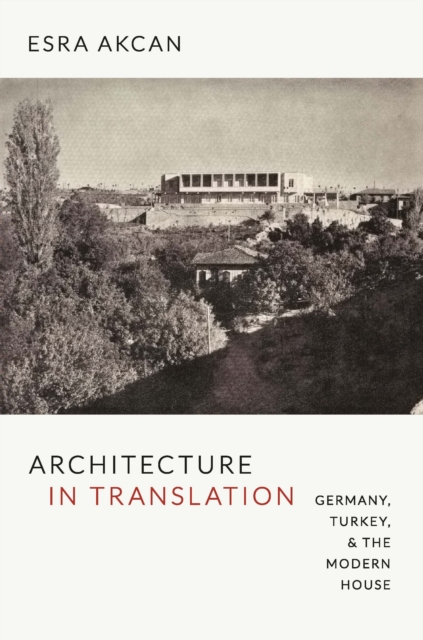
In Architecture in Translation, Esra Akcan offers a way to understand the global circulation of culture that extends the notion of translation beyond language to visual fields.
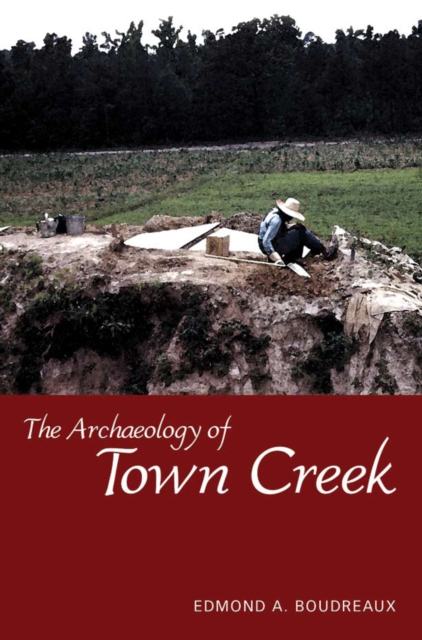
Provides new insights into the community pattern and leadership roles at a major Mississippian archaeological site The sequence of change for public architecture during the Mississippian period may reflect a centralization of political power through time.
Different concepts of the machine are pursued in essays on Fritz Lang's Metropolis, Alfred Jarry's pataphysical machines, and cosmological and political orders in sixteenth-century utopias.
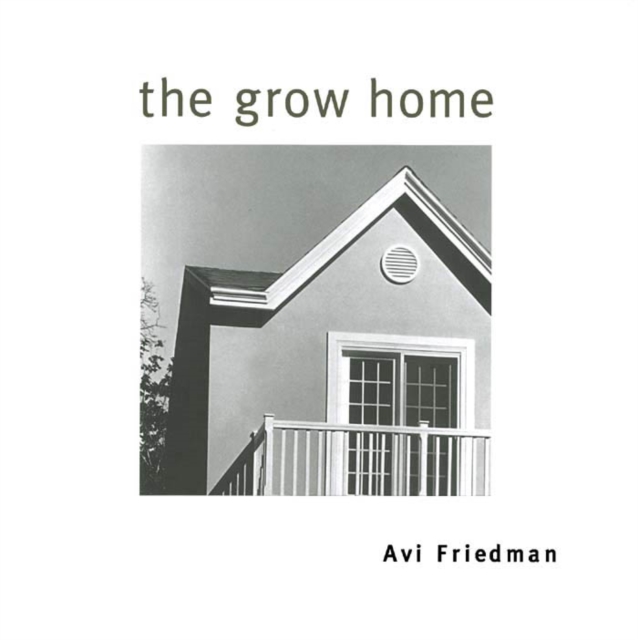
With economic restructuring, demographic shifts, and lifestyle changes, the traditional family - working father, stay-at-home mother, two to three children - is no longer the norm and the need for smaller homes at moderate cost has skyrocketed.
Michel Lincourt calls for a dignified architecture, centred around the concept of elegance, that will provide satisfaction to both its users and the surrounding society.
The thirteen essays in this collection include historical subjects as well as speculative theoretical "e;projects"e; that blur conventional boundaries between history and fiction.
Collins explains what Revivalism, Rationalism, Eclecticism, and Functionalism meant to those who practised them, examining the impact that social forces and the other arts and sciences had on architectural styles while recognizing the tectonic continuities that underlie the seeming ruptures between pre-modern, modern, and post-modern approaches to design.
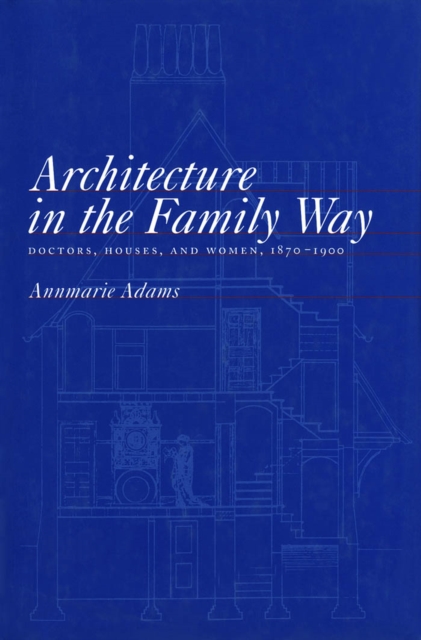
Adams argues that the many significant changes seen in this period were due not to architects' efforts but to the work of feminists and health reformers.
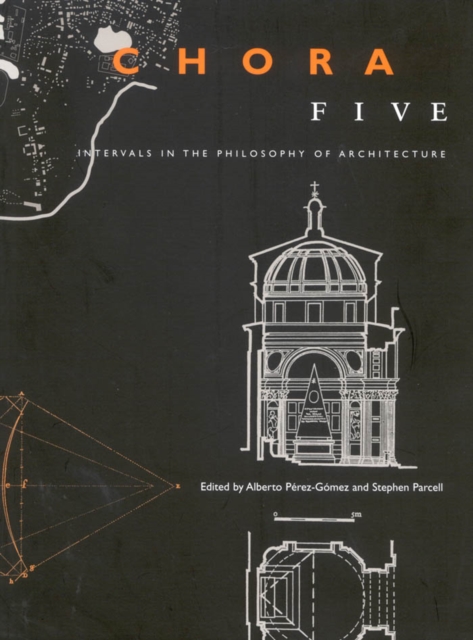
Contents Chora: The Space of Architectural Representation - Alberto Perez-Gomez - The Measure of Expression: Physiognomy and Character in the Nouvelle Methode of Jean-Jacques Lequeu - Jean-Francois Bedard - Michelangelo: The Image of the Human Body, Artifice, and Architecture - Helmut Klassen - Architecture as Site of Reception - Part I: Cuisine, Frontality, and the Infra-thin - Donald Kunze - Fictional Cities - Graham Livesey - Instrumentality and the Organic Assistance of Looms - Indra Kagis McEwen - Space and Image in Andrey Tarkovsky's "e;Nostalgia"e;: Notes on a Phenomenology of Architecture in Cinema - Juhani Pallasmaa - The Momentary Modern Magic of the Panorama - Stephen Parcell - The Building of a Horizon - Louise Pelletier - Anaesthetic Induction: An Excursion into the World of Visual Indifference - Natalija Subotincic.
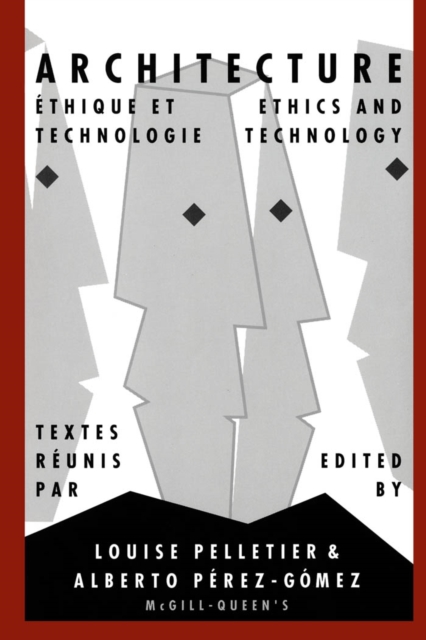
An enlightened discussion of all relevant aspects of architecture shows the necessity for revision of commonly held assumptions about the nature of architectural history, theory, representation, and ideation; the production of buildings in the postindustrial city; and professional ethics.
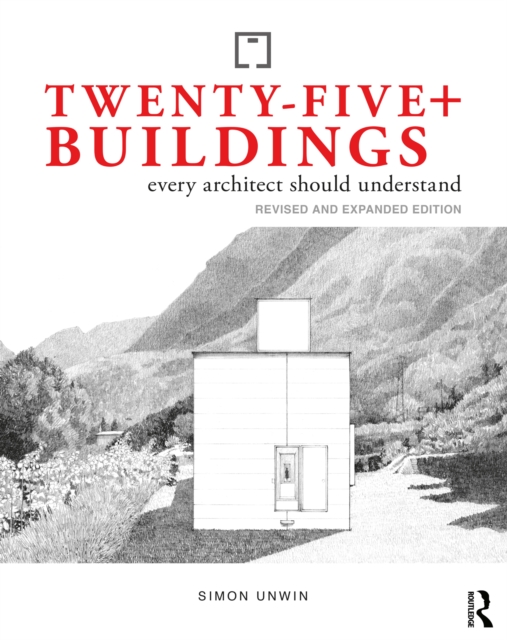
The underlying theme of Twenty-Five+ Buildings Every Architect Should Understand is the relationship of architecture to the human being, how it frames our lives and orchestrates our experience; how it can help us make sense of the world and contribute to our sense of identity and place.
A beloved multidisciplinary treatise comes to Penguin Classics
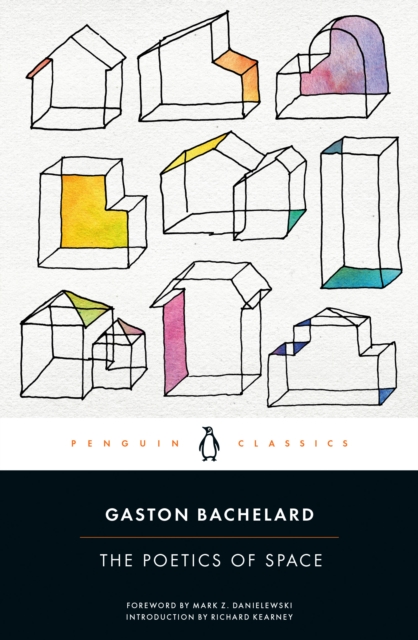
Since its initial publication in 1958, The Poetics of Space has been a muse to philosophers, architects, writers, psychologists, critics, and readers alike.
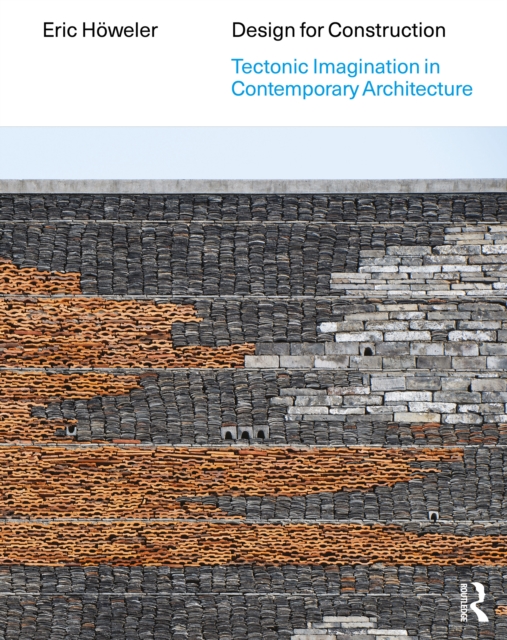
Arguing that a gulf exists between design and construction, between conceptual thinking and the constructed building, this book explores projects and practices that span the gap by thinking through materials and processes with what Howeler calls a tectonic imagination.
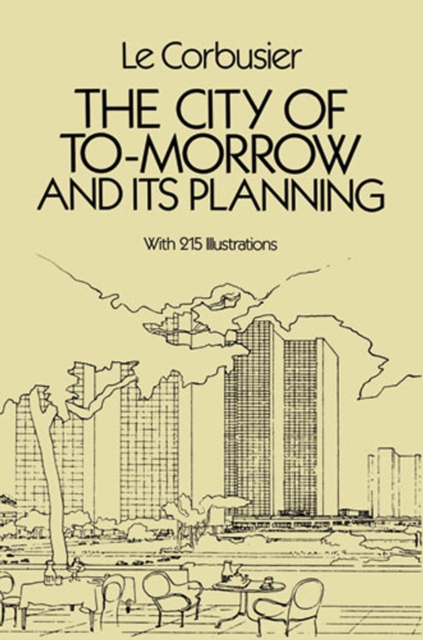
In this 1929 classic, the great architect Le Corbusier turned from the design of houses to the planning of cities, surveying urban problems and venturing bold new solutions.
Architecture's Disability Problem explores the intersection of architecture and disability in the United States from the perspective of professional practice.
Architectures: Modernism and After surveys the history of the building from the advent of industrialization to the cultural imperatives of the present moment.
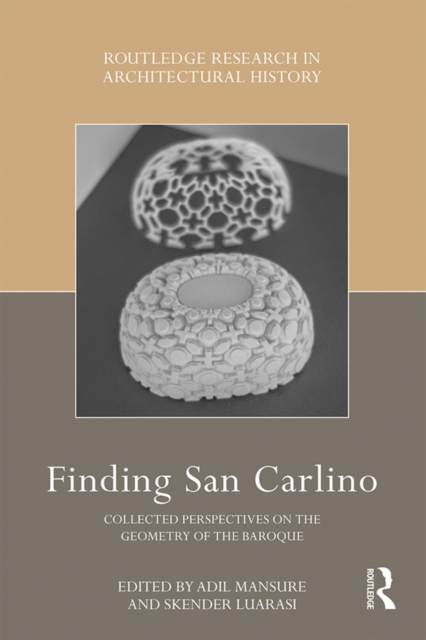
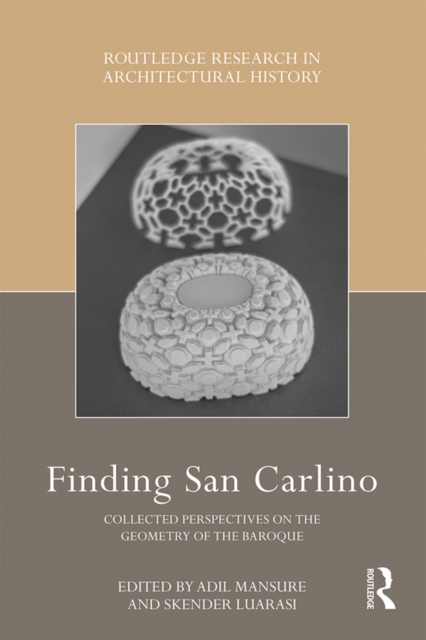
The church of San Carlo alle Quattro Fontane, also called San Carlino, is an architectural artefact that continues to attract numerous hypotheses and geometric analyses attempting to explain its form and meaning.
The church of San Carlo alle Quattro Fontane, also called San Carlino, is an architectural artefact that continues to attract numerous hypotheses and geometric analyses attempting to explain its form and meaning.
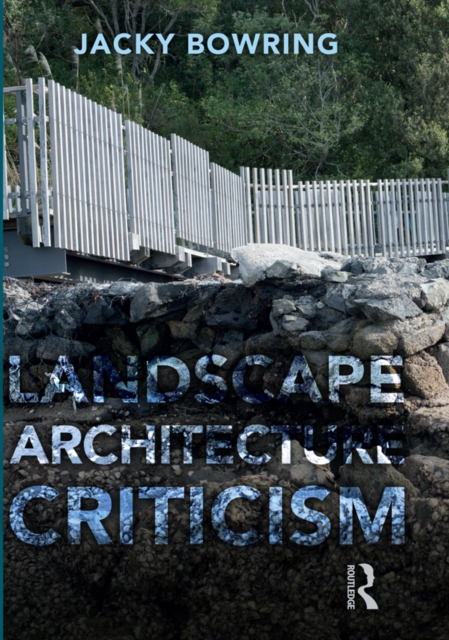
Landscape Architecture Criticism offers techniques, perspectives and theories which relate to landscape architecture, a field very different from the more well-known domains of art and architectural criticism.
Landscape Architecture Criticism offers techniques, perspectives and theories which relate to landscape architecture, a field very different from the more well-known domains of art and architectural criticism.
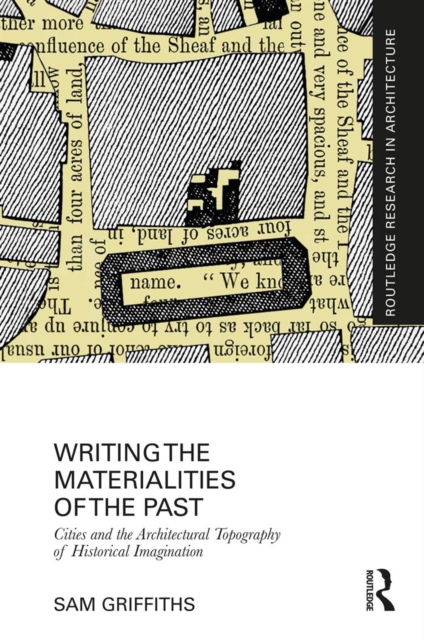
Writing the Materialities of the Past offers a close analysis of how the materiality of the built environment has been repressed in historical thinking since the 1950s.
Writing the Materialities of the Past offers a close analysis of how the materiality of the built environment has been repressed in historical thinking since the 1950s.