At a time of unprecedented levels of change in the production of building materials and their deployment in construction, better theoretical and historical tools are needed to understand these new developments and how they are altering the practices and concepts of architecture.
Paves the path for the adoption and effective implementation of BIM by design firms, emphasizing the design opportunities that this workflow affords This book expands on BIM (Building Information Modeling), showing its applicability to a range of design-oriented projects.
Paves the path for the adoption and effective implementation of BIM by design firms, emphasizing the design opportunities that this workflow affords This book expands on BIM (Building Information Modeling), showing its applicability to a range of design-oriented projects.
This book outlines, within the Italian national framework, the current and potential paths oriented towards a new concept of Architectural Heritage, through actions referring to Innovation and Experimentation and Protection and Transformation of the Architectural Heritage.
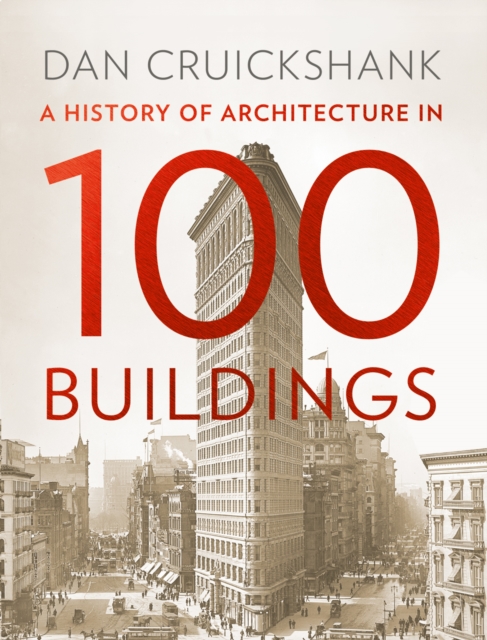
Featuring over 200 photographs, this stunning book by renowned television historian Dan Cruickshank tells the history of architecture through the stories of 100 iconic buildingsJourneying through time and place, from the ancient Egyptian pyramids to the soaring skyscrapers of Manhattan, renowned architectural historian Dan Cruickshank explores the most impressive and characterful creations in world architecture.
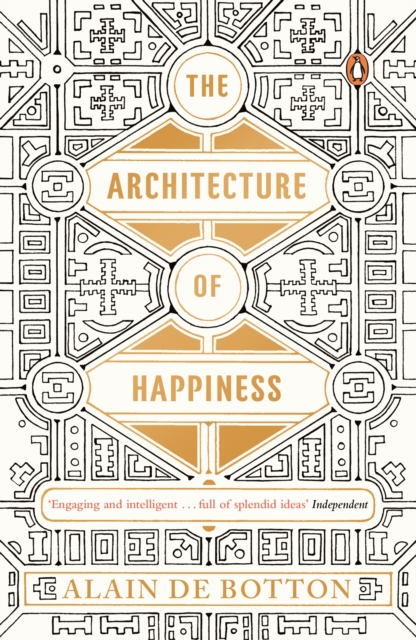
THE NUMBER ONE INTERNATIONAL BESTSELLER From one of our greatest voices in modern philosophy, author of The Course of Love and The School of Life, this book explores the fascinating hidden links between the buildings we live in and our long-term wellbeing.
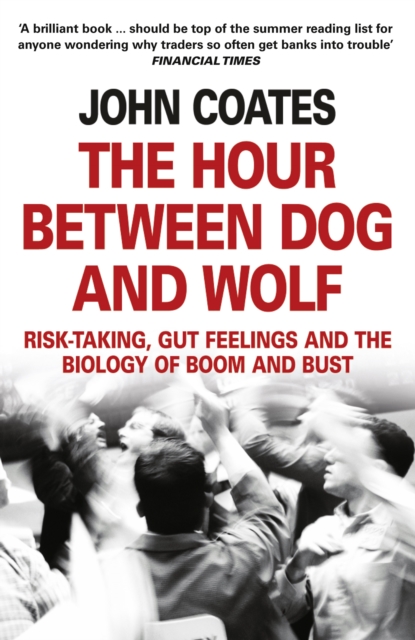
Now shortlisted for the 2012 Financial Times Business Book of the Year Award and the Wellcome Trust Book Prize, The Hour Between Dog and Wolf is a resonant exploration of economic behaviour and its consequences.
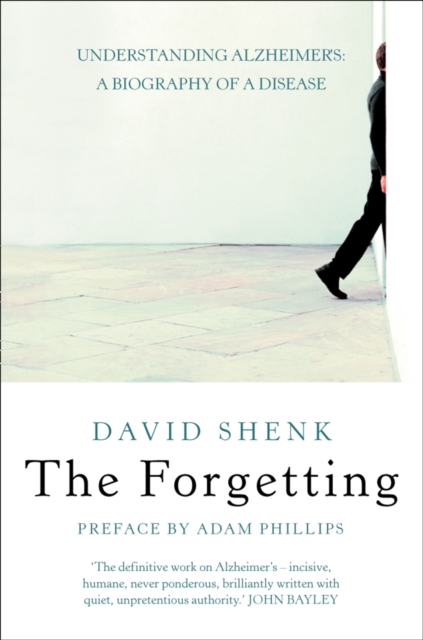
Winner of the 2002 BMA Popular Medicine Book Prize: This is a haunting literary and scientific examination of Alzheimer's disease and the race to find a cure.
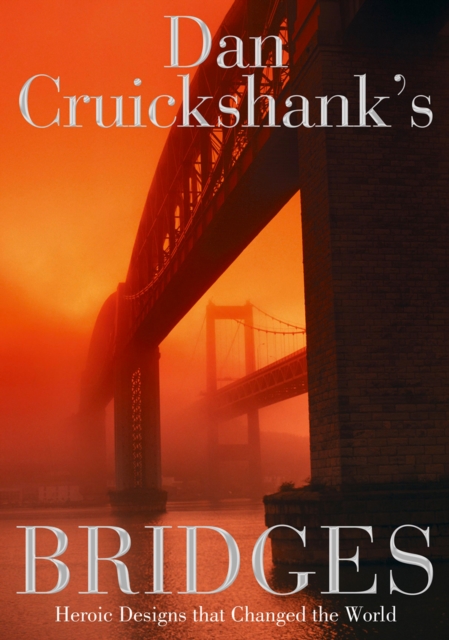
Dan Cruickshank's personal, passionate and learned journey into the very awe-inspiring architectural icons which have transformed culture, society, industry and landscapes throughout the world - bridges.
'Truly eye-opening' The TimesDiscover what your dog is thinking in this groundbreaking book by a world-renowned neuroscientist and a highly respected dog trainer.
A profound meditation on how design reflects the uses and abuses of power from the Pulitzer Prize-nominated author of Time and the Art of Living “If good design tells the truth,” writes Robert Grudin in this path-breaking book on esthetics and authority, “poor design tells a lie, a lie usually related .
Why Architecture Matters is not a work of architectural history or a guide to the styles or an architectural dictionary, though it contains elements of all three.
From Noah''s Ark to Diller + Scofidio''s “Blur” Building, a distinguished art historian maps new ways to think about architecture''s origin and development.
How architecture can move beyond the contemporary enthusiasms for the technically sustainable and the formally dazzling to enhance our human values and capacities.
A vision of architecture that transcends concerns of form and function and finds the connections between the architect''s wish to design a beautiful world and architecture''s imperative to provide a better place for society.
Reflections on architecture and the exchange of information in the spaces and places of the city, from the necessity of skyscrapers in an age of Web sites to cities as talent magnets, from architectural bling to the neo-minimalism of the new MoMA.
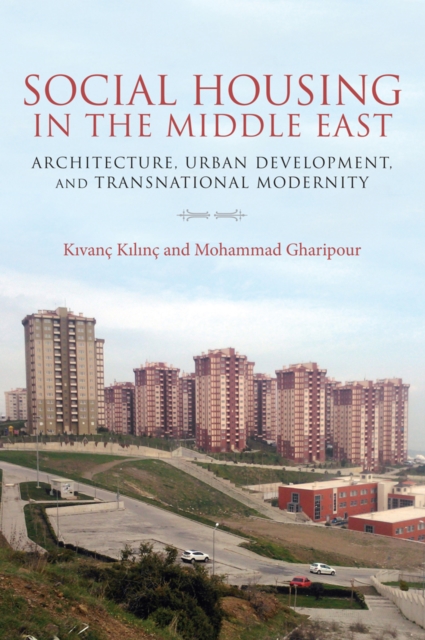
As oil-rich countries in the Middle East are increasingly associated with soaring skyscrapers and modern architecture, attention is being diverted away from the pervasive struggles of social housing in those same urban settings.
As oil-rich countries in the Middle East are increasingly associated with soaring skyscrapers and modern architecture, attention is being diverted away from the pervasive struggles of social housing in those same urban settings.
Beautifully designed and featuring breathtaking photography, this book from the creator of The Modern House makes the perfect coffee table book and is the ultimate gift for home design enthusiasts 'A source of fascination, inspiration and fantasy' GuardianIn 2005, childhood friends Matt Gibberd and Albert Hill set out to convince people of the power of good design and its ability to influence our wellbeing.
Liquid Architecture challenges the idea of architecture as a fixed, inert container and reconceptualises it as a body whose boundaries are rather blurred and ever-changing.
Discover and explore the most incredible statues, monuments, temples, bridges, and ancient cities with this unparalleled survey of the most famous buildings and structures ever created by humans.
The story of how the concept of a pantheon, a building honouring great individuals, spread across Revolutionary Europe and interacted with socio-political and cultural changes.
This book argues that architecture and the city and their processes can be better understood by drawing categories from disciplines that exceed the architectural and urban cultural context.
Situated at the crossroads of the foreign and the vernacular, Quito-the capital of Ecuador, with its world-famous yet understudied built environment-stands as a testament to architectural in-betweenness.
The Culture of Building describes how the built world, including the vast number of buildings that are the settings for people's everyday lives, is the product of building cultures--complex systems of people, relationships, building types, techniques, and habits in which design and building are anchored.
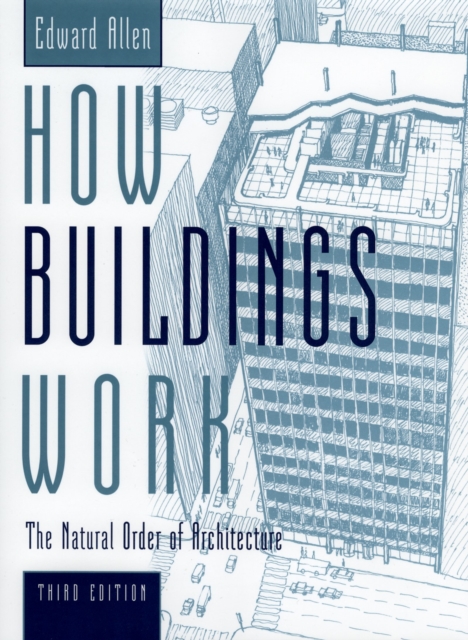
Illustrated with hundreds of illuminating line drawings, this classic guide reveals virtually every secret of a building's function: how it stands up, keeps its occupants safe and comfortable, gets built, grows old, and dies--and why some buildings do this so much better than others.