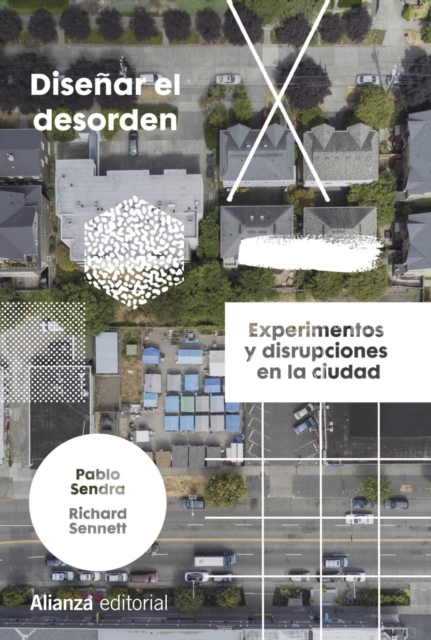
En el complejo y vibrante laboratorio a cielo abierto de nuestros espacios urbanos, donde se manifiestan nuestras contradicciones y se experimentan los cambios en los hábitos y modos de vida, se concentran también los grandes retos del desarrollo de la humanidad.
Este libro quiere ser un lugar de fácil acceso para la historia del Teatro Español, un espacio emblemático en Europa y cuya historia es tan amplia que sorprende incluso a aquellos especialistas que, conociéndola bien, vuelven a sumergirse en ella a la búsqueda de nuevos datos o episodios poco conocidos.
Das oberste strategische Ziel jedes ambitionierten Wissensarbeiters ist es, in den eigenen vier Wanden eine Umgebung zu erschaffen, die unbegrenzte Fokussierung, maximale Produktivitat und absolute professionelle Dominanz ermoglicht.
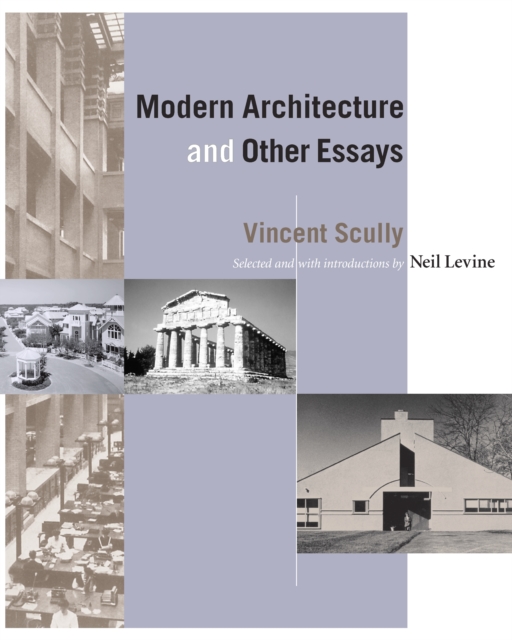
Rasgo distintivo estético y estructural de las ciudades del siglo XX, cuyo perfil ha transformado, la "arquitectura moderna" nace y se desarrolla en buena parte del globo entre 1910 y 1970.
BIM Manager ofrece una gran cantidad de conocimientos y orientación práctica para entender e implementar el Modelado de Información de la Construcción.
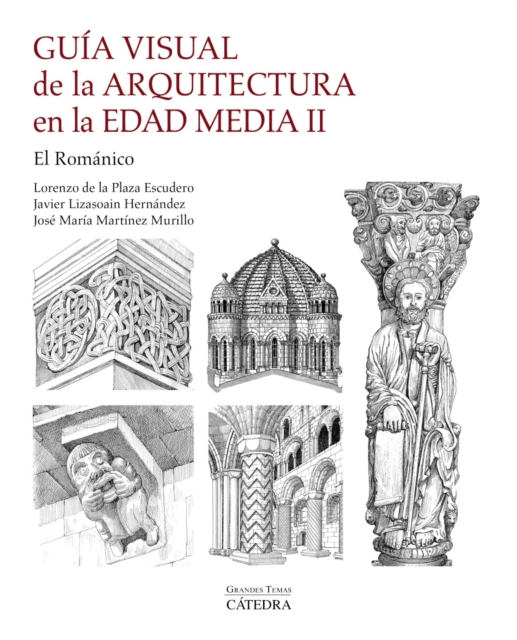
Esta obra centrada en el Románico continúa la estela de los volúmenes "Guía visual de la arquitectura del Mundo Antiguo" y "Guía visual de la arquitectura en la Edad Media I".
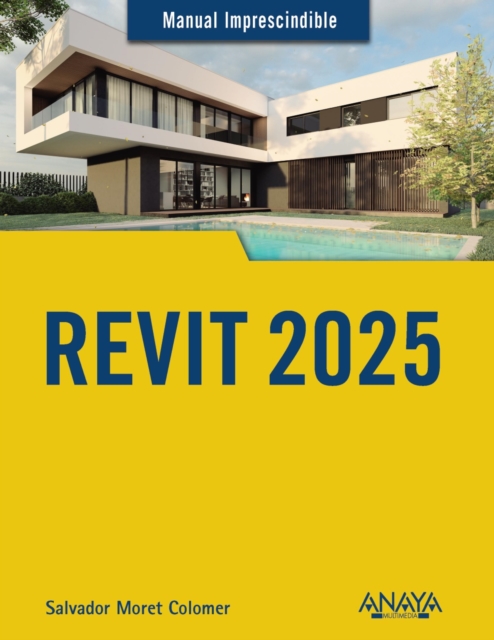
Este libro está basado en la experiencia profesional del autor como arquitecto redactor de proyectos en BIM, pero también en su labor docente, con más de 6000 horas de formación impartidas solo en Revit.
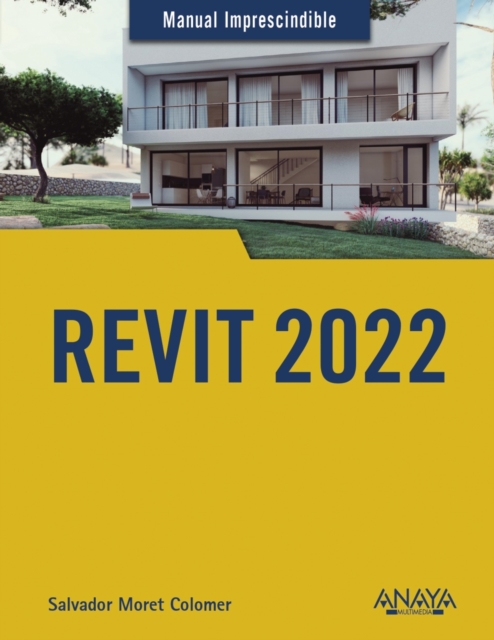
Este libro está basado en la experiencia profesional del autor como arquitecto redactor de proyectos en BIM, pero también en su labor docente, con más de 10 000 horas de formación impartidas solo en Revit.
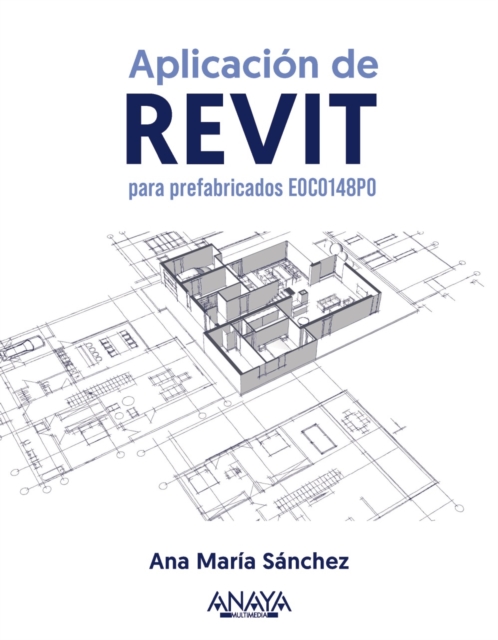
En este libro (que está basado en el curso EOCO0148PO de la Formación para el Empleo estatal), la autora ha volcado su experiencia como docente y como profesional del mundo de la arquitectura.
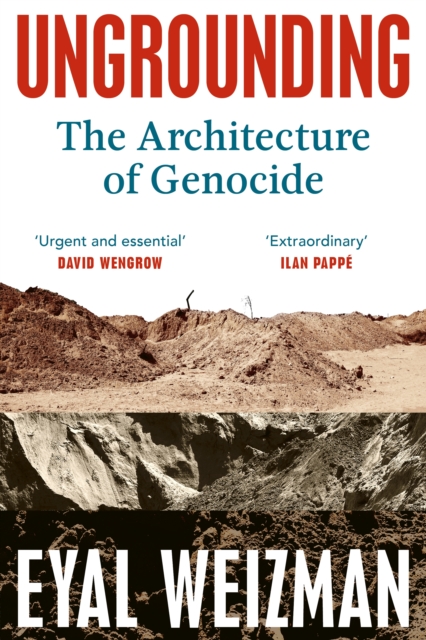
A devastating, meticulous account of the history of Israel s destruction of Gaza from an acclaimed architect and investigator'Urgent and essential' DAVID WENGROW'Extraordinary' ILAN PAPP Eyal Weizman is one of the world s leading experts on the relationship between violence, conflict and the environment, both built and natural.
The way we heat, cool and ventilate our buildings is central to many of today's concerns, includingproviding comfortable, healthy and productive environments, using energy and materials efficiently,and reducing greenhouse gas emissions.
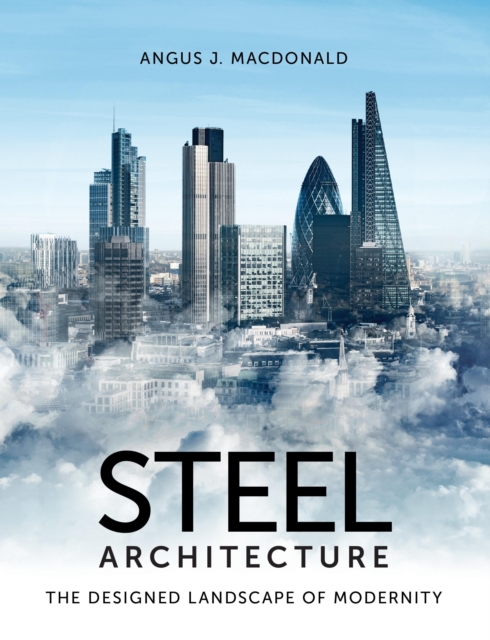
Steel Architecture offers a re-interpretation of Modernist design through an examination of the history of metal-framed buildings, from the mills, warehouses and spectacular glasshouses of the nineteenth century to the multi-form, tall towers which currently characterize the skylines of the world's major cities.
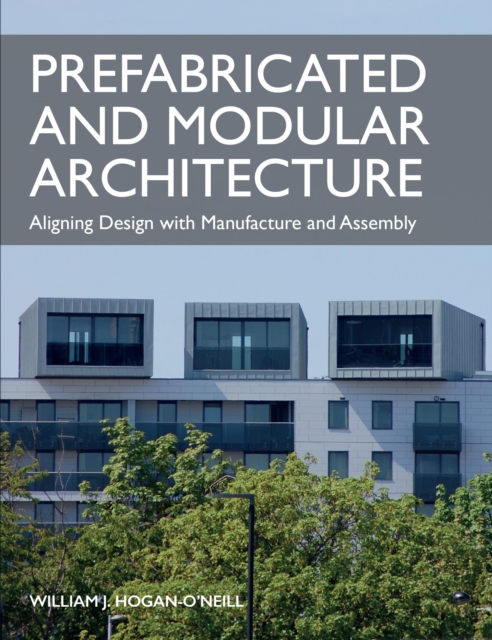
Prefabricated and Modular Architecture demystifies age-old perceptions surrounding prefabrication and modularization of buildings, offering a fresh approach to design and procurement.
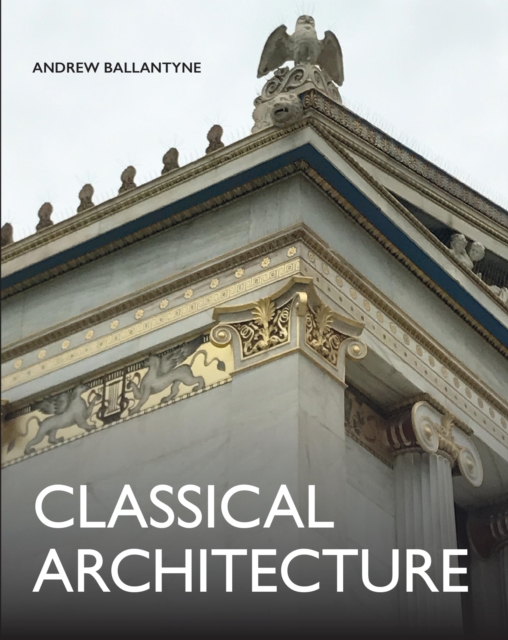
Lavishly illustrated and accessibly written, Classical Architecture takes the reader on a journey through the history of this iconic architectural genre, starting with an introduction to its origins in ancient Greece, through its resurgence across Europe during the Renaissance, to its influence on modern-day architectural design in locations as diverse as Shanghai and Washington DC.
Acosados por la privatización, la planificación urbanística obsesiva, la vigilancia policial y la especulación, los espacios que habitamos se vuelven cada vez más inhóspitos, recipientes cerrados que coartan la acción y limitan la experiencia vibrante que constituía la riqueza humana de las grandes ciudades.
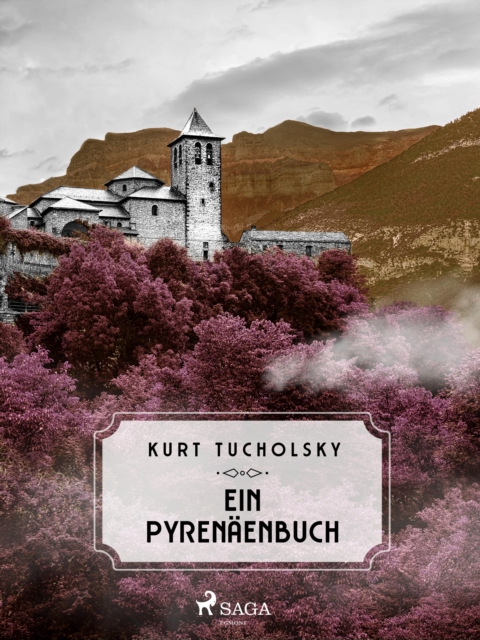
Auf eine sehr humorvolle und lebendige Weise nimmt uns der Autor mit auf eine Reise durch die Pyrenäen, auf der wir die Kultur, Bauernvölker, Stierkämpfe und die wundervolle Landschaft kennenlernen.
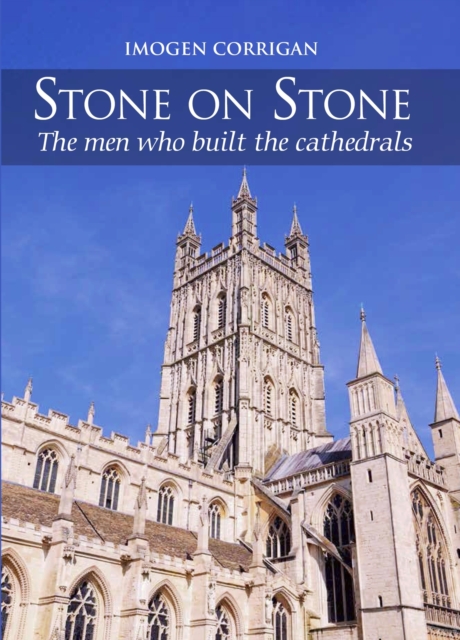
Standing in the nave of a cathedral, it is hard not to wonder how ordinary human beings could have created sky-scraping, dizzyingly high buildings on which even the top-most parts were delicately decorated, in an age before even the simplest of power tools.
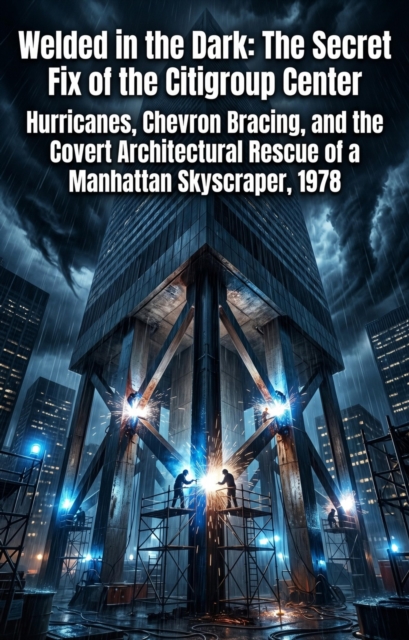
What do you do when you discover that the stunning, highly innovative 59-story skyscraper you just built in the center of Manhattan has a fatal mathematical flaw, and is mathematically guaranteed to blow over and collapse if hit by a major hurricane?
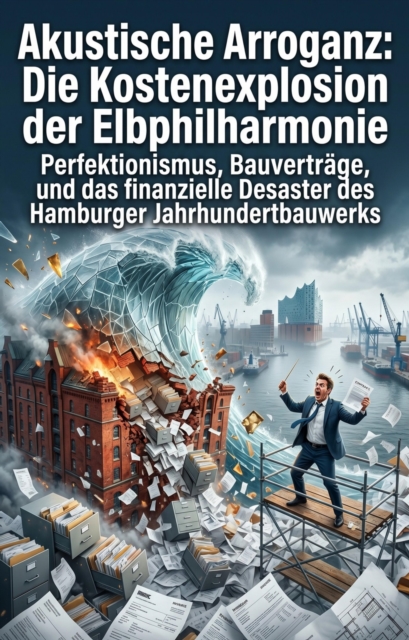
Wie kann ein Prestigeprojekt, das ursprünglich mit 77 Millionen Euro Steuergeldern veranschlagt war, am Ende über 800 Millionen Euro verschlingen und dennoch weltweit als Triumph gefeiert werden?
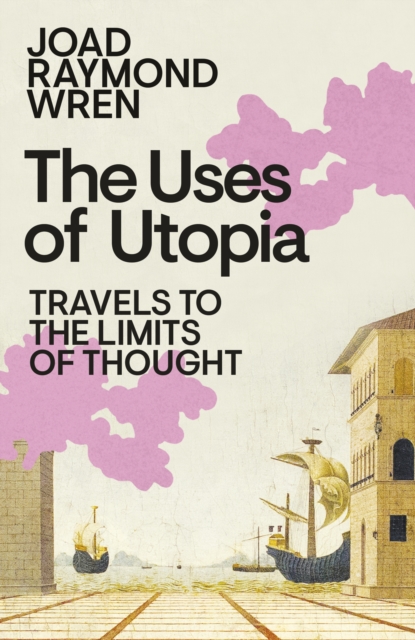
'This fascinating intellectual history of imagined paradises takes us from Thomas More to Ursula K Le Guin' (Guardian)Utopia is not somewhere you can go.
Blackjackal is a new three card game that takes quick analytic thinking from blackjack, table aggression and blluffing from hold 'em poker and transports the player to the hot savanna of a new and fierce gambling experience.
A definitive intellectual history of landscape urbanismIt has become conventional to think of urbanism and landscape as opposing one another-or to think of landscape as merely providing temporary relief from urban life as shaped by buildings and infrastructure.
Analyzing "e;totalitarianism from below"e; in a crucial area of Soviet culture, Hugh Hudson shows how Stalinist forces within the architectural community destroyed an avant-garde movement of urban planners and architects, who attempted to create a more humane built environment for the Soviet people.
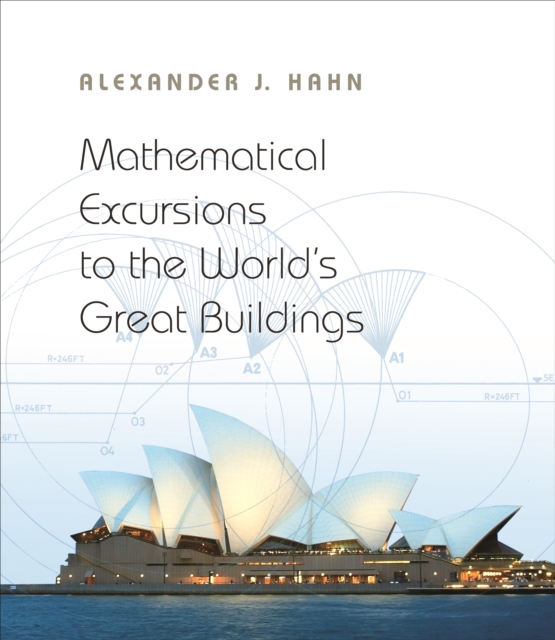
How mathematics helped build the world's most important buildings from early Egypt to the presentFrom the pyramids and the Parthenon to the Sydney Opera House and the Bilbao Guggenheim, this book takes readers on an eye-opening tour of the mathematics behind some of the world's most spectacular buildings.
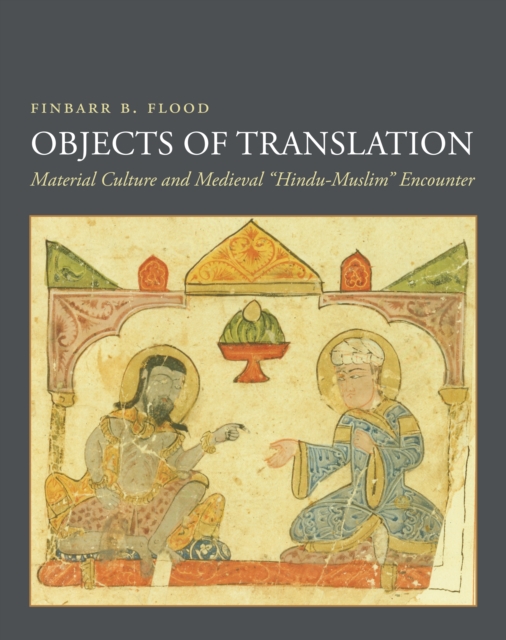
Objects of Translation offers a nuanced approach to the entanglements of medieval elites in the regions that today comprise Afghanistan, Pakistan, and north India.
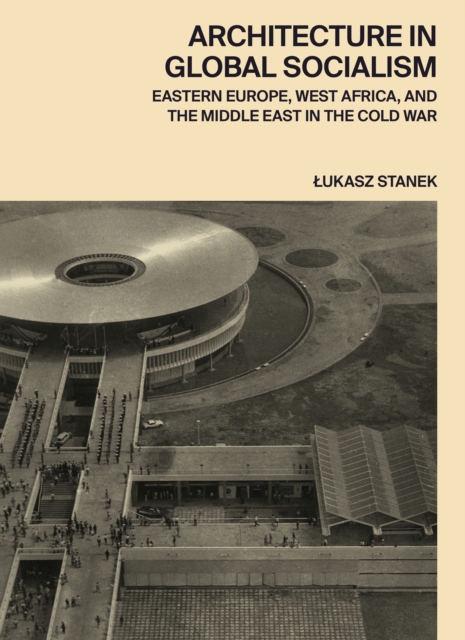
How socialist architects, planners, and contractors worked collectively to urbanize and develop the Global South during the Soviet eraIn the course of the Cold War, architects, planners, and construction companies from socialist Eastern Europe engaged in a vibrant collaboration with those in West Africa and the Middle East in order to bring modernization to the developing world.