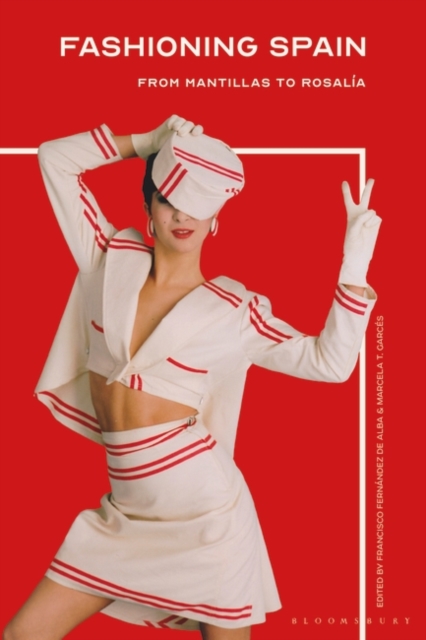
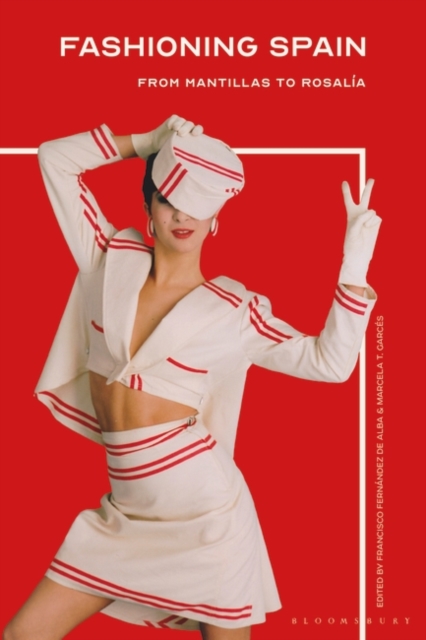
Fashioning Spain is a cultural history of Spanish fashion in the 20th and 21st centuries, a period of significant social, political, and economic upheaval.
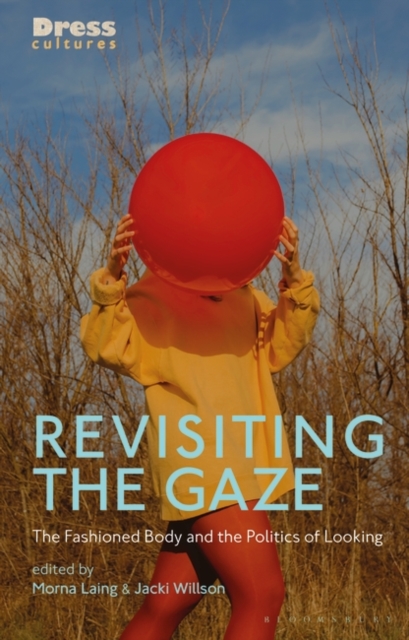
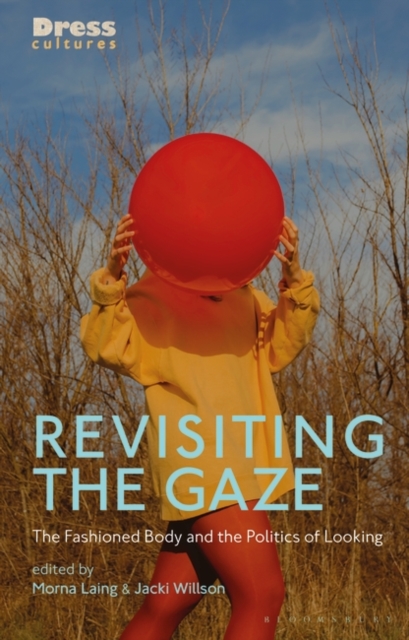
In 1975 Laura Mulvey published her seminal essay on the male gaze, ushering in a new era in understanding the politics and theory of looking at the female body.
In 1975 Laura Mulvey published her seminal essay on the male gaze, ushering in a new era in understanding the politics and theory of looking at the female body.
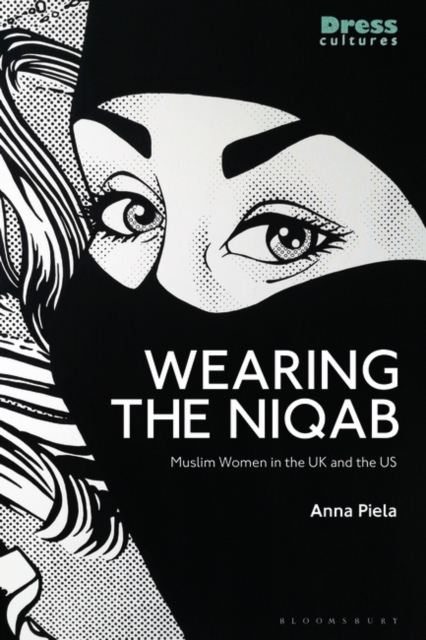
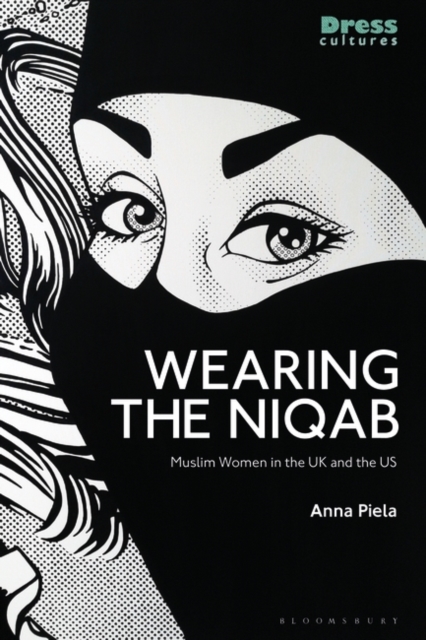
Bringing niqab wearers' voices to the fore, discussing their narratives on religious agency, identity, social interaction, community, and urban spaces, Anna Piela situates women's accounts firmly within UK and US socio-political contexts as well as within media discourses on Islam.
Bringing niqab wearers' voices to the fore, discussing their narratives on religious agency, identity, social interaction, community, and urban spaces, Anna Piela situates women's accounts firmly within UK and US socio-political contexts as well as within media discourses on Islam.
Fashioning Spain is a cultural history of Spanish fashion in the 20th and 21st centuries, a period of significant social, political, and economic upheaval.
Just as the clothes we wear can communicate our personality and how we want to be perceived, so fashion can reflect the politics and preoccupations of the society that produced it.
Just as the clothes we wear can communicate our personality and how we want to be perceived, so fashion can reflect the politics and preoccupations of the society that produced it.
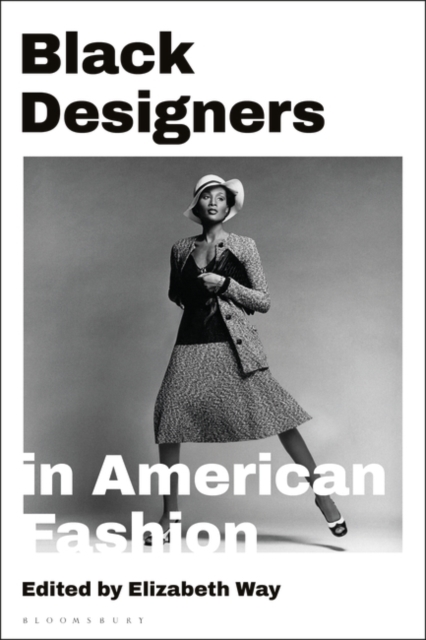
From Elizabeth Keckly's designs as a freewoman for Abraham Lincoln's wife to flamboyant clothing showcased by Patrick Kelly in Paris, Black designers have made major contributions to American fashion.
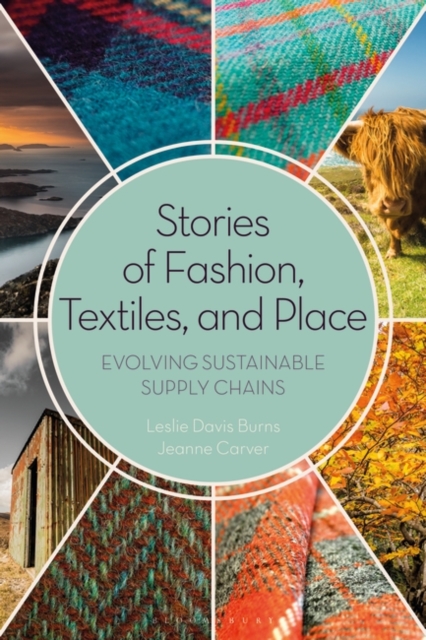
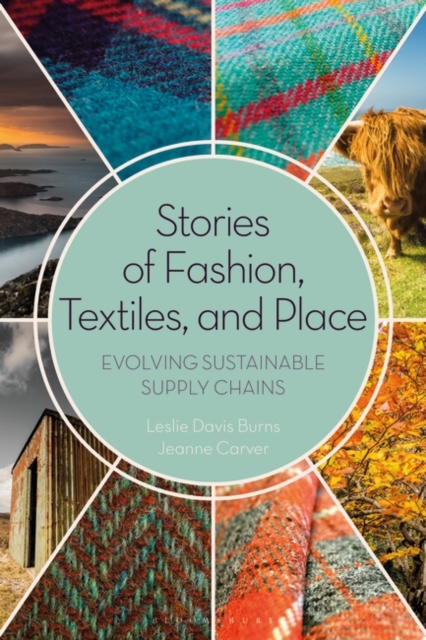
Stories of Fashion, Textiles, and Place follows the journeys of five companies with evolving sustainable supply chains in the fashion and textile industry.
Stories of Fashion, Textiles, and Place follows the journeys of five companies with evolving sustainable supply chains in the fashion and textile industry.
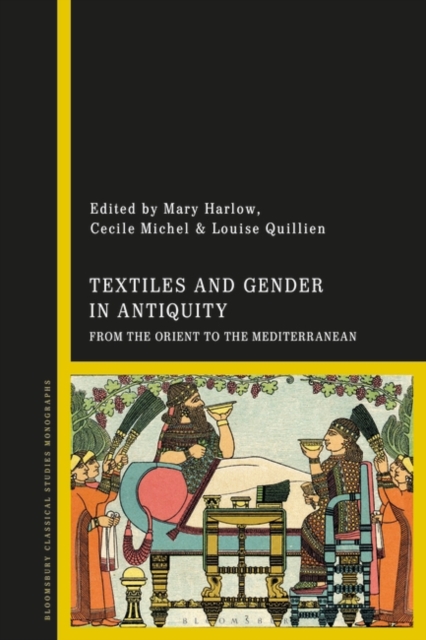
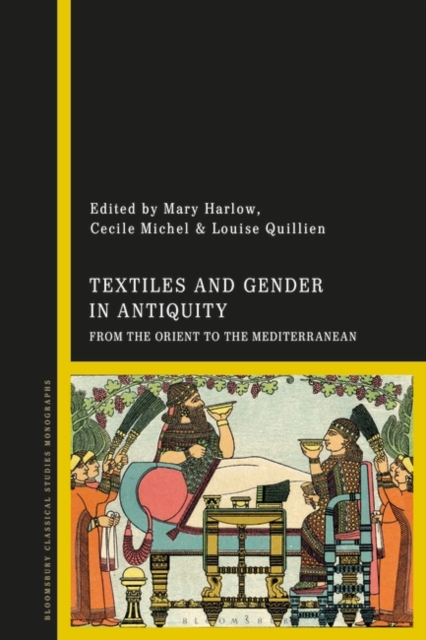
This volume looks at how the issues of textiles and gender intertwine across three millennia in antiquity and examines continuities and differences across time and space – with surprising resonances for the modern world.
This volume looks at how the issues of textiles and gender intertwine across three millennia in antiquity and examines continuities and differences across time and space – with surprising resonances for the modern world.
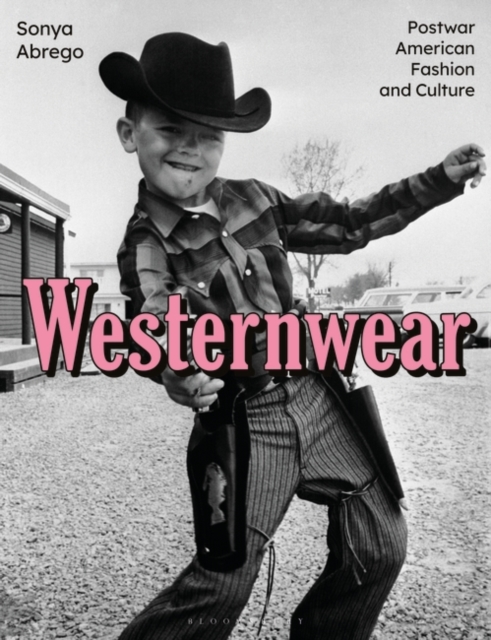
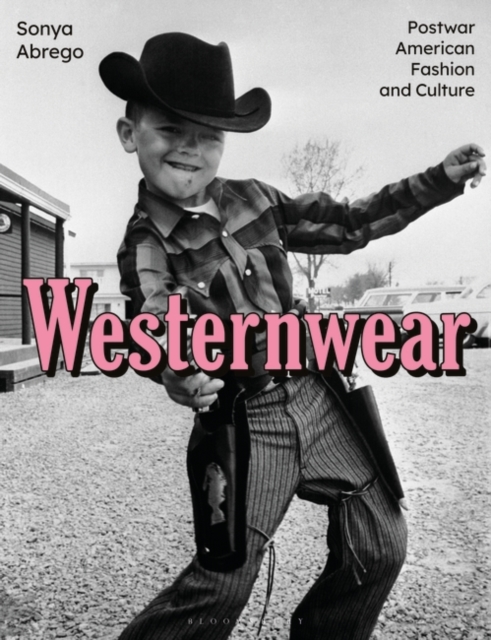
During the prosperous, forward-thinking era after the Second World War, a growing number of men, women, and children across the United States were wearing fashions that evoked the Old West.
During the prosperous, forward-thinking era after the Second World War, a growing number of men, women, and children across the United States were wearing fashions that evoked the Old West.
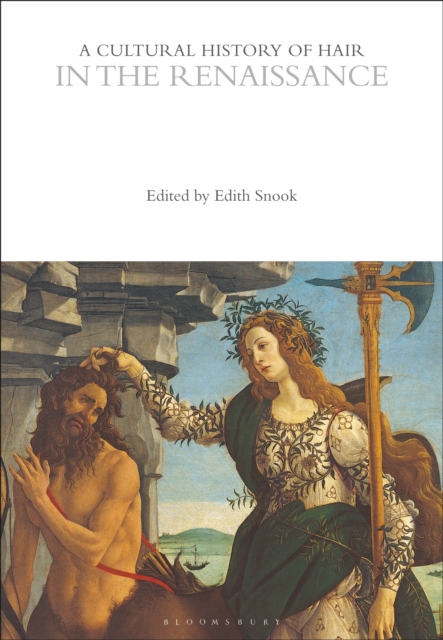
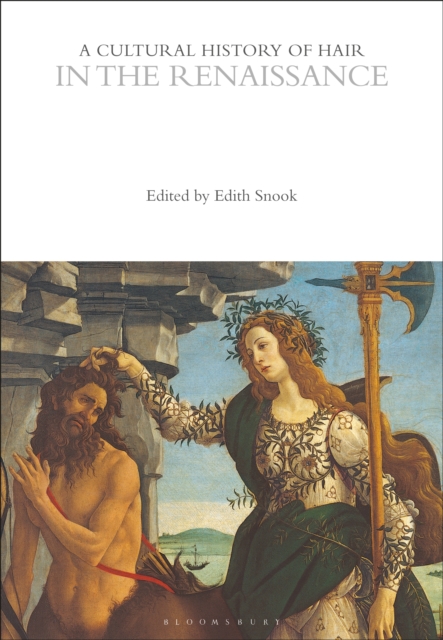
In the period 1450 to 1650 in Europe, hair was braided, curled, shaped, cut, colored, covered, decorated, supplemented, removed, and reused in magic, courtship, and art, amongst other things.
In the period 1450 to 1650 in Europe, hair was braided, curled, shaped, cut, colored, covered, decorated, supplemented, removed, and reused in magic, courtship, and art, amongst other things.
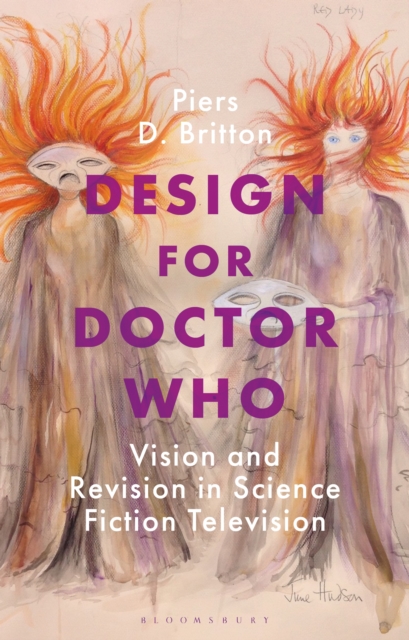
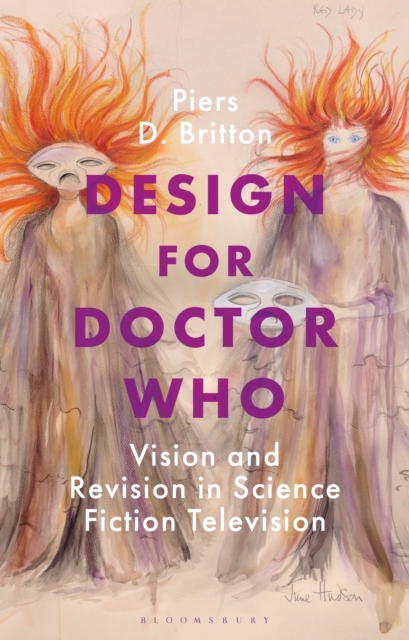
The long-running popular TV series Doctor Who is, Piers Britton argues, a 'uniquely design intensive text': its time-and-space-travel premise requires that designers be tirelessly imaginative in devising new worlds and entities and recreating past civilizations.
The long-running popular TV series Doctor Who is, Piers Britton argues, a 'uniquely design intensive text': its time-and-space-travel premise requires that designers be tirelessly imaginative in devising new worlds and entities and recreating past civilizations.
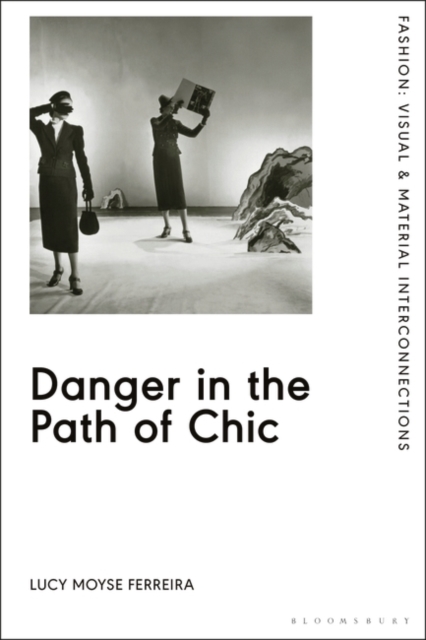
During the interwar years, a proliferation of violence encroached upon the glossy, idealistic world of fashion: from the curiously common appearance of dismembered heads in fashion illustration, to seemingly torturous techniques and devices advertised by beauty imagery, even extending to garments designed to look assaulted and destroyed.
During the interwar years, a proliferation of violence encroached upon the glossy, idealistic world of fashion: from the curiously common appearance of dismembered heads in fashion illustration, to seemingly torturous techniques and devices advertised by beauty imagery, even extending to garments designed to look assaulted and destroyed.
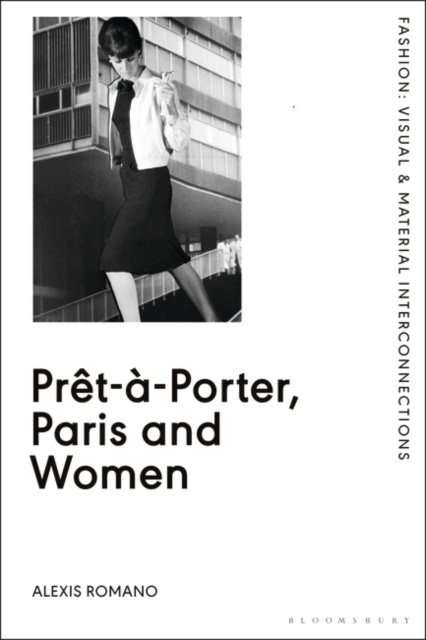
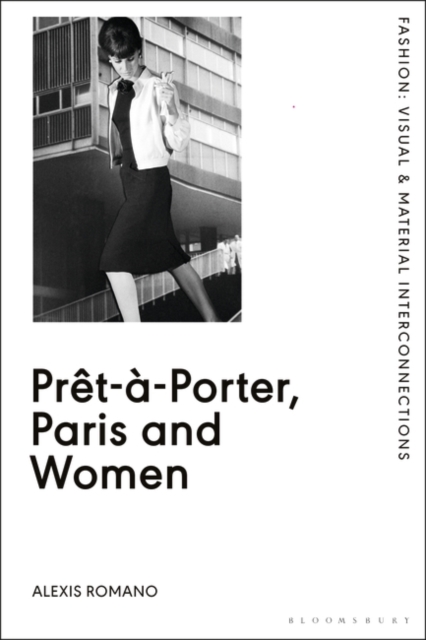
In the first critical history of French ready-made fashion, Alexis Romano examines an array of cultural sources, including surviving garments, fashion magazines, film, photography and interviews, to weave together previously disparate historical narratives.
In the first critical history of French ready-made fashion, Alexis Romano examines an array of cultural sources, including surviving garments, fashion magazines, film, photography and interviews, to weave together previously disparate historical narratives.