In the years following Japan's long period of self-imposed isolation from the world, Japan developed a new relationship with the West, and especially with Britain, where relations grew to be particularly close.
In the years following Japan's long period of self-imposed isolation from the world, Japan developed a new relationship with the West, and especially with Britain, where relations grew to be particularly close.
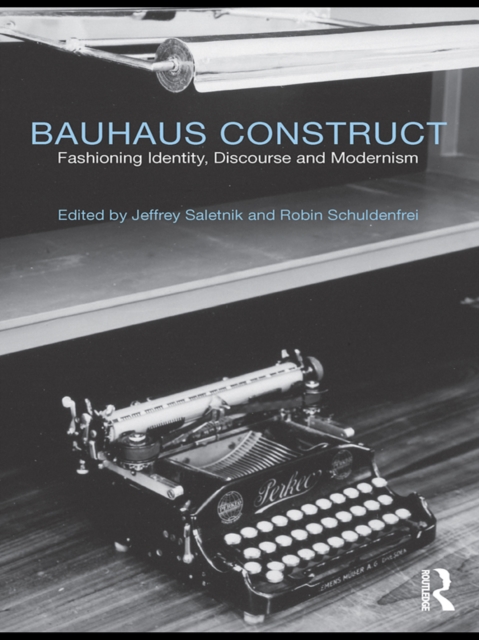
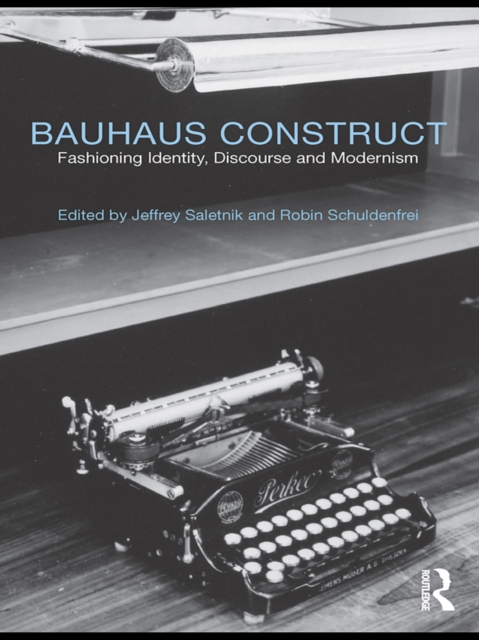
Reconsidering the status and meaning of Bauhaus objects in relation to the multiple re-tellings of the school's history, this volume positions art objects of the Bauhaus within the theoretical, artistic, historical, and cultural concerns in which they were produced and received.
Reconsidering the status and meaning of Bauhaus objects in relation to the multiple re-tellings of the school's history, this volume positions art objects of the Bauhaus within the theoretical, artistic, historical, and cultural concerns in which they were produced and received.
Drawing together an international group of scholars from a variety of disciplinary and cultural backgrounds, Colonialism and the Object explores the impact of colonial contact with other cultures on the material culture of both the colonized and the imperial nation.
Drawing together an international group of scholars from a variety of disciplinary and cultural backgrounds, Colonialism and the Object explores the impact of colonial contact with other cultures on the material culture of both the colonized and the imperial nation.
Focusing on the work of painter, choreographer and scenic designer Oskar Schlemmer, the "e;Master Magician"e; and leader of the Theatre Workshop, this book explains this "e;theatre of high modernism"e; and its historical role in design and performance studies; further, it connects the Bauhaus exploration of space with contemporary stages and contemporary ethics, aesthetics and society.
Focusing on the work of painter, choreographer and scenic designer Oskar Schlemmer, the "e;Master Magician"e; and leader of the Theatre Workshop, this book explains this "e;theatre of high modernism"e; and its historical role in design and performance studies; further, it connects the Bauhaus exploration of space with contemporary stages and contemporary ethics, aesthetics and society.
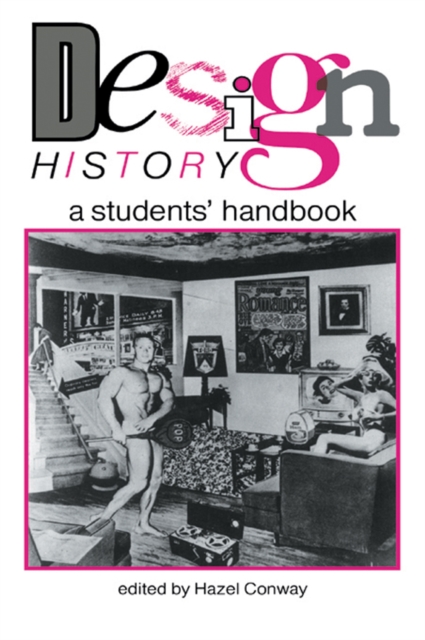
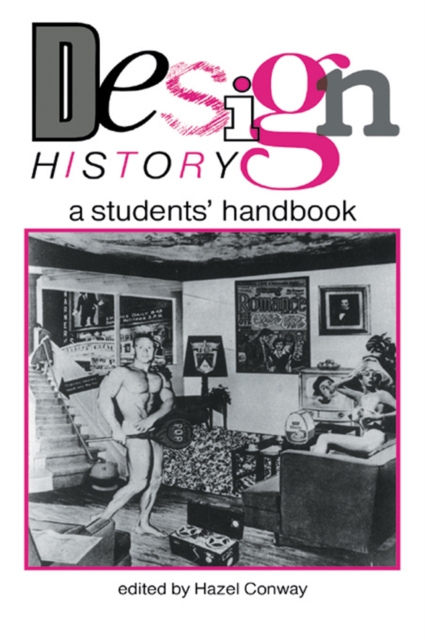
Hazel Conway introduces the student new to the subject to different areas of design history and shows some of the ways in which it can be studied and some of its delights and difficulties.
Hazel Conway introduces the student new to the subject to different areas of design history and shows some of the ways in which it can be studied and some of its delights and difficulties.
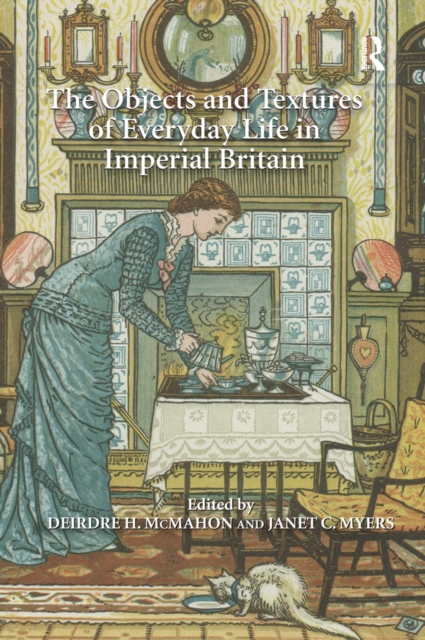
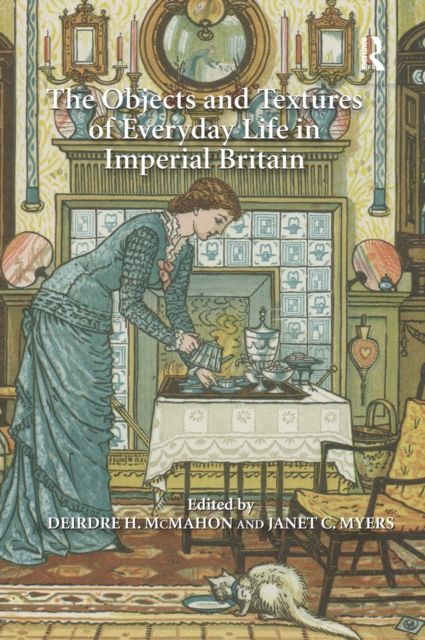
Focusing on everyday life in nineteenth-century Britain and its imperial possessions"e;from preparing tea to cleaning the kitchen, from packing for imperial adventures to arranging home decor"e;the essays in this collection share a common focus on materiality, the nitty-gritty elements that helped give shape and meaning to British self-definition during the period.
Focusing on everyday life in nineteenth-century Britain and its imperial possessions"e;from preparing tea to cleaning the kitchen, from packing for imperial adventures to arranging home decor"e;the essays in this collection share a common focus on materiality, the nitty-gritty elements that helped give shape and meaning to British self-definition during the period.
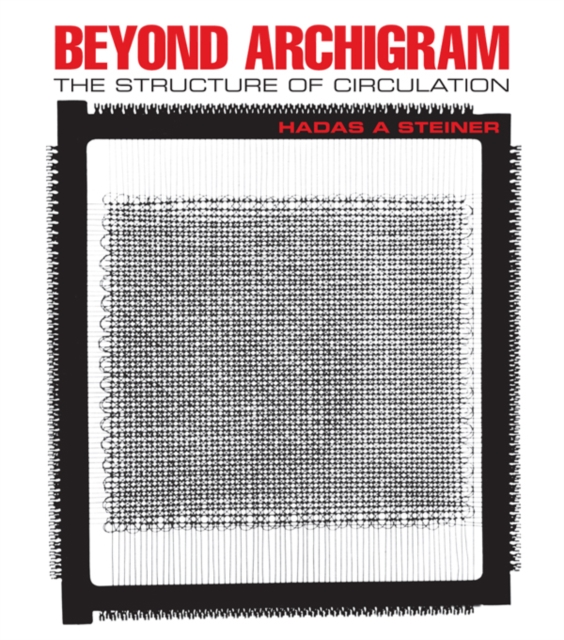
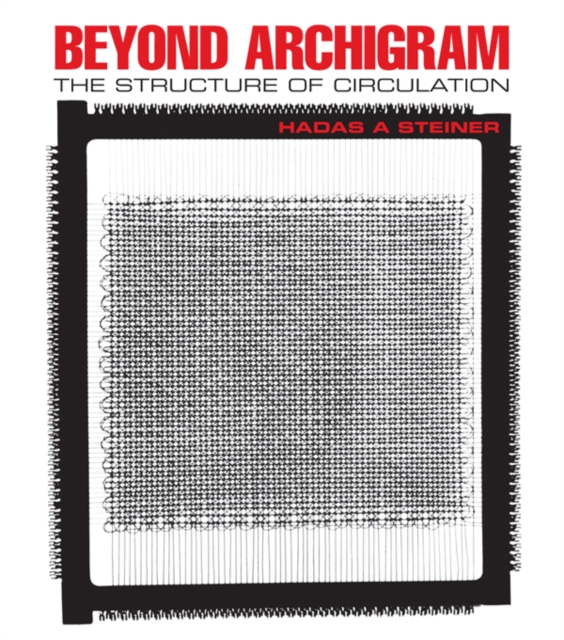
Beyond Archigram is the first study of the prehistory of digital representation to focus on the magazine Archigram, the magazine published in London irregularly between 1961 and 1970 and the name of the group that created it.
Beyond Archigram is the first study of the prehistory of digital representation to focus on the magazine Archigram, the magazine published in London irregularly between 1961 and 1970 and the name of the group that created it.
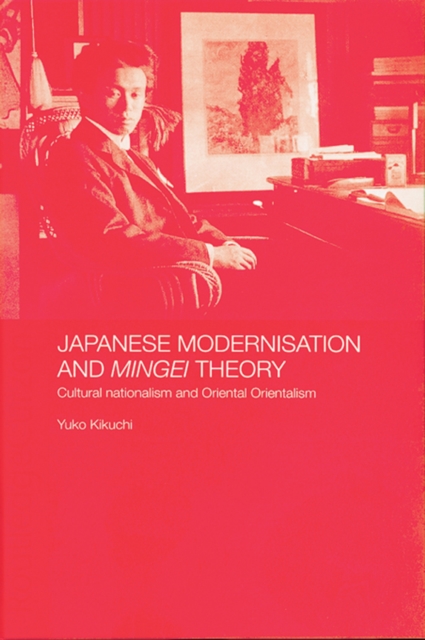
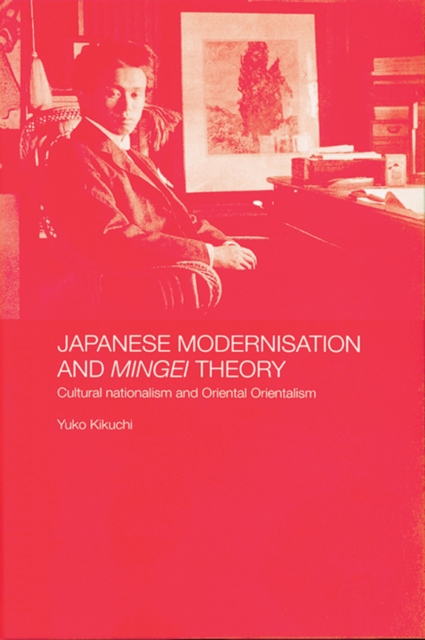
Conceptualised in 1920s Japan by Yanagi Soetsu, the Mingei movement has spread world wide since the 1950s, creating phenomena as diverse as Mingei museums, Mingei connoisseurs and collectors, Mingei shops and Mingei restaurants.
Conceptualised in 1920s Japan by Yanagi Soetsu, the Mingei movement has spread world wide since the 1950s, creating phenomena as diverse as Mingei museums, Mingei connoisseurs and collectors, Mingei shops and Mingei restaurants.
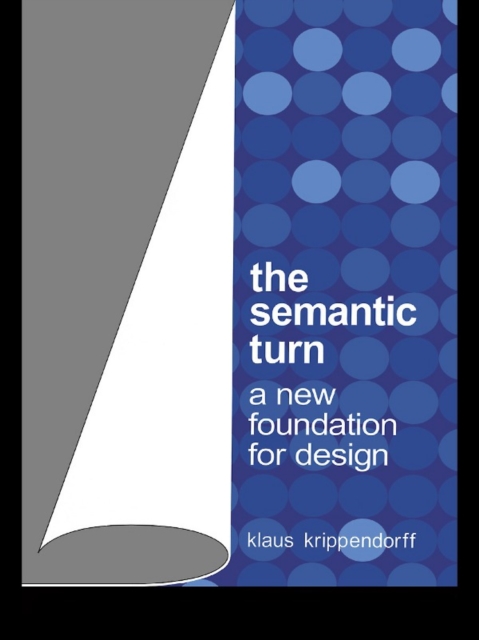
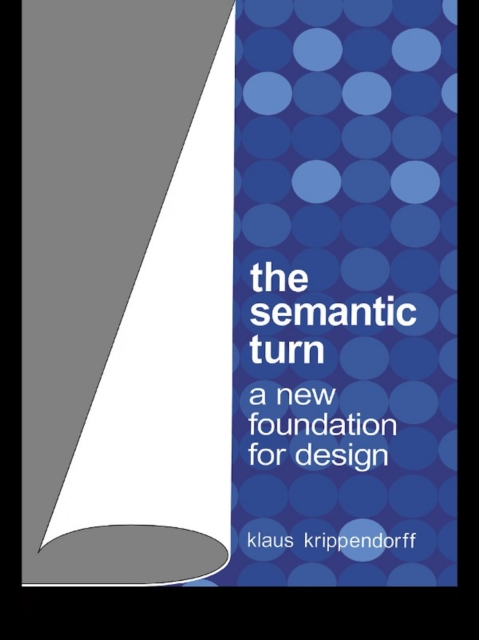
Responding to cultural demands for meaning, user-friendliness, and fun as well as the opportunities of the emerging information society, The Semantic Turn boldly outlines a new science for design that gives designers previously unavailable grounds on which to state their claims and validate their designs.
Responding to cultural demands for meaning, user-friendliness, and fun as well as the opportunities of the emerging information society, The Semantic Turn boldly outlines a new science for design that gives designers previously unavailable grounds on which to state their claims and validate their designs.
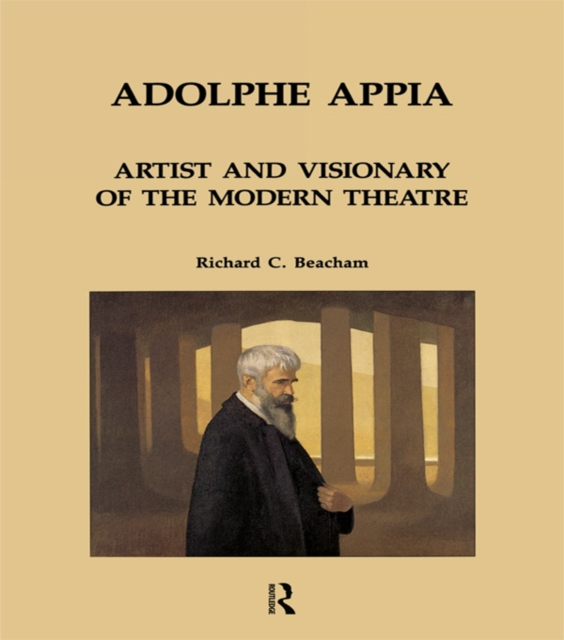
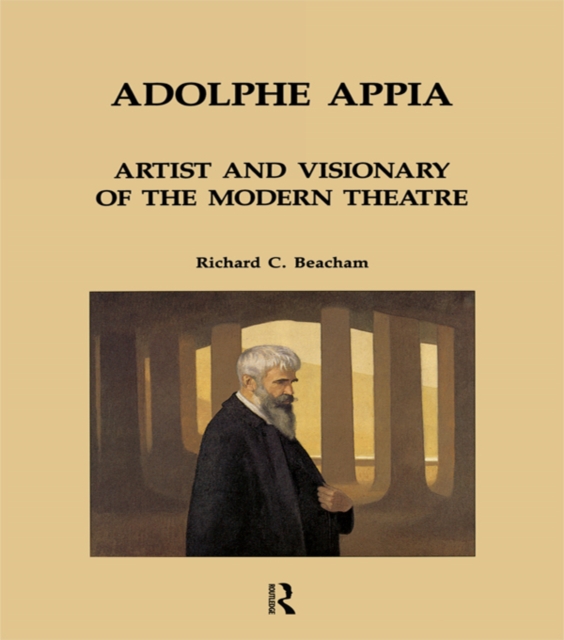
This account, analysis and critical evaluation of the work of Appia demonstrates how his far-sighted imagination also embraced the fundamental reform of scenic design, the use of theatrical space, and a greatly expanded conception of the nature and possibilities of theatrical art.
This account, analysis and critical evaluation of the work of Appia demonstrates how his far-sighted imagination also embraced the fundamental reform of scenic design, the use of theatrical space, and a greatly expanded conception of the nature and possibilities of theatrical art.
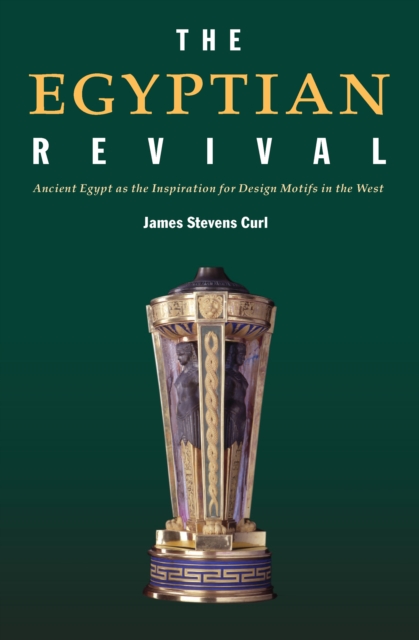
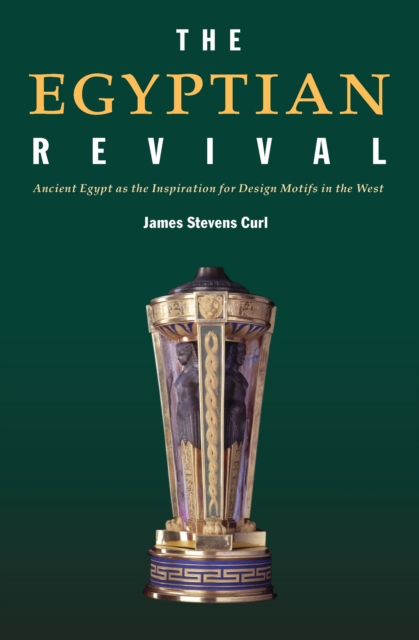
In this beautifully illustrated and closely argued book, a completely updated and much expanded third edition of his magisterial survey, Curl describes in lively and stimulating prose the numerous revivals of the Egyptian style from Antiquity to the present day.
In this beautifully illustrated and closely argued book, a completely updated and much expanded third edition of his magisterial survey, Curl describes in lively and stimulating prose the numerous revivals of the Egyptian style from Antiquity to the present day.
With contributors drawn from a broad range of disciplines, The Modern Period Room brings together a carefully selected collection of essays to consider the interiors of the modern era and their more recent reconstructions from a variety of different viewpoints.
With contributors drawn from a broad range of disciplines, The Modern Period Room brings together a carefully selected collection of essays to consider the interiors of the modern era and their more recent reconstructions from a variety of different viewpoints.
This book tells the history of the many analogies that have been made between the evolution of organisms and the human production of artefacts, especially buildings.
This book tells the history of the many analogies that have been made between the evolution of organisms and the human production of artefacts, especially buildings.
Originally published in 1964, The Englishman's Chair is a history of English chairs, written as a continuous story from the 15th to the 20th Century and because of the revealing powers inherent in chair-making and design, it is also an unconventional footnote to English social history.
Originally published in 1964, The Englishman's Chair is a history of English chairs, written as a continuous story from the 15th to the 20th Century and because of the revealing powers inherent in chair-making and design, it is also an unconventional footnote to English social history.
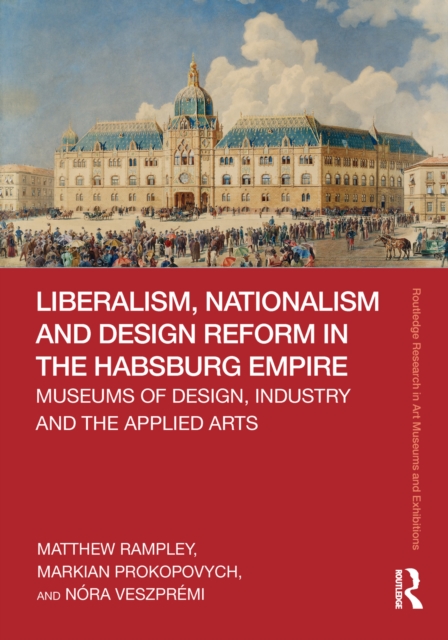
Liberalism, Nationalism and Design Reform in the Habsburg Empire is a study of museums of design and applied arts in Austria-Hungary from 1864 to 1914.