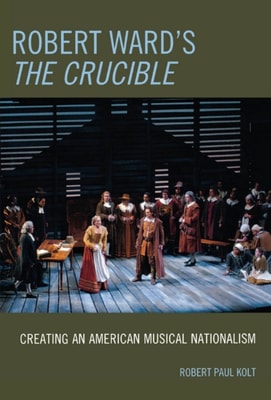
In Robert Ward's The Crucible: Creating an American Musical Nationalism, Robert Paul Kolt explores the life of the American composer Robert Ward through an examination of his most popular and enduring work, The Crucible.
Among the many fine examples of film scores by Erich Wolfgang Korngold (1897-1957), the score for The Adventures of Robin Hood (1938) stands out the most.
Although five-time Academy-Award nominee Ennio Morricone has scored numerous films in various genres, his westerns will undoubtedly remain his most memorable cinematographic accomplishments.
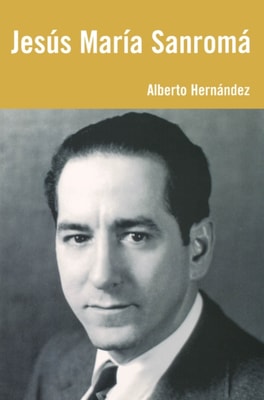
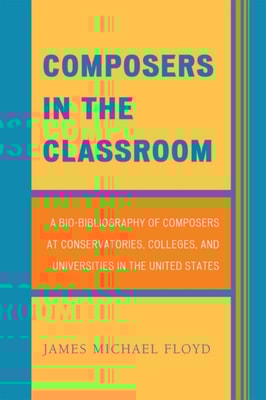
Composers in the Classroom is a bio-bibliographical dictionary, chronicling the careers and work of over 120 composers associated with conservatories, colleges, and universities in the United States and Puerto Rico.
Louis 'Satchmo' Armstrong was not only jazz's greatest musician and innovator, but also arguably its most famous entertainer and the frontal figure in the development of contemporary popular music.
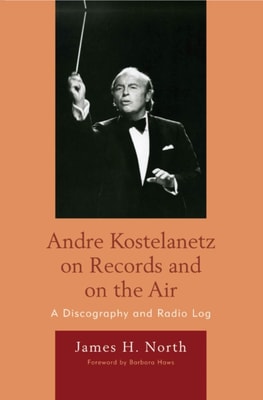
Andre Kostelanetz On Records and On the Air is a comprehensive discography of the commercial recordings of the Russian/American conductor and radio personality, Andre Kostelanetz.
The International Sweethearts of Rhythm, a popular women's jazz band of the 1940s, has earned a reputation as the 'best all-women's swing band ever to perform.
Exotic venues, sold-out concerts, and the companionship of the world's most powerful people have given Liona Boyd a lifestyle that, like her music, is one in a million.
Exotic venues, sold-out concerts, and the companionship of the world's most powerful people have given Liona Boyd a lifestyle that, like her music, is one in a million.
A half-century after their first single release, ';Surfin' ' the Beach Boys continue to define California popular culture and the sunshine-infused sound that will forever be its living soundtrack.
In 1958, long before he created and hosted Don Kirshner's Rock Concert, the most dynamic rock-and-roll series in television history, before he developed the Monkees and created the Archies, Don Kirshner was a 23-year-old kid with just a dream in his pocket.
Imagine having the most wonderful mother, the most caring father, a perfect house and a best friend who is always there for you and never lets you down.
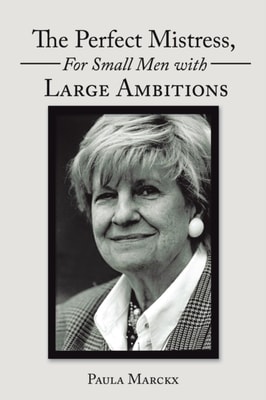
Doing what comes naturally, a young woman from an average background gains access to the upper strata of society, where she lives the exciting life of a mistress.