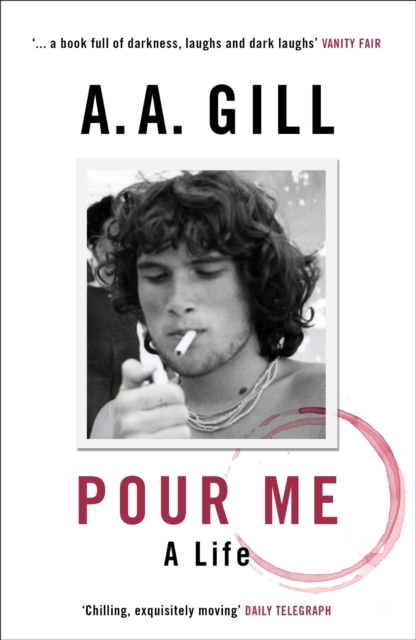
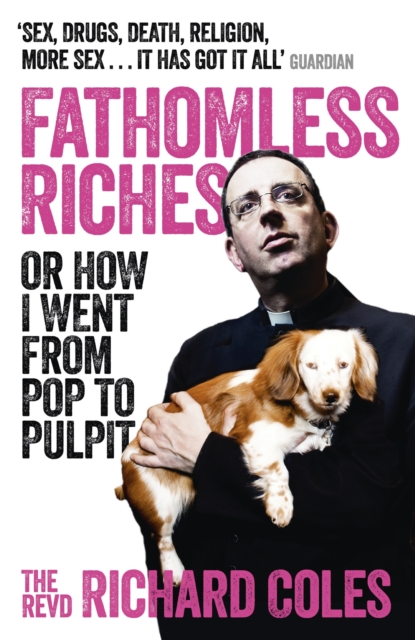
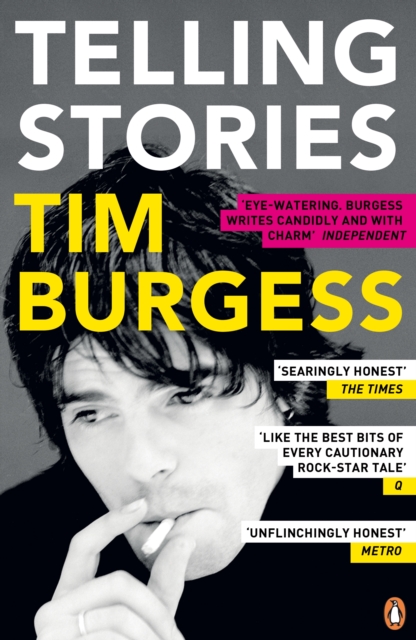
SHORTLISTED FOR THE 2016 PEN ACKERLEY PRIZE'An intense, succulent read that's intermittently dazzling' THE TIMES'Chilling, exquisitely moving' DAILY TELEGRAPH'A superb memoir - and one of the best books on addiction I have ever read' EVENING STANDARDA.
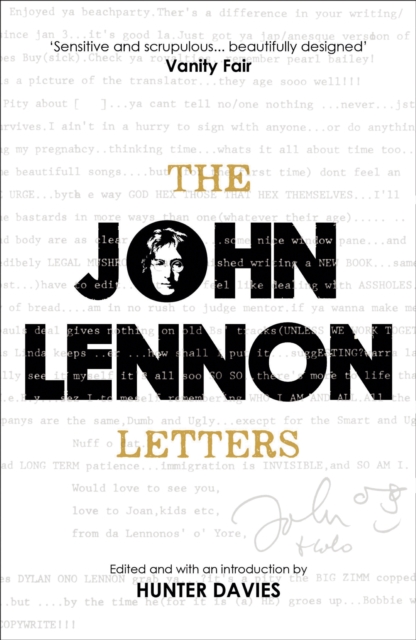
A lifetime of letters, collected for the first time, from the legendary The Beatles musician and songwriter John LennonJohn Lennon is one of the world's greatest-ever song writers, creator of 'Help!
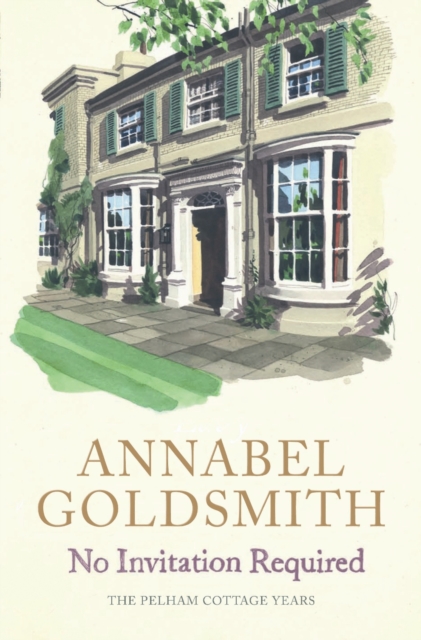
Pelham Cottage - with its infamous unlocked back gate - was where Annabel Goldsmith kept an open house for some of the most sophisticated and iconic people of the 1960s and 1970s.
Many books have appeared over the years about the Beatles lyrics -- about the words of those songs which the whole world knows and sings, and will sing for ever, as long as we have the breath to hum the tunes.
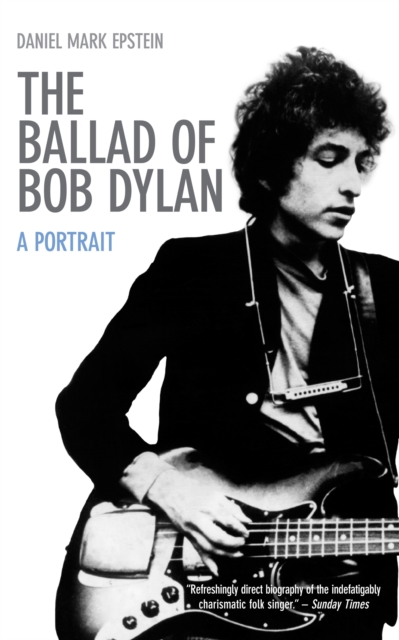
Dylan's songs sound as if they have been part of the folk music tradition for centuries The Ballad of Bob Dylan examines the influences behind his songs.
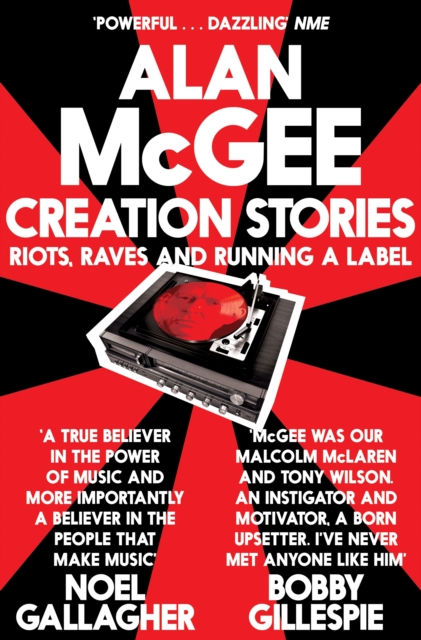
'Essential reading for anyone interested in the heady, vulgar, marvellous miasma of British music and culture in the nineties' - Irving Welsh'A true believer in the power of music and more importantly a believer in the people that make music.
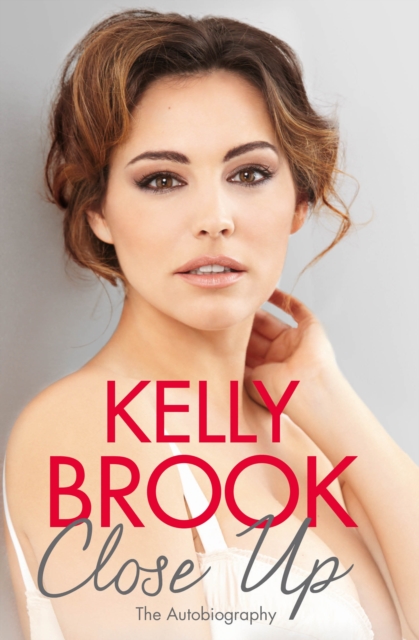
From a council house in Kent to her first home in the Hollywood hills, from being told she was too big to model to becoming an inspiration for curvy girls everywhere, Kelly's life has taken many unexpected turns.
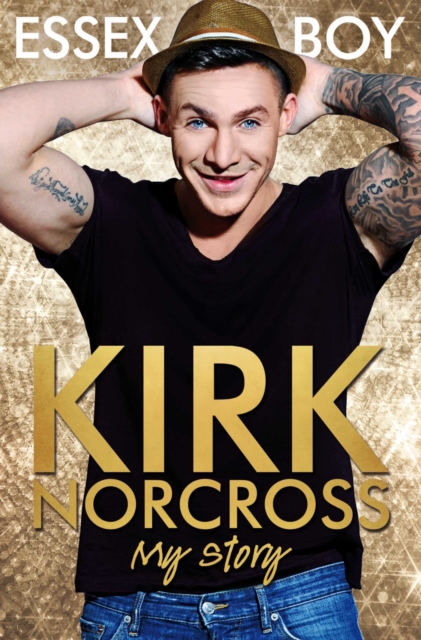
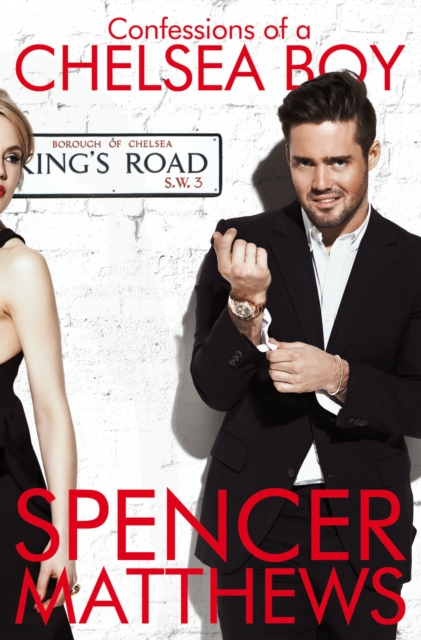
One of the original cast members of the award-winning reality series The Only Way is Essex, Kirk is often portrayed as the good-looking rich kid, splashing out thousands on bottles of champagne and dating glamorous women like Amy Childs and Lauren Pope.
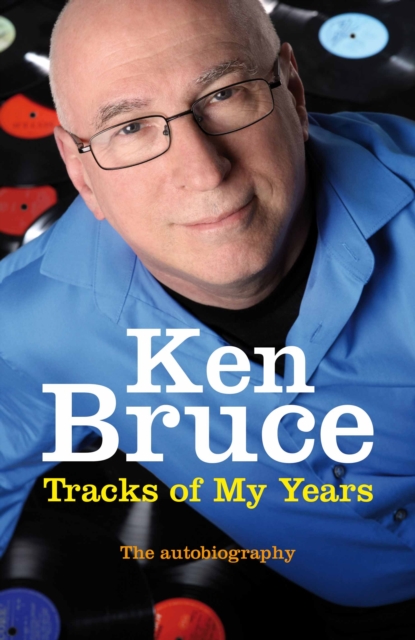
From his childhood in 1950s Glasgow, when he was affectionately known to his older brothers as 'the wee bastard', to his wildnerness years as an accountant when he longed to achieve his dream and join the BBC, Tracks of My Years tells the story of Ken Bruce's remarkable career.
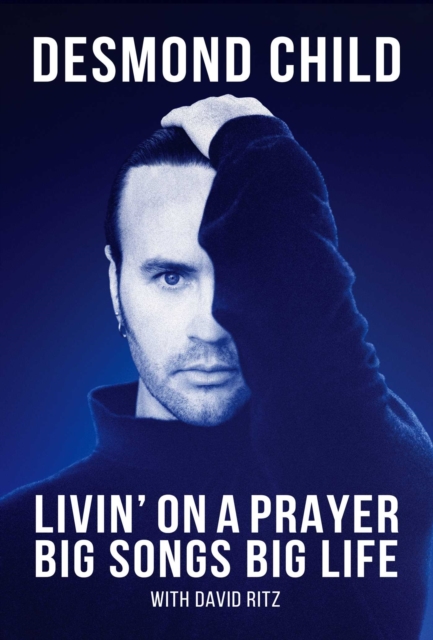
Desmond Child is the ultimate hitmaker, contributing to some of the biggest smash global hits that helped ignite the success of music icons KISS, Bon Jovi, Aerosmith, Alice Cooper, Ricky Martin, Katy Perry, and countless others.
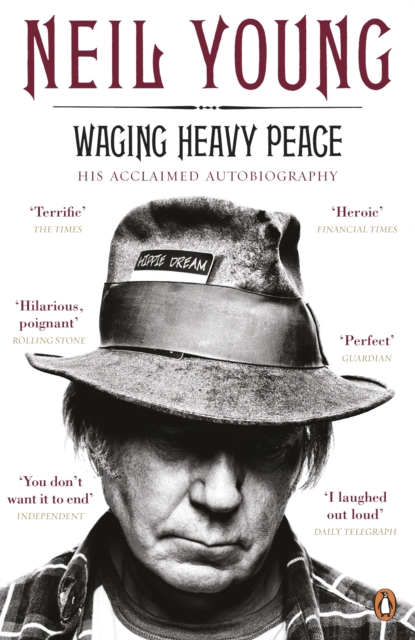
Waging Heavy Peace is the remarkable memoir of rock icon Neil YoungNeil Young is a singular figure in the history of rock and pop culture in the last four decades, inducted not once but twice into the Rock and Roll Hall of Fame.
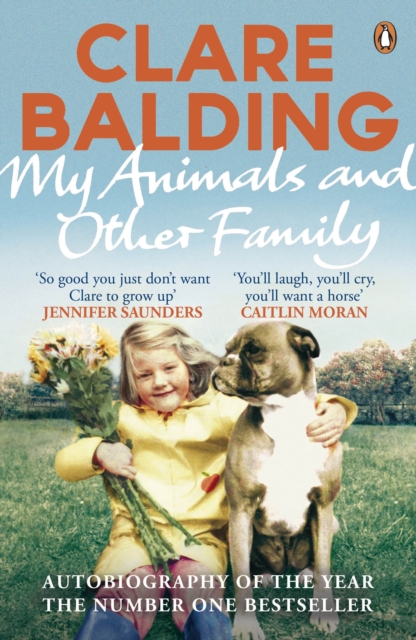
My Animals and Other Family by Clare Balding is a funny, brave, tender story of self-discovery'I had spent most of my childhood thinking I was a dog, and suspect I had aged in dog years.
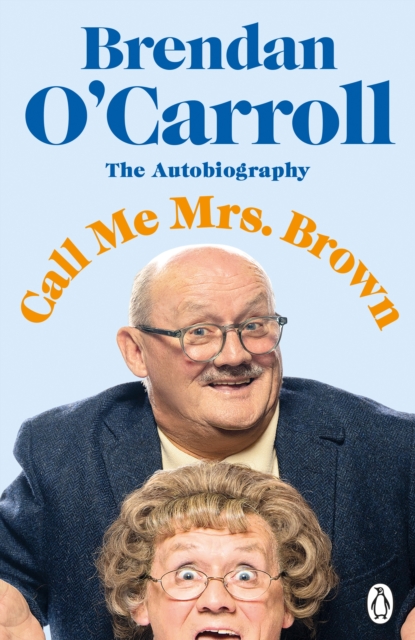
The hilarious and remarkably honest autobiography from the star of Mrs Brown's Boys, Brendan O'Carroll___________Before he became the nation's favourite Mammy, Brendan O'Carroll was known simply as Brendan.
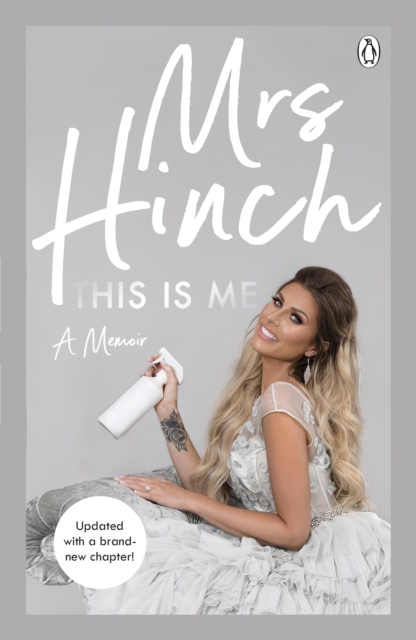
Get to know the woman behind the Instagram cleaning sensation, Mrs Hinch, in her fascinating and remarkably honest memoir*** FEATURING A BONUS CHAPTER ABOUT THE BIRTH OF LENNIE ***THE SUNDAY TIMES NO.
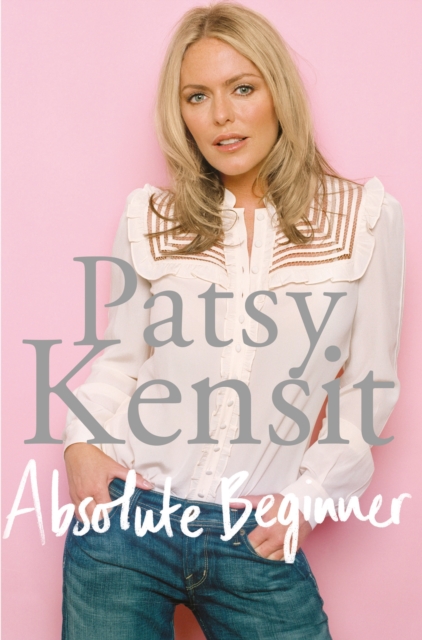
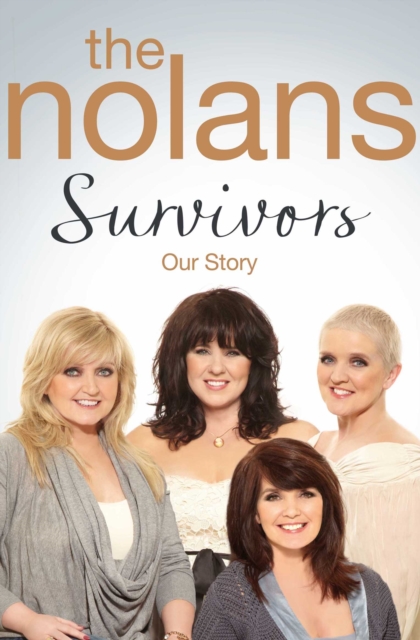
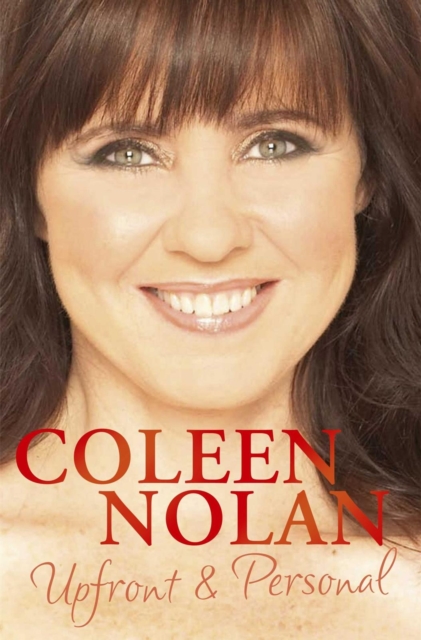
Writing with the warmth and humour that have made her so popular, Coleen describes her eventful life, from joining her sisters' band The Nolans when she was only nine to growing up in the spotlight as they went on to chart-topping success around the world.
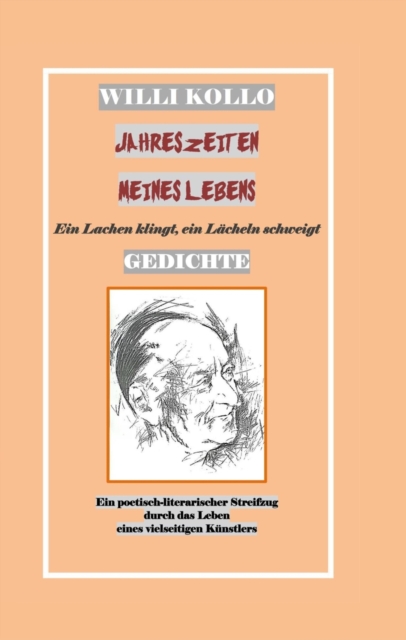
Die hier veröffentlichten Gedichte sind eine Begleitung der bereits vorliegenden Erinnerungen Willi Kollo – VERGANGENES IST NICHT VERGESSEN, und sie ergänzen sich gegenseitig bei der jeweiligen Lektüre zu einem noch tieferen Verständnis zum Leben und zur Lebenszeit des Autors; ereignisreiche Jahre mit zwei Weltkriegen und einer geteilten deutschen Heimat und einer großen Liebe zur Kultur dieses Volkes.
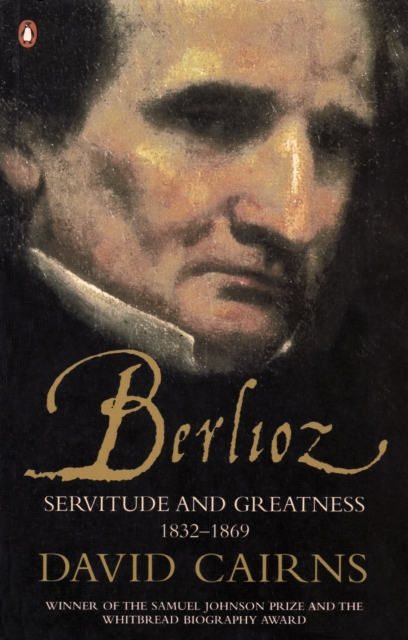
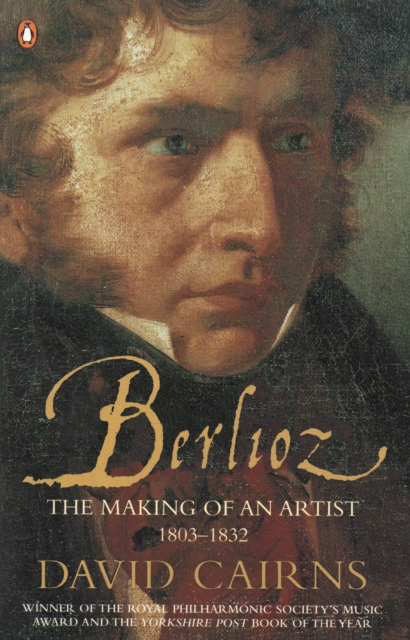
Berlioz was one of the towering figures of Romanticism: not only was he a great and revolutionary composer, but also the finest composer of his day and an outstanding critic and writer.