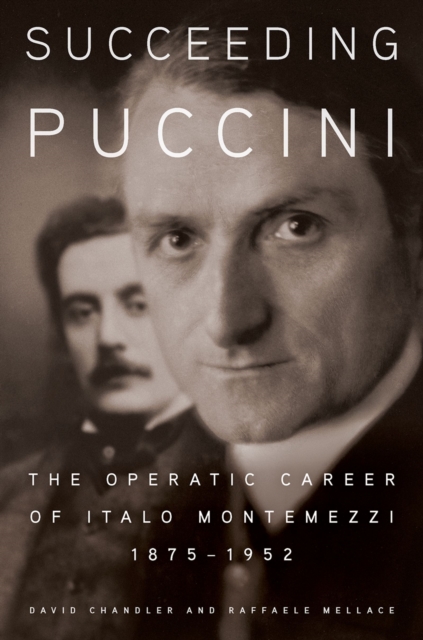
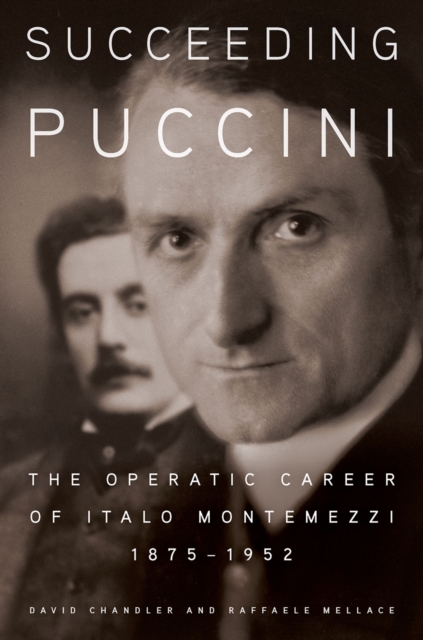
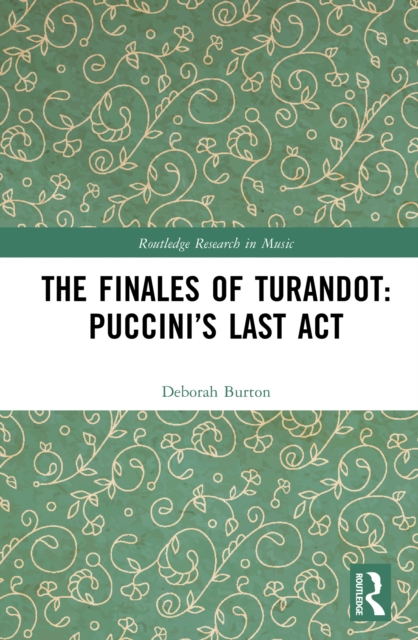
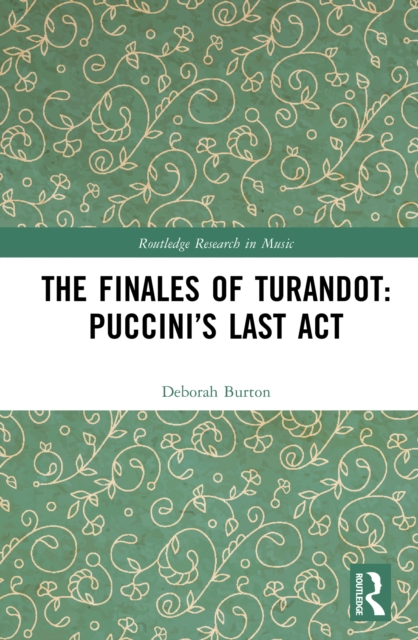
Celebrating the 150th anniversary of his birth, this first critical biography of Italo Montemezzi (1875-1952) offers fascinating new insights into the life and work of an important opera composer, seventeen years younger than Puccini, who became internationally famous with L'amore dei tre re (1913).
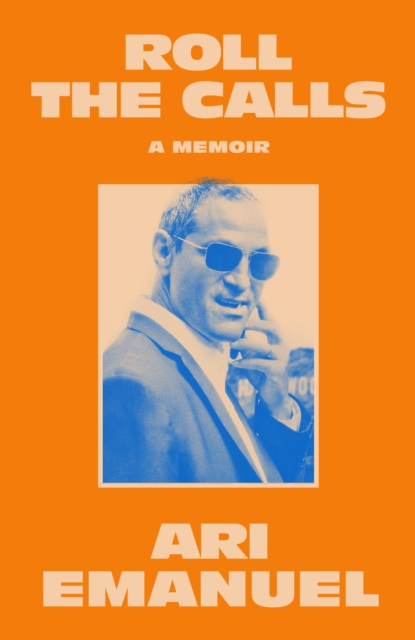
'Shoe Dog meets Goodfellas with a dash of The Little Prince' ARIANNA HUFFINGTON'Here in Technicolor is another of Hollywood's greatest characters' RICK RUBIN'A rare peek at how Hollywood really works' WALTER ISAACSONOne of Hollywood's most accomplished, feared - and funny - dealmakers has some stuff he wants to get off his chest.
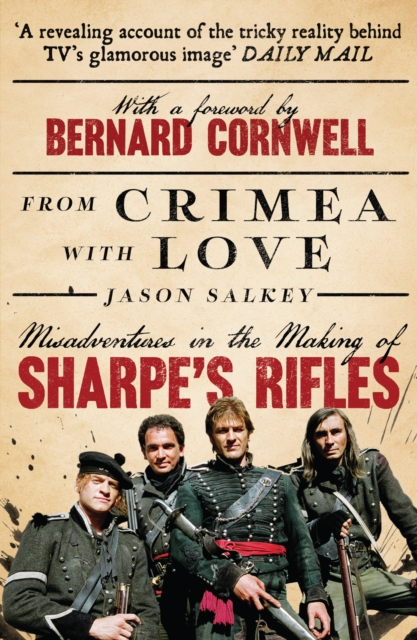
'A revealing account of the tricky reality behind TV's glamorous image' Daily MailIn the summer of 1992, Jason Salkey was cast in a role that would change his life forever.
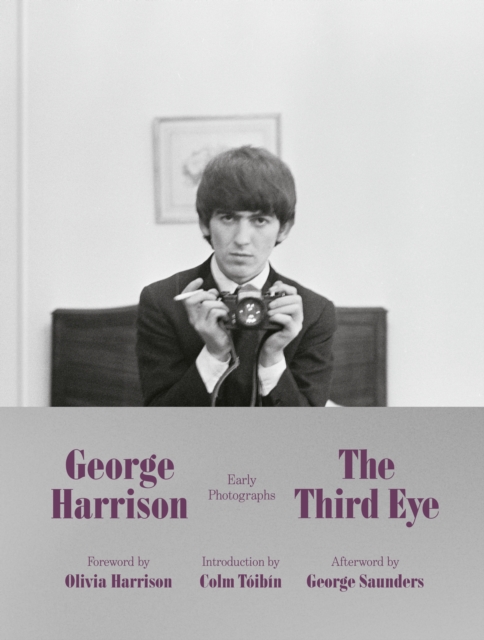
George Harrison's own intimate, beautiful collection of more than two hundred never-before-collected photos of the Beatles at work and at play the vast majority published for the first time.
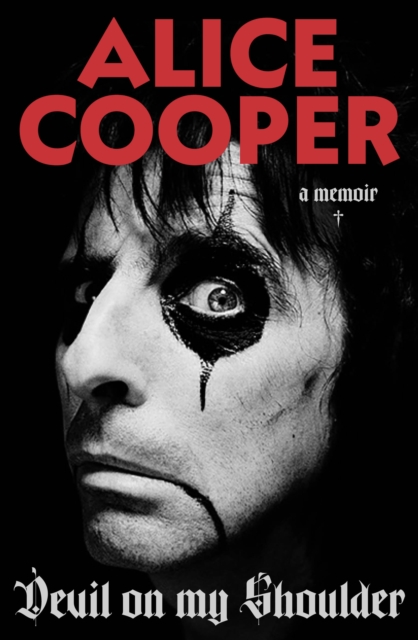
ONE OF THE TIMES BOOKS NOT TO MISSThe definitive autobiography from Alice Cooper, the Godfather of Shock Rock and one of the world's most iconic musicians with a career spanning six decades.
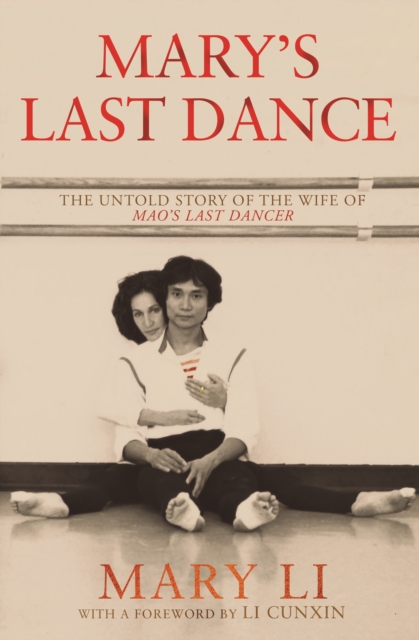
The highly anticipated memoir of Australian ballerina Mary Li - and the long-awaited sequel to her husband Li Cunxin's bestselling memoir, Mao's Last Dancer.
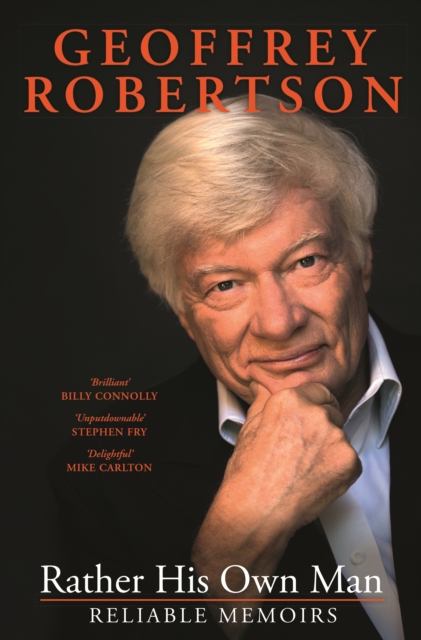
In this witty, engrossing and sometimes poignant memoir, a sequel to his best-selling The Justice Game, Australia's inimitable Geoffrey Robertson charts his progress from pimply state schoolboy to top Old Bailey barrister and thence onwards and upwards to a leading role in the struggle for human rights throughout the world.
Celebrating the 150th anniversary of his birth, this first critical biography of Italo Montemezzi (1875-1952) offers fascinating new insights into the life and work of an important opera composer, seventeen years younger than Puccini, who became internationally famous with L'amore dei tre re (1913).
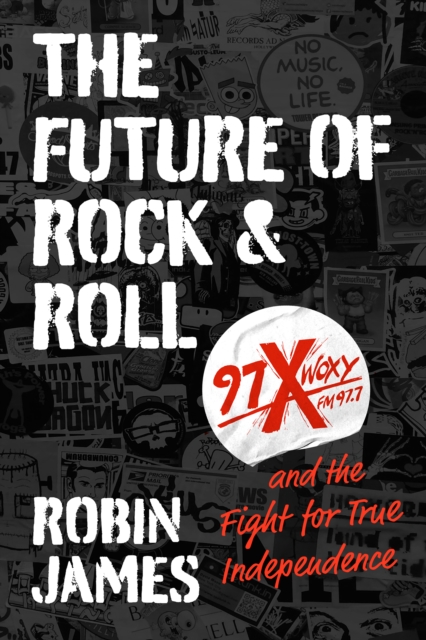
In 1983, an Ohio radio station called WOXY launched a sonic disruption to both corporate rock and to its conservative home region, programming an omnivorous range of genres and artists while being staunchly committed to local independent art and media.
In 1983, an Ohio radio station called WOXY launched a sonic disruption to both corporate rock and to its conservative home region, programming an omnivorous range of genres and artists while being staunchly committed to local independent art and media.
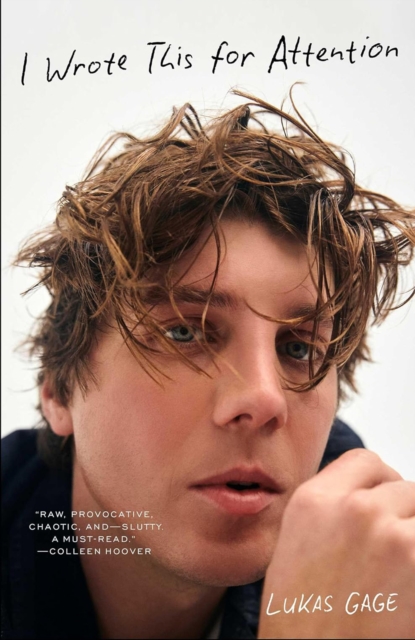
'Raw, provocative, chaotic, and - dare I say - slutty' COLLEEN HOOVERA thrilling memoir by The White Lotus and Euphoria actor, Lukas Gage, which chronicles his upbringing in a broken family, struggles with borderline personality disorder and his commitment to always being the centre of attention.
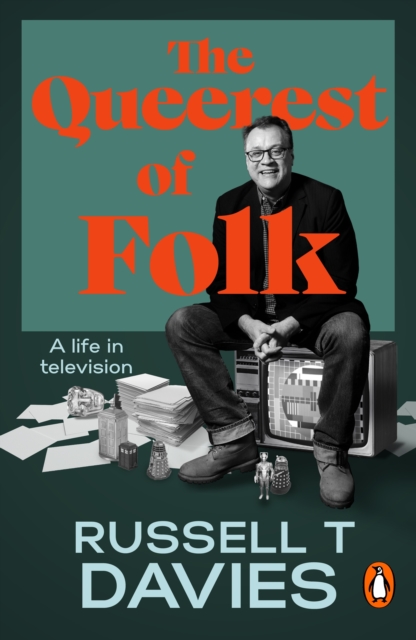
From Doctor Who to Tip Toe, Queer as Folk to Coronation Street, Britain s foremost television writer and showrunner takes us behind the scenes of some of the nation s most beloved programmes.
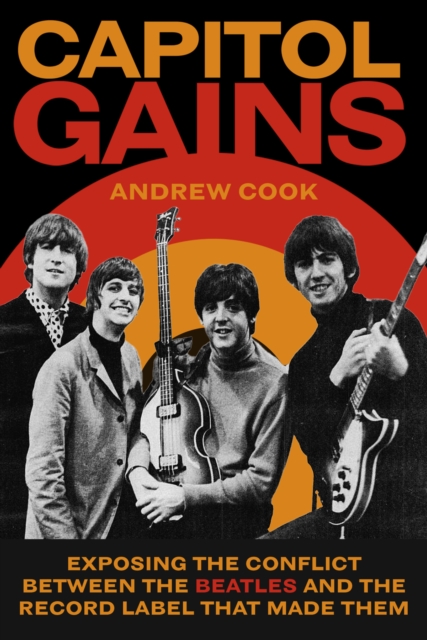
A chance remark on the stairs at Peter Morris Music in London's Denmark Street, in October 1963, set off a chain reaction that helped Brian Epstein apply some much-needed leverage on America's Hollywood-based Capitol label.
A NEW YORK TIMES BESTSELLER From Charlies Angels star, miniseries queen, and businesswoman Jaclyn Smith comes a heartfelt memoir chronicling the making of a global phenomenon and her story beyond the screen.
From the international supermodel, mother of successful businessman Elon Musk and bestselling author Maye Musk comes an empowering, intimate and inspiring exploration of reinvention that proves it's never too late to embrace change, rewrite your story - and create a truly fabulous life.
RELIVE QUEEN'S ICONIC MAGIC TOUR - AND FREDDIE MERCURY'S POIGNANT FINAL PERFORMANCE - 40 YEARS ON, WITH MORE THAN 200 PHOTOGRAPHS FROM THE TOUR'S OFFICIAL PHOTOGRAPHER.
'A remarkable story' THE TIMES'This gossipy book describes all the makeups and breakups that figure in one of the most popular and enduring of all rock albums.
THE SUNDAY TIMES BESTSELLER'Enchanting and hilarious' Stephen FryIn 1971, two years after the launch of Monty Python s Flying Circus made his comedy troupe global superstars - and made all their lives a little more complicated - Eric Idle decided to buy a ramshackle property in the south of France.
Howard Smither has written the first definitive work on the history of the oratorio since Arnold Schering published his Geschichte des Oratoriums in 1911.
'This is the greatest rock and roll book ever written' GUY GARVEY, Elbow'A brilliant storyteller, Clint has been there to see it all first-hand' TIM BURGESS, The Charlatans'Clint writes like he speaks and plays; as one who knows' JOHNNY MARR, The Smiths'Clint knows it all, has done it all' PETER HOOK, New OrderWITH A FOREWORD BY SHAUN RYDERTHE MANCHESTER CHRONICLES is an exhilarating and highly personal folk-telling of the Manchester music scene, as seen through the eyes and ears (and hair) of one of the city's favourite sons, Clint Boon from the iconic Inspiral Carpets.
Guido Adlers Aufsatz Umfang, Methode und Ziel der Musikwissenschaft"e; von 1885 ist das wohl einflussreichste Grundungsdokument der Universitatsdisziplin Musikwissenschaft.
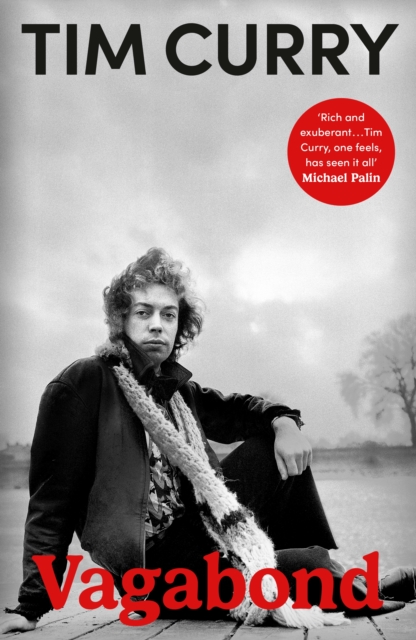
THE SUNDAY TIMES AND NEW YORK TIMES BESTSELLERThe unforgettable life and career of Tim Curry, the legendary star of The Rocky Horror Picture Show, IT, Clue and Spamalot, told in his own words.
A "e;thoroughly researched and engaging"e; account of the rise of digital music and the industry's failures by the author of MJ: The Genius of Michael Jackson (Kirkus Reviews).
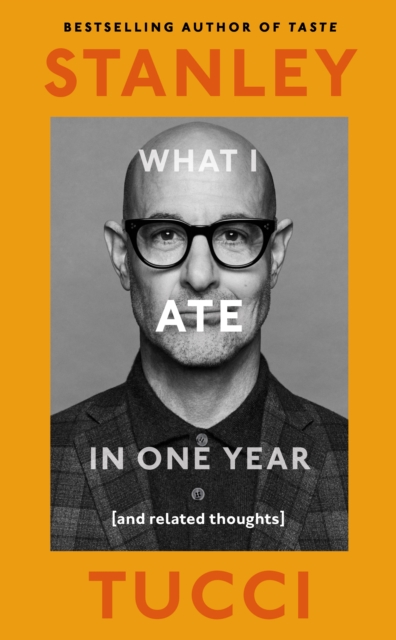
THE INSTANT SUNDAY TIMES BESTSELLER - DISCOVER THE MOUTHWATERING FOLLOW-UP TO HIS BESTSELLING MEMOIR, TASTE Sharing food is one of the purest human acts'Food has always been an integral part of Stanley Tucci s life: from stracciatella soup served in the shadow of the Pantheon, to marinara sauce cooked between rehearsals and costume fittings, to home-made pizza eaten with his children before bedtime.
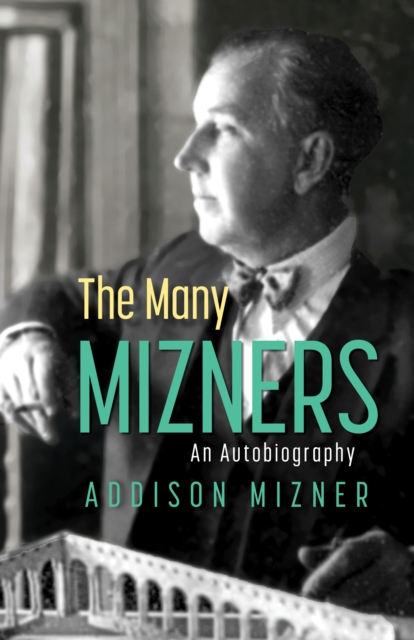
Discover the adventurous years of Addison Mizner that shaped him to be the extraordinary architect who transformed the landscape of Palm Beach into the queen of resorts it is today,including his time in CA, and travels to Central America, Hawaii, Australia, China and New York.
Discover the adventurous years of Addison Mizner that shaped him to be the extraordinary architect who transformed the landscape of Palm Beach into the queen of resorts it is today,including his time in CA, and travels to Central America, Hawaii, Australia, China and New York.
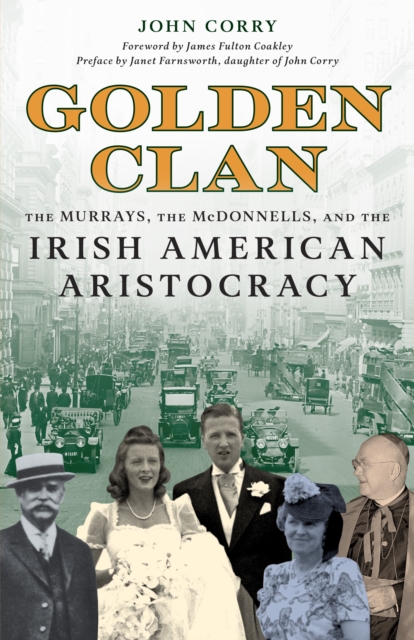
John Corry's chronicle of the Murrays and the McDonnells is the quintessential story of a successful Irish American clanperhaps the most successful in sheer numbers and influence.