Written by internationally established scholars of Thomas Moore's music, poetry, and prose writing, Thomas Moore and Romantic Inspiration is a collection of twelve essays and a timely response to significant new biographical, historiographical and editorial work on Moore.
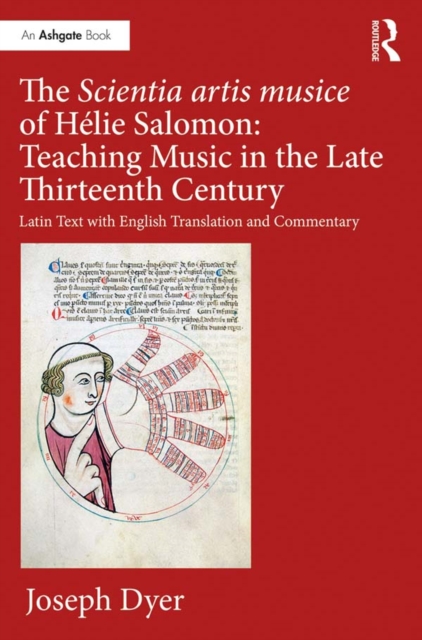
Helie Salomon's Scientia artis musice (1274), is a practical manual devoted to basic concepts, psalmody, vocal pedagogy, the musical hand in singing, clefs as indicators of the tone (mode) to which a piece belongs, and practical instruction in the singing of four-voice parallel organum.
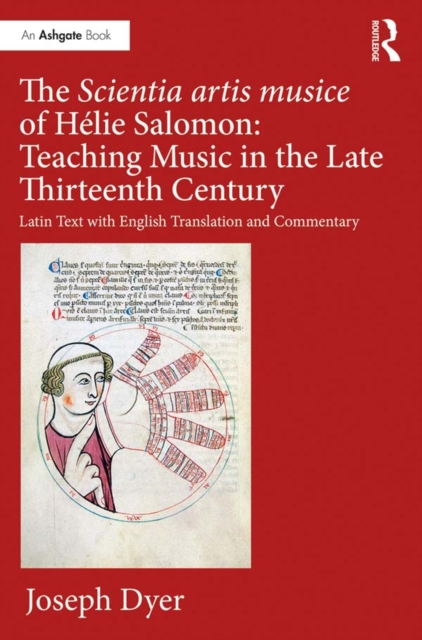
Helie Salomon's Scientia artis musice (1274), is a practical manual devoted to basic concepts, psalmody, vocal pedagogy, the musical hand in singing, clefs as indicators of the tone (mode) to which a piece belongs, and practical instruction in the singing of four-voice parallel organum.
This significant volume moves music-historical research in the direction of deconstructing the national grand narratives in music history, of challenging the national paradigm in methodology, and thinking anew about cultural traffic, cultural transfer and cosmopolitanism in the musical past.
This significant volume moves music-historical research in the direction of deconstructing the national grand narratives in music history, of challenging the national paradigm in methodology, and thinking anew about cultural traffic, cultural transfer and cosmopolitanism in the musical past.
New Jazz Conceptions: History, Theory, Practice is an edited collection that captures the cutting edge of British jazz studies in the early twenty-first century, highlighting the developing methodologies and growing interdisciplinary nature of the field.
Pioneering work on the musical material from the archives of the English court was undertaken by Nagel (1894), Lafontaine (1909) and Stokes (in the Musical Antiquary 1903-1913).
Pioneering work on the musical material from the archives of the English court was undertaken by Nagel (1894), Lafontaine (1909) and Stokes (in the Musical Antiquary 1903-1913).
Pioneering work on the musical material from the archives of the English court was undertaken by Nagel (1894), Lafontaine (1909) and Stokes (in the Musical Antiquary 1903-1913).
Professionalisation was a key feature of the changing nature of work and society in the nineteenth century, with formal accreditation, registration and organisation becoming increasingly common.
Professionalisation was a key feature of the changing nature of work and society in the nineteenth century, with formal accreditation, registration and organisation becoming increasingly common.
Pioneering work on the musical material from the archives of the English court was undertaken by Nagel (1894), Lafontaine (1909) and Stokes (in the Musical Antiquary 1903-1913).
Pioneering work on the musical material from the archives of the English court was undertaken by Nagel (1894), Lafontaine (1909) and Stokes (in the Musical Antiquary 1903-1913).
Pioneering work on the musical material from the archives of the English court was undertaken by Nagel (1894), Lafontaine (1909) and Stokes (in the Musical Antiquary 1903-1913).
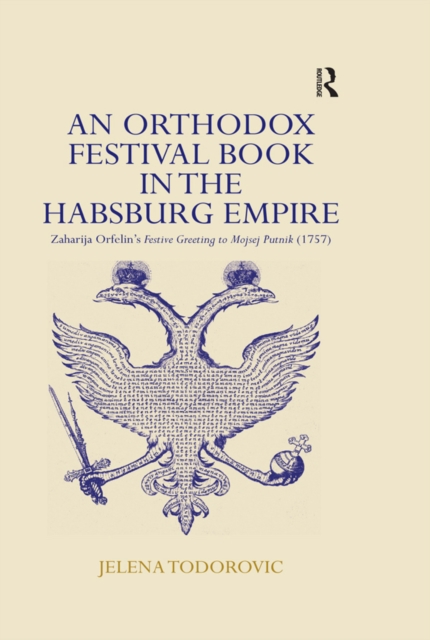
A transcription and translation of Zaharje Orfelin's 1757 festival book, Festive Greeting to Mojsej Putnik, this book is one of the most comprehensive accounts of the festival life of the Orthodox hierarchy in the Habsburg lands.
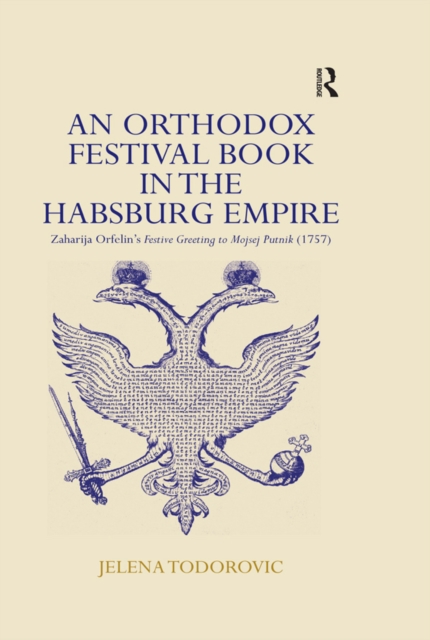
A transcription and translation of Zaharje Orfelin's 1757 festival book, Festive Greeting to Mojsej Putnik, this book is one of the most comprehensive accounts of the festival life of the Orthodox hierarchy in the Habsburg lands.
After the imposition of Gregorian chant upon most of Europe by the authority of the Carolingian kings and emperors in the eighth and ninth centuries, a large number of repertories arose in connection with the new chant and its liturgy.
After the imposition of Gregorian chant upon most of Europe by the authority of the Carolingian kings and emperors in the eighth and ninth centuries, a large number of repertories arose in connection with the new chant and its liturgy.
Greece and the Balkans explores the cultural relationships between Greece and other Balkan countries in the domains of language, literature, thought, translation, and music, and examines issues of identity and perception among the Balkan peoples themselves.
Greece and the Balkans explores the cultural relationships between Greece and other Balkan countries in the domains of language, literature, thought, translation, and music, and examines issues of identity and perception among the Balkan peoples themselves.
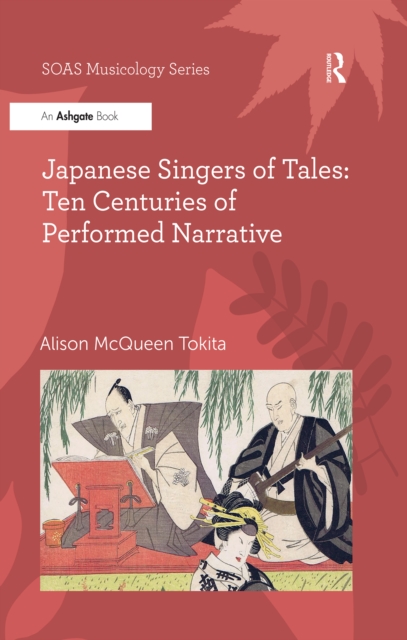
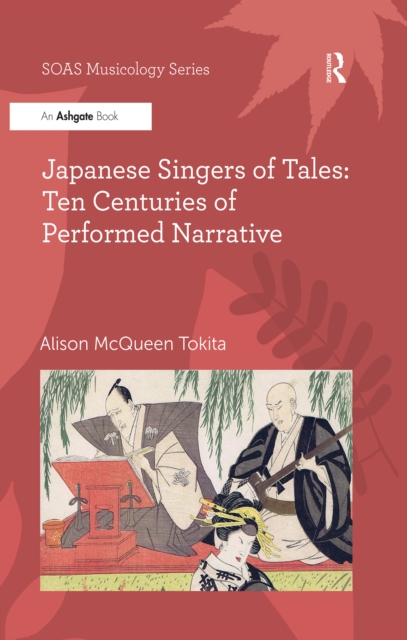
Alison McQueen Tokita presents a series of case studies that demonstrate the persistence of Japanese sung narratives in a multiplicity of genres over ten centuries, including the way they flourished and declined, together with factors contributing to development and change in narrative performance.
Alison McQueen Tokita presents a series of case studies that demonstrate the persistence of Japanese sung narratives in a multiplicity of genres over ten centuries, including the way they flourished and declined, together with factors contributing to development and change in narrative performance.
By the late-sixteenth century, Augsburg was one of the largest cities of the Holy Roman Empire, boasting an active musical life involving the contributions of musicians like Jacobus de Kerle, Hans Leo Hassler, and Gregor Aichinger.
By the late-sixteenth century, Augsburg was one of the largest cities of the Holy Roman Empire, boasting an active musical life involving the contributions of musicians like Jacobus de Kerle, Hans Leo Hassler, and Gregor Aichinger.
Over the first four decades of the Reformation, hundreds of songs written in popular styles and set to well-known tunes appeared across the German territories.
Over the first four decades of the Reformation, hundreds of songs written in popular styles and set to well-known tunes appeared across the German territories.
Recent scholarship has offered a veritable landslide of studies about early modern women, illuminating them as writers, thinkers, midwives, mothers, in convents, at home, and as rulers.
Recent scholarship has offered a veritable landslide of studies about early modern women, illuminating them as writers, thinkers, midwives, mothers, in convents, at home, and as rulers.
This volume offers a cross-section of English-language scholarship on German and Slavonic operatic repertories of the "e;long nineteenth century,"e; giving particular emphasis to four areas: German opera in the first half of the nineteenth century; the works of Richard Wagner after 1848; Russian opera between Glinka and Rimsky-Korsakov; and the operas of Richard Strauss and JanA!
This volume offers a cross-section of English-language scholarship on German and Slavonic operatic repertories of the "e;long nineteenth century,"e; giving particular emphasis to four areas: German opera in the first half of the nineteenth century; the works of Richard Wagner after 1848; Russian opera between Glinka and Rimsky-Korsakov; and the operas of Richard Strauss and JanA!
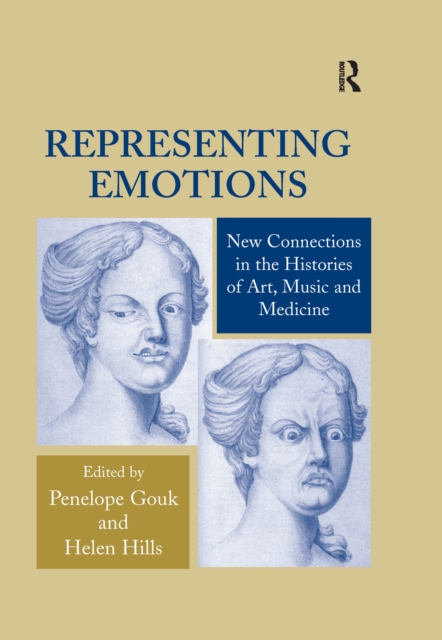
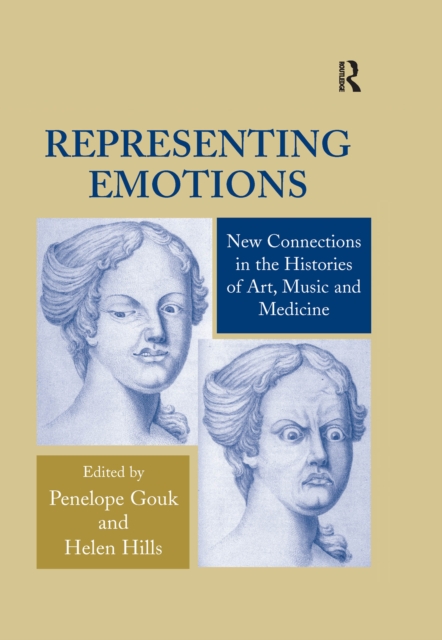
Juxtaposing artistic and musical representations of the emotions with medical, philosophical and scientific texts in Western culture between the Renaissance and the twentieth century, the essays collected in this volume explore the ways in which emotions have been variously conceived, configured, represented and harnessed in relation to broader discourses of control, excess and refinement.
Juxtaposing artistic and musical representations of the emotions with medical, philosophical and scientific texts in Western culture between the Renaissance and the twentieth century, the essays collected in this volume explore the ways in which emotions have been variously conceived, configured, represented and harnessed in relation to broader discourses of control, excess and refinement.