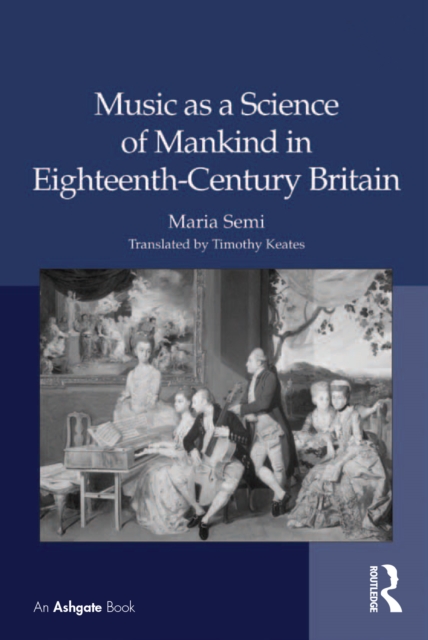
Music as a Science of Mankind offers a philosophical and historical perspective on the intellectual representation of music in British eighteenth-century culture.
John Finney examines the child-centred progressive tradition to create a fresh way of evaluating ideas and practices that have evolved since 1950, that have shaped the lives of music teachers and their pupils, and that have now become disfigured, residual and altogether lost in the light of social, cultural and political change.
John Finney examines the child-centred progressive tradition to create a fresh way of evaluating ideas and practices that have evolved since 1950, that have shaped the lives of music teachers and their pupils, and that have now become disfigured, residual and altogether lost in the light of social, cultural and political change.
The British Copyright Act of 1709 protected proprietors of books and music printed after 10 April 1710 who gave copies to the Company of Stationers in London.
The British Copyright Act of 1709 protected proprietors of books and music printed after 10 April 1710 who gave copies to the Company of Stationers in London.
In Music in Ancient Judaism and Early Christianity, John Arthur Smith presents the first full-length study of music among the ancient Israelites, the ancient Jews and the early Christians in the Mediterranean lands during the period from 1000 BCE to 400 CE.
In Music in Ancient Judaism and Early Christianity, John Arthur Smith presents the first full-length study of music among the ancient Israelites, the ancient Jews and the early Christians in the Mediterranean lands during the period from 1000 BCE to 400 CE.
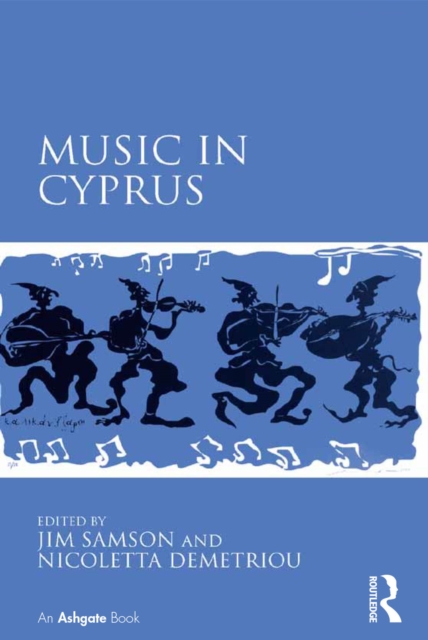
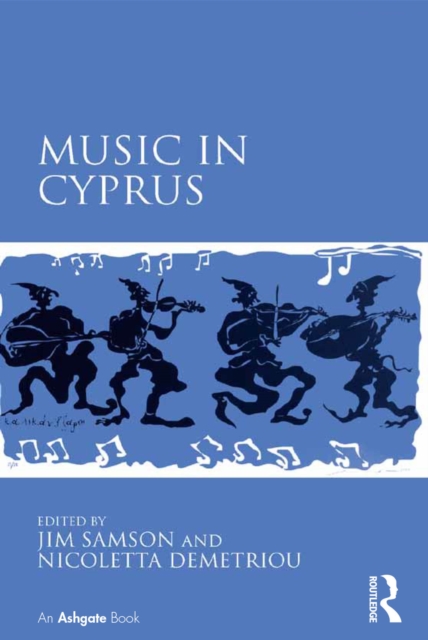
Music in Cyprus draws its authors from both sides of the divided island to give a rounded picture of musical culture from the beginning of the British colonial period (1878-1960) until today.
Music in Cyprus draws its authors from both sides of the divided island to give a rounded picture of musical culture from the beginning of the British colonial period (1878-1960) until today.
This volume is a comprehensive and detailed survey of music and musical life of the entire Soviet era, from 1917 to 1991, which takes into account the extensive body of scholarly literature in Russian and other major European languages.
This volume is a comprehensive and detailed survey of music and musical life of the entire Soviet era, from 1917 to 1991, which takes into account the extensive body of scholarly literature in Russian and other major European languages.
The gayat al-matlub fi 'ilm al-adwar wa-'l-durub by Ibn Kurr is the only theoretical text of any substance that can be considered representative of musicological discourse in Cairo during the first half of the fourteenth century CE.
The gayat al-matlub fi 'ilm al-adwar wa-'l-durub by Ibn Kurr is the only theoretical text of any substance that can be considered representative of musicological discourse in Cairo during the first half of the fourteenth century CE.
The plight of the fallen woman is one of the salient themes of nineteenth-century art and literature; indeed, the ubiquity of the trope galvanized the Victorian conscience and acted as a spur to social reform.
The plight of the fallen woman is one of the salient themes of nineteenth-century art and literature; indeed, the ubiquity of the trope galvanized the Victorian conscience and acted as a spur to social reform.
Pioneers in their fields and two of the best-known women in music in the twentieth century, Nadia and Lili Boulanger have previously been considered in isolation from one another.
Pioneers in their fields and two of the best-known women in music in the twentieth century, Nadia and Lili Boulanger have previously been considered in isolation from one another.
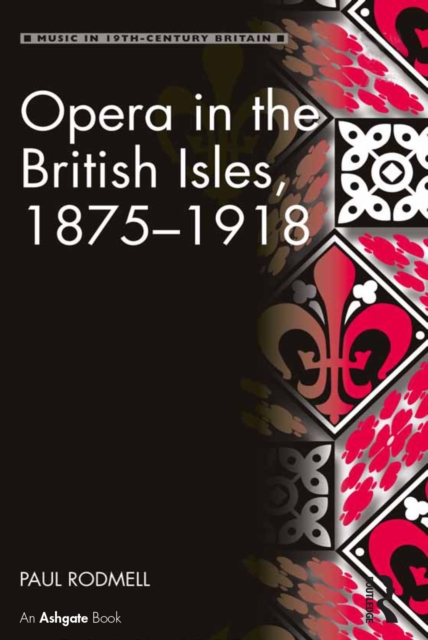
While the musical culture of the British Isles in the 'long nineteenth century' has been reclaimed from obscurity by musicologists in the last thirty years, appraisal of operatic culture in the latter part of this period has remained largely elusive.
While the musical culture of the British Isles in the 'long nineteenth century' has been reclaimed from obscurity by musicologists in the last thirty years, appraisal of operatic culture in the latter part of this period has remained largely elusive.
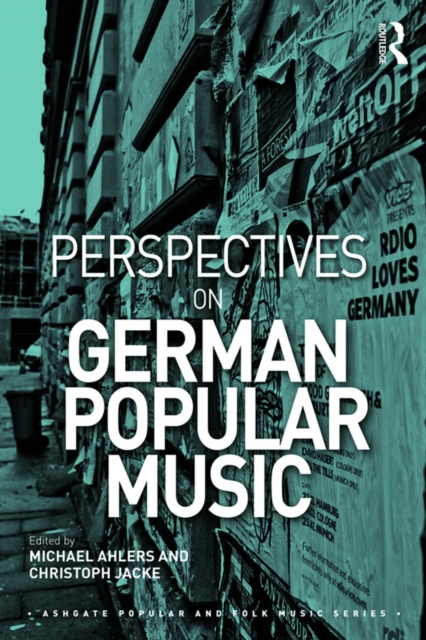
In this book, native popular musicologists focus on their own popular music cultures from Germany, Austria and Switzerland for the first time: from subcultural to mainstream phenomena; from the 1950s to contemporary acts.
In this book, native popular musicologists focus on their own popular music cultures from Germany, Austria and Switzerland for the first time: from subcultural to mainstream phenomena; from the 1950s to contemporary acts.
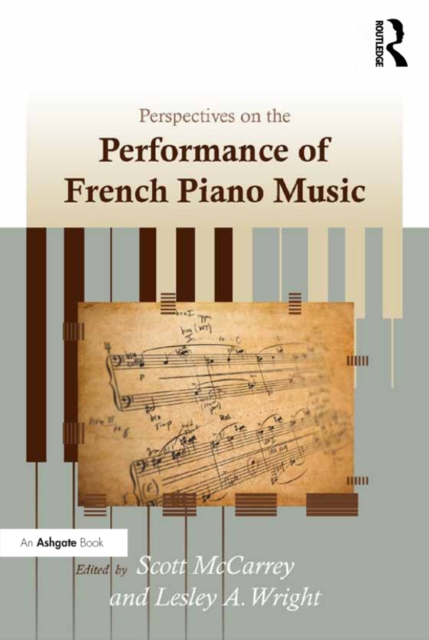
Perspectives on the Performance of French Piano Music offers a range of approaches central to the performance of French piano music of the nineteenth and twentieth centuries.
Perspectives on the Performance of French Piano Music offers a range of approaches central to the performance of French piano music of the nineteenth and twentieth centuries.
This innovative study of nineteenth-century cellists and cello playing shows how simple concepts of posture, technique and expression changed over time, while acknowledging that many different practices co-existed.
This innovative study of nineteenth-century cellists and cello playing shows how simple concepts of posture, technique and expression changed over time, while acknowledging that many different practices co-existed.
Barbara Lebrun traces the evolution of 'protest' music in France since 1981, exploring the contradictions that emerge when artists who take their musical production and political commitment 'seriously', cross over to the mainstream, becoming profitable and consensual.
Barbara Lebrun traces the evolution of 'protest' music in France since 1981, exploring the contradictions that emerge when artists who take their musical production and political commitment 'seriously', cross over to the mainstream, becoming profitable and consensual.
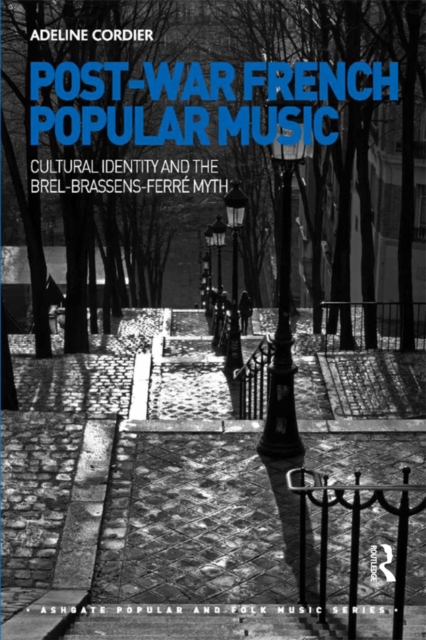
Jacques Brel, Georges Brassens and Leo Ferre are three emblematic figures of post-war French popular music who have been constantly associated with each other by the public and the media.
Jacques Brel, Georges Brassens and Leo Ferre are three emblematic figures of post-war French popular music who have been constantly associated with each other by the public and the media.