Written by one of the most prominent thinkers in sound studies, Amplifications presents a perspective on sound narrated through the experiences of a sound artist and writer.
Written by one of the most prominent thinkers in sound studies, Amplifications presents a perspective on sound narrated through the experiences of a sound artist and writer.
From the Fairlight CMI through MIDI to the digital audio workstations at the turn of the millennium, Modern Records, Maverick Methods examines a critical period in commercial popular music record production: the transformative digital age from the late 1970s until 2000.
From the Fairlight CMI through MIDI to the digital audio workstations at the turn of the millennium, Modern Records, Maverick Methods examines a critical period in commercial popular music record production: the transformative digital age from the late 1970s until 2000.
The revised edition of Understanding Records explains the musical language of recording practice in a way any interested reader and student can easily understand.
The revised edition of Understanding Records explains the musical language of recording practice in a way any interested reader and student can easily understand.
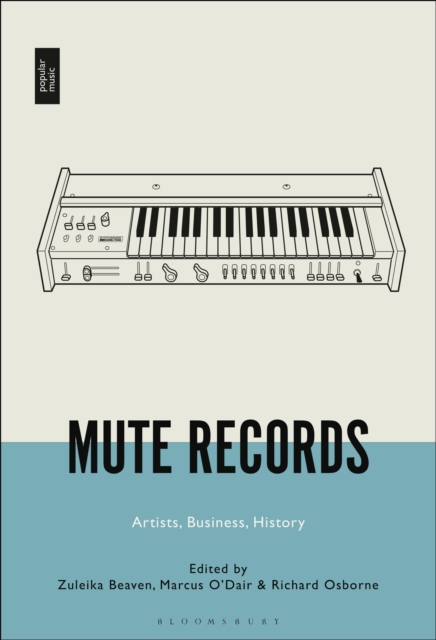
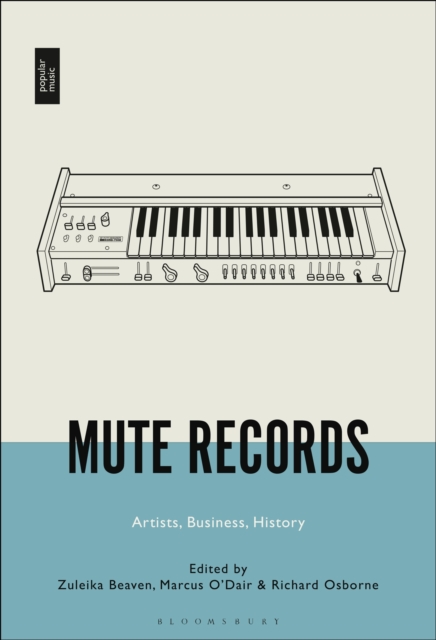
Mute Records is one of the most influential, commercially successful, and long-lasting of the British independent record labels formed in the wake of the late-1970's punk explosion.
Mute Records is one of the most influential, commercially successful, and long-lasting of the British independent record labels formed in the wake of the late-1970's punk explosion.
Popular Music in the Post-Digital Age explores the relationship between macro environmental factors, such as politics, economics, culture and technology, captured by terms such as 'post-digital' and 'post-internet'.
Popular Music in the Post-Digital Age explores the relationship between macro environmental factors, such as politics, economics, culture and technology, captured by terms such as 'post-digital' and 'post-internet'.
Awarded a Certificate of Merit at the ARSC Awards for Excellence 2018In the past two decades digital technologies have fundamentally changed the way we think about, make and use popular music.
Awarded a Certificate of Merit at the ARSC Awards for Excellence 2018In the past two decades digital technologies have fundamentally changed the way we think about, make and use popular music.
For more than 15 years, Confessions of a Record Producer has exposed the inner workings of the music business and empowered artists to protect their interests.
As an acclaimed and sought-after record producer and recording engineer, Kallie Marie has witnessed first-hand the opportunities and challenges that women in her chosen field face every day.
Chairman at the Board is an intimate, funny, and absorbing look at the music business by an insider who has recorded a host of the greatest musical artists from the 1970s to today.
In this behind-the-scenes look at the making of Fleetwood Mac's epic, platinum-selling double album, Tusk, producers and engineers Ken Caillat and Hernan Rojas tell their stories of spending a year with the band in their new million-dollar studio trying to follow up Rumours, the biggest rock album of the time.
More than simply the book of the award-winning DVD set, Art & Science of Sound Recording, the Book takes legendary engineer, producer, and artist Alan Parsons' approaches to sound recording to the next level.
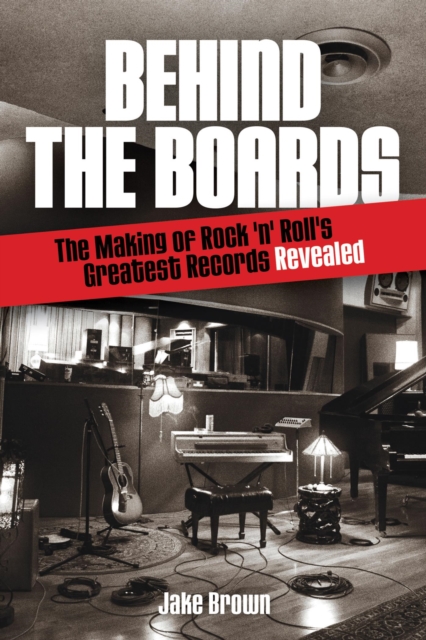
The initial volume of Behind the Boards was the first definitive rock-record producer's anthology of its kind, taking music fans and those interested in sound recording inside the studio to experience the creation of life-changing music.
Ableton Live 9 is a groundbreaking music production and performance application whose uniquely nonlinear and incredibly flexible features set it far apart from all the other digital audio applications.
Thousands of music apps - designed to assist you with every aspect of your life as a musician, hobbyist, student, or educator - are available for the iPad.
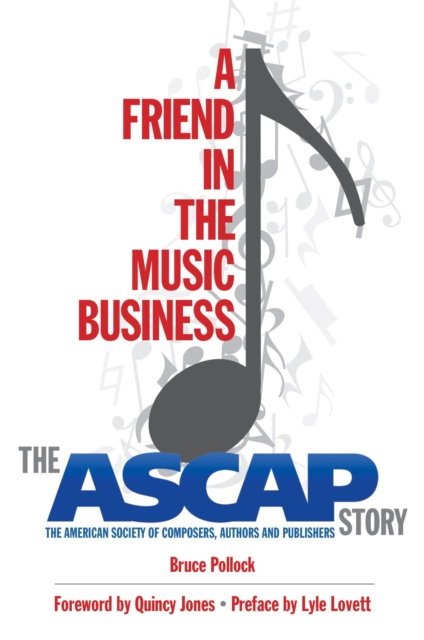
On February 13, 1914, a group of the nation's most distinguished and popular songwriters gathered together in New York City to support the mission of ASCAP, a new organization for publishers and songwriters.
The term "e;soundtrack of our lives"e; is one commonly tossed around by artists, fans, critics, and historians when discussing rock 'n' roll's timeless hits, which span every subgenre, from pop to hard rock and heavy metal to new wave.
For 30 years, Guitar World magazine has served as North America's leading publication for rock guitarists - and with more than 325 issues under its belt, the world's bestselling guitar magazine is showing no signs of slowing down.