Written by the world's leading scholars and researchers in the emerging field of sound studies, The Oxford Handbook of Sound Studies offers new and fully engaging perspectives on the significance of sound in its material and cultural forms.
Music Learning Today: Digital Pedagogy for Creating, Performing, and Responding to Music presents an approach to conceptualizing and utilizing technology as a tool for music learning.
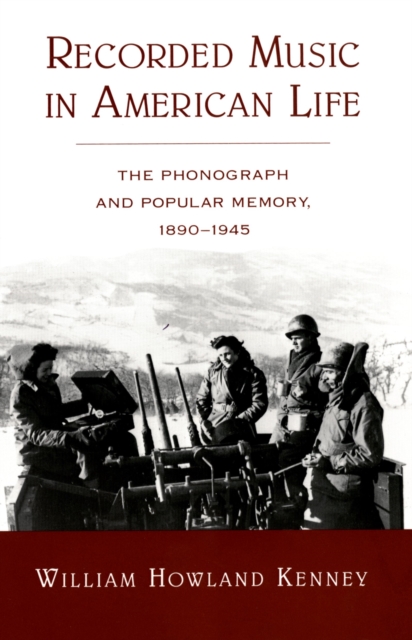
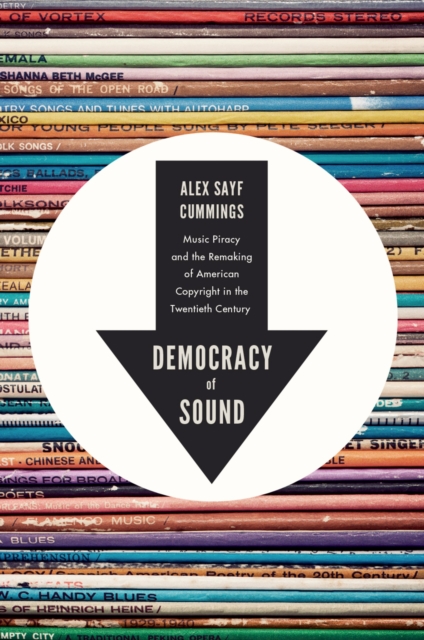
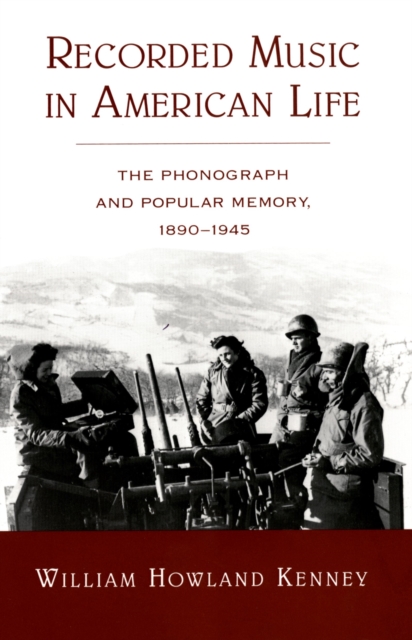
Have records, compact discs, and other sound reproduction equipment merely provided American listeners with pleasant diversions, or have more important historical and cultural influences flowed through them?
As audiences are increasingly no longer solely listeners but also active producer-consumers, and as video games and other interactive systems increasingly permeate our daily lives, understanding interactivity and its impact on the audience has never been more important.
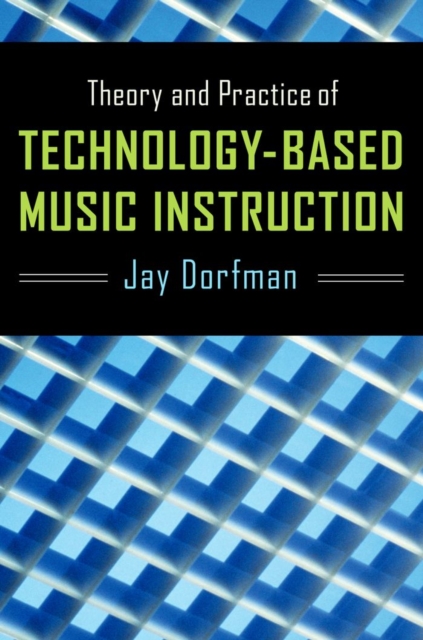
Based on educational theory and on recognized music teaching methods, Theory and Practice of Technology-Based Music Instruction develops a framework for examining music teaching that uses technology to introduce, reinforce, and assess skills and concepts.
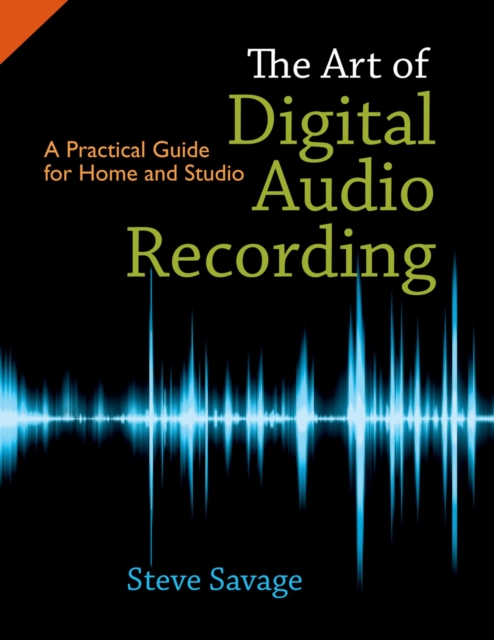
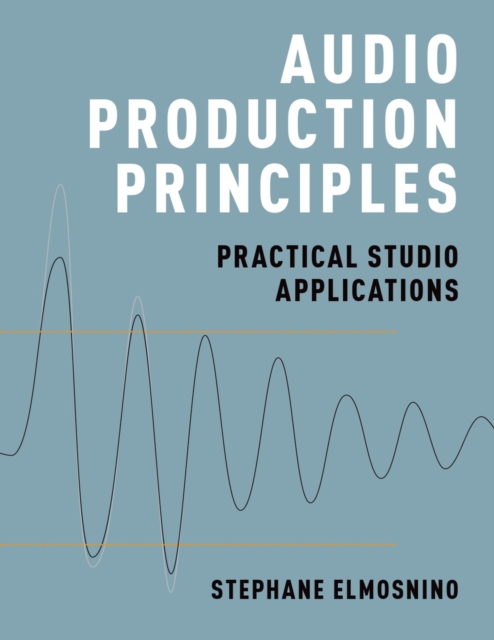
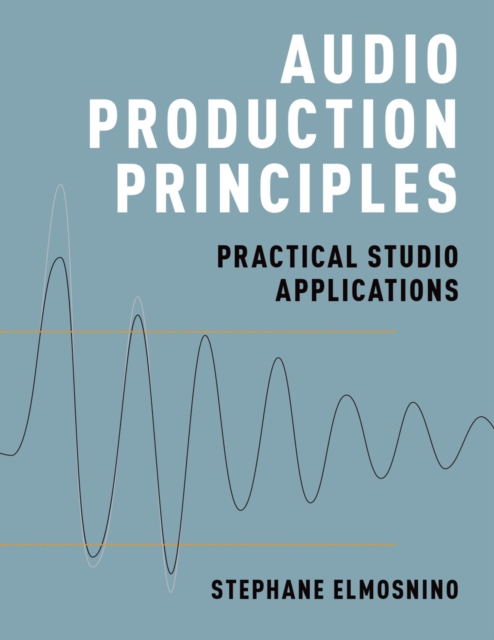
Audio recordings are the calling card with which musicians share and promote their work so a knowledge of recording techniques and technologies is essential to the 21st century musician.
Audio recordings are the calling card with which musicians share and promote their work so a knowledge of recording techniques and technologies is essential to the 21st century musician.
The two volumes of The Oxford Handbook of Mobile Music Studies consolidate an area of scholarly inquiry that addresses how mechanical, electrical, and digital technologies and their corresponding economies of scale have rendered music and sound increasingly mobile-portable, fungible, and ubiquitous.
In Sonic Virtuality: Sound as Emergent Perception, authors Mark Grimshaw and Tom Garner introduce a novel theory that positions sound within a framework of virtuality.
Music Learning Today: Digital Pedagogy for Creating, Performing, and Responding to Music presents an approach to conceptualizing and utilizing technology as a tool for music learning.
The Art of Music Production is the first book to comprehensively analyze and describe the role of the music producer in creating successful music recordings.
In Beyond the Score: Music as Performance, author Nicholas Cook supplants the traditional musicological notion of music as writing, asserting instead that it is as performance that music is loved, understood, and consumed.
Electronic music instruments weren't called synthesizers until the 1950s, but their lineage began in 1919 with Russian inventor Lev Sergeyevich Termen's development of the Etherphone, now known as the Theremin.
Electronic music instruments weren't called synthesizers until the 1950s, but their lineage began in 1919 with Russian inventor Lev Sergeyevich Termen's development of the Etherphone, now known as the Theremin.
Based on educational theory and on recognized music teaching methods, Theory and Practice of Technology-Based Music Instruction develops a framework for examining music teaching that uses technology to introduce, reinforce, and assess skills and concepts.
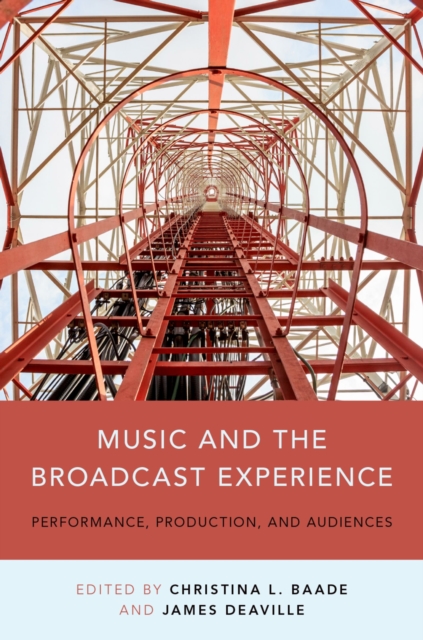
Music and the Broadcast Experience explores the complex ways in which music and broadcasting have developed together throughout the twentieth and into the twenty-first centuries.
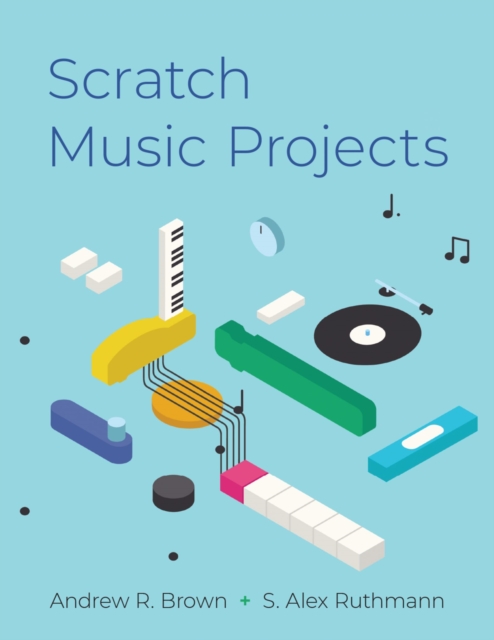
In this practical, project-based book, music students, educators, and coders receive the necessary tools to engage with real-world experiences in computation and creativity using the programming language Scratch.
In this practical, project-based book, music students, educators, and coders receive the necessary tools to engage with real-world experiences in computation and creativity using the programming language Scratch.
Arduino, Teensy, and related microcontrollers provide a virtually limitless range of creative opportunities for musicians and hobbyists who are interested in exploring "e;do it yourself"e; technologies.
Have records, compact discs, and other sound reproduction equipment merely provided American listeners with pleasant diversions, or have more important historical and cultural influences flowed through them?
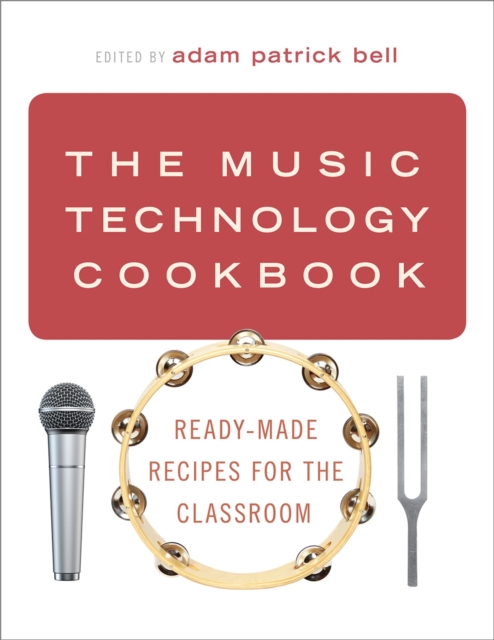
Featuring 56 lessons by 49 music technology experts from around the world, The Music Technology Cookbook is an all-in-one guide to the world of music technology, covering topics like: composition (with digital audio workstations such as Ableton, Soundtrap, GarageBand); production skills such as recording, editing, and equalization; creating multimedia (ringtones, soundscapes, audio books, sonic brands, jingles); beatmaking; DJing; programming (Minecraft, Scratch, Sonic Pi, P5.
Featuring 56 lessons by 49 music technology experts from around the world, The Music Technology Cookbook is an all-in-one guide to the world of music technology, covering topics like: composition (with digital audio workstations such as Ableton, Soundtrap, GarageBand); production skills such as recording, editing, and equalization; creating multimedia (ringtones, soundscapes, audio books, sonic brands, jingles); beatmaking; DJing; programming (Minecraft, Scratch, Sonic Pi, P5.
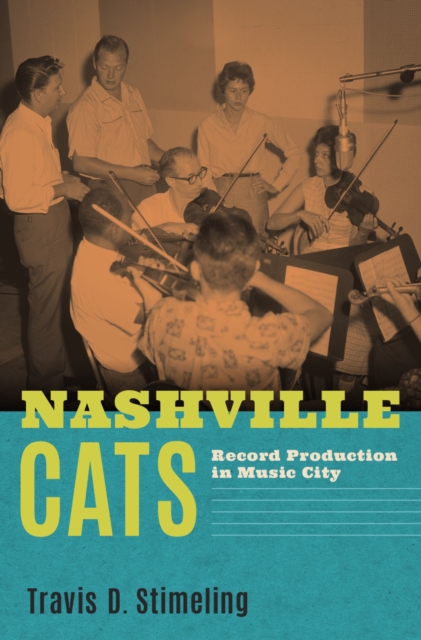
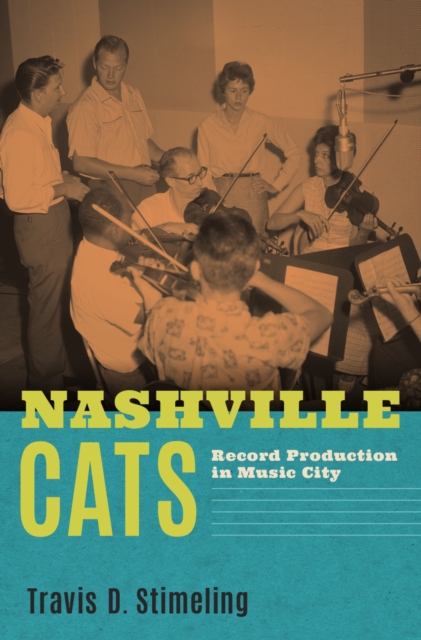
The Nashville Cats bounced from studio to studio along the city's Music Row, delivering instrumental backing tracks for countless recordings throughout the mid-20th century.
The Nashville Cats bounced from studio to studio along the city's Music Row, delivering instrumental backing tracks for countless recordings throughout the mid-20th century.
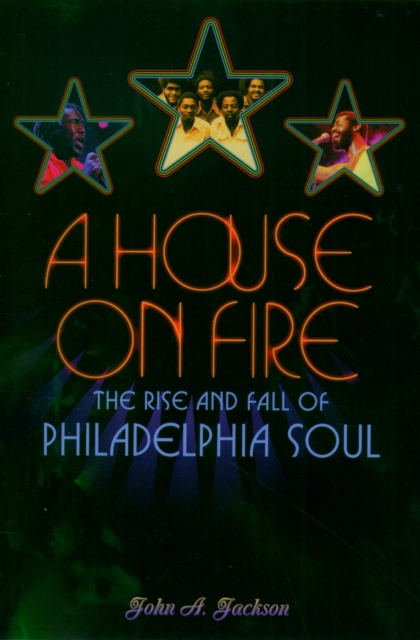
"e;If You Don't Know Me By Now,"e; "e;The Love I Lost,"e; "e;The Soul Train Theme,"e; "e;Then Came You,"e; "e;Ain't No Stoppin' Us Now"e;--the distinctive music that became known as Philly Soul dominated the pop music charts in the 1970s.
With this all-in-one manual, students and teachers have an easy-to-read reference that provides a reliable and current rundown of the world of sound production, from planning a recording session to mastering the final product.
With this all-in-one manual, students and teachers have an easy-to-read reference that provides a reliable and current rundown of the world of sound production, from planning a recording session to mastering the final product.
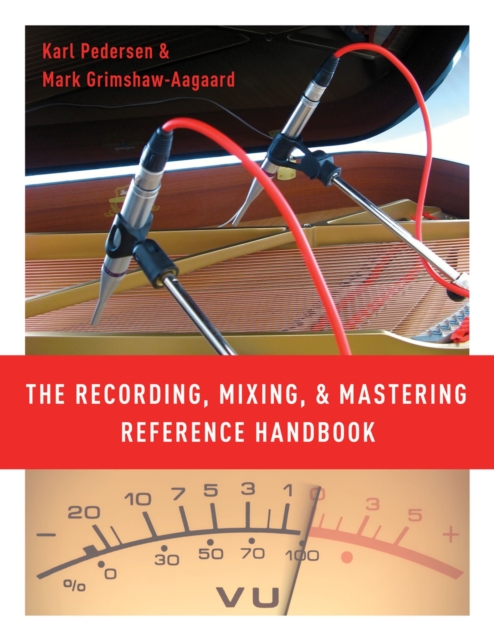
The Recording, Mixing, and Mastering Reference Handbook provides an easy-to-read guide for music-making in the studio setting, from equipment fundamentals to recording and mixing almost any instrument.
The Recording, Mixing, and Mastering Reference Handbook provides an easy-to-read guide for music-making in the studio setting, from equipment fundamentals to recording and mixing almost any instrument.
Inside Computer Music is an investigation of how new technological developments have influenced the creative possibilities of composers of computer music in the last 50 years.
Inside Computer Music is an investigation of how new technological developments have influenced the creative possibilities of composers of computer music in the last 50 years.
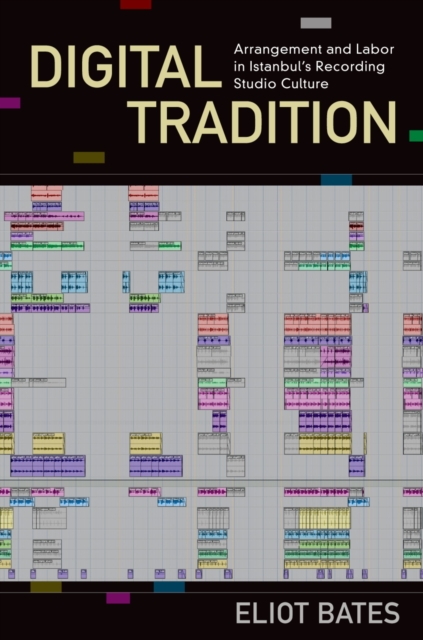
Istanbul is home to a multimillion dollar transnational music industry, which every year produces thousands of digital music recordings, including widely distributed film and television show soundtracks.
Music and the Broadcast Experience explores the complex ways in which music and broadcasting have developed together throughout the twentieth and into the twenty-first centuries.
Recording Tips for Music Educators: A Practical Guide for Recording School Groups provides a go-to guide for music educators to plan and execute a successful recording project for school groups.
Recording Tips for Music Educators: A Practical Guide for Recording School Groups provides a go-to guide for music educators to plan and execute a successful recording project for school groups.