Bob Dylan, Jimi Hendrix, and David Bowie are among three of the most influential figures in twentieth-century popular music and culture, and innumerable scholars and biographers have explored the history of their influence.
The Story of Boogie-Woogie: A Left Hand Like God examines the socio-historical background of the boogie-woogie piano style, from its early appearances in the barrelhouses of lumber, turpentine, and railroad camps in the southern United States, to its emergence at rent parties in Chicago and St.
Counting Downis a unique series of titles designed to select the best songs or musical works from major performance artists and composers in an age of design-your-own playlists.
Although academic study of the Grateful Dead began shortly after the group's formation, the dramatic growth of scholarly literature only occurred after the band's formal retirement of the name in 1995.
Since the 1960s, the Grateful Dead have welcomed and participated in academic work on the band, encouraging scrutiny from a wide variety of disciplinary and theoretical perspectives, from anthropology to sociology.
This book concerns the life and theatrical career of the great native-born English composer and musician of the eighteenth century, Thomas Augustine Arne (1710-1778).
This book introduces readers to the most significant technological developments in music making and listening, including such topics as metronomes and the development of music notation as well as synthesizers, the latest music collaboration apps, and other 21st-century technologies.
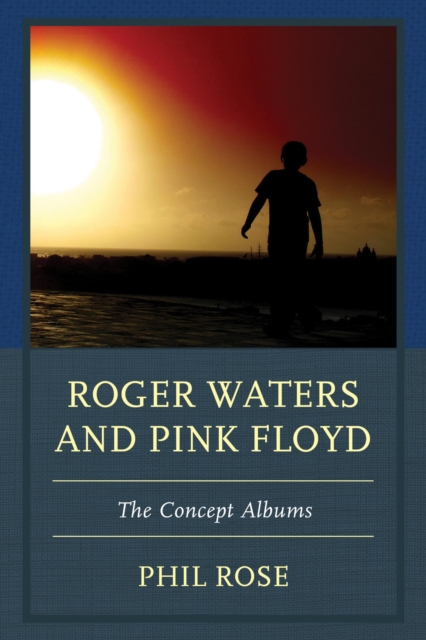
After Syd Barrett departed Pink Floyd, the band that he had co-founded and fronted became a rudderless ship, releasing a series of nebulous (though highly inventive) jam albums and taking on touring expenses that nearly bankrupted them.
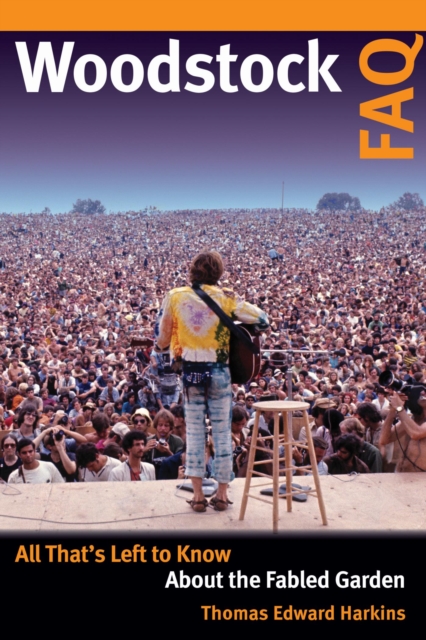
Thomas Edward Harkin's Woodstock FAQ: All That's Left to Know About the Fabled Garden cuts through the lofty rhetoric and mythology surrounding the legendary festival.
Many of the world's biggest bands have imploded amid bitter and violent grudges over money, publishing, ego-driven power plays, relationships, drugs, and that famous old bromide, "e;musical differences.
Music and Urban Life in Baroque Germany offers a new narrative of Baroque music, accessible to non-music specialists, in which Tanya Kevorkian defines the era in terms of social dynamics rather than style and genre development.
Beyond its elucidation and critique of traditional 'notation-centric' musicology, this book's primary emphasis is on the negotiation and construction of meaning within the extended musical multimedia works of the classic British group Pink Floyd.
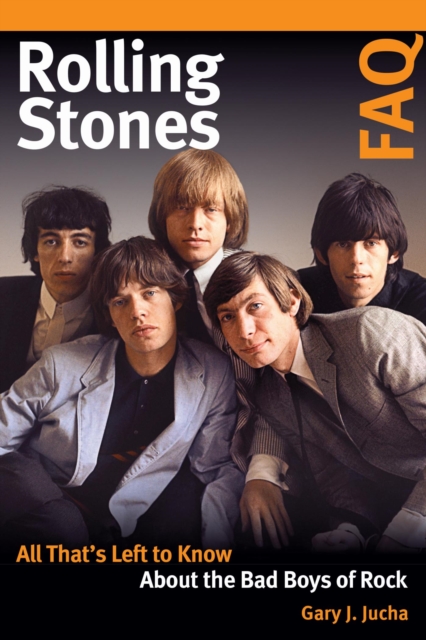
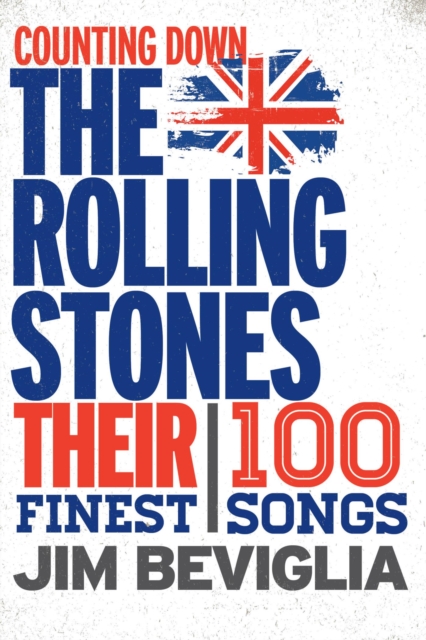
Cleverly marketed by their original manager as the bad boys of rock, the Rolling Stones have survived dalliances with the devil, drug busts, and the death of founding member Brian Jones to become the world's longest-running rock and roll band.
Piano Makers in Russia in the Nineteenth Century is a richly detailed thematic study of the history of the piano in Russian society from its beginnings with the European artisans who settled in St.
The Child Ballads are a series of over 300 traditional ballads from England and Scotland that, along with their American variants, were anthologized by folklorist Francis James Child in the nineteenth century.
The Child Ballads are a series of over 300 traditional ballads from England and Scotland that, along with their American variants, were anthologized by folklorist Francis James Child in the nineteenth century.
After Syd Barrett departed Pink Floyd, the band that he had co-founded and fronted became a rudderless ship, releasing a series of nebulous (though highly inventive) jam albums and taking on touring expenses that nearly bankrupted them.
The New York City Labor Chorus (NYCLC) was the first group of its kind when it formed in 1991 with members of different unions joining together in song.
No band has ever been able to demonstrate the enduring power of rock and roll quite like the Rolling Stones, who continue to enthrall, provoke, and invigorate their legions of fans more than fifty years since they began.
Despite the Modernist search for new and innovative aesthetics and rejection of traditional tonality, several twentieth century composers have found their own voice while steadfastly relying on the aesthetics and techniques of Romanticism and 19th century composition principles.
The Sex Pistols exploded onto the music scene in 1976, paving the way for the deluge of punk rock that would change the face of modern rock music forever.