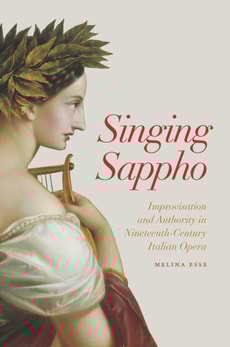
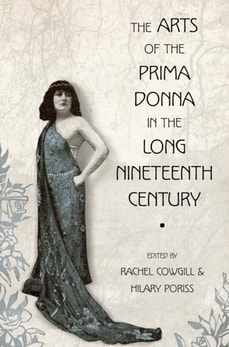
From the theatrical stage to the literary salon, the figure of Sappho-the ancient poet and inspiring icon of feminine creativity-played a major role in the intertwining histories of improvisation, text, and performance throughout the nineteenth century.
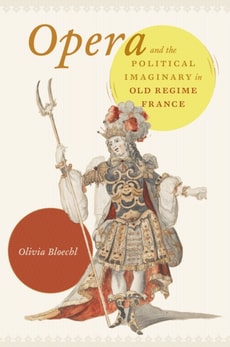
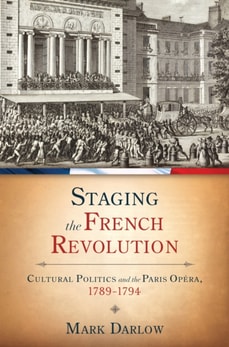
From its origins in the 1670s through the French Revolution, serious opera in France was associated with the power of the absolute monarchy, and its ties to the crown remain at the heart of our understanding of this opera tradition (especially its foremost genre, the tragedie en musique).
Performed throughout Europe during the 1700s, Italian heroic opera, or opera seria, was the century's most significant musical art form, profoundly engaging such figures as Handel, Haydn, and Mozart.
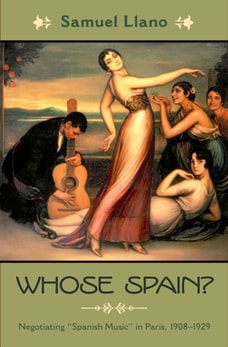
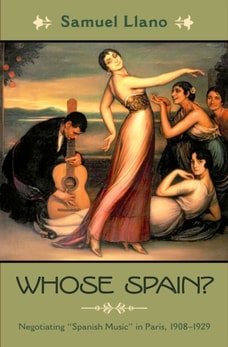
From the very beginning of the nineteenth century, many elements of Spanish culture carried an air of 'exoticism' for the French-and nothing played more important of a role in shaping the French idea of Spain than the country's musical tradition.
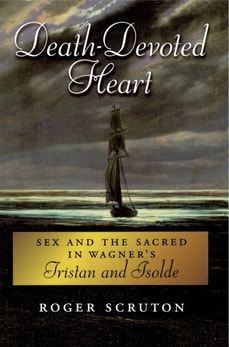
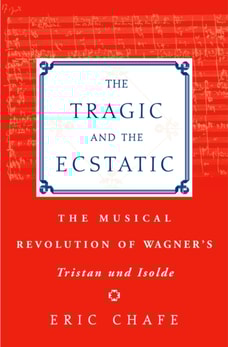
A tale of forbidden love and inevitable death, the medieval legend of Tristan and Isolde recounts the story of two lovers unknowingly drinking a magic potion and ultimately dying in one another's arms.
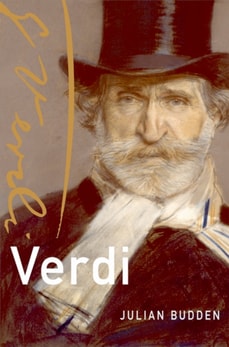
In this third edition of the classic Verdi, renowned authority Julian Budden offers a comprehensive overview of Verdi the man and the artist, tracing his ascent from humble beginnings to the status of a cultural patriarch of the new Italy, whose cause he had done much to promote, and demonstrating the gradual enlargement over the years of his artistic vision.
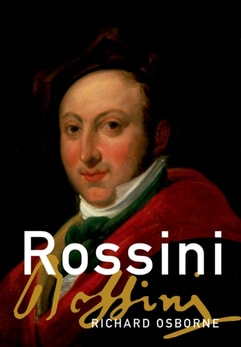
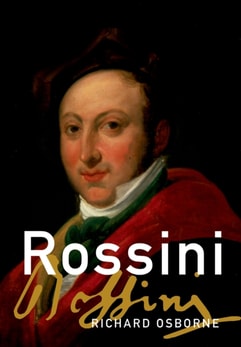
Gioachino Rossini was one of the most influential, as well as one of the most industrious and emotionally complex of the great nineteenth-century composers.
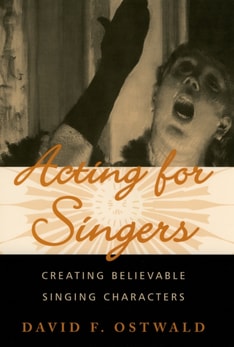
Written to meet the needs of thousands of students and pre-professional singers participating in production workshops and classes in opera and musical theater, Acting for Singers leads singing performers step by step from the studio or classroom through audition and rehearsals to a successful performance.
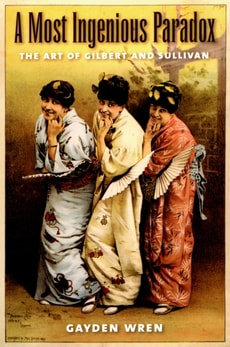
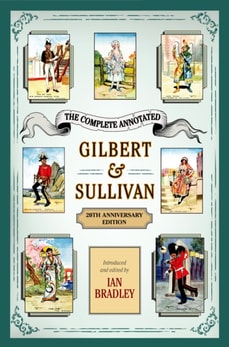
Written more than a century ago and initially regarded even by their creators as nothing more than light entertainment, the fourteen operas of Gilbert & Sullivan emerged over the course of the twentieth century as the world's most popular body of musical-theater works, ranking second only to Shakespeare in the history of English-language theater.
From the very beginning of the nineteenth century, many elements of Spanish culture carried an air of 'exoticism' for the French-and nothing played more important of a role in shaping the French idea of Spain than the country's musical tradition.
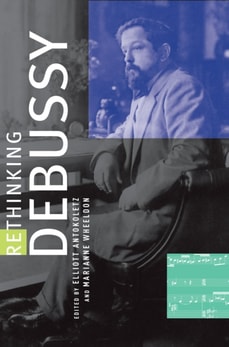
Composer, pianist, and critic Claude Debussy's musical aesthetic represents the single most powerful influence on international musical developments during the long fin de siecle period.
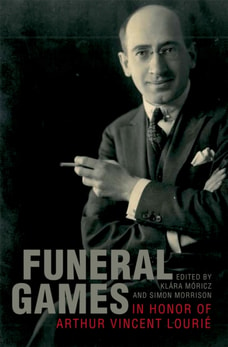
Funeral Games in Honor of Arthur Vincent Lourie explores the varied aesthetic impulses and ever-evolving personal motivations of Russian composer Arthur Lourie.
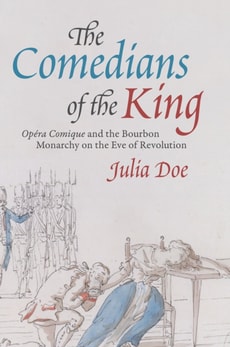
Over the last decade, the theatre and opera of the French Revolution have been the subject of intense scholarly reassessment, both in terms of the relationship between theatrical works and politics or ideology in this period and on the question of longer-scale structures of continuity or rupture in aesthetics.
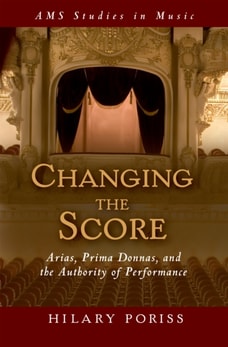
This study seeks to explore the role and significance of aria insertion, the practice that allowed singers to introduce music of their own choice into productions of Italian operas.
Each entry in this New Grove series of composers and their operas is based on articles in The New Grove Dictionary of Opera, that feature information on the lives of individual composers, their works, their librettists and interpreters, and the places where they performed.
Gioachino Rossini was one of the most influential, as well as one of the most industrious and emotionally complex of the great nineteenth-century composers.
Camille Saint-Saens is a memorable figure not only for his successes as a composer of choral and orchestral works, and the eternally popular opera Samson et Dalila, but also because he was a keen observer of the musical culture in which he lived.
During the years preceding the composition of Tristan and Isolde, Wagner's aesthetics underwent a momentous turnaround, principally as a result of his discovery of Schopenhauer.
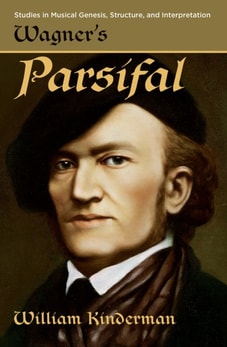
William Kinderman's detailed study of Parsifal, described by the composer as his "e;last card,"e; explores the evolution of the text and music of this inexhaustible yet highly controversial music drama across Wagner's entire career, and offers a reassessment of the ideological and political history of Parsifal, shedding new light on the connection of Wagner's legacy to the rise of National Socialism in Germany.
Ian Bradley's Complete Annotated Gilbert and Sullivan has established itself across the world as the authorized and definitive 'Bible' for all those interested in the Savoy operas.
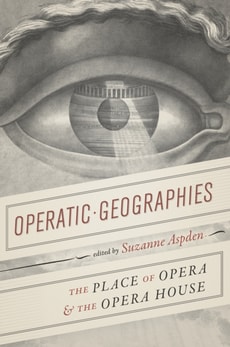
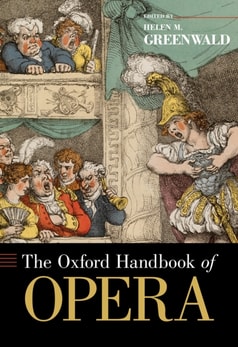
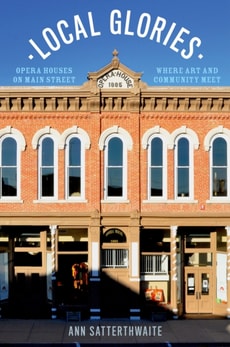
To most people, the term "e;opera house"e; conjures up images of mink-coated dowagers accompanied by tuxedo-clad men in the gilded interiors of opulent buildings like the Met in New York or La Scala in Milan.
To most people, the term "e;opera house"e; conjures up images of mink-coated dowagers accompanied by tuxedo-clad men in the gilded interiors of opulent buildings like the Met in New York or La Scala in Milan.