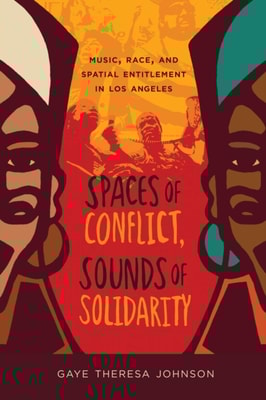
In Spaces of Conflict, Sounds of Solidarity, Gaye Theresa Johnson examines interracial anti-racist alliances, divisions among aggrieved minority communities, and the cultural expressions and spatial politics that emerge from the mutual struggles of Blacks and Chicanos in Los Angeles from the 1940s to the present.
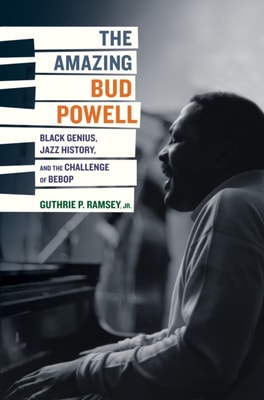
Bud Powell was not only one of the greatest bebop pianists of all time, he stands as one of the twentieth century's most dynamic and fiercely adventurous musical minds.
Celluloid Symphonies is a unique sourcebook of writings on music for film, bringing together fifty-three critical documents, many previously inaccessible.
The page-turning, never-before-told story of Kim Campbell's roller-coaster thirty-four-year marriage to music legend Glen Campbell, including how Kim helped Glen finally conquer his addictions only to face their greatest challenge when he was diagnosed with Alzheimer's disease.
We All Want to Change the World provides a cogent and fascinating evaluation of post-World War II American commercial music and its complex, multi-faceted impact on the world of politics.
Music Theory for Musical Theatre is a textbook designed to demystify music theory and analysis to make it more accessible to the musical theatre student.
In this surprising new look at how clothing, style, and commerce came together to change American culture, Jennifer Le Zotte examines how secondhand goods sold at thrift stores, flea markets, and garage sales came to be both profitable and culturally influential.
Popular music has long been a subject of academic inquiry, with college courses taught on Elvis Presley, Bob Dylan, and the Beatles, along with more contemporary artists like Beyonce and Outkast.
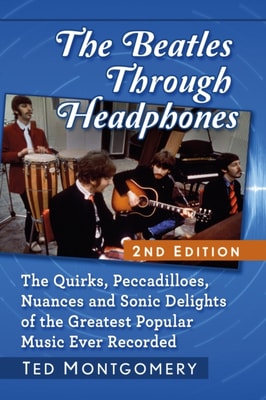
This book delves into the aural splendor of the Beatles' discography, breaking down each song and taking a close look at how the group's music sounds through headphones rather than external speakers.
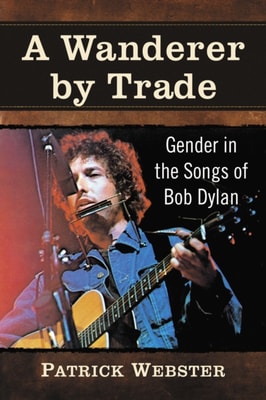
Many of Bob Dylan's most well-known works date from the 1960s, and can be seen as critical indicators of the changes in American society then and since.
Jan Berry, leader of the music duo Jan & Dean from the late 1950s to mid-1960s, was an intense character who experienced more in his first 25 years than many do in a lifetime.
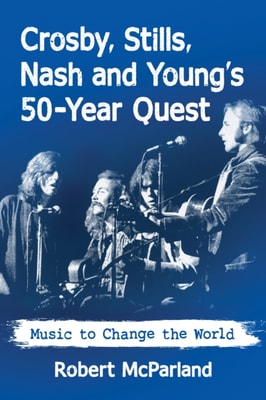
Crosby, Stills, Nash, and Young, with their distinct vocal harmonies, blending of rock, jazz, folk, and blues, and political and social activism, have remained one of the most enduring musical acts of the 1960s.
From the rise of the American Evangelical movement to the introduction of Eastern philosophies in the West, the past century has seen major changes in the religious makeup of Western culture.
This day-by-day chronicle of every live concert by the Rolling Stones from 1962 through 1982 traces their development from a band playing small clubs around London to the global phenomenon we know today.
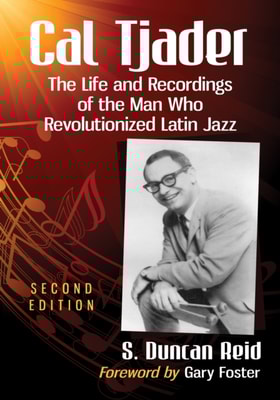
Within one of the most complex musical categories yet to surface, Cal Tjader quietly pioneered the genre as a jazz vibraphonist, composer, arranger and bandleader from the 1950s through the 1980s.
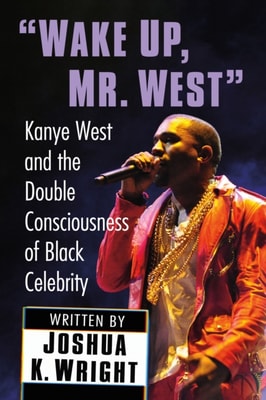
Black celebrities in America have always walked a precarious line between their perceived status as spokespersons for their race and their own individual success----and between being "e;not black enough"e; for the black community or "e;too black"e; to appeal to a broader audience.
A catalog nearly fifty years in the making, Bruce Springsteen's music remains popular and a frequent subject of study yet little critical attention has been given to its inclusion in film and television.