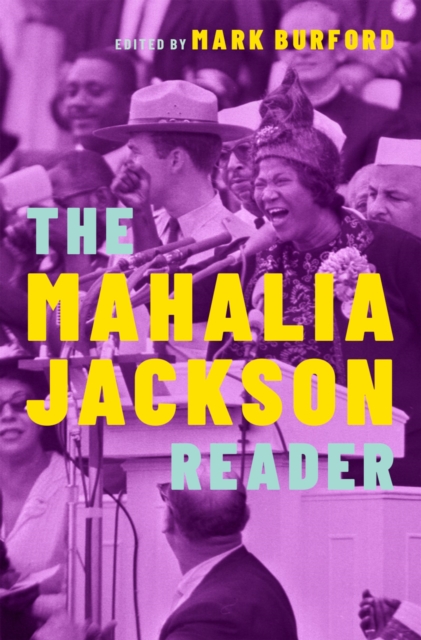
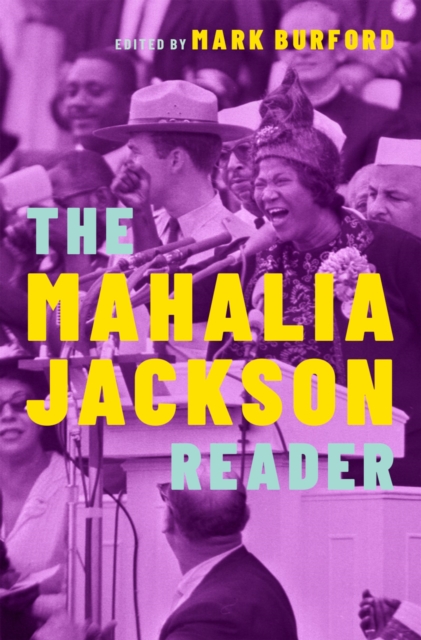
Born in New Orleans before migrating to Chicago, Mahalia Jackson (1911-72) is undoubtedly the most widely known black gospel singer, having achieved fame among African American communities in the 1940s then finding a wide audience among non-black U.
Born in New Orleans before migrating to Chicago, Mahalia Jackson (1911-72) is undoubtedly the most widely known black gospel singer, having achieved fame among African American communities in the 1940s then finding a wide audience among non-black U.
Music in the California missions was a pluralistic combination of voices and instruments, of liturgy and spectacle, of styles and functions--and even of cultures--in a new blend that was non-existent before the Franciscan friars made their way to California beginning in 1769.
In the last decades of the 17th century, the feast of Christmas in Lutheran Germany underwent a major transformation when theologians and local governments waged an early modern "e;war on Christmas,"e; discouraging riotous pageants and carnivalesque rituals in favor of more personal and internalized expressions of piety.
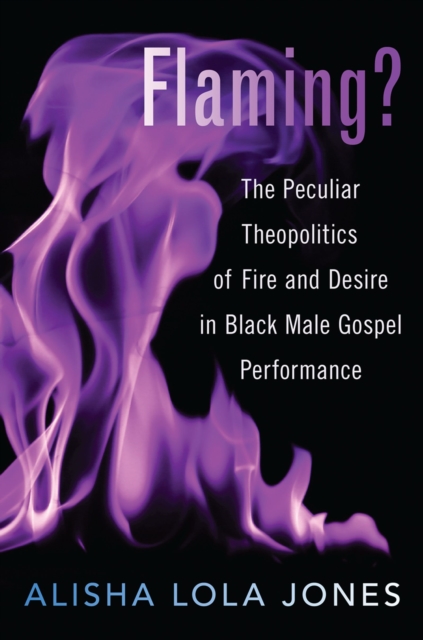
Male-centered theology, a dearth of men in the pews, and an overrepresentation of queer males in music ministry: these elements coexist within the spaces of historically black Protestant churches, creating an atmosphere where simultaneous heteropatriarchy and "e;real"e; masculinity anxieties, archetypes of the "e;alpha-male preacher"e;, the "e;effeminate choir director"e; and homo-antagonism, are all in play.
Male-centered theology, a dearth of men in the pews, and an overrepresentation of queer males in music ministry: these elements coexist within the spaces of historically black Protestant churches, creating an atmosphere where simultaneous heteropatriarchy and "e;real"e; masculinity anxieties, archetypes of the "e;alpha-male preacher"e;, the "e;effeminate choir director"e; and homo-antagonism, are all in play.
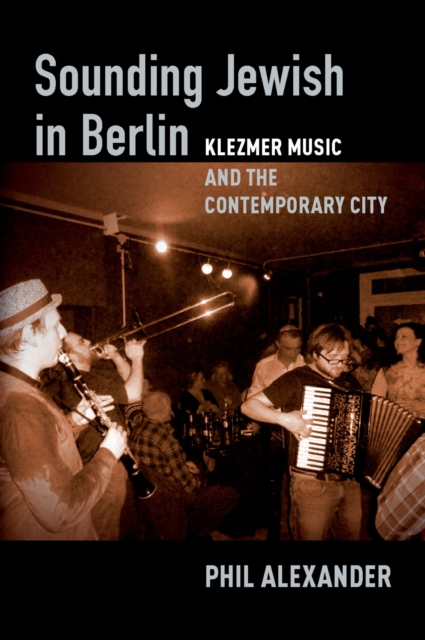
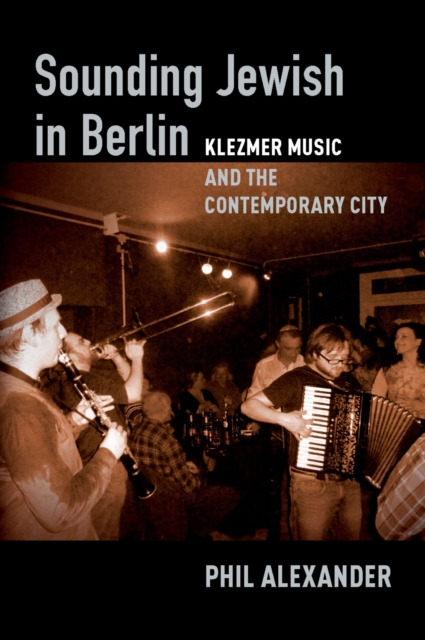
How can a traditional music with little apparent historical connection to Berlin become a way of hearing and making sense of the bustling German capital in the twenty-first century?
How can a traditional music with little apparent historical connection to Berlin become a way of hearing and making sense of the bustling German capital in the twenty-first century?
"e;Ask imis her ne meyve varsa su kainat baginda,Her dem baska bir alemin baska bir dalinda,Yaratir mi hic su Alemi luzumsuz bos yere,Her nereye baksan gosterir sana bir mucize.