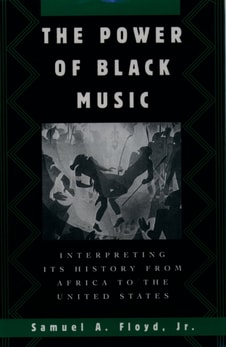
When Jimi Hendrix transfixed the crowds of Woodstock with his gripping version of "e;The Star Spangled Banner,"e; he was building on a foundation reaching back, in part, to the revolutionary guitar playing of Howlin' Wolf and the other great Chicago bluesmen, and to the Delta blues tradition before him.
This VSI offers readers something no other introduction to folk music does: a cross-cultural, comparative approach, a survey of the basic issues as they have unfolded over time, and specific examples from widely differing sites of how folk musicians themselves, as well as corporations, non-governmental organizations, and governments have made full use of the available resources, older and newer strategies, and multiple agendas that keep the folk music process alive in an increasingly interconnected, yet still localized world.
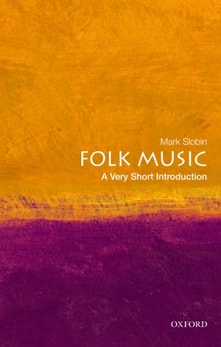
This VSI offers readers something no other introduction to folk music does: a cross-cultural, comparative approach, a survey of the basic issues as they have unfolded over time, and specific examples from widely differing sites of how folk musicians themselves, as well as corporations, non-governmental organizations, and governments have made full use of the available resources, older and newer strategies, and multiple agendas that keep the folk music process alive in an increasingly interconnected, yet still localized world.
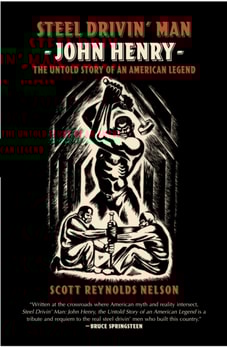
The ballad "e;John Henry"e; is the most recorded folk song in American history and John Henry--the mighty railroad man who could blast through rock faster than a steam drill--is a towering figure in our culture.
In 1946, Harry Choates, a Cajun fiddle virtuoso, changed the course of American musical history when his recording of the so-called Cajun national anthem "e;Jole Blon"e; reached number four on the national Billboard charts.
While Western medicine has conventionally separated music, science, and religion into distinct entities, traditional cultures throughout the world have always viewed music as a bridge that connects the physical with the spiritual.
Roark Bradford's 1931 novel and 1939 play dealing with the legendary folk-hero John Henry (both titled John Henry) were extremely influential in their own time but have long been unavailable or extremely hard to find.
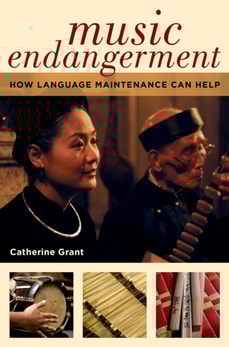
In response to increased focus on the protection of intangible cultural heritage across the world, Music Endangerment offers a new practical approach to assessing, advocating, and assisting the sustainability of musical genres.
Perhaps the most widely recognized figure in folk music and one of the most well-known figures in American political activism, Pete Seeger now belongs among the icons of 20th-century American culture.
The ballad "e;John Henry"e; is the most recorded folk song in American history and John Henry--the mighty railroad man who could blast through rock faster than a steam drill--is a towering figure in our culture.
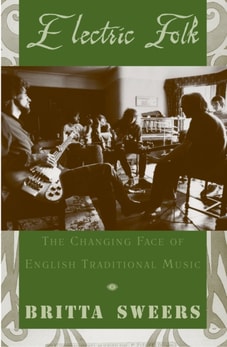
In the 1960s and 1970s, a number of British musicians rediscovered traditional folk ballads, fusing the old melodies with rock, jazz, and blues styles to create a new genre dubbed "e;electric folk"e; or "e;British folk rock.
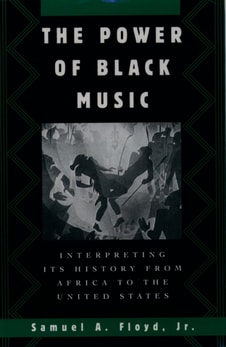
When Jimi Hendrix transfixed the crowds of Woodstock with his gripping version of "e;The Star Spangled Banner,"e; he was building on a foundation reaching back, in part, to the revolutionary guitar playing of Howlin' Wolf and the other great Chicago bluesmen, and to the Delta blues tradition before him.
Long studied by anthropologists, historians, and linguists, oral traditions have provided a wealth of fascinating insights into unique cultural customs that span the history of humankind.
"e;Pygmy music"e; has captivated students and scholars of anthropology and music for decades if not centuries, but until now this aspect of their culture has never been described in a work that is at once vividly engaging, intellectually rigorous, and self-consciously aware of the ironies of representation.
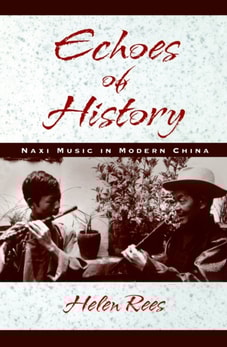
Based on extensive fieldwork and documentary research in China, this book is a chronicle of the musical history of Lijiang County in China's southern Yunnan Province.
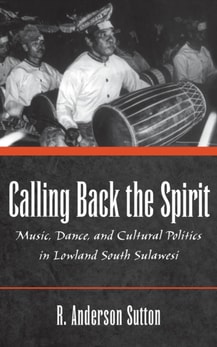
Calling Back the Spirit describes how, in the face of Indonesian and foreign cultural pressures, the Makassarese people of South Sulawesi are defending their local spirit through music and dance.
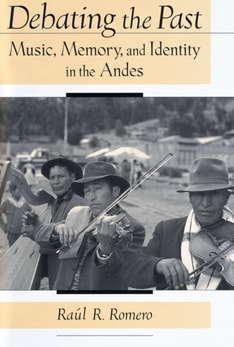
This volume examines how the search for "e;cultural authenticity,"e; the dispute over the past, and the role of "e;modernity"e; have been instrumental in building the regional musical culture of the Mantaro Valley, a central Peruvian region with about half a million inhabitants.
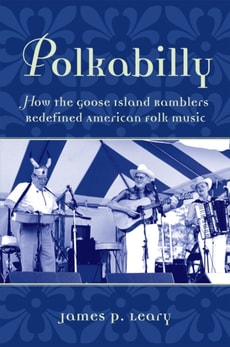
A freewheeling blend of continental European folk music and the songs, tunes, and dances of Anglo and Celtic immigrants, polkabilly has enthralled American musicians and dancers since the mid-19th century.
Arguably the pre-eminent European sculptor of his age, but historically considered little more than the facile court sculptor to the grand dukes of Florence, Giambologna played a major role in the artistic transformations of the late sixteenth century.
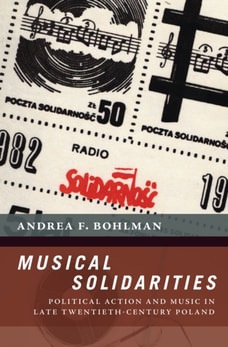
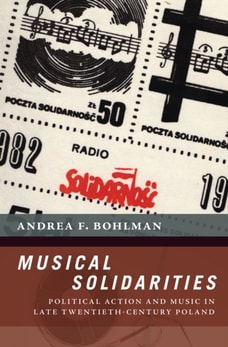
Musical Solidarities: Political Action and Music in Late Twentieth-Century Poland is a music history of Solidarity, the social movement opposing state socialism in 1980s Poland.
Musical Solidarities: Political Action and Music in Late Twentieth-Century Poland is a music history of Solidarity, the social movement opposing state socialism in 1980s Poland.
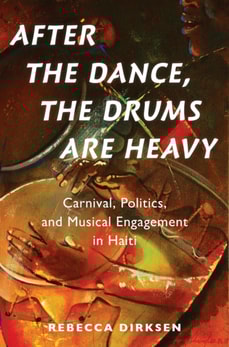
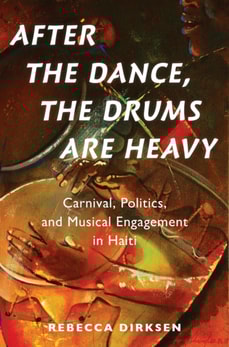
Richly ethnographic and a compelling read, After the Dance, the Drums Are Heavy is a study of carnival, politics, and the musical engagement of ordinary citizens and celebrity musicians in contemporary Haiti.
Richly ethnographic and a compelling read, After the Dance, the Drums Are Heavy is a study of carnival, politics, and the musical engagement of ordinary citizens and celebrity musicians in contemporary Haiti.
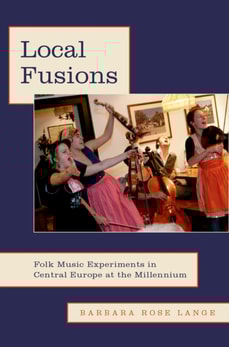
In Local Fusions, author Barbara Rose Lange explores musical life in Hungary, Slovakia, and Austria between the end of the Cold War and the world financial crisis of 2008.
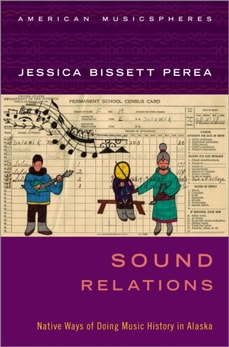
Sound Relations delves into histories of Inuit musical life in Alaska to register the significance of sound as integral to self-determination and sovereignty.
Sound Relations delves into histories of Inuit musical life in Alaska to register the significance of sound as integral to self-determination and sovereignty.