Hungarian composer Bela Bartok declared his Cantata profana, composed in 1930 and premiered in London in 1934, his "e;credo,"e; the composition of which was inseparable from the history of his involvement with folklore.
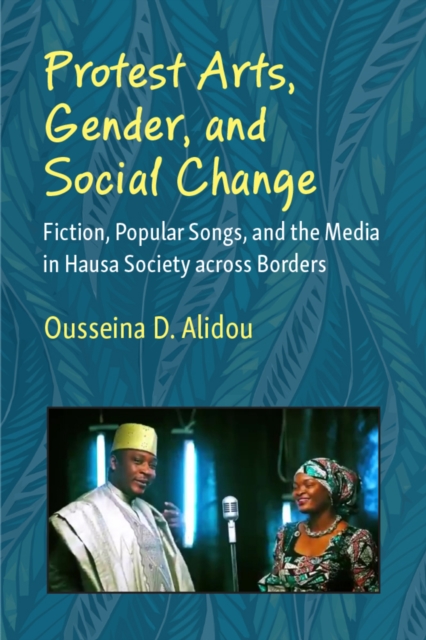
Protest Arts, Gender, and Social Change: Fiction, Popular Songs, and the Media in Hausa Society across Borders by Ousseina Alidou examines how a new generation of novelists, popular songwriters, and musical performers in contemporary Hausa society are using their creative works to effect social change.
Politics of Feminist New Materialisms at Music Playschools: Musicking in the Middle examines how feminist new materialist politics unfold within diverse music playschool practices in Finland.
Contesting Cultural Rhetorics is a groundbreaking and original study that demonstrates how "e;education"e; is viewed as a contested term and a set of contested practices in American culture because it is inevitably linked to highly contested, value-laden terms.
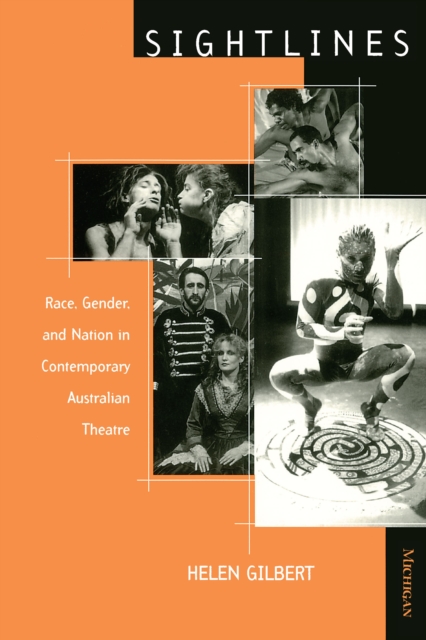
Sightlines: Race, Gender, and Nation in Contemporary Australian Theatre asserts the centrality of theater to the ongoing negotiations of the Australian context.
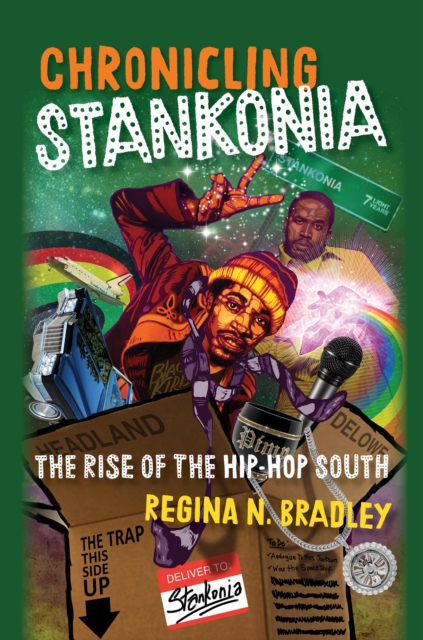
This vibrant book pulses with the beats of a new American South, probing the ways music, literature, and film have remixed southern identities for a postcivil rights generation.
When Walt Whitman published Leaves of Grass in 1855, he dreamed of inspiring a race of singers who would celebrate the working class and realize the promise of American democracy.
This volume provides a full and careful history of what sonata meant and how the word was used from its first appearance as an instrumental title in the sixteenth century to the near end of the thorough-bass practice around 1750.
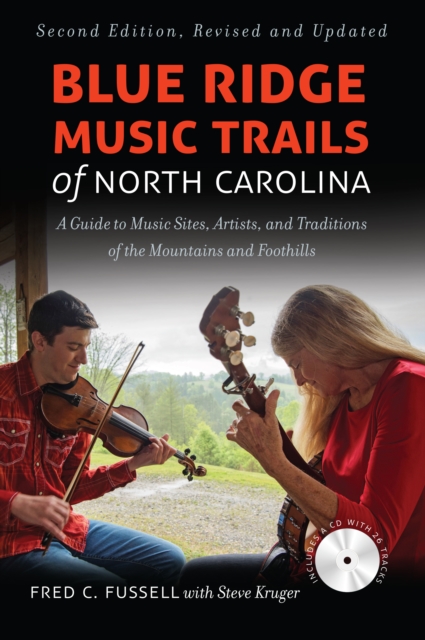
The Blue Ridge Mountains of North Carolina are the heart of a region where traditional music and dance are performed and celebrated as nowhere else in America.
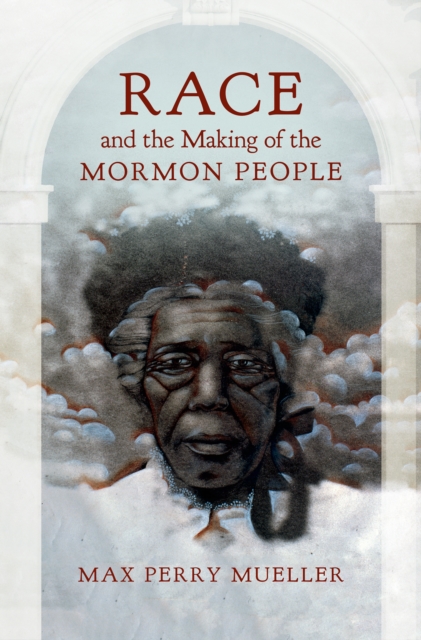
The nineteenth-century history of the Church of Jesus Christ of Latter-day Saints, Max Perry Mueller argues, illuminates the role that religion played in forming the notion of three original American racesred, black, and whitefor Mormons and others in the early American Republic.
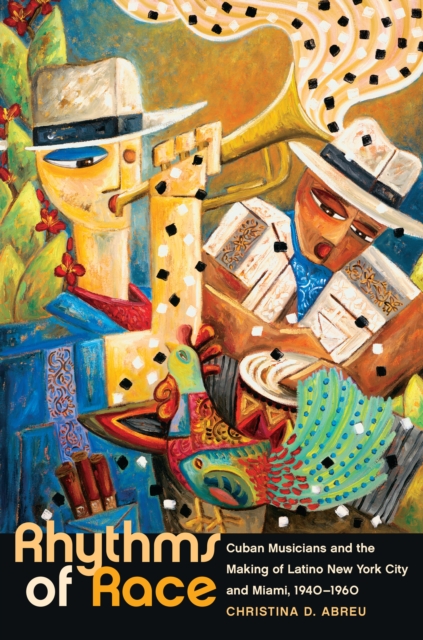
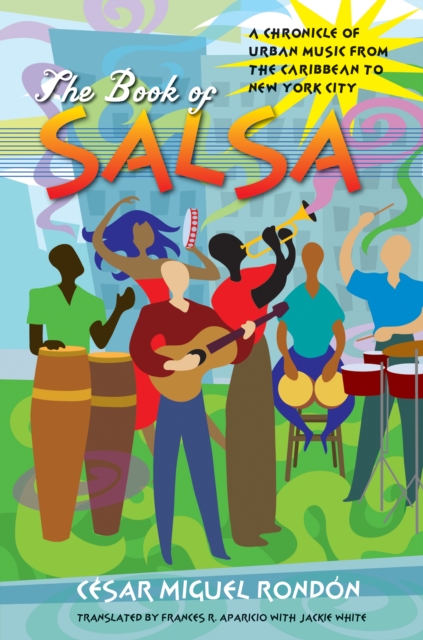
Among the nearly 90,000 Cubans who settled in New York City and Miami in the 1940s and 1950s were numerous musicians and entertainers, black and white, who did more than fill dance halls with the rhythms of the rumba, mambo, and cha cha ch.
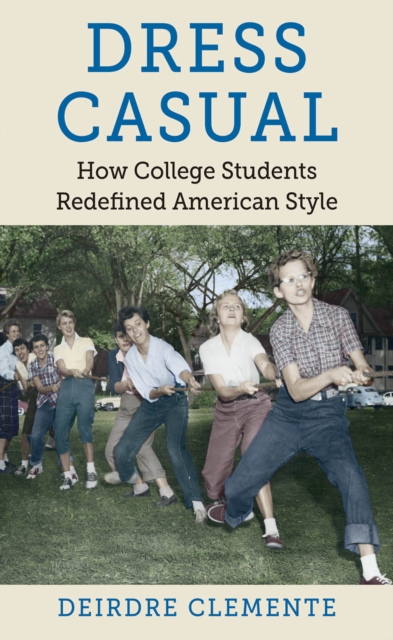
As Deirdre Clemente shows in this lively history of fashion on American college campuses, whether its jeans and sneakers or khakis with a polo shirt, chances are college kids made it cool.
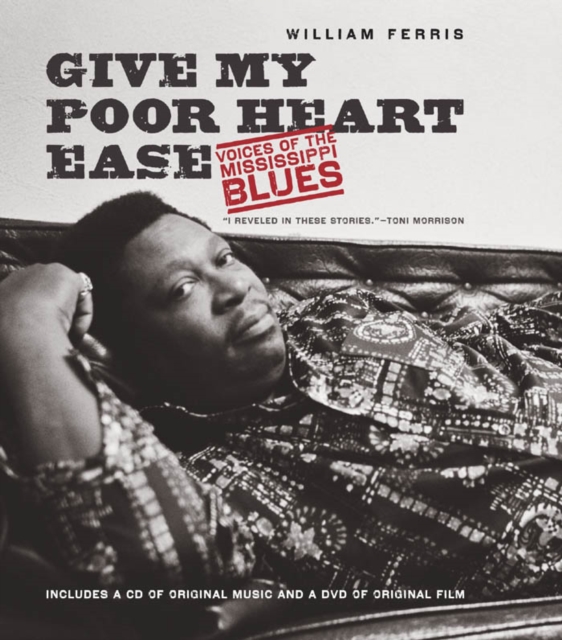
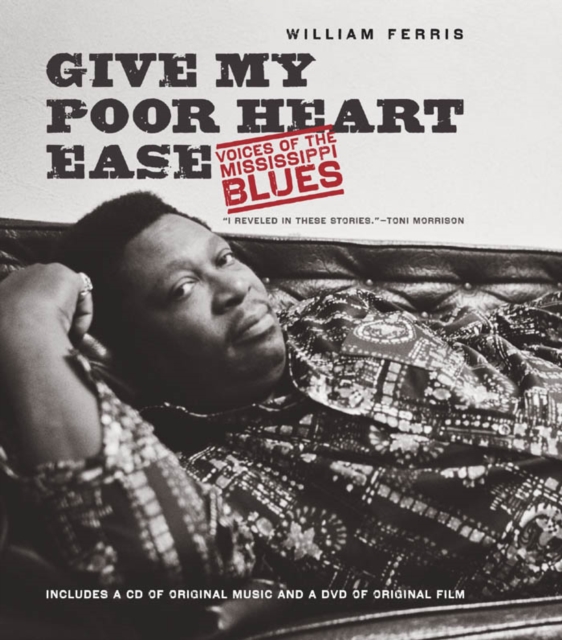
Throughout the 1960s and 1970s, folklorist William Ferris toured his home state of Mississippi, documenting the voices of African Americans as they spoke about and performed the diverse musical traditions that form the authentic roots of the blues.
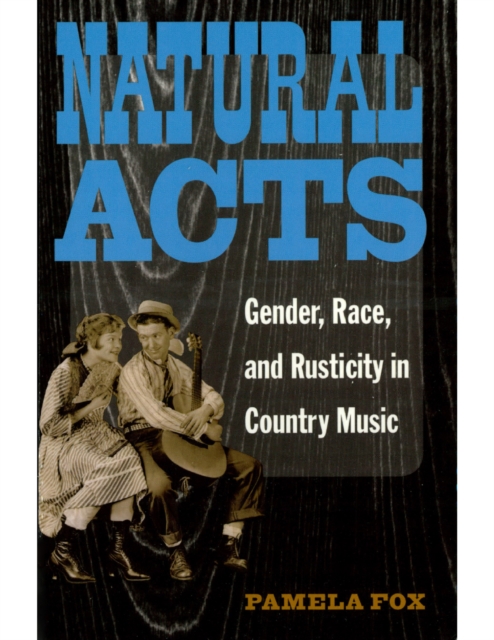
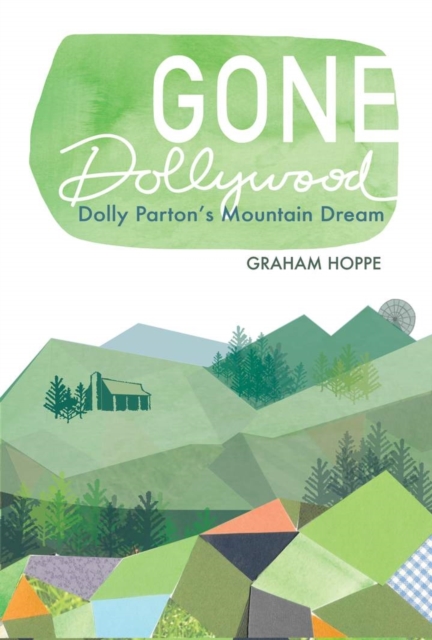
Whether found in country barn dances, the plaintive twang of Hank Williams, the glitzy glamour of Dolly Parton, or the country-pop sound of Faith Hill, country music has always maintained an allegiance to its own authenticity.
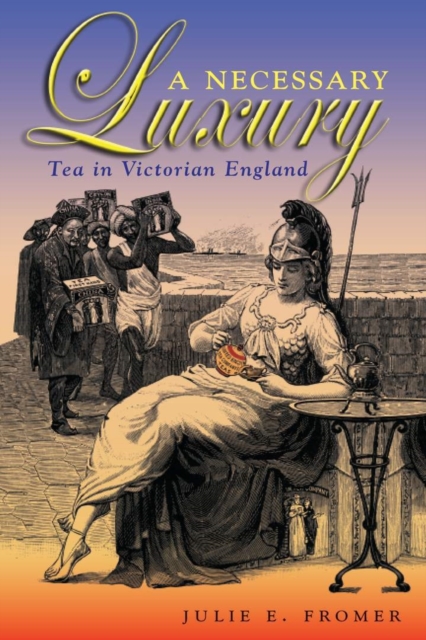
Tea drinking in Victorian England was a pervasive activity that, when seen through the lens of a century's perspective, presents a unique overview of Victorian culture.
Throughout the 1960s and 1970s, folklorist William Ferris toured his home state of Mississippi, documenting the voices of African Americans as they spoke about and performed the diverse musical traditions that form the authentic roots of the blues.
Protest Arts, Gender, and Social Change: Fiction, Popular Songs, and the Media in Hausa Society across Borders by Ousseina Alidou examines how a new generation of novelists, popular songwriters, and musical performers in contemporary Hausa society are using their creative works to effect social change.
A hilarious, heartfelt memoir about one woman's midlife obsession with Benedict Cumberbatch, and the liberating power of reclaiming our passions as we age, whatever they may be.
In these essays, Roger Parker brings a series of valuable insights to bear on Verdian analysis and criticism, and does so in a way that responds both to an opera-goer's love of musical drama and to a scholar's concern for recent critical trends.
This highly original book draws on narrative and film theory, psychoanalysis, and musicology to explore the relationship between aesthetics and anti-Semitism in two controversial landmarks in German culture.
An alternative look at Japanese life, history and cultureYour Rough Guide or Lonely Planet book can tell who where to stay or what to see, but how do you really get under the skin of Japan?
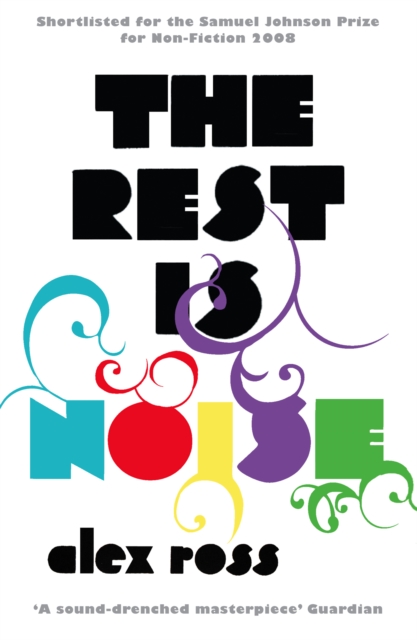
Alex Ross's sweeping history of twentieth-century classical music, winner of the Guardian First Book Award, is a gripping account of a musical revolution.
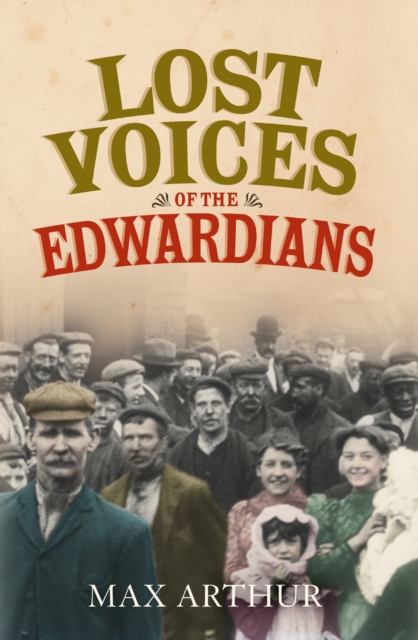
Max Arthur, bestselling author of the hugely popular 'Forgotten Voices' series, recaptures the day-to-day lives of working people in the Edwardian era.
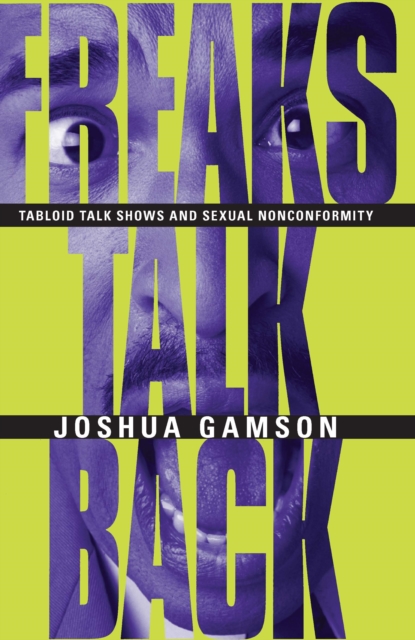
Using extensive interviews, hundreds of transcripts, focus-group discussions with viewers, and his own experiences as an audience member, Joshua Gamson argues that talk shows give much-needed, high-impact public visibility to sexual nonconformists while also exacerbating all sorts of political tensions among those becoming visible.