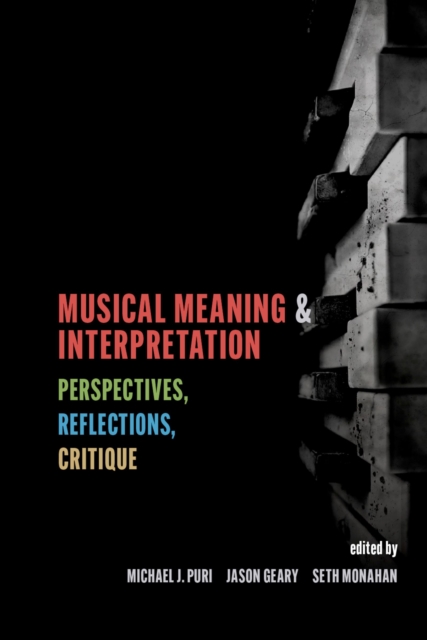
Revived with new intensity at the end of the twentieth century, questions of meaning and interpretation in music continue to generate widespread interest and give rise to new research directions and methods.
Often described as an art of abstraction and subjective introspection, experimental film is also invested in exploring daily objects and materials and in channeling, in the process, a peculiar perception of the modern everyday that this book calls queer materiality.
Often described as an art of abstraction and subjective introspection, experimental film is also invested in exploring daily objects and materials and in channeling, in the process, a peculiar perception of the modern everyday that this book calls queer materiality.
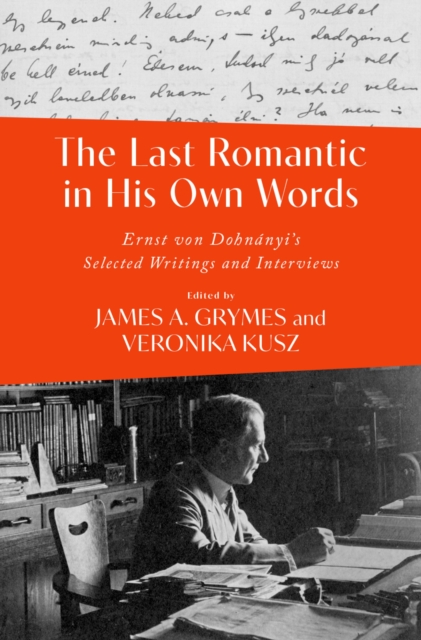
The Last Romantic in His Own Words combines carefully curated personal and professional letters with reminiscences, pedagogical essays, and statements on public affairs that Hungarian musician Ernst von Dohnanyi (1877-1960) wrote throughout his lengthy career.
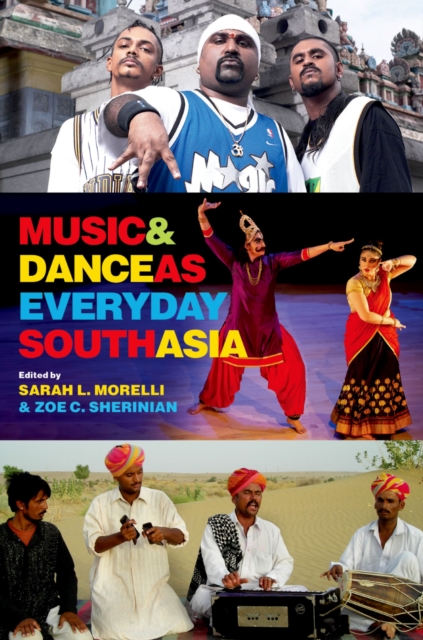
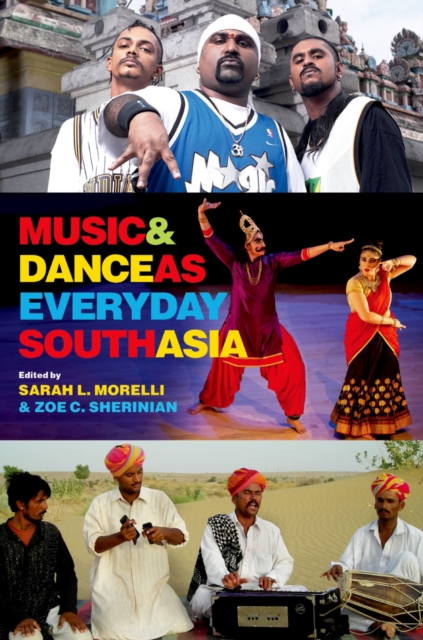
Music and Dance as Everyday South Asia offers an inclusive lens through which to study the music, dance, and allied arts of South Asia, its diasporas, and the people who produce and use these cultural expressions.
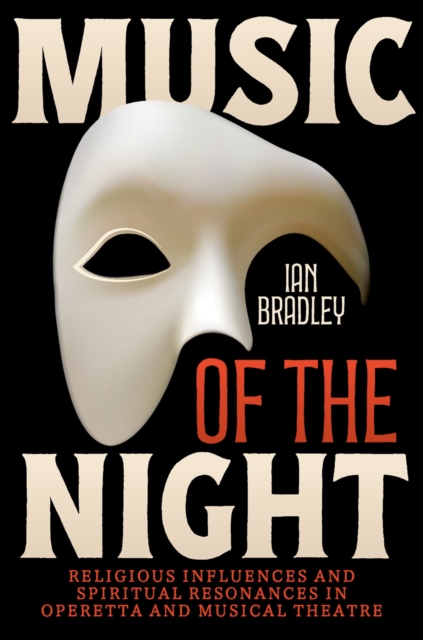
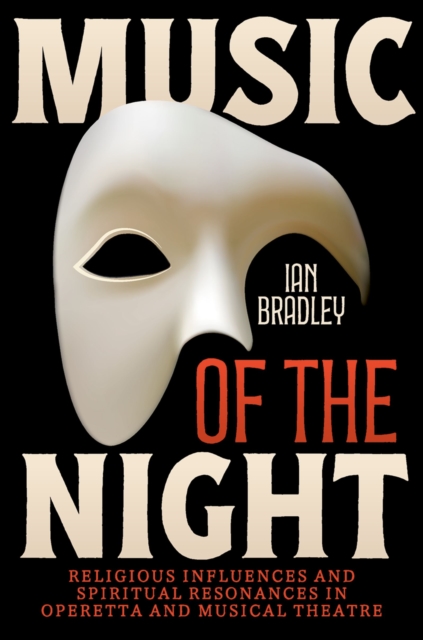
This book offers readers a fascinating new look into the spiritual side of operetta and musical theatre, two closely related genres often dismissed as trivial, shallow, and essentially secular.
Revived with new intensity at the end of the twentieth century, questions of meaning and interpretation in music continue to generate widespread interest and give rise to new research directions and methods.
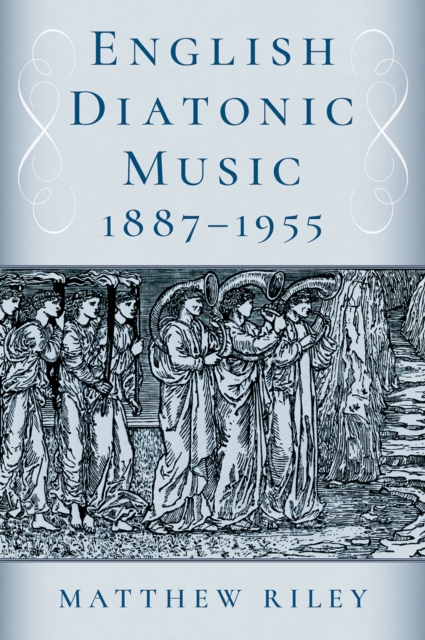
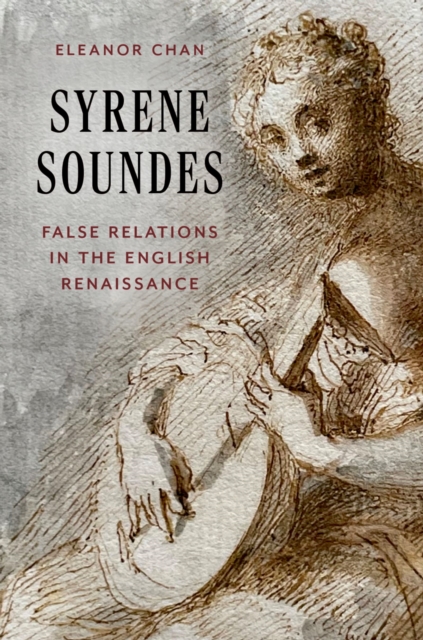
Much English music from the 1890s through the 1950s stands out for its intensive diatonicism: a studied avoidance of chromaticism and an elaboration of the expressive possibilities of purely diatonic writing.
This book offers readers a fascinating new look into the spiritual side of operetta and musical theatre, two closely related genres often dismissed as trivial, shallow, and essentially secular.
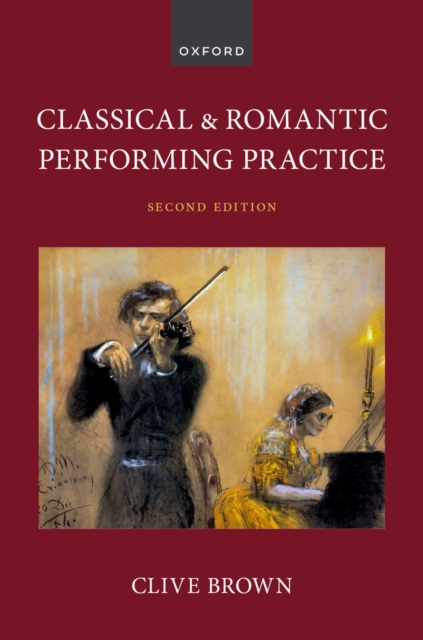
This book investigates the changing ways in which composers employed notation and musicians understood it between the middle of the eighteenth century and the start of the twentieth century.
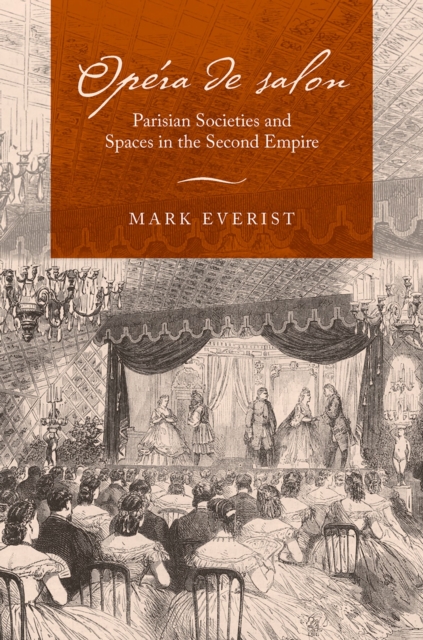
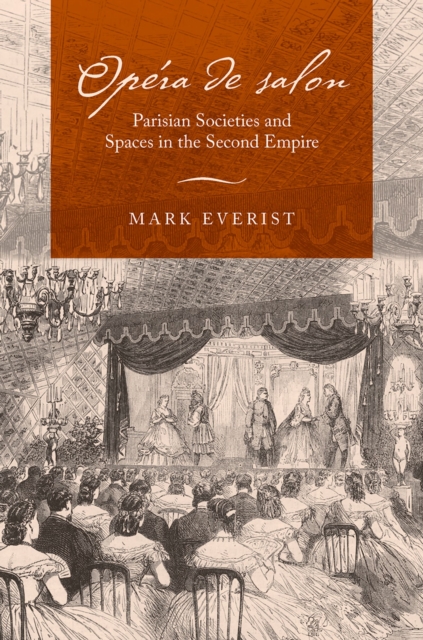
Opera de salon emerged in the early 1850s out of a much longer tradition of theatre de societe: the cultivation of performing plays in aristocratic town houses and chateaux which continued into the Second Empire of the 1850s and 1860s, and beyond.
Music and Dance as Everyday South Asia offers an inclusive lens through which to study the music, dance, and allied arts of South Asia, its diasporas, and the people who produce and use these cultural expressions.
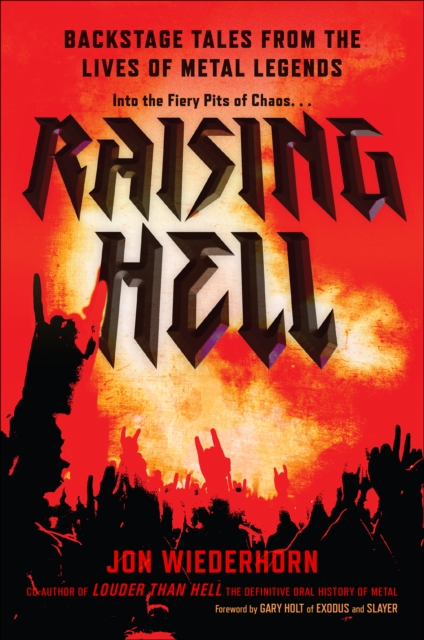
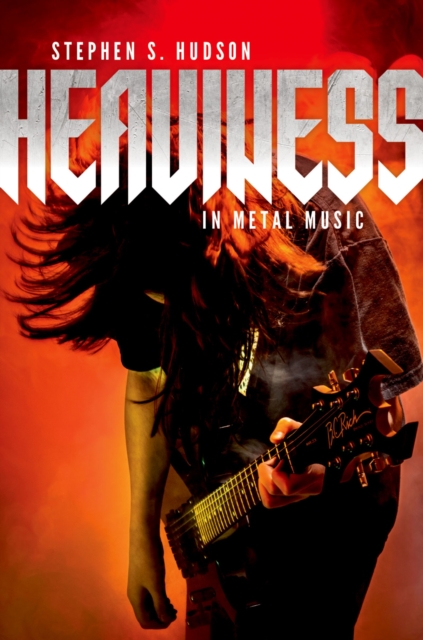
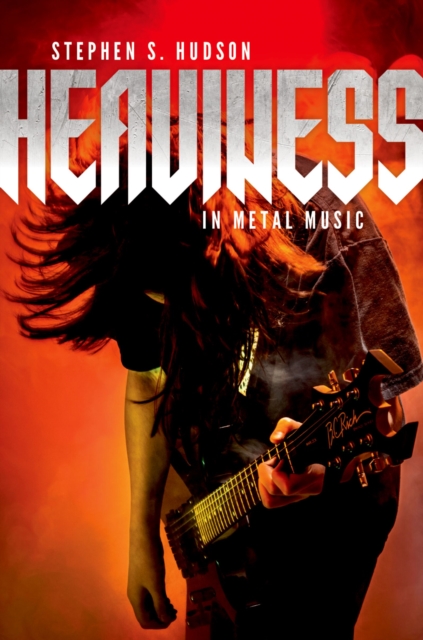
From the author of the celebrated classic Louder Than Hell comes an oral history of the badass Heavy Metal lifestyle-the debauchery, demolition, and headbanging dedication-featuring metalhead musicians from Black Sabbath and Judas Priest to Twisted Sister and Quiet Riot to Disturbed, Megadeth, Throwdown and more.
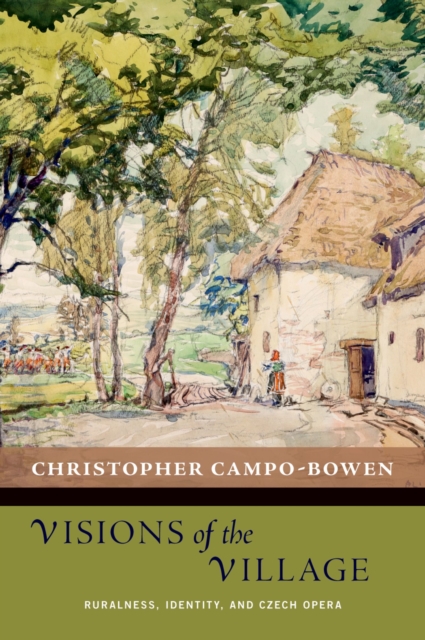
Visions of the Village offers a nuanced account of the cultural history, political salience, and social resonances of Czech village operas, especially those by composers Bed%rich Smetana, Antonin Dvo%rak, and Leos Janacek.
There is growing recognition that improvisation is a vital artistic and ontological practice that can promote developments in many areas of musicianship and beyond.
Opera de salon emerged in the early 1850s out of a much longer tradition of theatre de societe: the cultivation of performing plays in aristocratic town houses and chateaux which continued into the Second Empire of the 1850s and 1860s, and beyond.
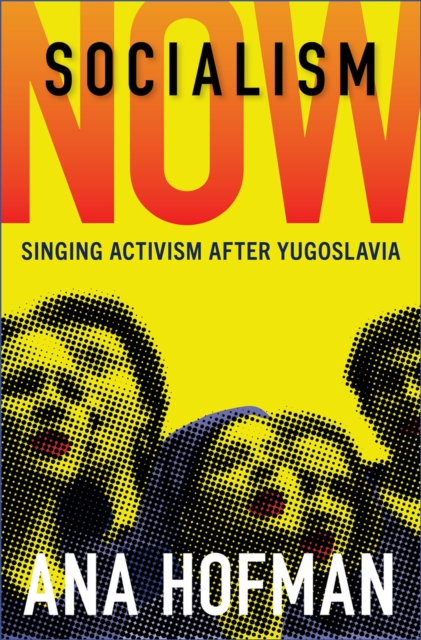
In Socialism Now: Singing Activism after Yugoslavia, Ana Hofman embarks on a captivating journey through singing, songs, and other cultural expressions to trace the recent recuperation of socialist ideas and experiences in the post-Yugoslav context.
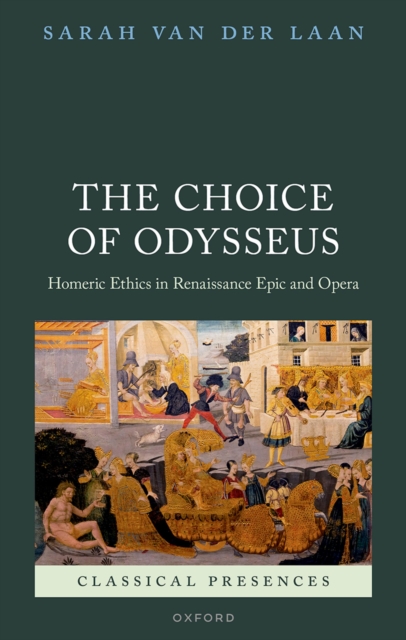
The Choice of Odysseus demonstrates how the Odyssey provided Renaissance authors and readers with a poetic ethics-tools for living developed in poetry-to navigate the challenges of their age.
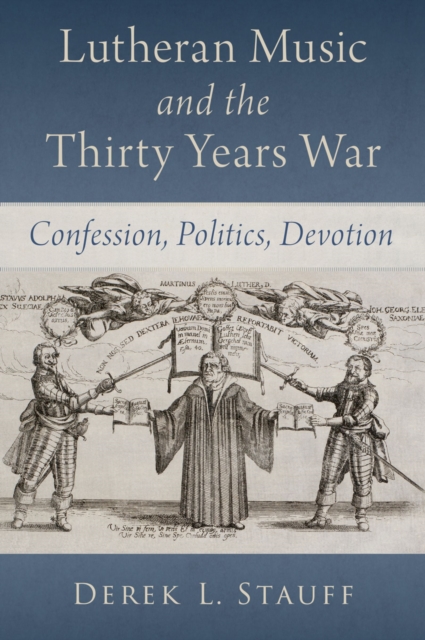
This book takes a new look at sacred music written in present-day central Germany during the Thirty Years War (1618-48), and in doing so reveals distinct connections between religious works and the historical and political contexts in which they emerged.
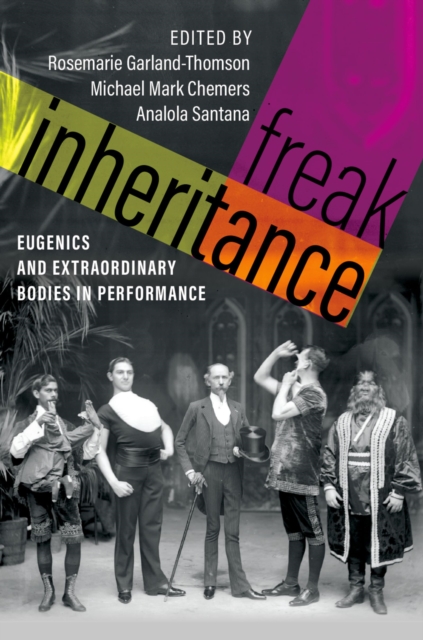
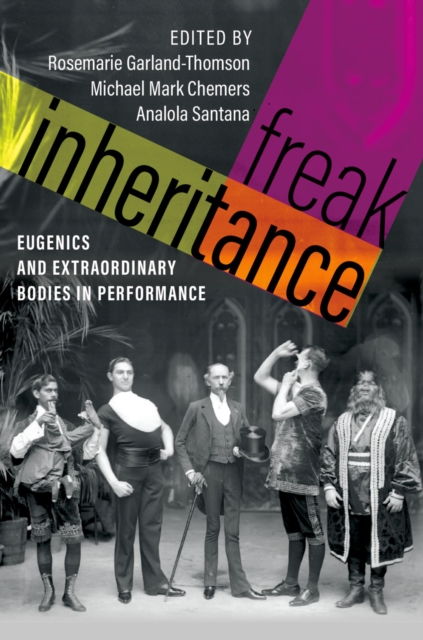
The long-awaited follow-up to Garland-Thomson's field-defining book Freakery, Freak Inheritance illuminates the convergence of the freak show era with the eugenics era, explicating the cultural work of the freak show as a compelling range of performances of cultural and social Others that emerge as eugenic targets from the late 19th century into the 20th century and beyond.
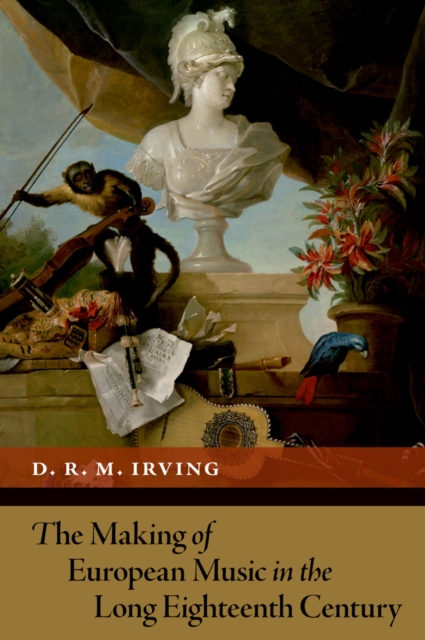
Musical representations of Europe in myth and allegory are well known, but when and under what circumstances did the words "e;European"e; and "e;music"e; become linked together?
The long-awaited follow-up to Garland-Thomson's field-defining book Freakery, Freak Inheritance illuminates the convergence of the freak show era with the eugenics era, explicating the cultural work of the freak show as a compelling range of performances of cultural and social Others that emerge as eugenic targets from the late 19th century into the 20th century and beyond.
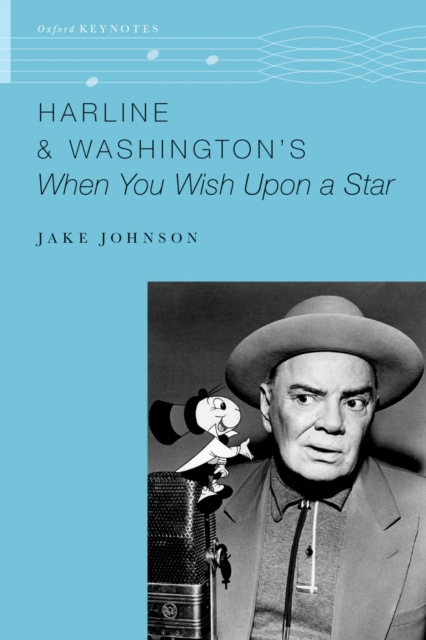
When Leigh Harline and Ned Washington penned "e;When You Wish Upon a Star"e; for Disney's 1940 film Pinocchio, the song came like a bolt out of the blue.
Catholicism as Musical Discourse reveals the important role that French-language sacred songs, written primarily for women, played in the evolution of the Catholic Reform over the long seventeenth century.
The Oxford Handbook of the Disney Musical brings together scholars from a range of disciplines to interrogate an enduringly popular and influential cultural phenomenon.
In Music at the Threshold from the Sacred to the Dangerous, author Sean Williams explores the connection of liminality to musical culture by focusing on how performance practices tend to occur at liminal places and times, and often by potentially marginalized people who are, in fact, central to the expression of cultural identity.
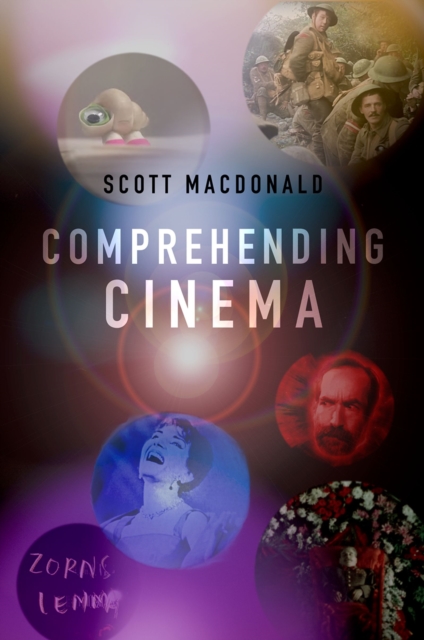
Comprehending Cinema is a collection of in-depth interviews and panoramic essays that models a generalist approach to modern audiovisual media, prioritizing remarkable cinematic accomplishments that can get lost within our overwhelming modern mediascape.
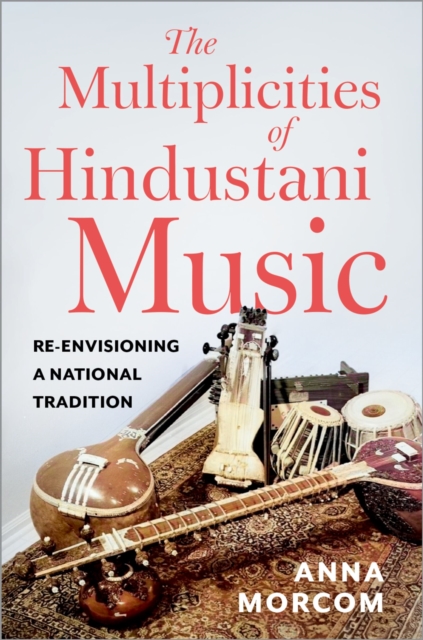
The Multiplicities of Hindustani Music explores the dynamic social and economic world of North Indian raga-based music over the twentieth century and into the present day.
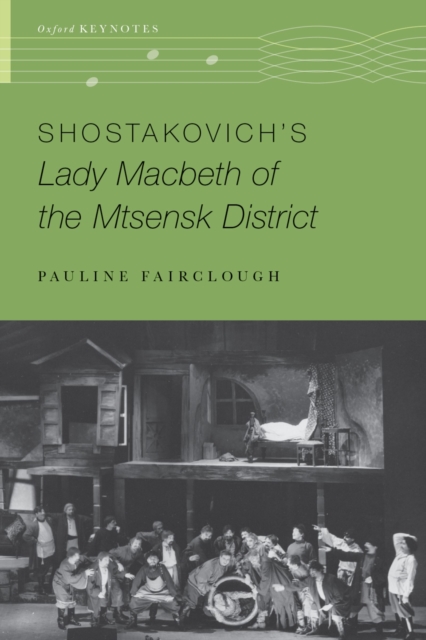
Shostakovich's lurid opera of sex, violence, and murder, Lady Macbeth of Mtsensk, is famous for being banned by personal decree of Joseph Stalin in 1936.