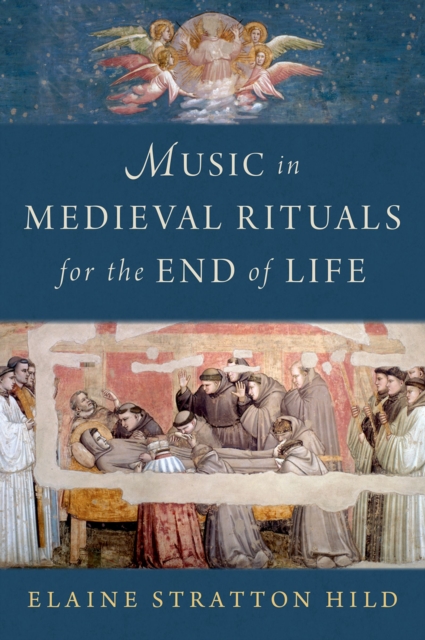
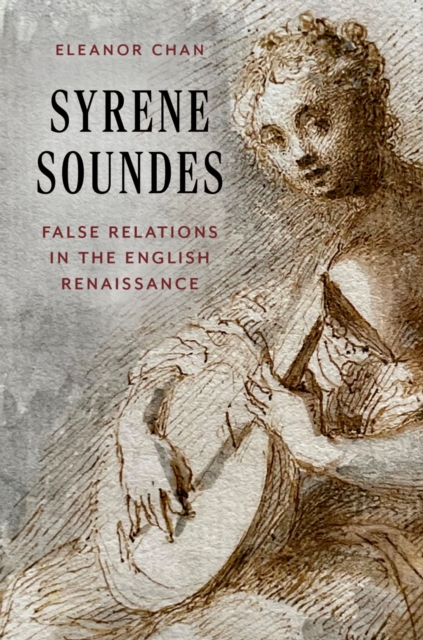
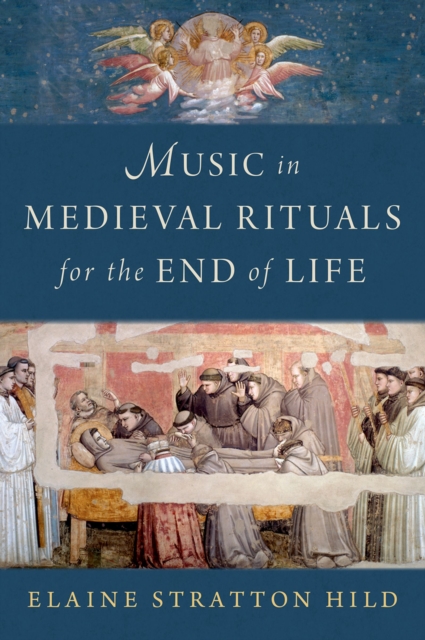
In the written record of music in the West, there are many examples of long melodies sung to a single vowel with no other text; but in almost all cases that vowel is part of a syllable in a word, which in turn is part of a longer text; that text is interrupted--or prolonged--by the extension of its vowel to a greater or lesser extent by that string of notes.
Scholars of Richard Wagners works have long noted his numerous comparisons between their characters and plots in his letters, essays, and recorded remarks.
Shostakovich's lurid opera of sex, violence, and murder, Lady Macbeth of Mtsensk, is famous for being banned by personal decree of Joseph Stalin in 1936.
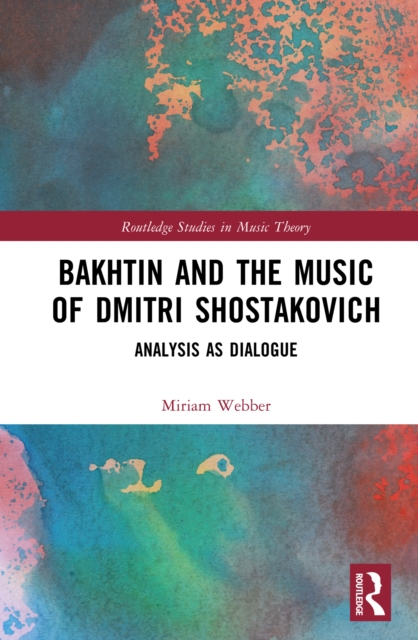
The present study examines various ways in which Bakhtin's literary thought might be applied to Shostakovich's music, addressing a range of established music-theoretical methodologies located within the broader context of Bakhtinian narrative theory.
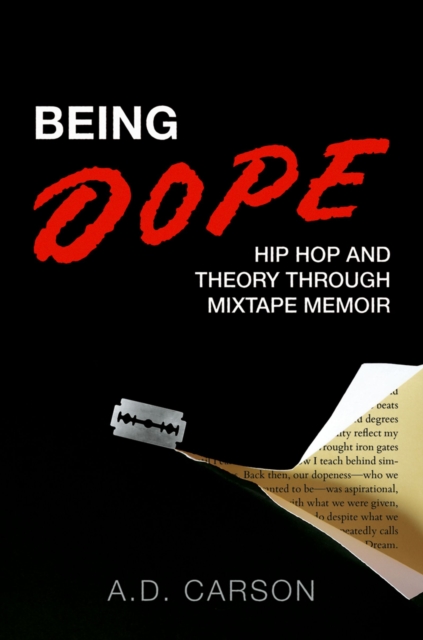
Nigerian, or Naija, hip-hop has existed for close to 45 years, and throughout its rich history has been influenced by not only imperialist media flows but also enduring discourses of African anti-colonialism and pan-Africanism and the long cultural traffic between Africa and the African diaspora.
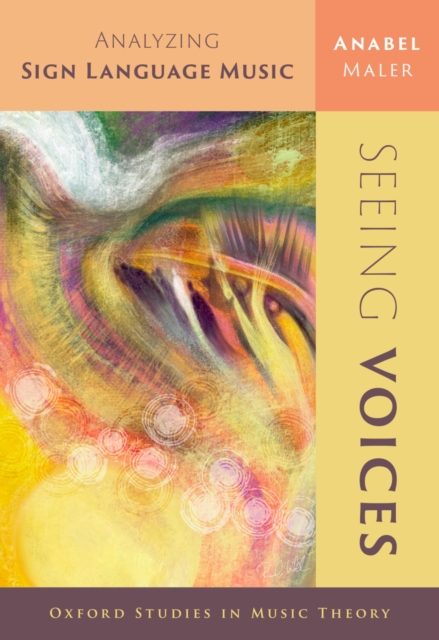
We often think of music in terms of sounds intentionally organized into patterns, but music performed in signed languages poses considerable challenges to this sound-based definition.
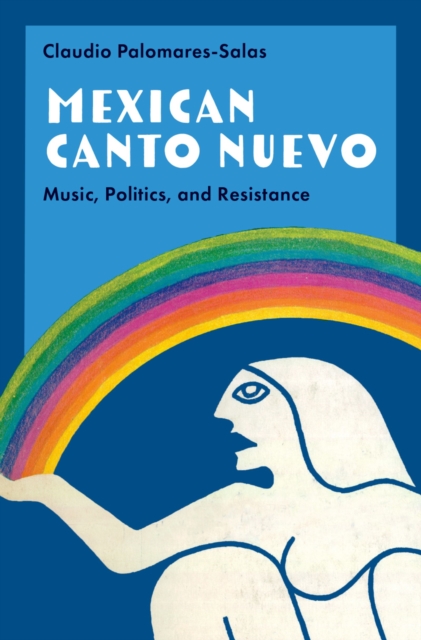
Mexican Canto Nuevo: Music, Politics, and Resistance explores the vibrant history of Canto Nuevo, a musical and cultural movement that influenced Mexican music, politics, and culture from the 1960s to the late 1980s.
The Business of Bobbysoxers reconsiders the story of American popular music, celebrity following, and fan behavior during World War II through close examination of "e;bobbysoxers.
When Leigh Harline and Ned Washington penned "e;When You Wish Upon a Star"e; for Disney's 1940 film Pinocchio, the song came like a bolt out of the blue.
Much English music from the 1890s through the 1950s stands out for its intensive diatonicism: a studied avoidance of chromaticism and an elaboration of the expressive possibilities of purely diatonic writing.
This volume of letters by Charles Burney, the first to be published since 1991, runs from 1794 to 10 January 1800, beginning with his recovery from a debilitating attack of rheumatism, continuing with the death of his wife in 1796, and ending with the shocking death of his daughter Susanna.
At the turn of the twentieth century, sound recording corporations from the United States and Europe pursued repertoires and consumers from all over the world.
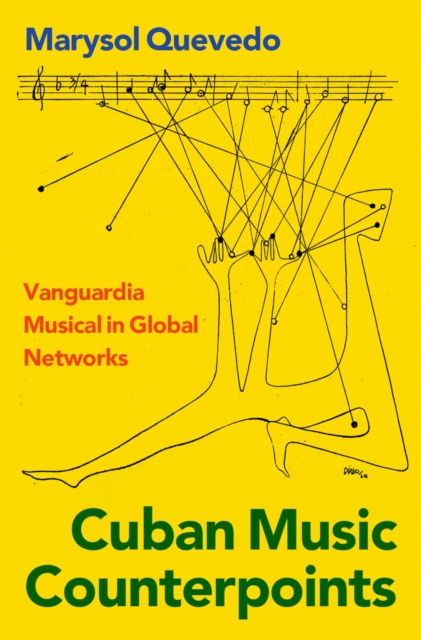
Cuban Music Counterpoints maps the intellectual and artistic networks Cuban composers forged between 1940 and 1991 by exploring moments--concerts, festivals, recordings--that shed light on how they negotiated aesthetic and political agendas at local and international levels.
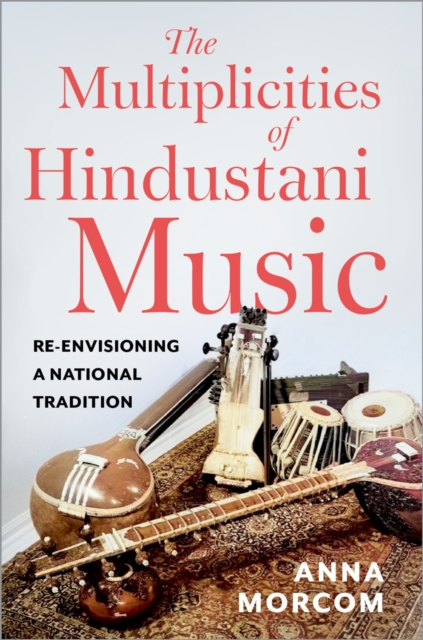
The Multiplicities of Hindustani Music explores the dynamic social and economic world of North Indian raga-based music over the twentieth century and into the present day.
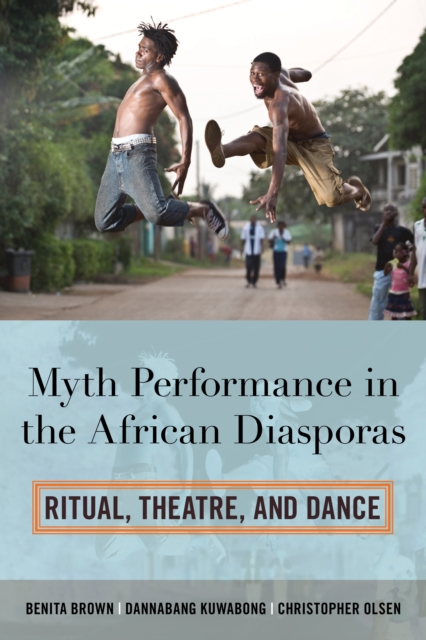
Diaspora studies continue to expand in range and scope and remain fertile terrain for investigating multiple techniques of myth creation in dance performance, history as performance, dramatic narrative, and staged rituals in the field.
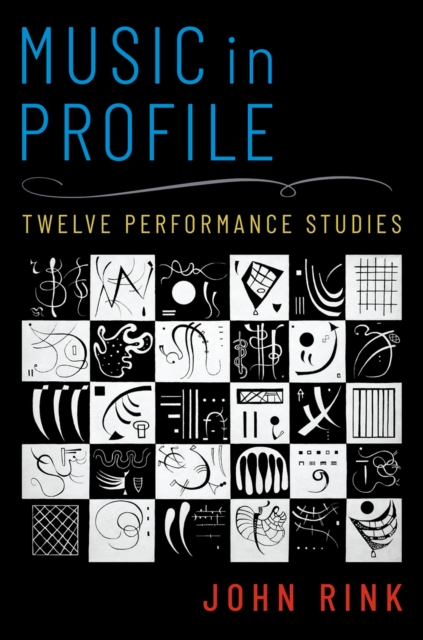
Underpinned by author John Rink's internationally acclaimed scholarship and experience as a musician, this book addresses fascinating topics in the field of musical performance studies concerning the history, analysis and psychology of music, as well as artistic research.
Coros y Danzas explores how women of the early Franco regime adapted musical folklore and Spanish nationalism according to different political circumstances.
Coros y Danzas explores how women of the early Franco regime adapted musical folklore and Spanish nationalism according to different political circumstances.
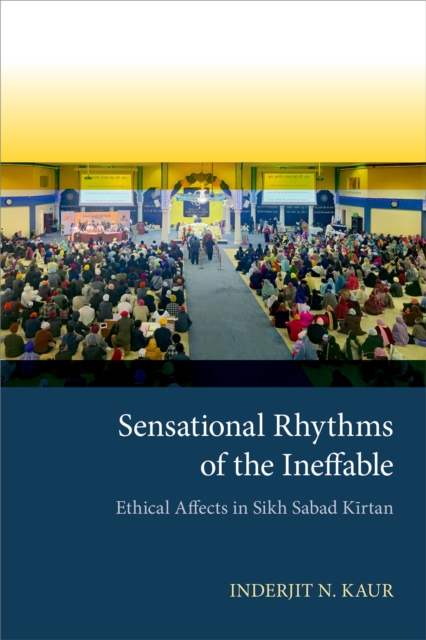
At the intersection of music, philosophy, and religion, Sensational Rhythms of the Ineffable explores intimate collaborations between rhythm and body, showing how they engender deep devotional experiences and ethical sensations.