John Deathridge presents a different and critical view of Richard Wagner based on recent research that does not shy away from some unpalatable truths about this most controversial of composers in the canon of Western music.
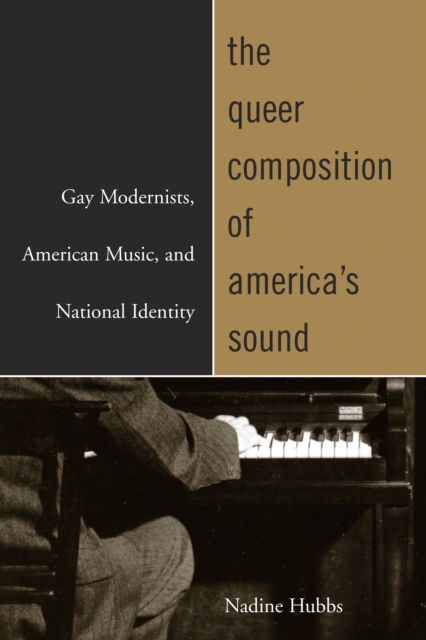
In this vibrant and pioneering book, Nadine Hubbs shows how a gifted group of Manhattan-based gay composers were pivotal in creating a distinctive "e;American sound"e; and in the process served as architects of modern American identity.
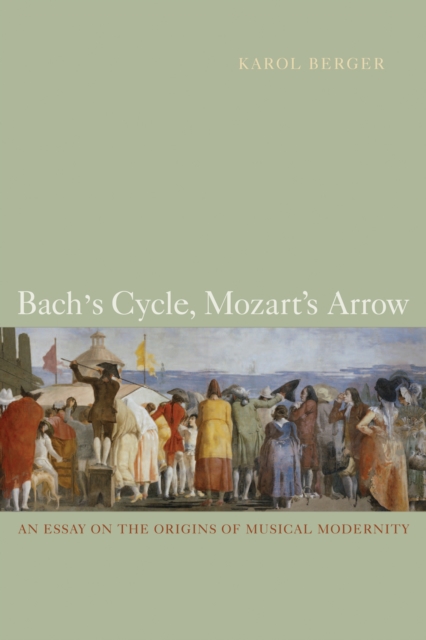
In this erudite and elegantly composed argument, Karol Berger uses the works of Monteverdi, Bach, Mozart, and Beethoven to support two groundbreaking claims: first, that it was only in the later eighteenth century that music began to take the flow of time from the past to the future seriously; second, that this change in the structure of musical time was an aspect of a larger transformation in the way educated Europeans began to imagine and think about time with the onset of modernity, a part of a shift from the premodern Christian outlook to the modern post-Christian worldview.
Jewish Identities mounts a formidable challenge to prevailing essentialist assumptions about "e;Jewish music,"e; which maintain that ethnic groups, nations, or religious communities possess an essence that must manifest itself in art created by members of that group.
This authoritative volume of 453 letters written by and to composer Charles Ives (1874-1954) provides unparalleled insight into one of the most extraordinary and paradoxical careers in American music history.
In this elegant study of the works of the undeservedly neglected composer Luigi Boccherini, Elisabeth Le Guin uses knowledge gleaned from her own playing of the cello as the keystone of her original approach to the relationship between music and embodiment.
In this provocative analysis of Beethoven's late style, Stephen Rumph demonstrates how deeply political events shaped the composer's music, from his early enthusiasm for the French Revolution to his later entrenchment during the Napoleonic era.
In this engrossing collection of essays, distinguished composer, theorist, journalist, and educator Arthur Berger invites us into the vibrant and ever-changing American music scene that has been his home for most of the twentieth century.
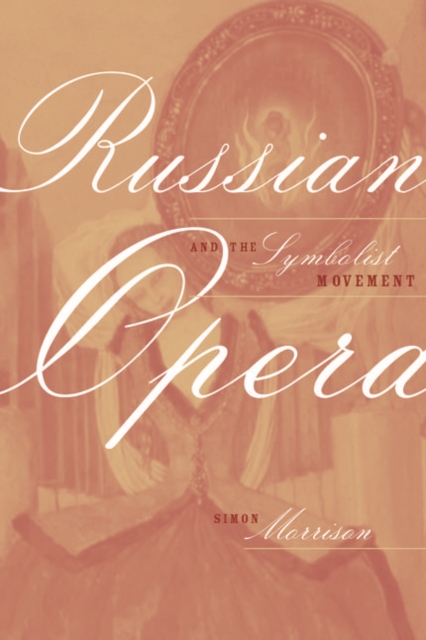
An aesthetic, historical, and theoretical study of four scores, Russian Opera and the Symbolist Movement is a groundbreaking and imaginative treatment of the important yet neglected topic of Russian opera in the Silver Age.
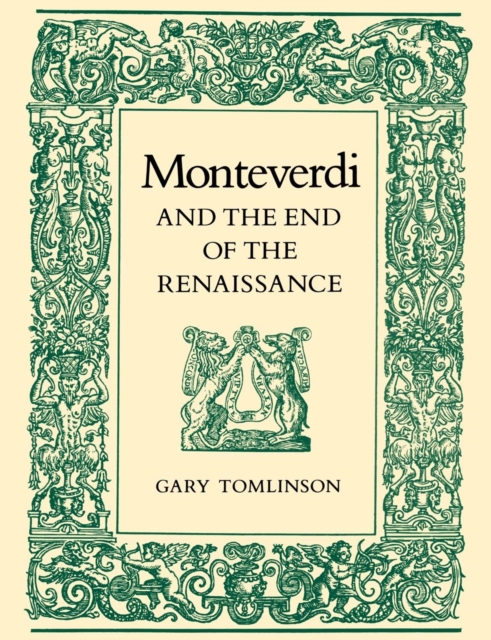
Combining a close study of Monteverdi's secular works with recent research on late Renaissance history, Gary Tomlinson places the composer's creative career in its broad cultural context and illuminates the state of Italian music, poetry, and ideology in the sixteenth and seventeenth centuries.
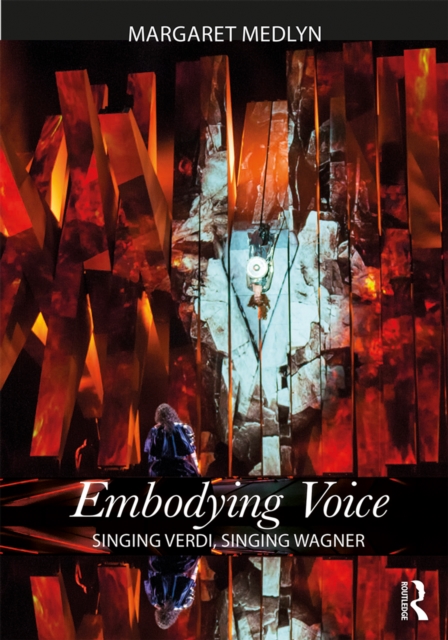
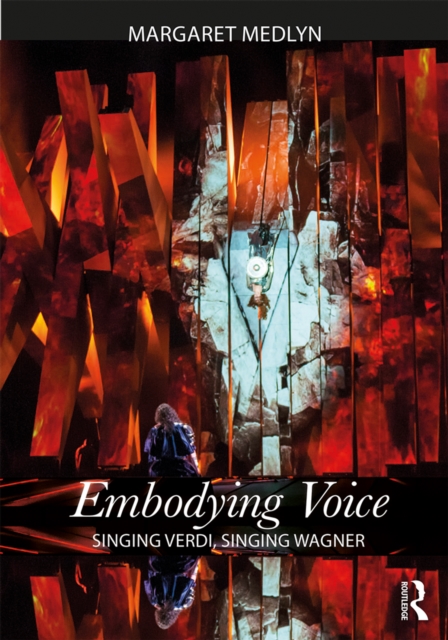
Embodying Voice: Singing Verdi, Singing Wagner articulates the process of developing an operatic voice, explaining how and why the training of such a voice is as complex and sophisticated as it is mysterious.
Embodying Voice: Singing Verdi, Singing Wagner articulates the process of developing an operatic voice, explaining how and why the training of such a voice is as complex and sophisticated as it is mysterious.
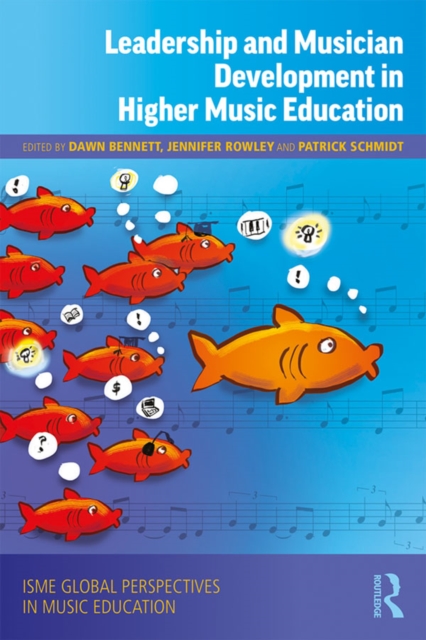
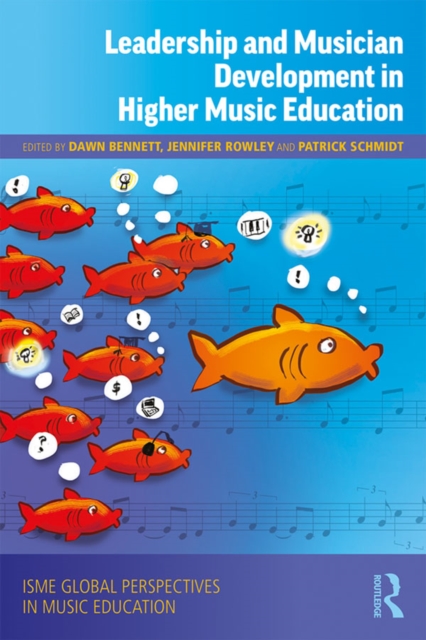
Leadership and Musician Development in Higher Music Education informs, challenges and evaluates the central practices, policies and theories that underpin the preparation of future music leaders and the leadership of music in higher education.
Leadership and Musician Development in Higher Music Education informs, challenges and evaluates the central practices, policies and theories that underpin the preparation of future music leaders and the leadership of music in higher education.
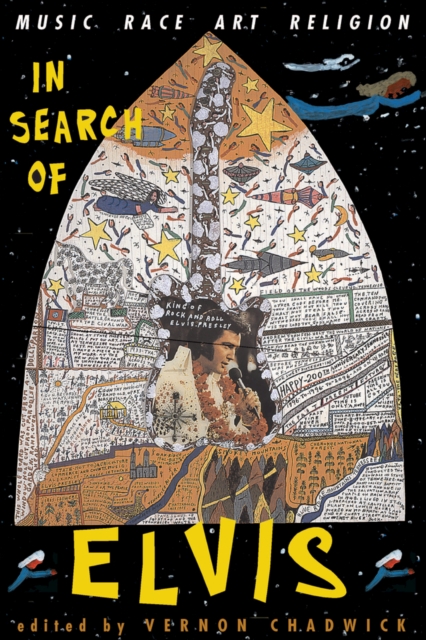
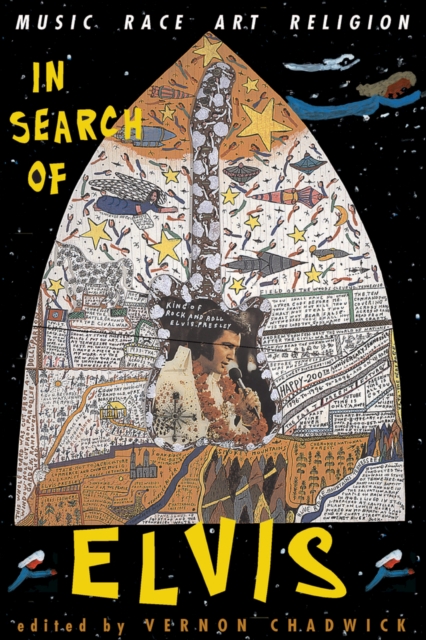
The International Conference on Elvis Presley, convened at the University of Mississippi in August, transformed a rock and roll icon into a scholarly phenomenon.
The International Conference on Elvis Presley, convened at the University of Mississippi in August, transformed a rock and roll icon into a scholarly phenomenon.
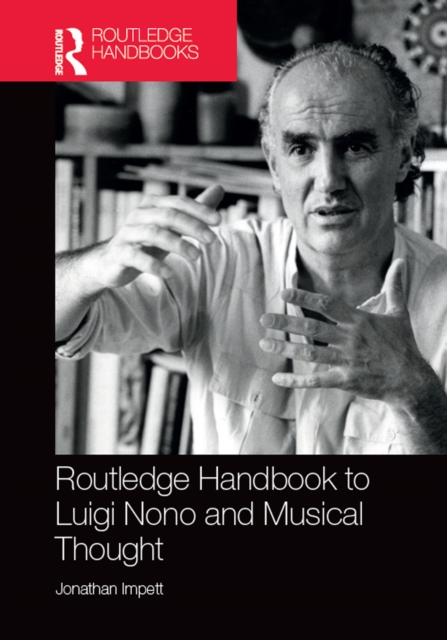
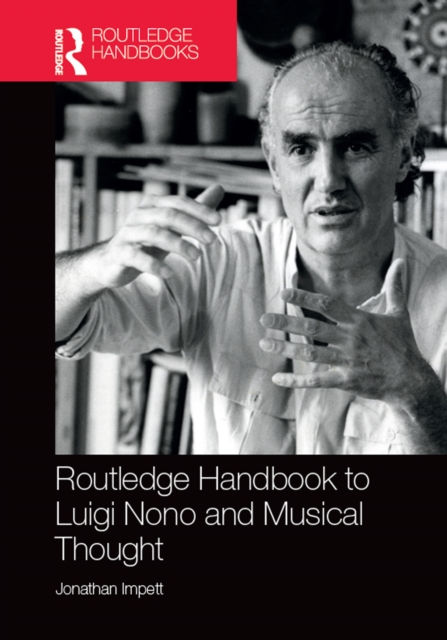
Of the post-war, post-serialist generation of European composers, it was Luigi Nono who succeeded not only in identifying and addressing aesthetic and technical questions of his time, but in showing a way ahead to a new condition of music in the twenty-first century.
Of the post-war, post-serialist generation of European composers, it was Luigi Nono who succeeded not only in identifying and addressing aesthetic and technical questions of his time, but in showing a way ahead to a new condition of music in the twenty-first century.
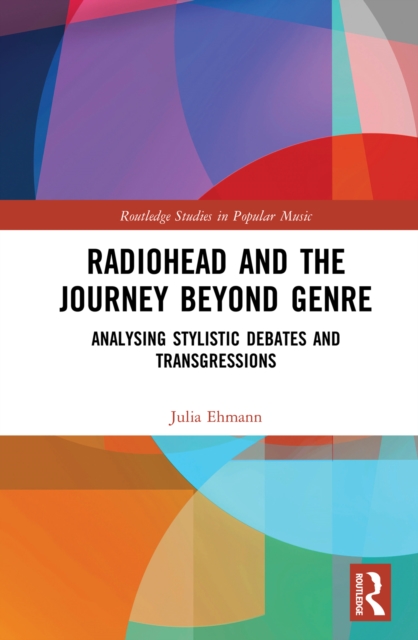
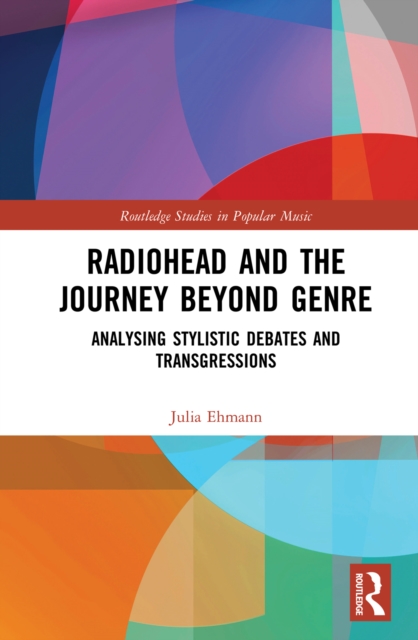
Radiohead and the Journey Beyond Genre traces the uses and transgressions of genre in the music of Radiohead and studies the band's varied reception in online and offline media.
Radiohead and the Journey Beyond Genre traces the uses and transgressions of genre in the music of Radiohead and studies the band's varied reception in online and offline media.
First published in 1999, the main part of this reference consists of an alphabetical listing of many hundreds of artists, with details on band personnel, instrumentation, location, titles performed, sources, and other relevant notes included in each listing.
First published in 1999, the main part of this reference consists of an alphabetical listing of many hundreds of artists, with details on band personnel, instrumentation, location, titles performed, sources, and other relevant notes included in each listing.
The Czech composer Pavel Haas (1899-1944) is commonly positioned in the history of twentieth-century music as a representative of Leos Janacek's compositional school and as one of the Jewish composers imprisoned by the Nazis in the concentration camp of Terezin (Theresienstadt).
The Czech composer Pavel Haas (1899-1944) is commonly positioned in the history of twentieth-century music as a representative of Leos Janacek's compositional school and as one of the Jewish composers imprisoned by the Nazis in the concentration camp of Terezin (Theresienstadt).
First published in 1999, this biography from David Tunley draws on newly researched documentary evidence to chart Campoli's early success and his later struggle for recognition as a serious artist.
First published in 1999, this biography from David Tunley draws on newly researched documentary evidence to chart Campoli's early success and his later struggle for recognition as a serious artist.
This book assesses the influence and reception of many different forms of guitar playing upon the classical guitar and more specifically through the prism of John Williams.