The 2022 midterms marked a transformative moment in American politics, as the combined influence of legacy media and social platforms reached new heights.
A first of its kind collection, How to Rap is an insightful and intelligent breakdown of the elements of rap for anyone wanting to learn the art form or understand the principles behind it.
*** Accompanies BBC2's major new TV series and The Story of Music in 50 Pieces on Radio 3 *** In his dynamic tour through 40,000 years of music, from prehistoric instruments to modern-day pop, Howard Goodall leads us through the story of music as it happened, idea by idea, so that each musical innovation harmony, notation, sung theatre, the orchestra, dance music, recording, broadcasting strikes us with its original force.
Contents Include: Accent, Time and Rhythm Phrases and Sentences The Half-Phrase, or Section Rythmic Extension and Contraction The Construction of Complete Movements-The Simple Binary, or Two-Part Form The Simple Ternary, or Three-Part Form The Binary and Ternary Forms(Continued) The Evolution of the Ternary Idea: The Minuet and Trio-The Episodical Form The Evolution of the Trenary Idea(Continued)The Older, Or Simple, Rondo The Evolution of the Trenary Idea(Continued) Sonata-Form-The Exposition-First Subject and Transition Sonita-The Development, or Free Fantasia Form(Continued): Sonita-Form(Continued) The Recapitulation and Coda-The Introduction Departures from the Normal Type of Sonata-Form:(i)modified Sonata-Form (ii) The Modern or Sonata-Rondo The Variation Form The Sonata as a Whole Fugue Canon (i) The Symphony:(ii) The Overture :(iii) Concerted Chamber-Music The Cocerto (i) Dance Forms The Evolution of Sonata-Form Modern Tendencies Programme-Music, The Symphonic Poem, etc Glossary General Index Keywords: Sonata Form Evolution Ternary Minuet And Trio Rondo Recapitulation Chamber Music Dance Forms I Dance Coda Fugue Contraction Departures Fantasia Tendencies Exposition Sentences Accent Rhythm Phrases
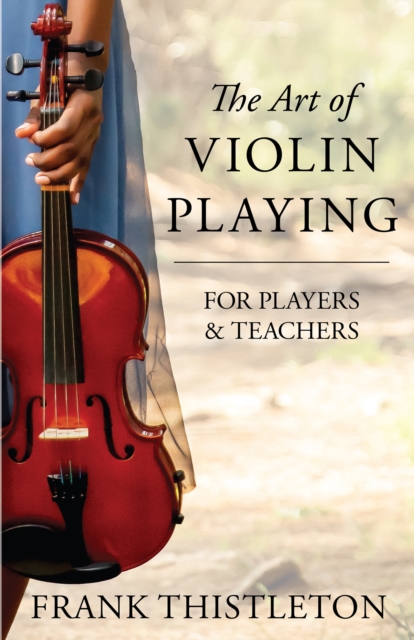
Originally published in 1930, this little book is not an exposition of the art of violin-playing, nor does it claim to teach a system of technical study.
This vintage book contains a comprehensive treatise on the subject of music form, and includes information on sentencing and phrasing, modulation, rhythm, and much more.
Originally published in 1921, this book was written in an attempt to, 'give the serious teacher and student the practical benefit of the knowledge acquired during a lifetime's playing the violin, including mechanical means and technical procedure as well as the ideas and ideals of art'.
What resonated about Endtroducing when it was released in 1996, and what makes it still resonate today, is the way in which it loosens itself from the mooring of the known and sails off into an uncharted territory that seems to exist both in and out of time.
A remarkably fresh piece of Dylan scholarship, focusing on the profound impact that his Midwestern roots have had on his songs, politics, and prophetic character.
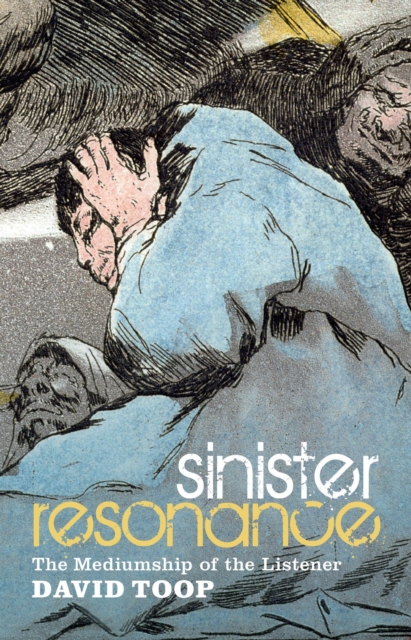
Sinister Resonance begins with the premise that sound is a haunting, a ghost, a presence whose location is ambiguous and whose existence is transitory.
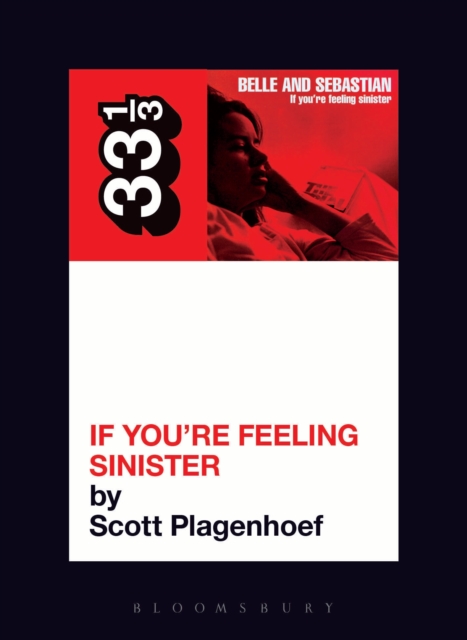
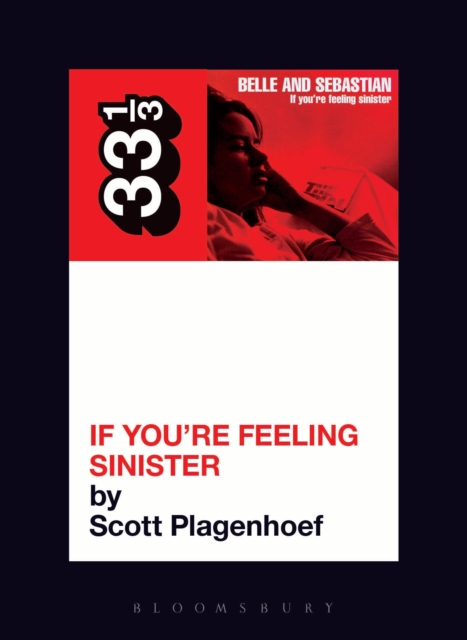
If You're Feeling Sinister shows how Belle & Sebastian transformed themselves over the space of a decade, from a slightly shambolic cult secret into a polished, highly entertaining, mainstream pop group.
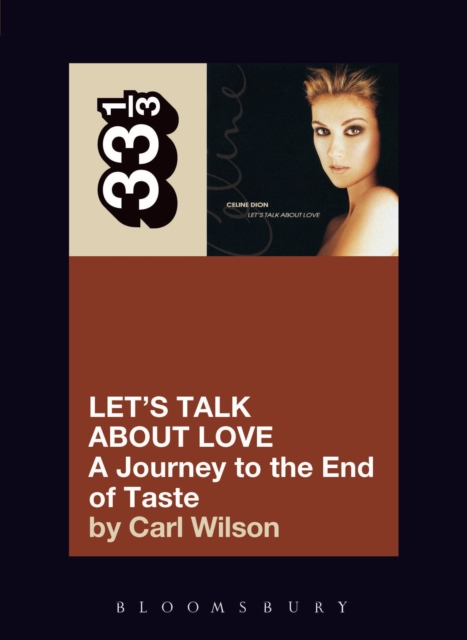
Non-fans regard Celine Dion as ersatz and plastic, yet to those who love her, no one could be more real, with her impoverished childhood, her (creepy) manager-husband's struggle with cancer, her knack for howling out raw emotion.
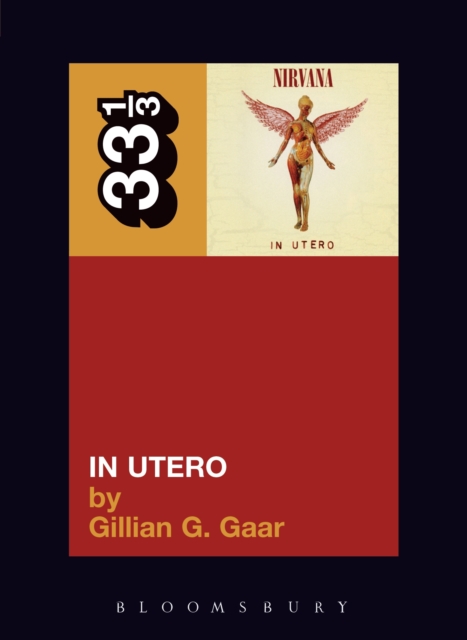
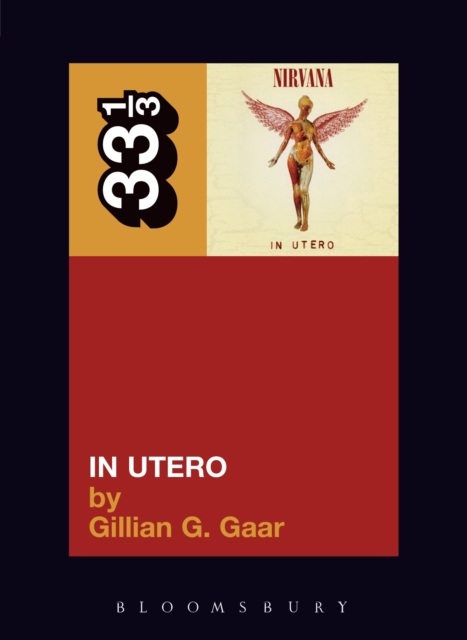
Though Nevermind was Nirvana's most commercially successful album, and the record that broke them - and the grunge phenomenon - internationally, In Utero has increasingly become regarded as the band's best album, both by the critics and the band members themselves.
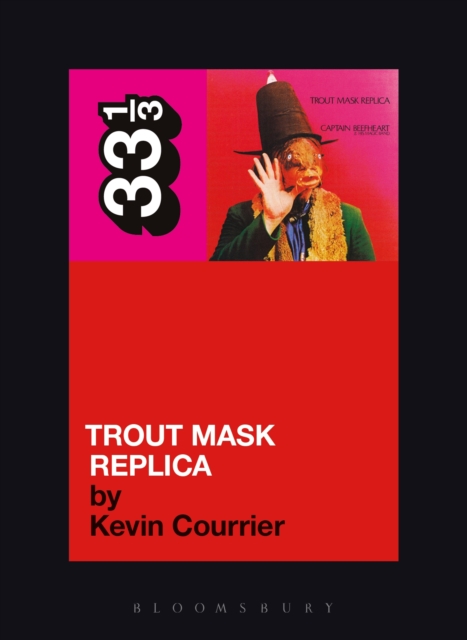
In the spring of 1969, the inauspicious release of Captain Beefheart and the Magic Band's Trout Mask Replica, a double-album featuring 28 stream-of-consciousness songs filled with abstract rhythms and guttural bellows, dramatically altered the pop landscape.
Though Nevermind was Nirvana's most commercially successful album, and the record that broke them - and the grunge phenomenon - internationally, In Utero has increasingly become regarded as the band's best album, both by the critics and the band members themselves.
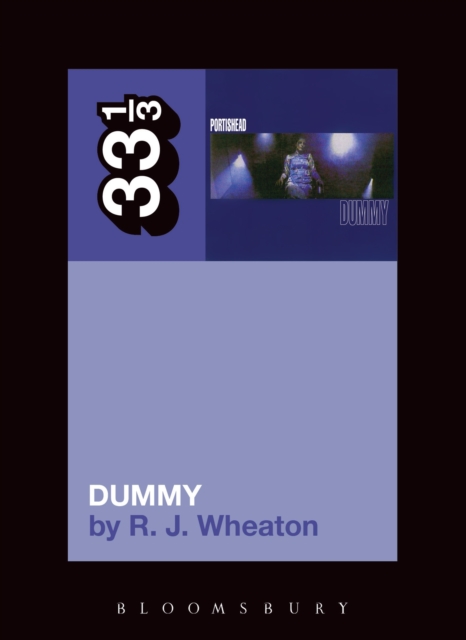
An album which distilled a genre from the musical, cultural, and social ether, Portishead's Dummy was such a complete artistic achievement that its ubiquitous successes threatened to exhaust its own potential.
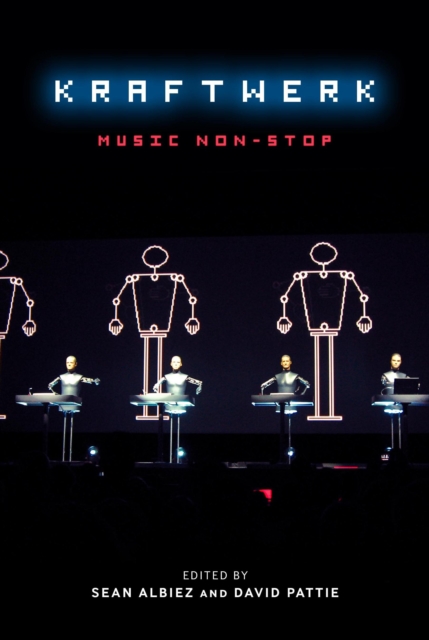
When they were creating and releasing their most influential albums in the mid to late 1970s, Kraftwerk were far from the musical mainstream - and yet it is impossible now to imagine the history of popular music without them.
Of all the seminal albums to come out in 1991-the year of Nevermind, Loveless, Ten, and Out of Time, among others-none were quieter, both in volume and influence, than Spiderland, and no band more mysterious than Slint.
Of all the recordings to emerge from the Athens-via-Denver collective called Elephant 6, Neutral Milk Hotel's second album is the one that has worked its way under the most skins.
If You're Feeling Sinister shows how Belle & Sebastian transformed themselves over the space of a decade, from a slightly shambolic cult secret into a polished, highly entertaining, mainstream pop group.
Of all the seminal albums to come out in 1991-the year of Nevermind, Loveless, Ten, and Out of Time, among others-none were quieter, both in volume and influence, than Spiderland, and no band more mysterious than Slint.
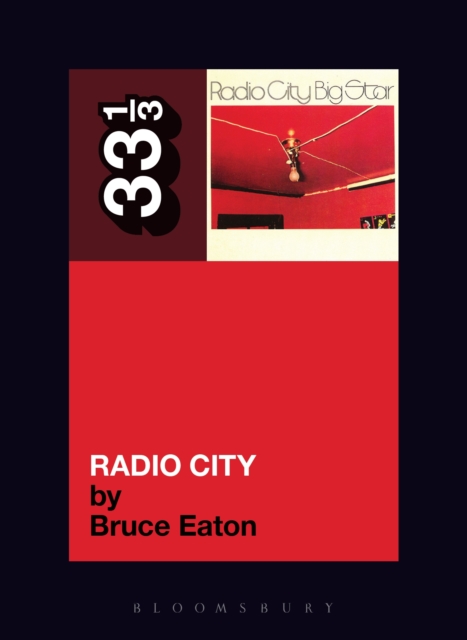
Released when ELP and Elton John were plodding from one packed stadium to the next, Radio City was a radical album influenced by records that were already deemed oldies and yet sounding like a lean electrical jolt from the future.
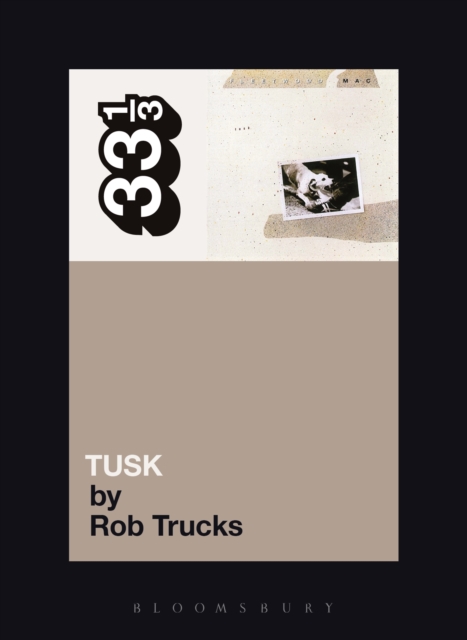
After Rumours became the best-selling single album of all-time, Fleetwood Mac asked Warner Brothers Records to buy them a studio (the label refused, costing both Warner Brothers and the band significant cash in the long run) and then handed the reins to their guitarist and resident perfectionist Lindsey Buckingham.
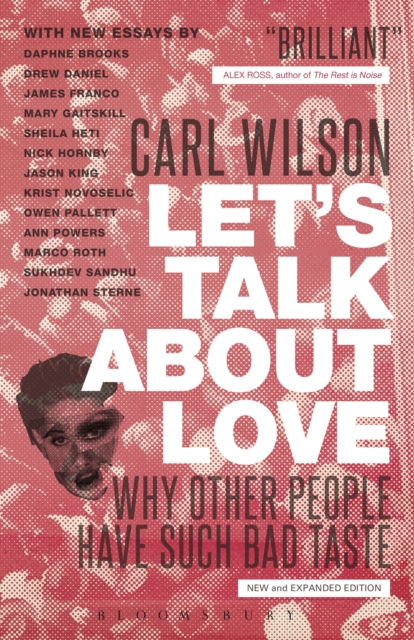
For his 2007 critically acclaimed 33 1/3 series title, Let's Talk About Love, Carl Wilson went on a quest to find his inner Celine Dion fan and explore how we define ourselves by what we call good and bad, what we love and what we hate.
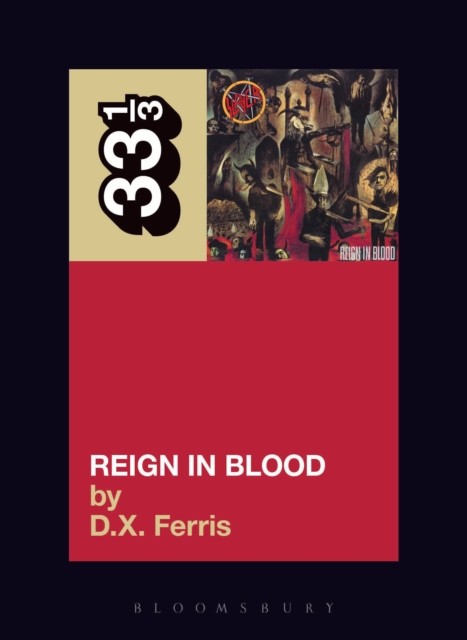
Issued on America's premier rap label at the peak of the thrash metal movement, Slayer's controversial Reign in Blood remains the gold standard for extreme heavy metal, a seamless 29-minute procession of ten blindingly fast, apocalyptic songs.
An ear-opening reassessment of sonic art from World War II to the present Marcel Duchamp famously championed a "e;non-retinal"e; visual art, rejecting judgments of taste and beauty.