First published in 1972, Ian Whitcomb's After the Ball is an exuberant account of the origins and explosion of popular music, informed by the author's store of experience in the field as a pop sensation of The Sixties.
Arguably the most important popular British composer of the 20th century, John Barry (1933-2011) enjoyed a career that spanned over fifty years, in which time he won five Academy Awards for pictures includingBorn Free, Out of Africa and Dances with Wolves.
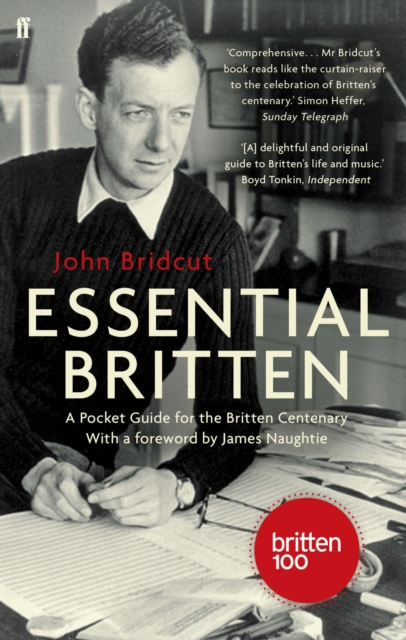
John Bridcut, author of the acclaimed 'Britten's Children', has included significant fresh material which will make the book indispensable for Britten aficionados as well as for those who are discovering the composer's music for the first time.
Others came before and after him but no person is more strongly associated with the revival of English folk song and dance at the turn of the twentieth-century than Cecil Sharp (1859-1924).
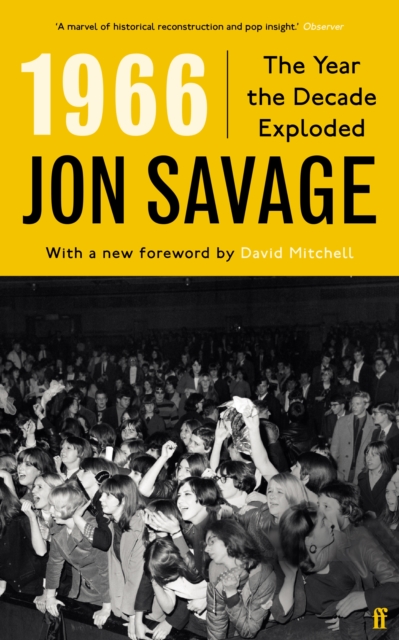
WINNER OF THE PENDERYN MUSIC PRIZEA GUARDIAN MUSIC BOOK OF THE YEAR, 2015Award-winning, Sunday Times bestselling author Jon Savage's monument to the year that shaped the future of global pop cultural history.
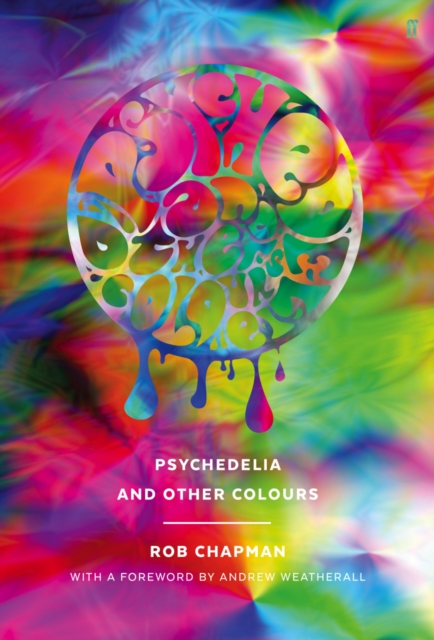
In Psychedelia and Other Colours, acclaimed author Rob Chapman explores in crystalline detail the history, precedents and cultural impact of LSD, from the earliest experiments in painting with light and immersive environments to the thriving avant-garde scene that existed in San Francisco even before the Grateful Dead and the Fillmore Auditorium.
Best remembered for his operas and his War Requiem, Benjamin Britten's radical politics and his sexuality have also ensured that he remains a controversial public figure.
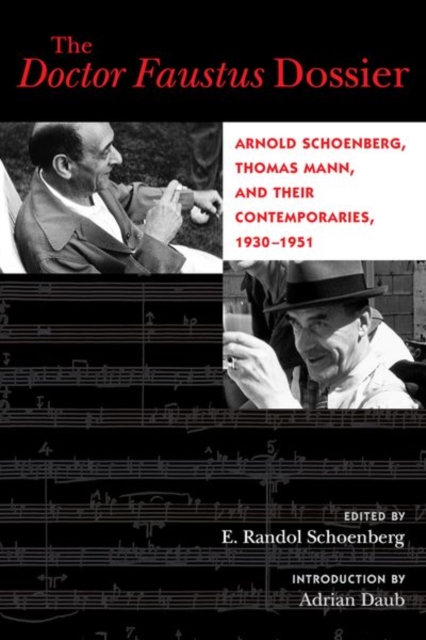
Arnold Schoenberg and Thomas Mann, two towering figures of twentieth-century music and literature, both found refuge in the German-exile community in Los Angeles during the Nazi era.
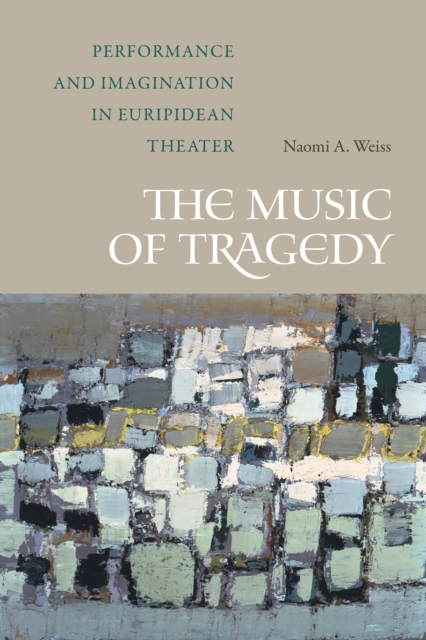
The Music of Tragedy offers a new approach to the study of classical Greek theater by examining the use of musical language, imagery, and performance in the late work of Euripides.
Listening for the Secret is a critical assessment of the Grateful Dead and the distinct culture that grew out of the group's music, politics, and performance.
In this original study, Christopher Alan Reynolds examines the influence of Beethoven's Ninth Symphony on two major nineteenth-century composers, Richard Wagner and Robert Schumann.
K-Pop: Popular Music, Cultural Amnesia, and Economic Innovation in South Korea seeks at once to describe and explain the emergence of export-oriented South Korean popular music and to make sense of larger South Korean economic and cultural transformations.
In her provocative new book Rednecks, Queers, and Country Music, Nadine Hubbs looks at how class and gender identity play out in one of America's most culturally and politically charged forms of popular music.
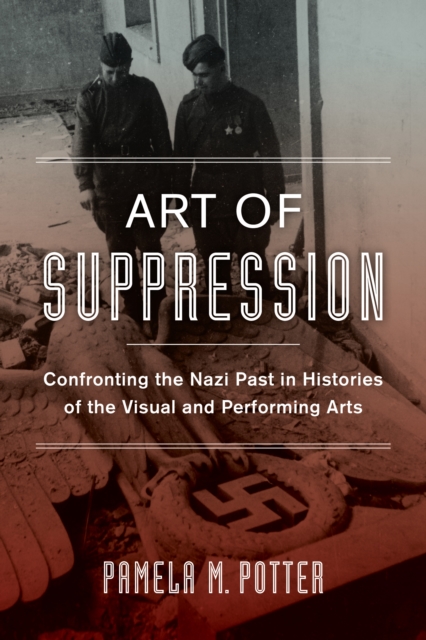
This provocative study asks why we have held on to vivid images of the Nazis' total control of the visual and performing arts, even though research has shown that many artists and their works thrived under Hitler.
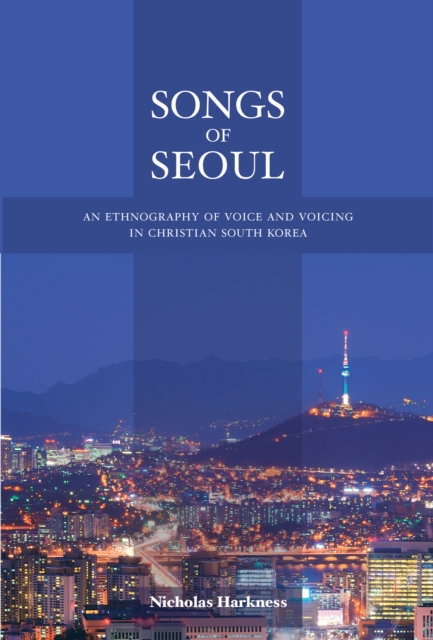
Songs of Seoul is an ethnographic study of voice in South Korea, where the performance of Western opera, art songs, and choral music is an overwhelmingly Evangelical Christian enterprise.
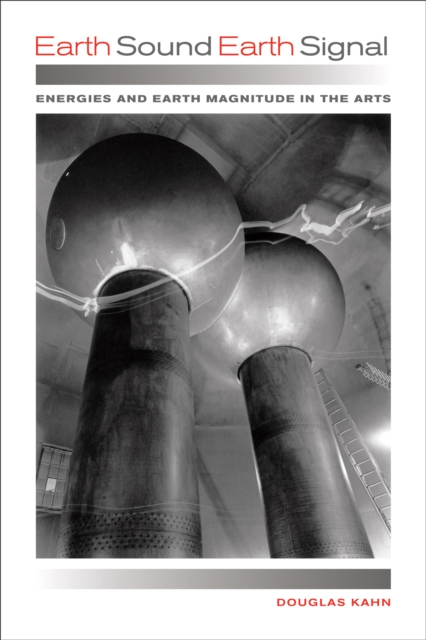
Earth Sound Earth Signal is a study of energies in aesthetics and the arts, from the birth of modern communications in the nineteenth century to the global transmissions of the present day.
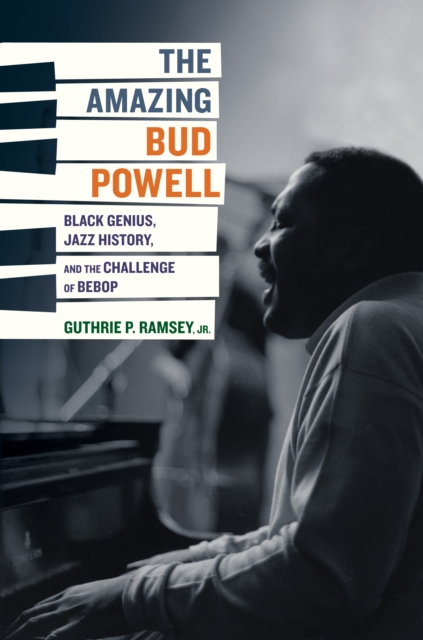
Bud Powell was not only one of the greatest bebop pianists of all time, he stands as one of the twentieth century's most dynamic and fiercely adventurous musical minds.
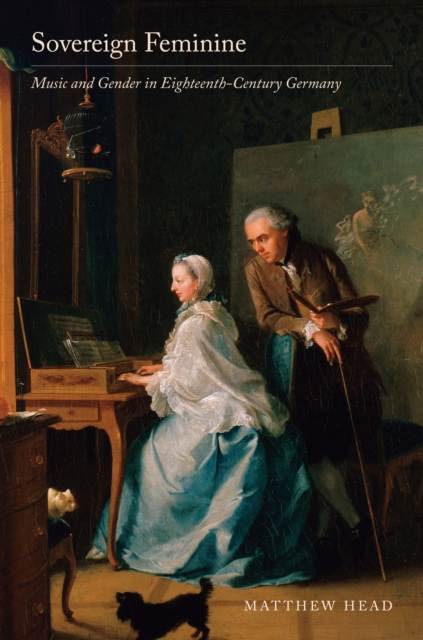
In the German states in the late eighteenth century, women flourished as musical performers and composers, their achievements measuring the progress of culture and society from barbarism to civilization.
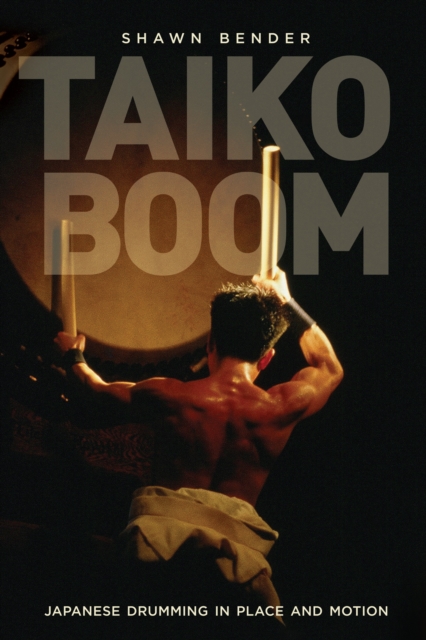
With its thunderous sounds and dazzling choreography, Japanese taiko drumming has captivated audiences in Japan and across the world, making it one of the most successful performing arts to emerge from Japan in the past century.
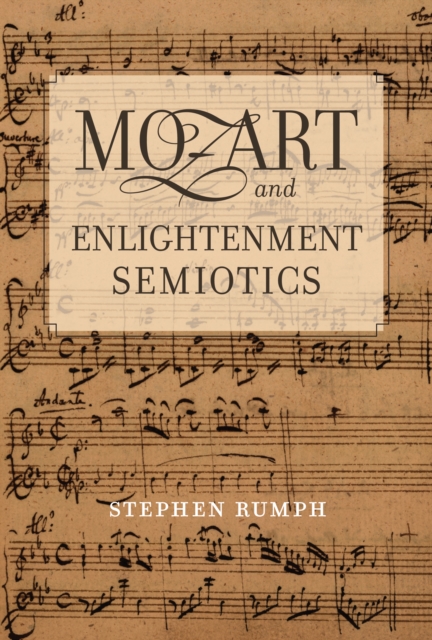
In this groundbreaking, historically-informed semiotic study of late eighteenth-century music, Stephen Rumph focuses on Mozart to explore musical meaning within the context of Enlightenment sign and language theory.
The early seventeenth century, when the first operas were written and technical advances with far-reaching consequences-such as tonal music-began to develop, is also notable for another shift: the displacement of aristocratic music-makers by a new professional class of performers.
This lively history immerses the reader in San Francisco's musical life during the first half of the twentieth century, showing how a fractious community overcame virulent partisanship to establish cultural monuments such as the San Francisco Symphony (1911) and Opera (1923).
Celluloid Symphonies is a unique sourcebook of writings on music for film, bringing together fifty-three critical documents, many previously inaccessible.
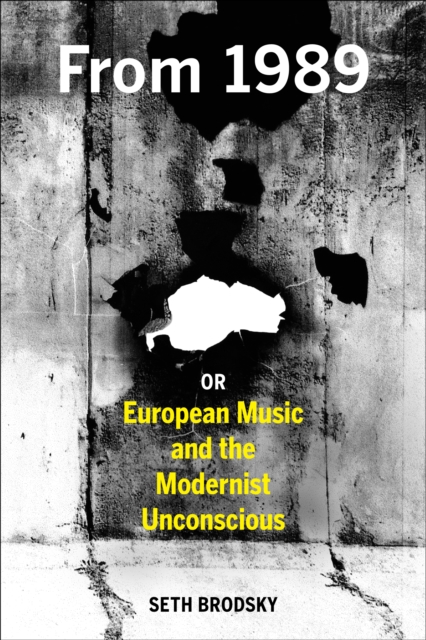
In a tour de force of lyrical theory, Joshua Clover boldly reimagines how we understand both pop music and its social context in a vibrant exploration of a year famously described as "e;the end of history.
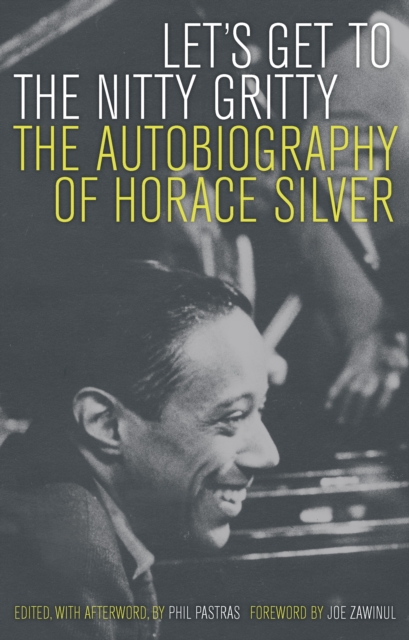
Horace Silver is one of the last giants remaining from the incredible flowering and creative extension of bebop music that became known as "e;hard bop"e; in the 1950s.
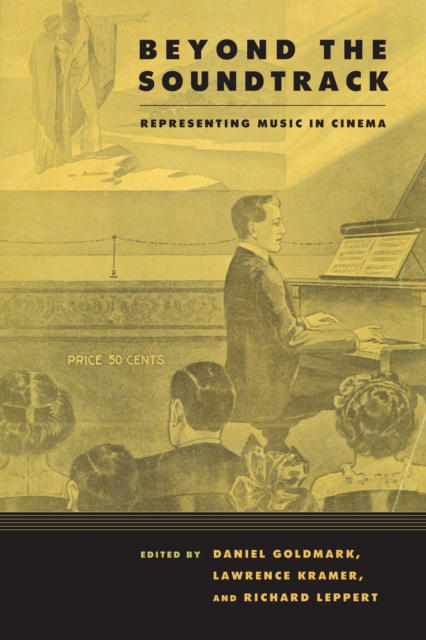
This groundbreaking collection by the most distinguished musicologists and film scholars in their fields gives long overdue recognition to music as equal to the image in shaping the experience of film.
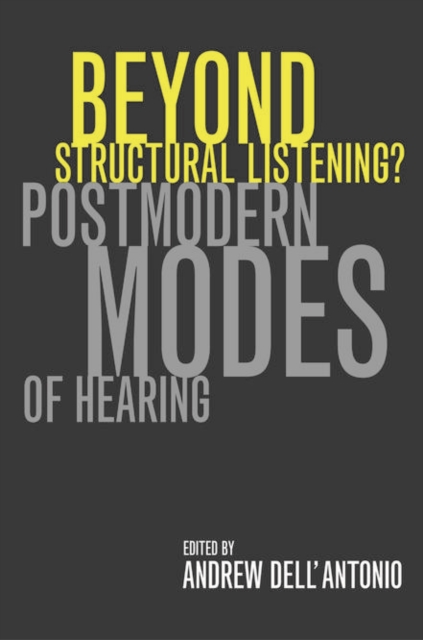
In a highly influential essay, Rose Rosengard Subotnik critiques "e;structural listening"e; as an attempt to situate musical meaning solely within the unfolding of the musical structure itself.