THE FIRST EVER OFFICIAL BOOK-Published in celebration of BTS's 10th Anniversary, stories that go beyond what you already know about BTS, including unreleased photos and all album information.
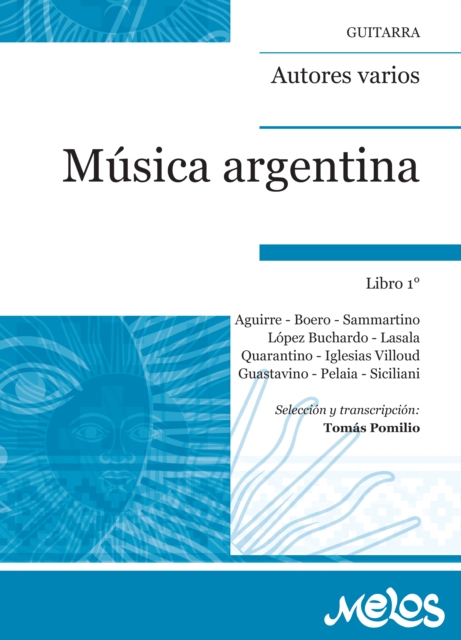
Este libro contribuye al fortalecimineto de la pedagogía de la guitarra clásica en el país a través de un material que abarca los príncipales temas de la técnica guitarrística en relación con un repertorio cuidadosamente seleccionado.
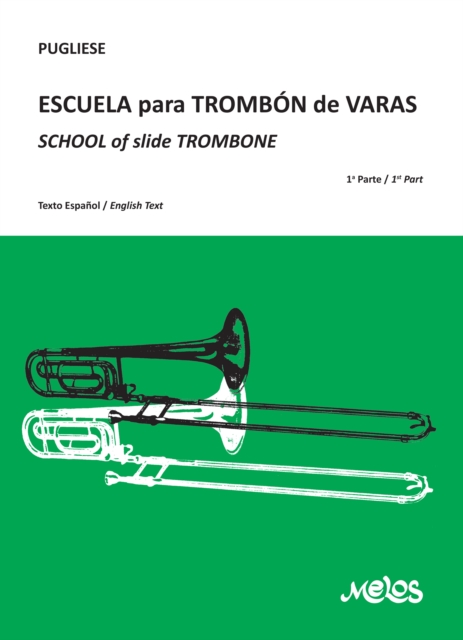
Descubre una nueva forma de dominar el trombón de varas con la 'Escuela para trombón de varas - 1a Parte' del aclamado músico y pedagogo Antonio Walter Pugliese.
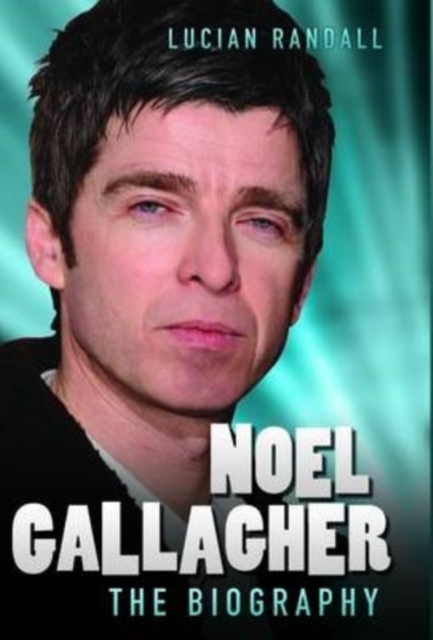
Noel Gallagher is as well-known for his singer-song writing talent as he is for his controversial, outspoken statements and his tempestuous relationships.
¨Charly Garcia Para piano¨ es una fina selección de 9 canciones en formato de partitura para piano, donde Guilo Villar, hace un excelente trabajo de interpretación, lectura y traducción de las melodías más ricas de este famoso autor y compositor argentino contemporáneo.
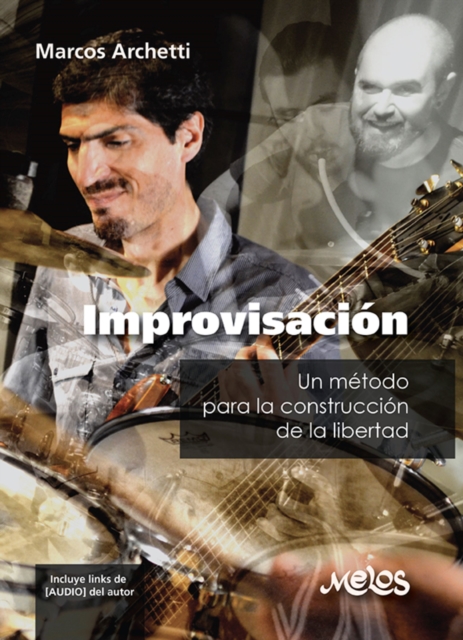
El libro Improvisación – un camino para la construcción de la libertad del compositor, productor y gran intérprete, Marcos Archetti, ofrece un material didáctico con contenidos teóricos sistematizados con gran claridad conceptual y hace hincapié en tareas creativa.
Frühstück mit Giora - Im Juli 2012 hatte ich das Privileg, den großen Klarinettisten und Instrumentalsolisten der Klezmer-Musik Giora Feidman in Bad Staffelstein, Oberfranken, zu treffen.
FOREWORD BY AUDREY GOLDEN, AUTHOR OF I THOUGHT I HEARD YOU SPEAKHit So Hard is a memoir of renewal and hope; a window onto the 90s Seattle grunge scene, and a testament to the enduring power of the music Patty helped create as drummer in Hole with Courtney Love.
From different perspectives this book studies the role of Reformation theology in the shaping of Danish society and the social dimensions of Lutheran confessional culture.
The instant Sunday Times bestseller'A straight-talking yet frequently astonishing memoir' - The Times'A book as idiosyncratic as it is nostalgic' - The ObserverWhen 'Never Gonna Give You Up' propelled Rick Astley into the pop stratosphere, it irrevocably changed his life.
A Rough Trade Book of the Year A Guardian Music Book of the Year 'Beautifully written and meticulously researched' Classic Pop'[An] all-encompassing repository of Cure wisdom' Record CollectorThe Cure are indisputable titans of alternative rock.
Morgan Jones' Valve Amplifiers has been widely recognised as the most complete guide to valve amplifier design, modification, analysis, construction and maintenance written for over 30 years.
Winner of the Pulitzer Prize in MemoirOne of The New York Times 100 Best Books of the 21st CenturyA deeply moving memoir about growing up in the 90s, written in the wake of the senseless killing of a beloved friend.
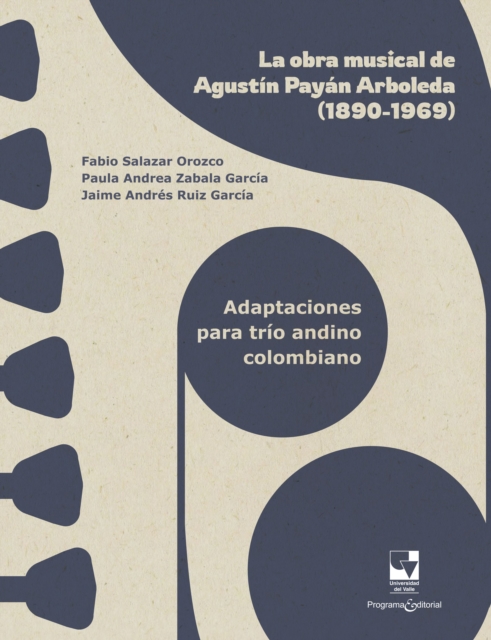
Este libro es resultado del proyecto de investigación Música, nación y región: El caso de Agustín Payán Arboleda en el Valle del Cauca (código CI-9065), realizado por Fabio Salazar Orozco, Jaime Andrés Ruiz García y Paula Andrea Zabala García, profesores de la Licenciatura en Música de la Universidad del Valle sede Buga, quienes conforman el grupo de investigación Prácsomus.
The Sunday Times Sports Book of the YearA Times Book of the YearA Financial Times Book of the YearA Guardian Book of the YearA New Statesman Book of the Year'The heartwarming story of the collaboration and friendship between English football s oddest couple, Elton John and Graham Taylor' The Times' A wonderful, feel-good account of an ultimately English provincial story' Simon Kuper_____________________ An unforgettable British underdog story from one of our greatest narrative nonfiction writers, John Preston, and the international musical icon and bestselling author, Sir Elton John.
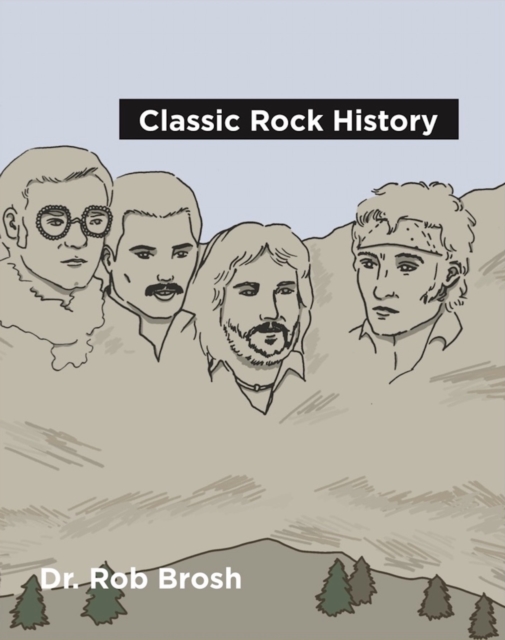
Classic Rock History is a new and exciting book for rock music enthusiasts of all ages that enjoy the many rock subgenres that developed over the past 75 years.
LAS MEMORIAS DE THURSTON MOORE DE SONIC YOUTHMEJOR LIBRO DE MÚSICA DEL AÑO SEGÚN ROUGH TRADE, RESIDENT Y VANITY FAIRThurston Moore se fue a vivir al East Village de Manhattan en 1978 con ansias de imbuirse de música y de discos.
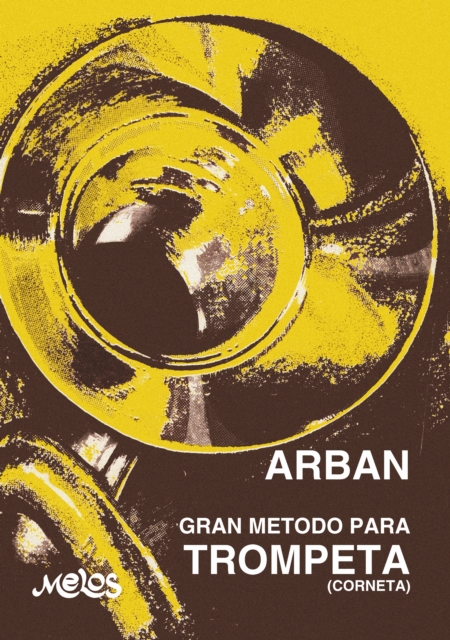
Este método legendario, escrito por Jean-Baptiste Arban —considerado el cornetista más influyente del siglo XIX— ha formado a generaciones de trompetistas en todo el mundo y sigue siendo una referencia esencial en conservatorios y escuelas de música.
The most abstract, playful and confounding of reggae subgenres, dub is a vital component of sound system culture that has wielded disproportionate influence.