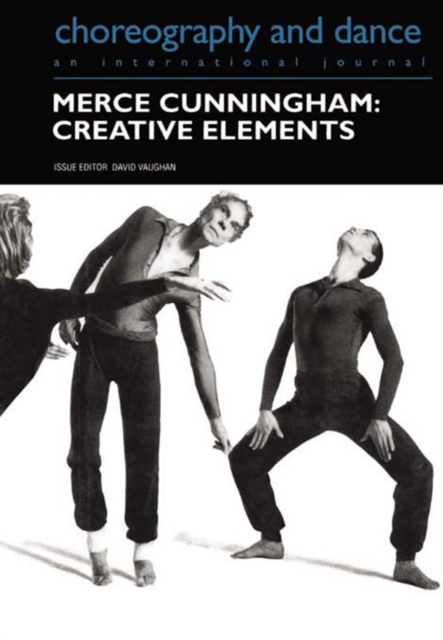
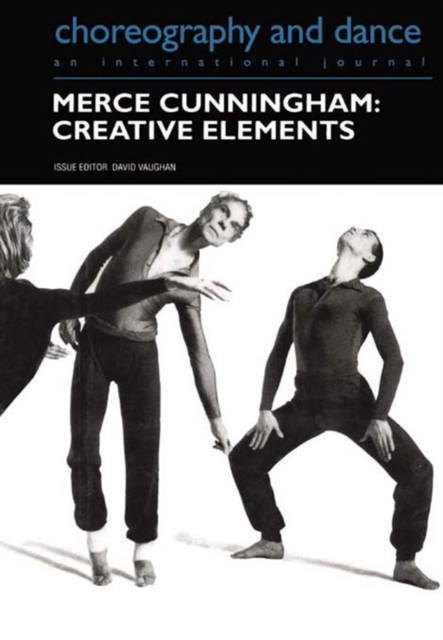
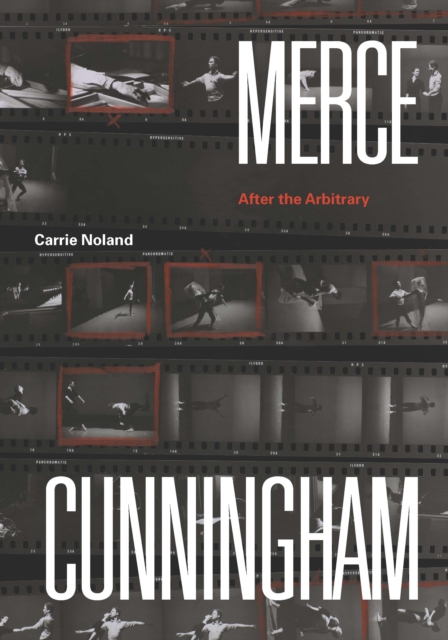
Merce Cunningham reached the age of 75 in 1994, an age at which many creative artists are content to rest on their laurels, or at least to leave behind whatever controversies they may have caused during their careers.
Merce Cunningham reached the age of 75 in 1994, an age at which many creative artists are content to rest on their laurels, or at least to leave behind whatever controversies they may have caused during their careers.
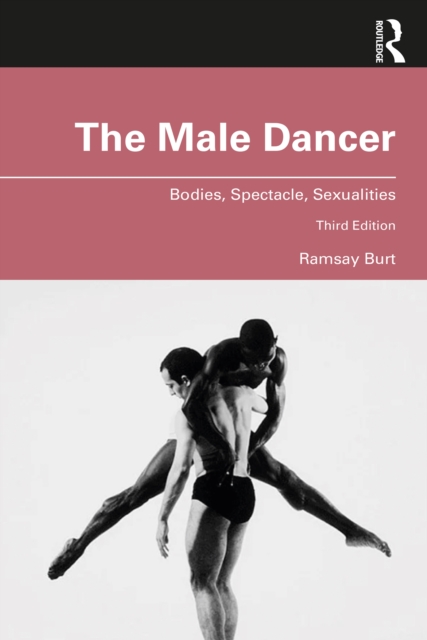
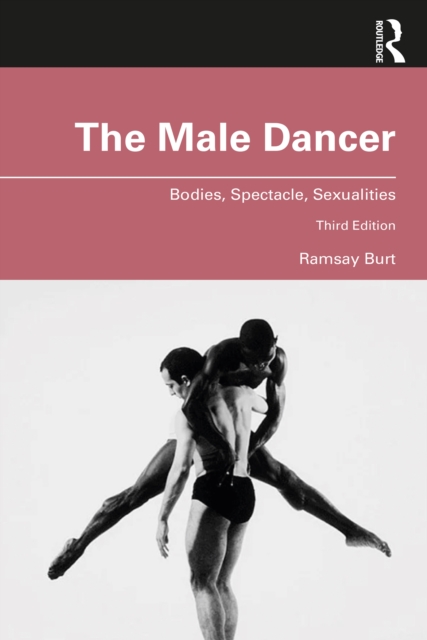
This revised third edition of The Male Dancer updates and enlarges a seminal book that has established itself as the definitive study of the performance of masculinities in twentieth century modernist and contemporary choreography.
This revised third edition of The Male Dancer updates and enlarges a seminal book that has established itself as the definitive study of the performance of masculinities in twentieth century modernist and contemporary choreography.
From a major mind of Buddhism today comes this unique philosophical work, which hearkens back to the classical verse-form, but in a modern voice that speaks directly to the twenty-first century reader and practitioner.
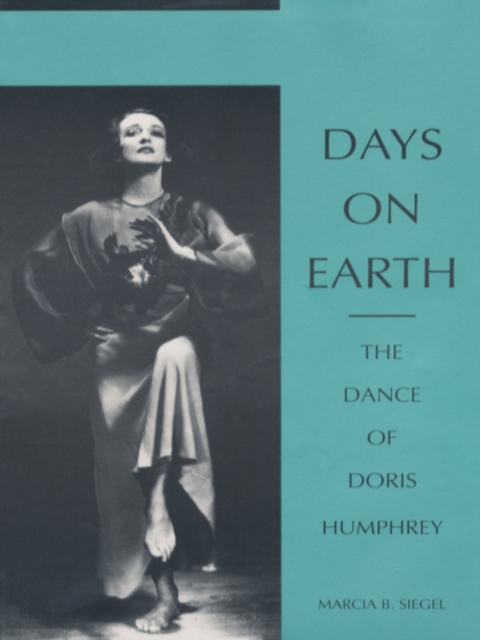
Now available in paperback, Days on Earth--originally published in 1988 (Yale University Press)--traces the dance career and artistic development of one of the founders of American modern dance.
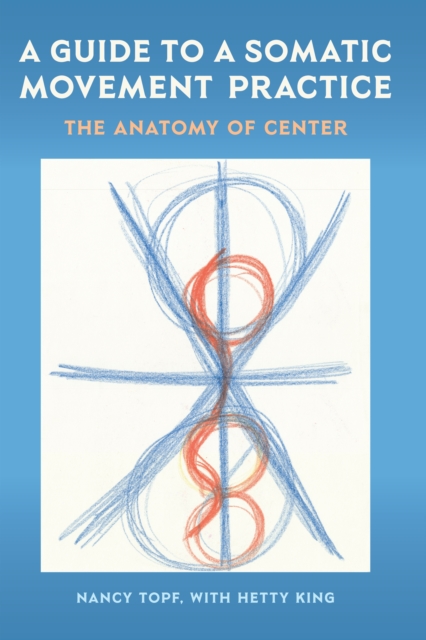
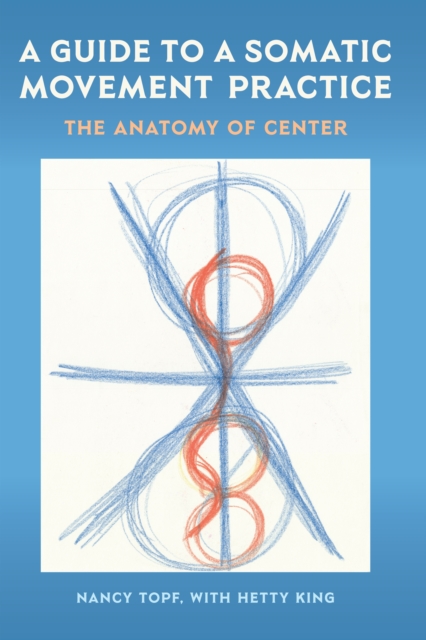
An introduction to embodied movement through the work of a dance education pioneerIn this introduction to the work of somatic dance education pioneer Nancy Topf (19421998), readers are ushered on a journey to explore the movement of the body through a close awareness of anatomical form and function.
An introduction to embodied movement through the work of a dance education pioneerIn this introduction to the work of somatic dance education pioneer Nancy Topf (19421998), readers are ushered on a journey to explore the movement of the body through a close awareness of anatomical form and function.
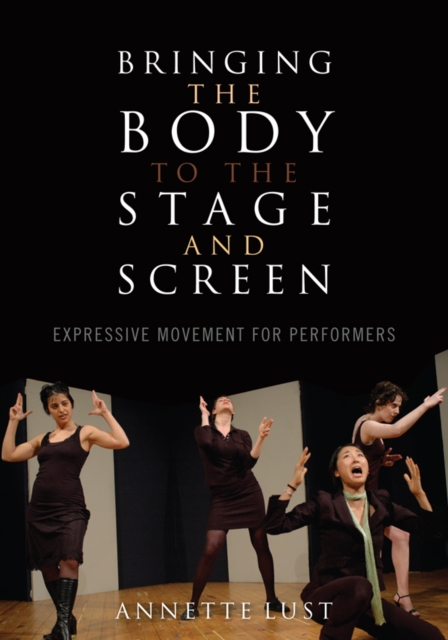
As stage and screen artists explore new means to enhance their craft, a new wave of interest in expressive movement and physical improvisation has developed.
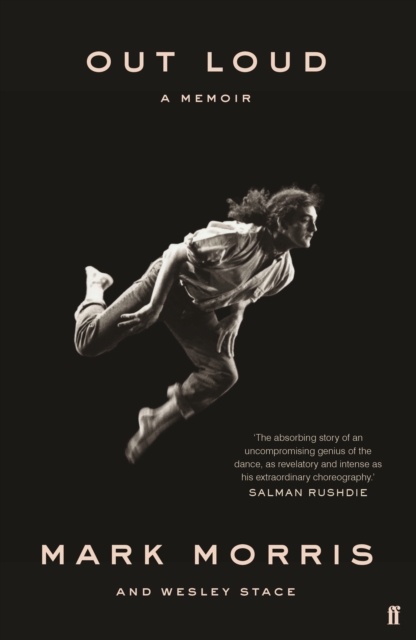
Before Mark Morris became "e;the most successful and influential choreographer alive"e; (The New York Times), he was a six year-old in Seattle cramming his feet into Tupperware glasses so that he could practice walking on pointe.
This newly-updated second edition explores Pina Bausch's work and methods by combining interviews, first-hand accounts, and practical exercises from her developmental process for students of both dance and theatre.
This newly-updated second edition explores Pina Bausch's work and methods by combining interviews, first-hand accounts, and practical exercises from her developmental process for students of both dance and theatre.
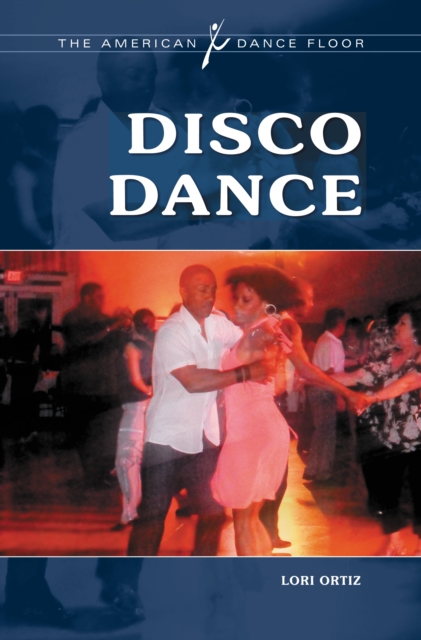
This book sheds light on the fascinating untold story behind what is collectively and disputably called "e;disco dancing,"e; and the incredible effect that the phenomenon had on America-in New York City and beyond.
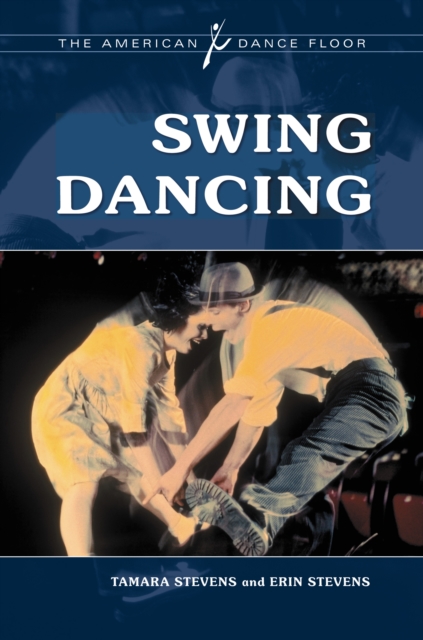
Telling a riveting true story of the emergence and development of an American icon, this book traces swing dancing from its origins to its status as a modern-day art form.
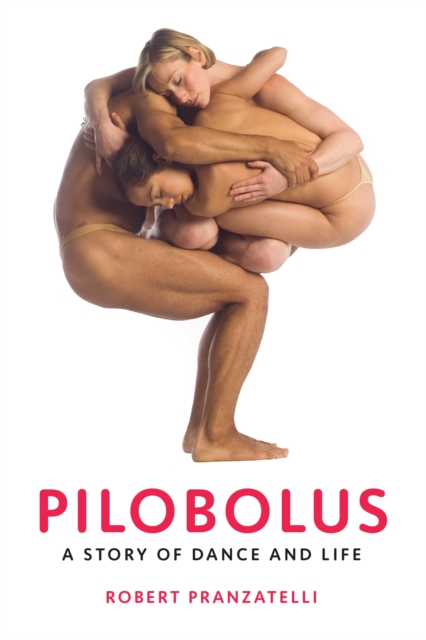
The dynamic history of the innovative, beloved, and critically acclaimed dance theater company, with revelatory behind-the-scenes details of its creators and significant worksThe ingeniously innovative and enduringly popular American dance theatre company Pilobolus has helped redefine, remix, and rejuvenate the essence of dance with its eclectic sensibility and daring athleticism.
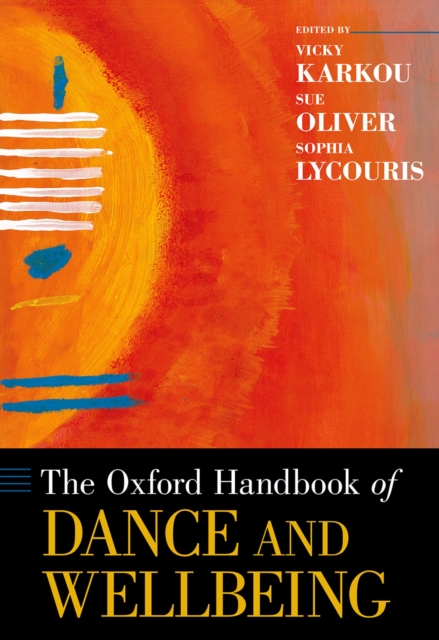
In recent years, a growth in dance and wellbeing scholarship has resulted in new ways of thinking that place the body, movement, and dance in a central place with renewed significance for wellbeing.
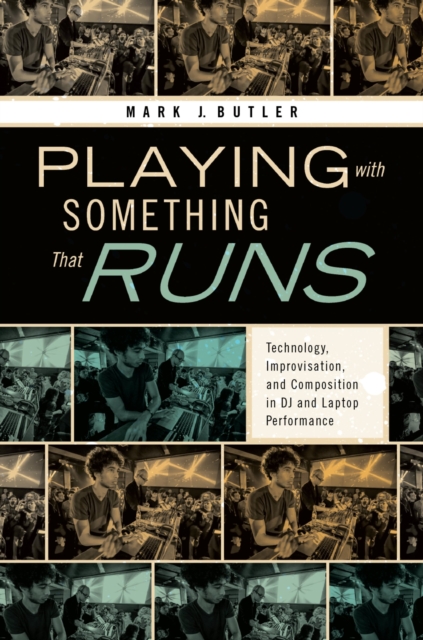
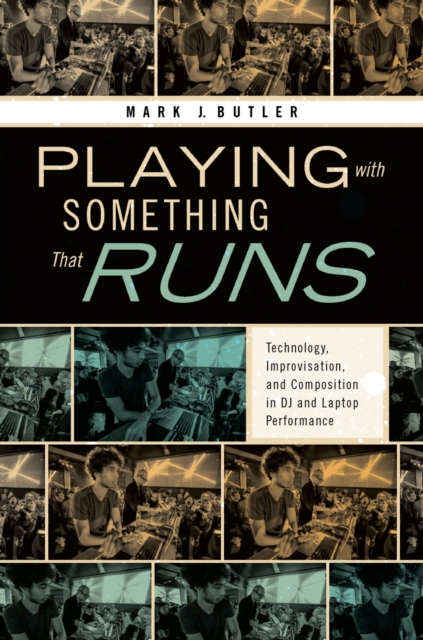
Winner of the 2015 PMIG Outstanding Publication Award from the Society of Music TheoryThe DJs and laptop performers of electronic dance music use preexistent elements such as vinyl records and digital samples to create fluid, dynamic performances.
Winner of the 2015 PMIG Outstanding Publication Award from the Society of Music TheoryThe DJs and laptop performers of electronic dance music use preexistent elements such as vinyl records and digital samples to create fluid, dynamic performances.
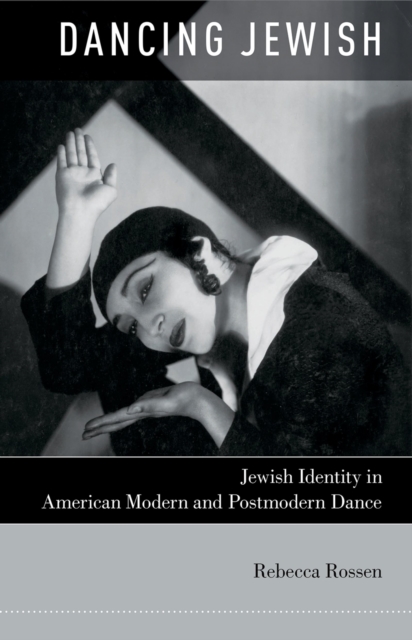
While Jews are commonly referred to as the "e;people of the book,"e; American Jewish choreographers have consistently turned to dance as a means to articulate personal and collective identities; tangle with stereotypes; advance social and political agendas; and imagine new possibilities for themselves as individuals, artists, and Jews.
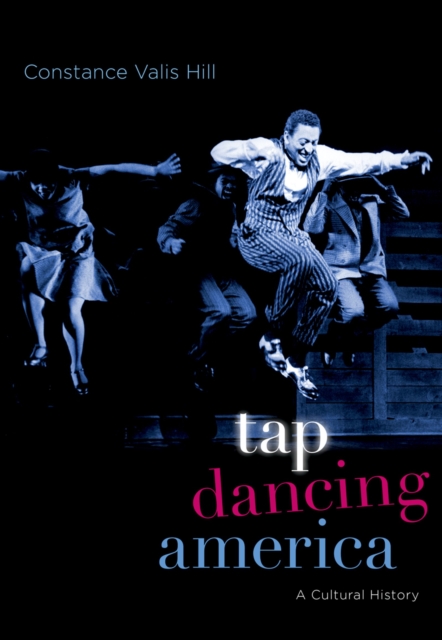
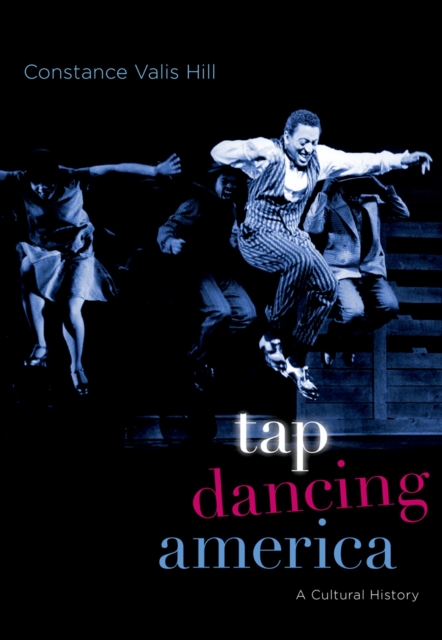
Here is the vibrant, colorful, high-stepping story of tap -- the first comprehensive, fully documented history of a uniquely American art form, exploring all aspects of the intricate musical and social exchange that evolved from Afro-Irish percussive step dances like the jig, gioube, buck-and-wing, and juba to the work of such contemporary tap luminaries as Gregory Hines, Brenda Bufalino, Dianne Walker, and Savion Glover.
Here is the vibrant, colorful, high-stepping story of tap -- the first comprehensive, fully documented history of a uniquely American art form, exploring all aspects of the intricate musical and social exchange that evolved from Afro-Irish percussive step dances like the jig, gioube, buck-and-wing, and juba to the work of such contemporary tap luminaries as Gregory Hines, Brenda Bufalino, Dianne Walker, and Savion Glover.
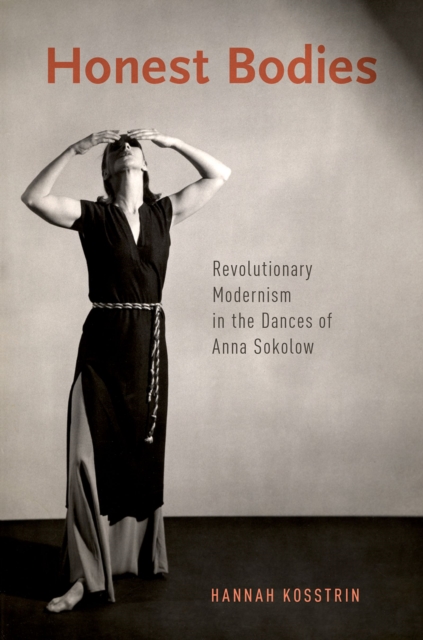
Honest Bodies: Revolutionary Modernism in the Dances of Anna Sokolow illustrates the ways in which Sokolow's choreography circulated American modernism among Jewish and communist channels of the international Left from the 1930s-1960s in the United States, Mexico, and Israel.
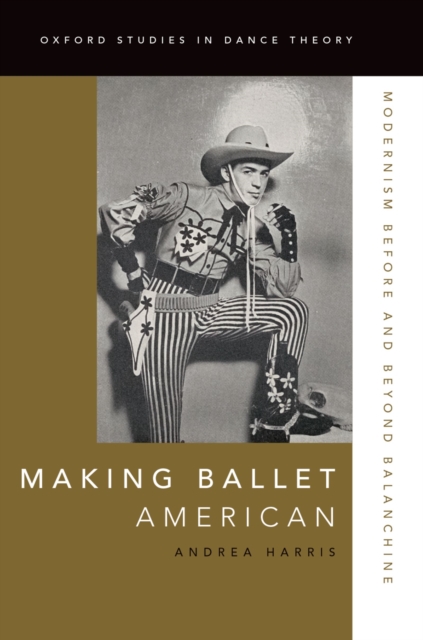
George Balanchine's arrival in the United States in 1933, it is widely thought, changed the course of ballet history by creating a bold neoclassical style that is celebrated as the first American manifestation of the art form.
From its beginnings as an alternative and dissident form of dance training in the 1960s, Somatics emerged at the end of the twentieth century as one of the most popular and widespread regimens used to educate dancers.
From its beginnings as an alternative and dissident form of dance training in the 1960s, Somatics emerged at the end of the twentieth century as one of the most popular and widespread regimens used to educate dancers.