The ever-popular "e;Whedonverse"e; television shows--Buffy the Vampire Slayer, Angel, Firefly and Dollhouse--have inspired hundreds of articles and dozens of books.
NBC's Grimm is an understudied series full of compelling characters, including Monroe, the charmingly knowledgeable vegetarian who looks like a werewolf; Wu, the funny cop who beats his way to the truth; Adalind, the enjoyably vengeful, risk-taking witch; Trubel, the furious young loner accused of insanity; Kelly, a powerful older warrior-woman; Nick, a compassionate detective; Hank, Juliette, Rosalee and others.
After they are pulled 70,000 light-years away from Alpha Quadrant, the captain and crew of Star Trek: Voyager must travel homeward while exploring new challenges to their relationships, views of others, and themselves.
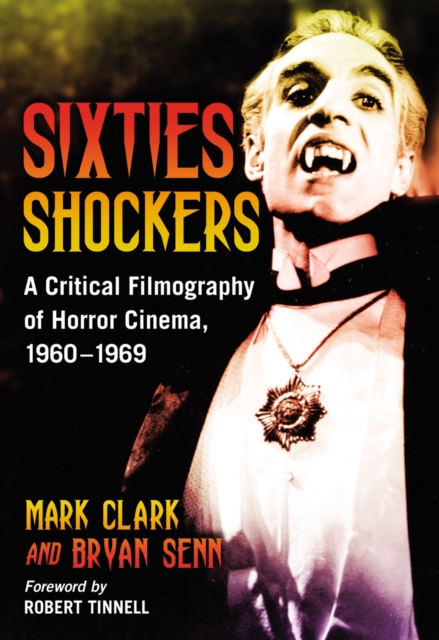
Most horror film fans are familiar with the movie classics, from the early Universal archetypes to the Hammer landmarks--all of which have been celebrated in countless books and magazines.
Controversial yet beloved among audiences, Christmas-themed horror movies emerged in the early 1970s and gained a notorious reputation with Silent Night, Deadly Night (1984), depicting Santa as an ax-wielding maniac.
Today, it seems as if everyone from heroic-yet-angsty teenagers, to giggling schoolgirls, to middle-aged businessmen, to bored moms are finding themselves whisked away to save distant worlds from some kind of unspeakable evil.
More than sixty years after the The Twilight Zone debuted on television, the show remains a cultural phenomenon, including a feature film, three television reboots, a comic book series, a magazine and a theatrical production.
Faith horror refers to a significant outcropping of mid-1960s and 1970s films and adaptative novels that depict non-Christian communities of evil doers and their activities.
Like a lovingly guided midnight tour, this book covers the seductive shadows of the most fascinating horror films and melodramas from the 1930s and 1940s.
The original Star Wars trilogy famously follows Joseph Campbell's model for the hero's journey, making Luke Skywalker's story the new hero quest for a modern age.
In October 1957, Screen Gems made numerous horror movies available to local television stations around the country as part of a package of films called Shock Theater.
Over its five seasons on the air, the televised series Outlander has combined romance, adventure, history, and time travel into a classic saga of love, war, and the ties that bind family together.
In 1968, George Romero's film Night of the Living Dead premiered, launching a growing preoccupation with zombies within mass and literary fiction, film, television, and video games.
This is the first book to take a deep dive into the philosophical, social, moral, political, and religious issues tackled by Seth MacFarlane's marvelous space adventure, The Orville.
This book begins at the intersection of Dracula and War of the Worlds, both published in 1897 London, and describes the settings of Transylvania, Mars, and London as worlds linked by the body of the vampire.
Breaking box office records, the Marvel Cinematic Universe has achieved an unparalleled level of success with fans across the world, raising the films to a higher level of narrative: myth.
With fresh appraisals of popular Westerns, this book examines the history of the genre with a focus on definitional aspects of canon, adaptation and hybridity.
Telling an American Horror Story collects essays from new and established critics looking at the many ways the horror anthology series intersects with and comments on contemporary American social, political and popular culture.
This collection of new essays examines how the injection of supernatural creatures and mythologies transformed the hugely popular crime procedural television genre.
Late 19th century science fiction stories and utopian treatises related to morals and attitudes often focused on economic, sociological and, at times Marxist ideas.