Todo comienza en el lugar donde serían las vacaciones soñadas de Sofía y su familia, sin embargo, lo que tuvo que ser un momento feliz se convirtió en un instante en desesperación y vacío.
La acción de esta novela se desarrolla en varios de esos muchos países donde reina la dictadura político-religiosa y se le niega a todo ser vivo el derecho a hablar, protestar y mucho menos reclamar sus derechos.
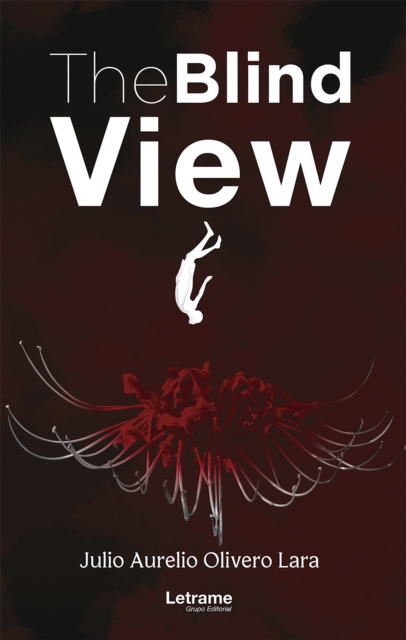
"e;This book is a deep journey into the mind of a forgotten god, an escape to the world of dreams within the mind of a child who does not want to accept his reality.
Este libro es un compendio de pensamientos, reflexiones y fantasías en forma de poemas y narraciones, que reflejan las tantas dualidades de una mujer; de aquí su nombre: A veces soy guerra, a veces soy paz.
Socioestadísticas para miembras es un compendio resumido de cuatro de las últimas investigaciones de este sociólogo madrileño que ha desarrollado su profesión en la Administración Local y la Universidad durante más de treinta años.
En NO TODO CANDIDOTE LLEGA A CANDIDATO Y TRIUNFA, usted puede encontrar una ruta de navegación o una metodología que le entregará el conocimiento para para que se enfrente a la contienda electoral con la artillería necesaria para organizar su campaña con las herramientas de EFICACIA, EFICIENCIA, EFECTIVIDAD Y ECONOMÍA que le aproximen al éxito y que CANDIDATOS buenos (CÁNDIDOS) puedan sin temor enfrentarse a los procesos electorales.
Thistance (This Distance) nace en el 2018 en Brno, República Checa tras la experiencia de haber vivido un Erasmus (movilidad estudiantil en Europa), pisando por primera vez el continente europeo.
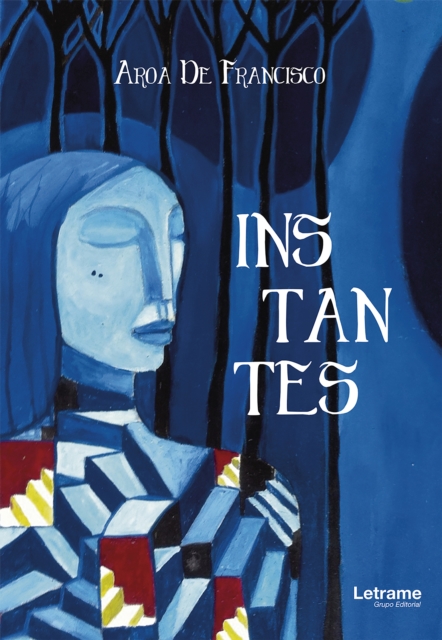
Este libro es un collage de instantes que nos arrastran, nos elevan, nos hacen viajar por las emociones humanas, por sus tempestades, luces y sombras, por la búsqueda del ser, de las consciencias, de lo transcendente, de lo sutil…Instantes es un paseo por lo profundo y lo sensible de todo lo que acontece en la vida de una mujer, que se arrastra por sus cavidades, rozando lo más profundo del corazón, y observa sus cuevas, sus sótanos, sus pasiones, sus raíces y sentires.
Un viaje transpersonal con «banda sonora de papel», un juego a escondidas a nivel molecular, un cuento alquímico que persigue los palpables «flashes de eternidad» de una joven mujer que intenta emanciparse - amorosamente - de las voces internas de sus ancestros.
Este libro trae consigo pensamientos y reflexiones sobre lo que somos, cómo el resultado de vidas con infancias o adolescencias fracturadas por diversas razones, con familias afectadas por cambios deseados o no.
En una noche de vigilia en la que el alma está cerca de la razón, paralizada de manera obligada en confinamiento por la pandemia mundial de la Covid 19.
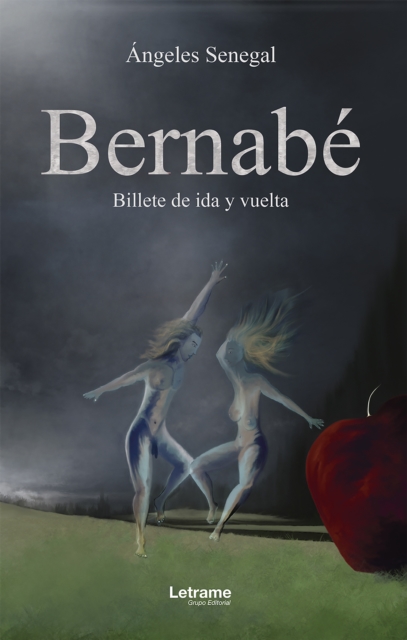
Bernabé es una historia basada en hechos reales que recogen las duras y difíciles experiencias vividas de tantas personas anónimas de nuestra sociedad, pero capaces de marcar un antes y un después a través de nuestros protagonistas.
Miami Beach fue la ciudad que escogió Peter Scott para vivir sus sueños, pero su suerte se truncó cuando cruzó caminos con Logan Hepworth, su nuevo compañero de piso.
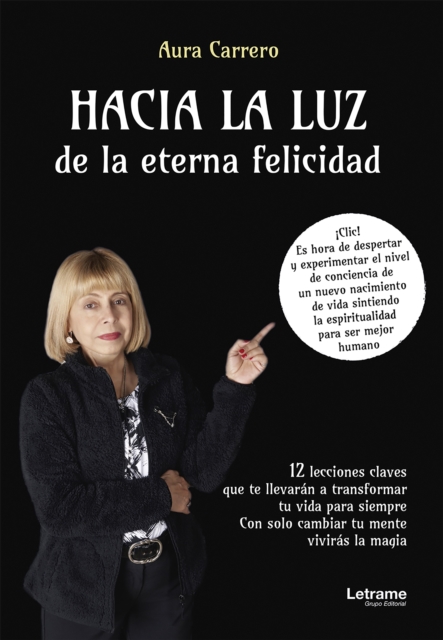
Hacia la Luz de la Eterna Felicidad es una narrativa que nos hace ver los eventos y las dificultades en que el ser humano vive envuelto en su vida cotidiana.
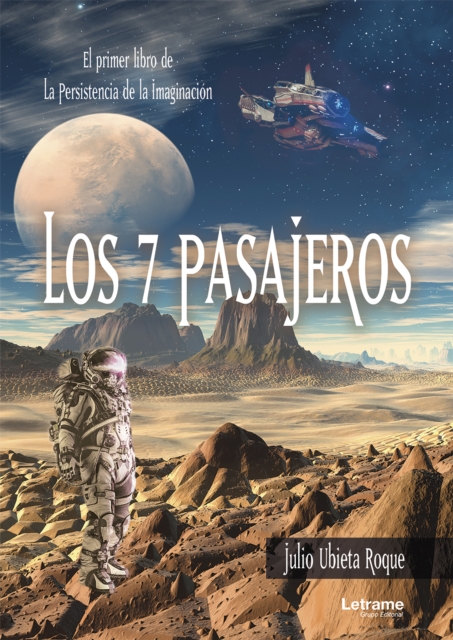
"Un sagrado símbolo ancestral fue la clave de la conciencia universal" "Ciertos eventos inesperados y descubrimientos insólitos a finales del tercer milenio amenazan con la extinción a los humanos, por un secreto en la sangre de solo 7 de ellos.
Lágrimas de frontera es una historia que muestra con crudeza la realidad de la vida en los territorios próximos a la frontera entre los reinos cristianos y Al-Ándalus durante el siglo X, donde el valor de la vida era relativo y el sufrimiento y problemas de sus pobladores algo cotidiano.
Ángel Zugasti, un avezado científico adelantado a su tiempo, es asesinado antes de alumbrar, lo que se presume, la solución al problema energético mundial.
Narración del viaje a pie de un grupo de amigos que van a Santiago por la ruta sanabresa, atravesando las sierras zamoranas, por lugares olvidados pero llenos de encanto, continuación de un viaje iniciado desde Almadén.
Tomeus Paramore ejerce su discreta cátedra en la Escuela de Instrucción Pública Millerson, un escenario decadente que parece el reflejo de su anodina vida personal.
La Navaja de Ockham es una crónica novelada de la desaparición de la joven Michelle Boutteville, ocurrida en octubre de 2017 en la Alta Francia, y de las complicadas actuaciones policiales llevadas a cabo para esclarecerla.
En el año 5999, la pareja formada por Tau y Sharon es reclutada para trabajar en la que se conoce como zona cero, a las órdenes del doctor Fermión, y completar su entrenamiento y una serie de arriesgadas misiones primero en la Luna y después en Marte y Titán.
Feiron era un joven de linaje desconocido, a veces mendigo y a veces ladrón, hasta que su suerte cam-bió al caer bajo la tutela de Rostar, a primera vista, solo un capitán de la guardia, de quien aprendió por partes iguales el arte de la espada y el de contar historias.