Jews have been well represented in the cinema industry from the beginning of the film era: behind the screen, as producers, distributors, directors, script-writers, composers, set designers; and on the screen, as Jewish actors and as named Jewish characters in the film's plot.
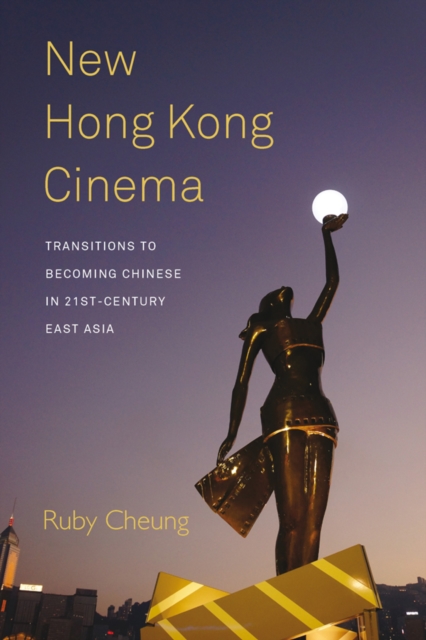
The trajectory of Hong Kong films had been drastically affected long before the city s official sovereignty transfer from the British to the Chinese in 1997.
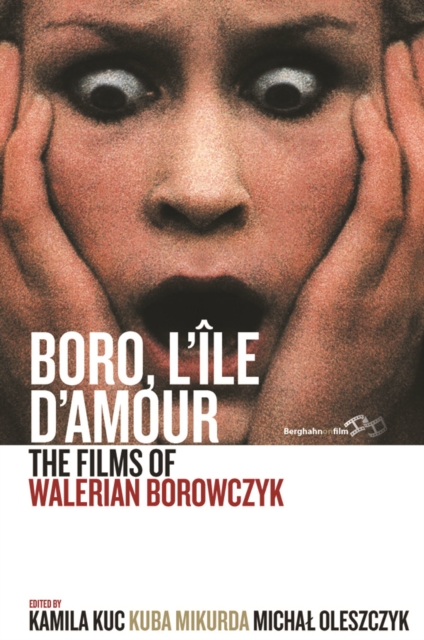
There has been a recent revival of interest in the work of Polish film director Walerian Borowczyk, a label-defying auteur and escape artist if there ever was one.
West German cinema of the 1960s is frequently associated with the emergence of a new generation of filmmakers, collectively known by the 1970s as the "e;New German Cinema.
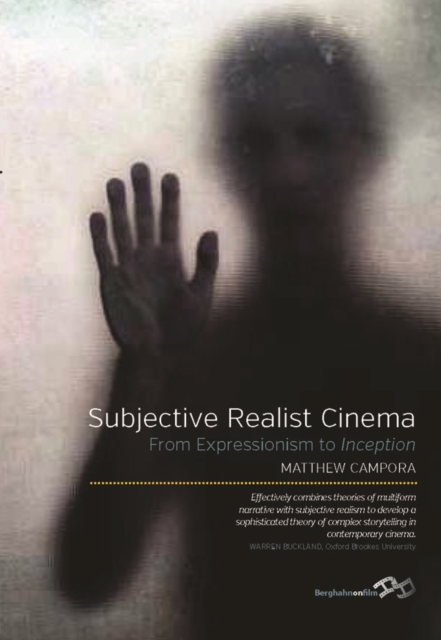
Subjective Realist Cinema looks at the fragmented narratives and multiple realities of a wide range of films that depict subjective experience and employ subjective realist narration, including recent examples such as Mulholland Drive, Memento, and Eternal Sunshine of the Spotless Mind.
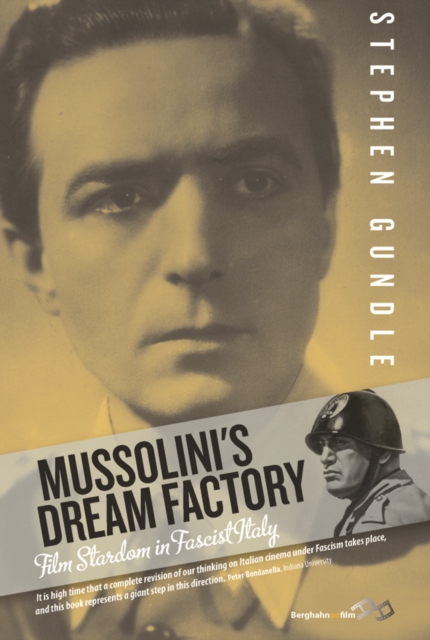
The intersection between film stardom and politics is an understudied phenomenon of Fascist Italy, despite the fact that the Mussolini regime deemed stardom important enough to warrant sustained attention and interference.
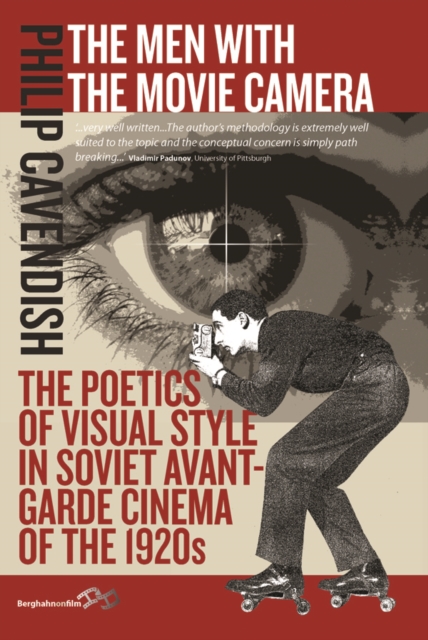
Unlike previous studies of the Soviet avant-garde during the silent era, which have regarded the works of the period as manifestations of directorial vision, this study emphasizes the collaborative principle at the heart of avant-garde filmmaking units and draws attention to the crucial role of camera operators in creating the visual style of the films, especially on the poetics of composition and lighting.
This study of Jaws (1975) examines how Steven Spielberg's breakout film not only redefined the thriller but also pioneered the summer blockbuster, cementing his reputation as a master filmmaker.
Women in Irish Film: Stories and storytellers is an interdisciplinary collection that critically explores the contribution of women to the Irish film industry as creators of culture - screenwriters, directors, producers, cinematographers, editors, animators, film festival programmers and educators.
Why has a nineteenth-century author with an elitist reputation proved so popular with directors as varied as William Wyler, Franois Truffaut, and James Ivory?
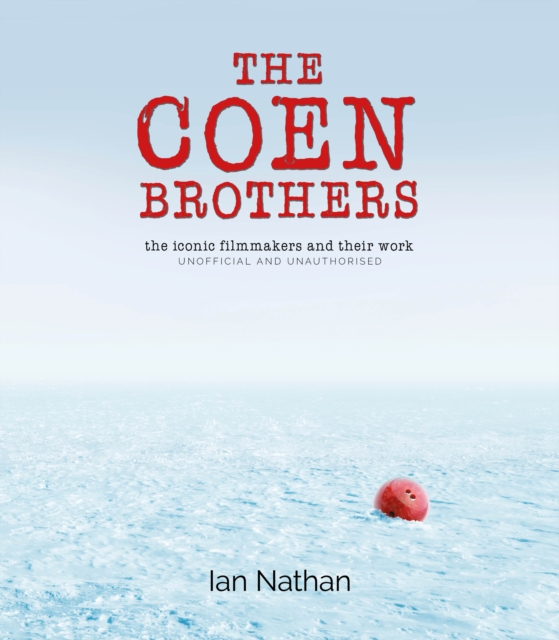
Through in-depth and informative text written by film journalist Ian Nathan, The Coen Brothers Archivere-examines the brothers most famous work including Raising Arizona, Fargo, The Big Lebowski, O Brother, Where Art Thou?
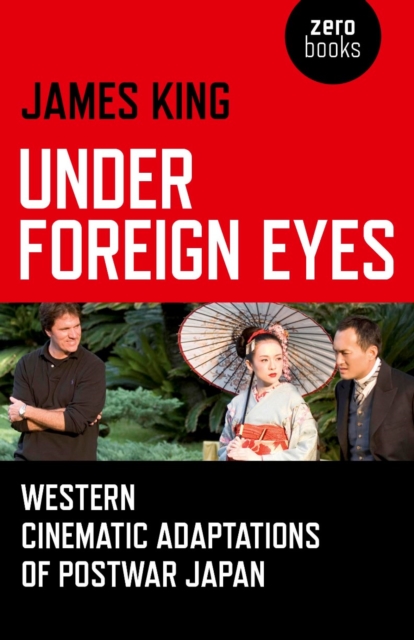
This book is about the perception of Japan in the sixty films set there by gaijin (foreigners) —outsiders who almost always do not speak or read Japanese.
The Soul Stylists is about six decades of Modernism and a highly influential world of clothes and music, but one deliberately hidden away for years from the mainstream media.
Kiyoshi Kurosawa's 1997 psychological horror, Cure, follows a detective (played by Koji Yakusho) as he investigates a string of gruesome murders in Tokyo, where each victim has an 'X' carved into their neck.
Steven Spielberg's Close Encounters of the Third Kind (1977) is a film very much of its cinematic moment, combining the gritty realism of entrapment in the everyday with furtive dreams of escape.
In CROWDS: A MOVING-PICTURE OF DEMOCRACY, Gerald Stanley Lee offers a vigorous meditation on mass society, public opinion, and the spiritual possibilities of democratic life in the modern industrial age.
This book analyzes the representations of the subjects of Hindi cinema as a way of gaining insights into the hegemony of the upper-caste Hindu male in narratives of nationhood.
Exploring the reception and representation of Viking culture in audiovisual media, particularly in cinema and television, this book offers a comprehensive chronological overview of films and television programmes produced in the period from the early 20th century to the present.
An important dispatch from a new, multipolar order that is taking form before our eyesA vast cultural movement is emerging from outside the Western world.
El Feng Shui, arte chino milenario, enseña a redescubrir las energías que animan el espacio, para obtener paz y sacar provecho a los lugares donde vivimos.
¿Qué función tiene el yin y el yang chino, el prana hindú, el nirvana budista, los chakras, la geomancia, el Ayurveda, en relación a los secretos de las pirámides?
Asimilado a menudo a las ciencias ocultas, la magia o la tradición satánica, el esoterismo es, en realidad y etimológicamente hablando, la enseñanza de «lo interior», lo que está reservado a un círculo limitado de discípulos, herederos de un saber secreto que se transmite de época en época.