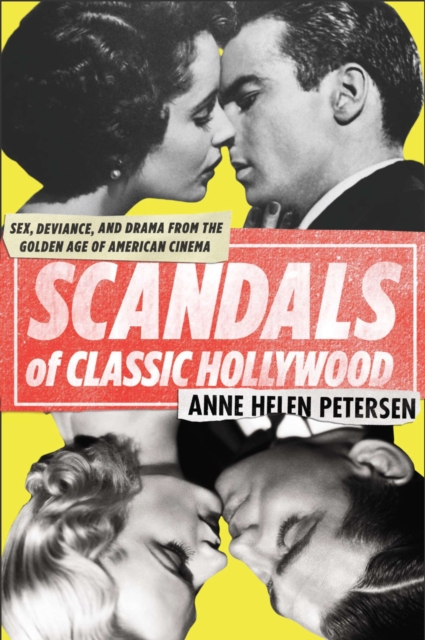
Gossip meets history—a compulsively readable collection of Hollywood''s most notorious clashes and controversiesin the spirit of Hollywood Babylon Believe it or not, America''s fascination with celebrity culture was thriving well before the days of TMZ, Perez Hilton, Charlie Sheen''s breakdown and allegations against Woody Allen.
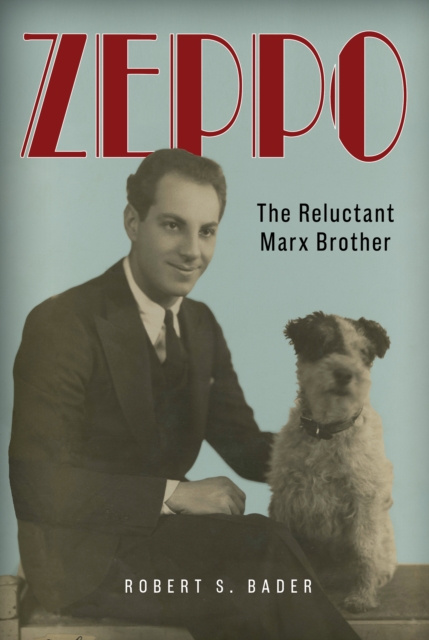
"e;Marx Brothers authority Bader has done a remarkable job successfully uncovering the story of the unknown brother, revealing a genuinely complex character.
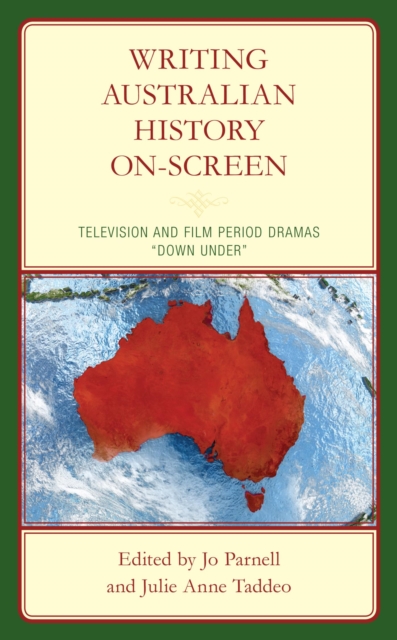
Writing Australian History On-screen: Television and Film Period Dramas "e;Down Under"e; reveals the depths of Australian history from convict times to the present day.
Writing Australian History On-screen: Television and Film Period Dramas "e;Down Under"e; reveals the depths of Australian history from convict times to the present day.
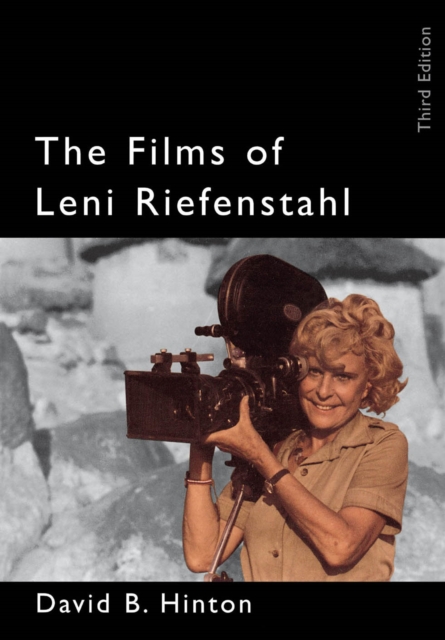
After considerable controversy over the bold appraisal of Riefenstahl in his first two editions, Hinton continues to celebrate the life and films of this brilliant woman in the absence of the repetitious cliches that so often accompany a discussion of such a controversial filmmaker.
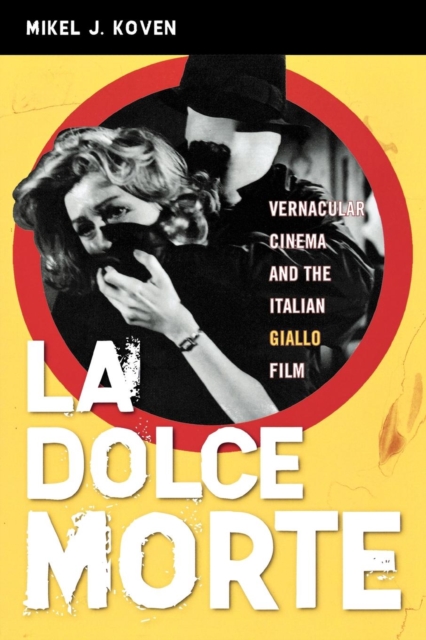
With the exception of die-hard aficionados of European or Italian horror cinema, most people may not have heard of giallo cinema or have seen many films in this subgenre of horror.
This short textbook provides an introduction to queer theory, exploring its key genealogies and terms as well as its application across various academic disciplines and to contemporary life more generally.
Some say that telling the story of the Holocaust is impossible, yet, artists have told the story thousands of time since the end of World War II in novels, dramas, paintings, music, sculpture, and film.
Widely recognized in his character of the Tramp, Charlie Chaplin transcended the role of actor to become screenwriter, director, composer, producer, and finally studio head.
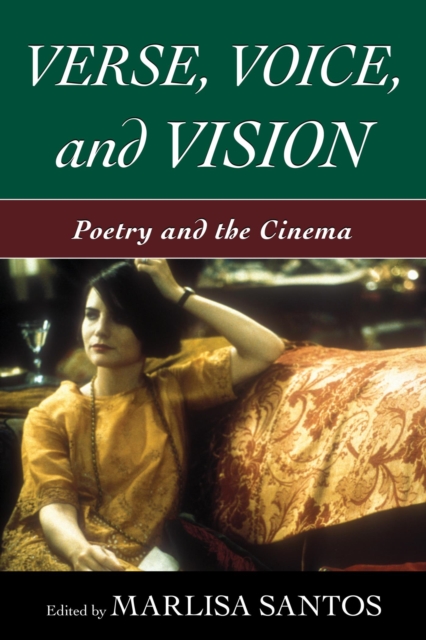
Although it is a somewhat underrepresented form of literature in popular sensibility, poetry finds relevance in the modern world through its appearance in cinema.
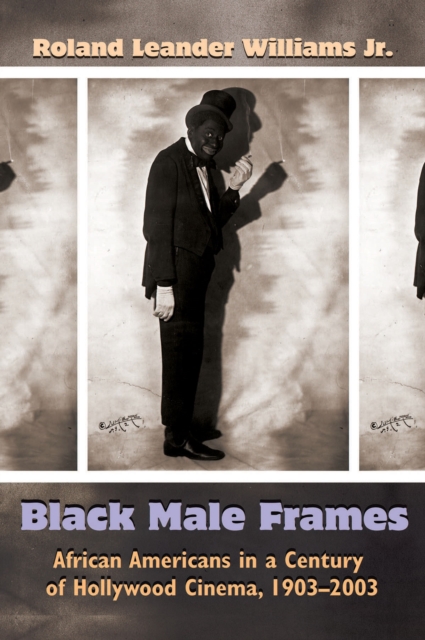
Black Male Frames charts the development and shifting popularity of two stereotypes of black masculinity in popular American film: "e;the shaman"e; or "e;the scoundrel.
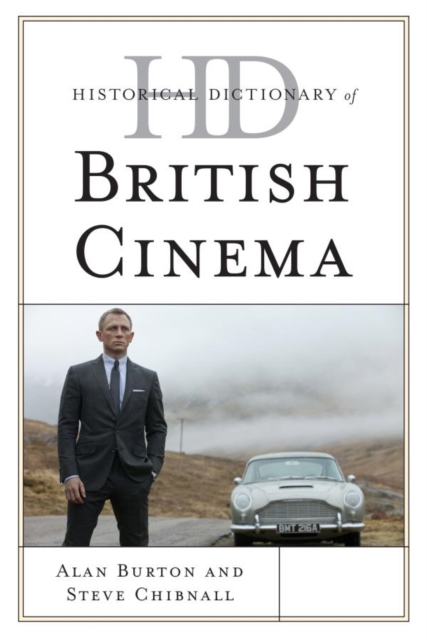
British cinema has been around from the very birth of motion pictures, from black-and-white to color, from talkies to sound, and now 3D, it has been making a major contribution to world cinema.
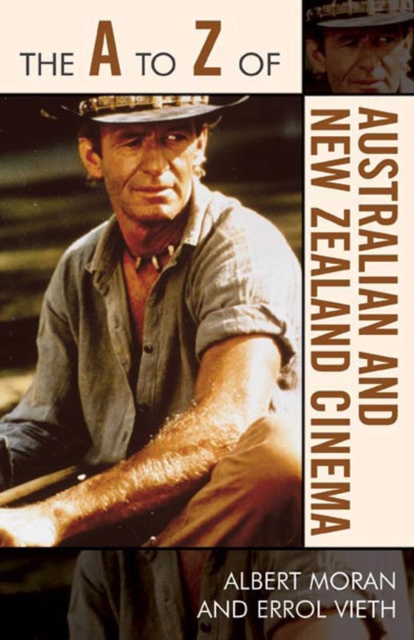
Whether it was Jane Campion's The Piano, Mel Gibson in Mad Max, Paul Hogan in Crocodile Dundee, or The Lord of the Rings saga, we have all experienced the cinema of Australia and New Zealand.
In 1977, Star Wars blazed across the screen to become one of the highest grossing and most beloved movies of all time, spawning an unprecedented merchandising phenomenon.
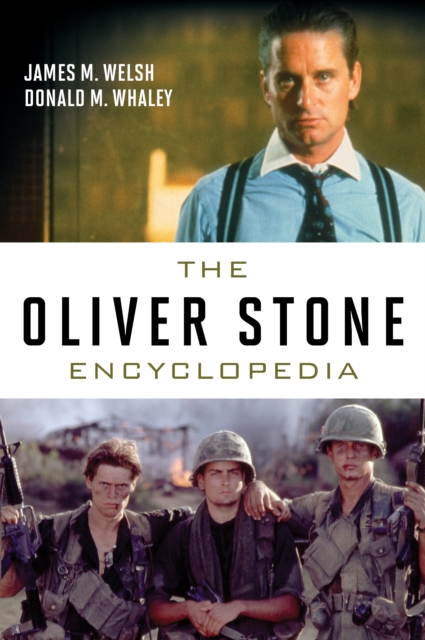
Oliver Stone has written and directed many memorable films while also developing a reputation for tackling controversial subjects, such as the Turkish prison system (Midnight Express), the Vietnam war (Platoon and Born on the Fourth of July), insider trading (Wall Street), presidential assassination (JFK), and a voyeuristic media (Natural Born Killers).
Ridgeway (Reggie) Callow began his film career in the early 1930s and for four decades worked as an assistant director on some of the most memorable films in Hollywood history.
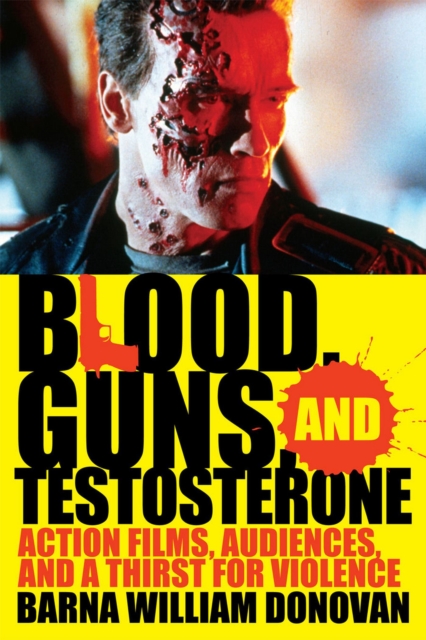
As they transition into adulthood, many American boys and young men spend a considerable amount of time engaging in physical sports, playing violent video games, and watching action movies, including war films.
When the earliest filmgoers watched The Great Train Robbery in 1903, many of them shrieked in terror at the very last clip when one of the outlaws turns directly toward the camera and fires a gun, seemingly, directly at the audience.
From All Quiet on the Western Front and Gone with the Wind to No Country for Old Men and Slumdog Millionaire, many of the most memorable films have been adapted from other sources.
This book presents the Great Depression through the lens of 13 films, beginning with movies made during the Depression and ending with films from the 21st century, and encourages readers to examine the various depictions of this period throughout history.
Film noir-literally "e;black cinema"e;-is the label customarily given to a group of black and white American films, mostly crime thrillers, made between 1940 and 1959.
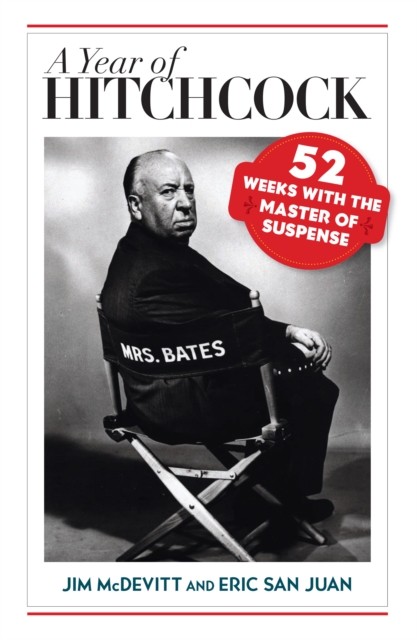
Alfred Hitchcock's career spanned more than five decades, during which he directed more than 50 films, many of them indisputable classics: Notorious, Strangers on a Train, Rear Window, Vertigo, North by Northwest, and Psycho, among others.
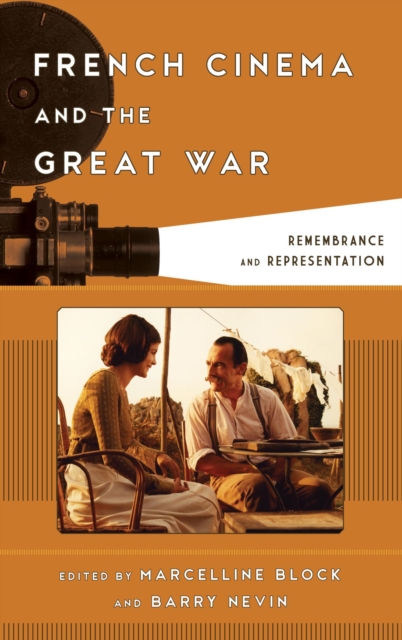
Even a century after its conclusion, the devastation of the Great War still echoes in the work of artists who try to make sense of the political, moral, ideological, and economic changes and challenges it spawned.
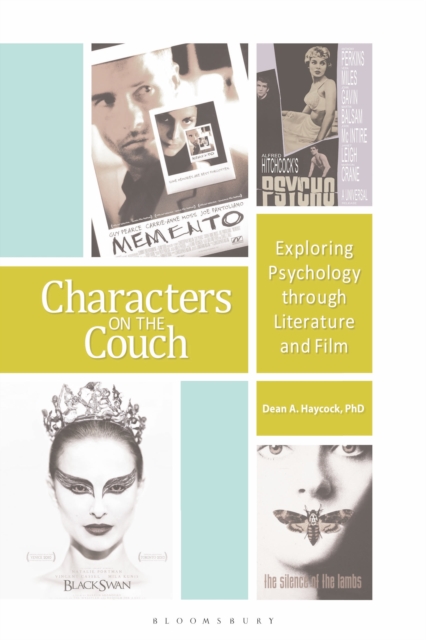
Providing intriguing insights for students, film buffs, and readers of various genres of fiction, this fascinating book delves into the psychology of 100 well-known fictional characters.
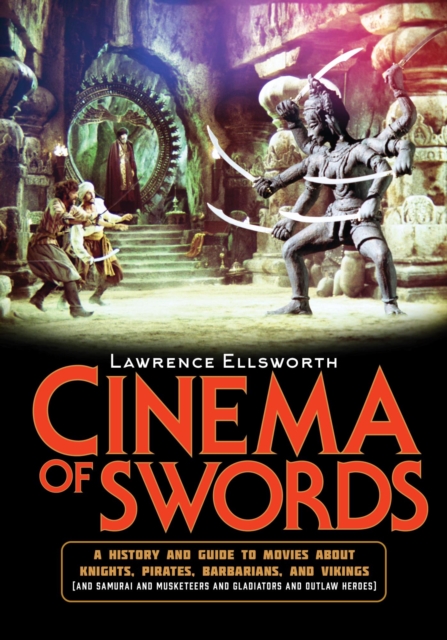
Cinema of Swords is a history, guide, and love letter to over four hundred movies and television shows featuring swashbucklers: knights, pirates, samurai, Vikings, gladiators, outlaw heroes like Zorro and Robin Hood, and anyone else who lives by the blade and solves their problems with the point of a sword.
Projecting 9/11 examines sensibilities and ideologies that arose after September 11, 2001, and how these intersect with issues of race, gender, sexuality, and citizenship in contemporary mainstream films.
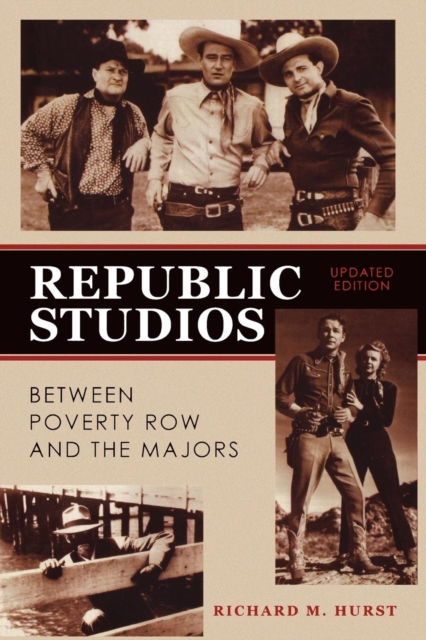
The Hollywood studios of the 1930s, '40s, and '50s were rarely concerned with film as an art form; this was especially true of those specializing in the B film.
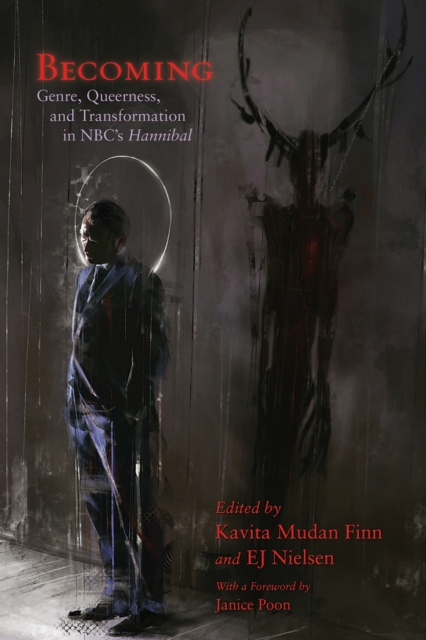
The NBC series Hannibal has garnered both critical and fan acclaim for its cinematic qualities, its complex characters, and its innovative reworking of Thomas Harris's mythology so well-known from Jonathan Demme's Silence of the Lambs (1991) and its variants.
German film is diverse and multi-faceted; its history includes five distinct German governments (Wilhelmine Germany, the Weimar Republic, the Third Reich, the Federal Republic of Germany, and the German Democratic Republic), two national industries (Germany and Austria), and a myriad of styles and production methods.
Dreamscapes in Italian Cinema explores different representations of dreams, visions, hallucinations, and hypnagogic states in Italian film culture, covering the works of some of the most significant auteurs in the history of Italian cinema (Fellini, Pasolini, Moretti, Bellocchio, among others).