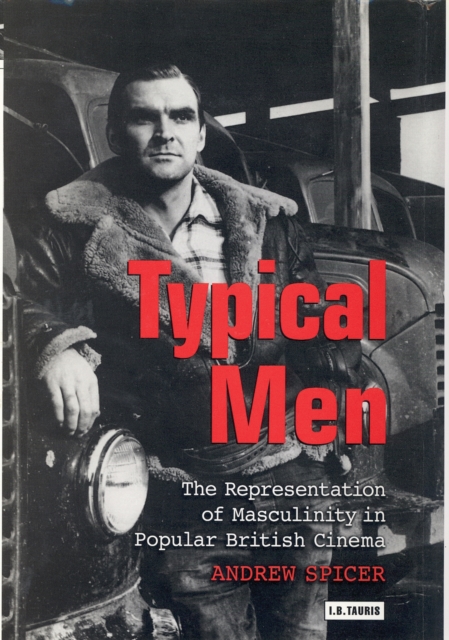
Typical Men is the first book length study of masculinity in British cinemaand offers a broad and lively overview from the Second World War to the present day.
Since its maiden voyage and sinking in April 1912, Titanic has become a monumental icon of the 20th century and has inspired a wealth of interpretations across literature, art and media.
Directed by Vasisli Pichul and released in 1988 "e;Little Vera"e; received the European Film Award for best screenplay as well as the special jury prize at Montreal.
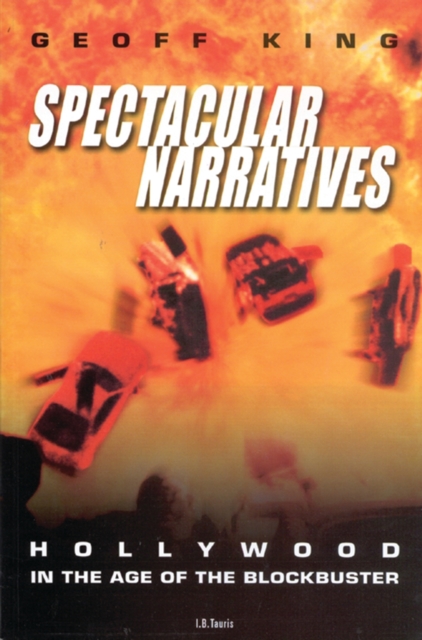
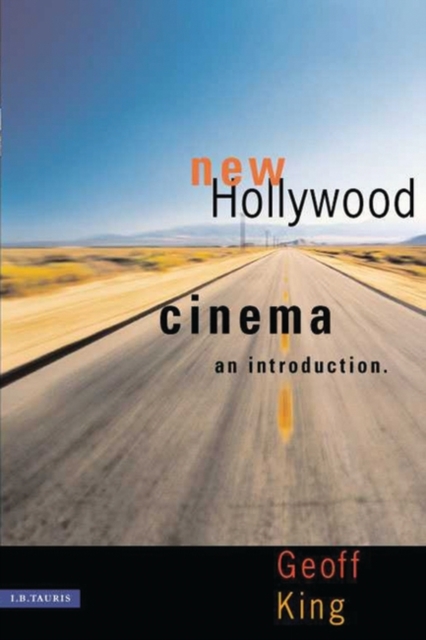
New Hollywood extends from the radical gestures of the 'Hollywood Renaissance' of the late 1960s and early 1970s to the current dominance of the corporate blockbuster.
Borrowing its title from Gregg Araki's 2005 film, in which the camera's contemplation of the male body encourages us to feel that body, and covering a broad span of subjects and films, "e;Mysterious Skin"e; offers a wider, more representative picture of the depiction of the male body in contemporary world cinemas than has hitherto been attempted.
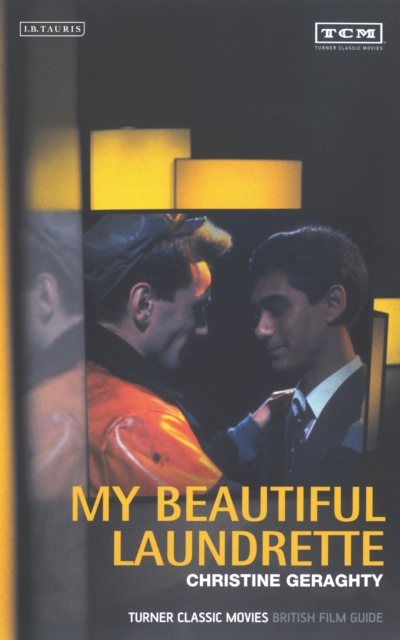
Described by Stuart Hall as 'one of the most riveting and important films produced by a black writer in recent years', My Beautiful Laundrette was a significant production for its director Stephen Frears and its writer Hanif Kureshi.
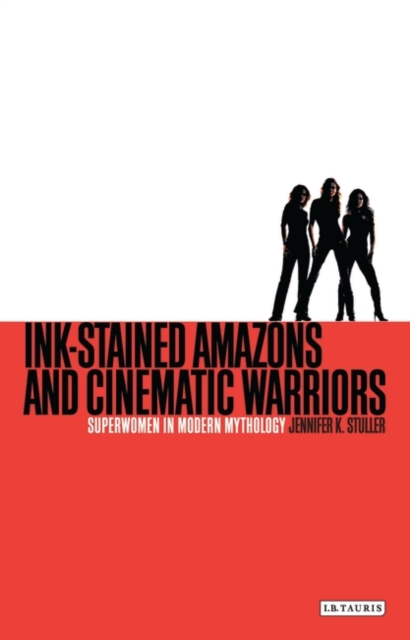
From "Wonder Woman" to Buffy Summers, Emma Peel to Sydney Bristow, "Charlie's Angels" to "The Powerpuff Girls", Superwomen are more than just love interests or sidekicks who stand by their Supermen.
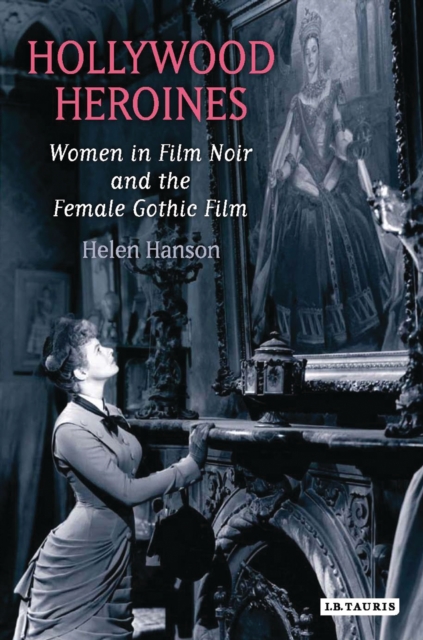
The endangered and dangerous female figures of "e;Rebecca"e;, of "e;Jagged Edge"e; and "e;What Lies Beneath"e; have a deserved and endures fascination.
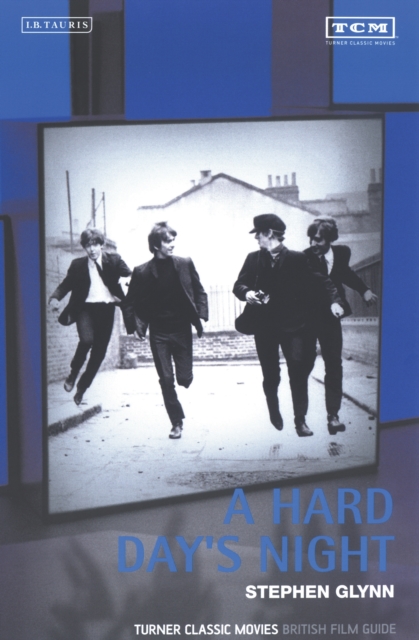
Dubbed 'the Citizen Kane of juke-box movies', voted among the top 100 British films of all time, accorded a high-profile release on DVD, A Hard Day's Night, the Beatles' film debut of 1964, has proven to be that rare event - an exploitation 'quickie' that has firmly entered the cultural canon.
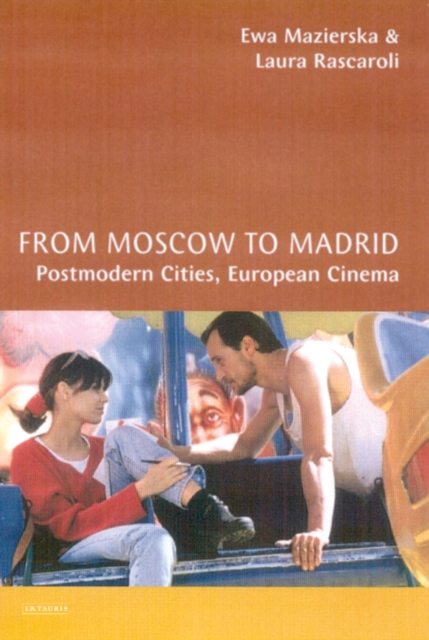
Travelling from Warsaw to Blackpool, Marseilles to Madrid, this lively and accessible book investigates the postmodern nature of contemporary Europe's urban life and cinema and shows how European films represent the cities across old and new Europe.
Written by a world expert in Science Fiction, From Alien to The Matrix is a hugely entertaining and enlightening read and a new critical approach to SF films that considers them as autonomous creations and contributions to the genre and to the broader culture.
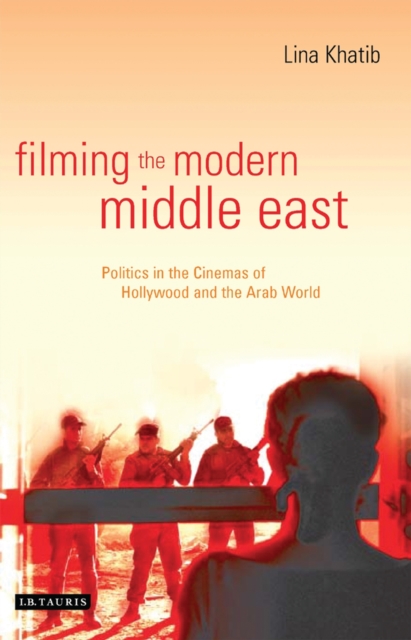
'Filming the Modern Middle East' is the first comparative investigation of how modern American cinema and the cinemas of the Arab world represent Middle Eastern politics to their audiences.
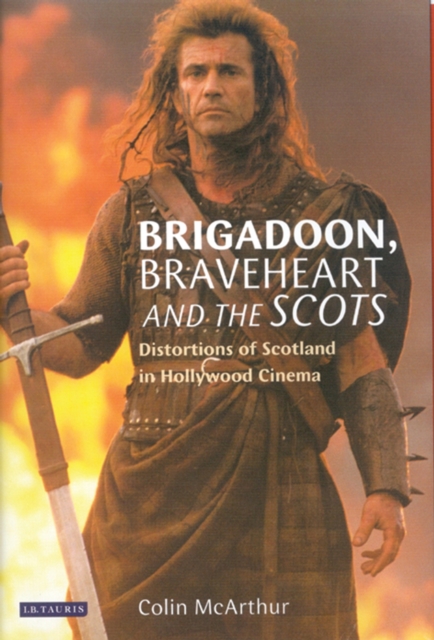
The films "e;Brigadoon"e; and "e;Braveheart"e; have an enormous resonance both for Scots throughout the world and the wide audience of non-Scots for whom such films provide general impressions of "e;Scottishness"e;.
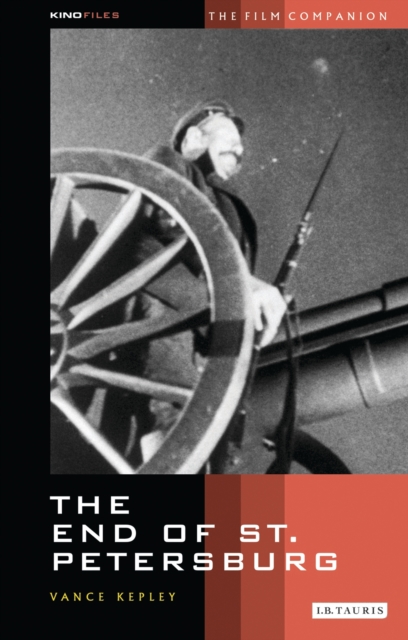
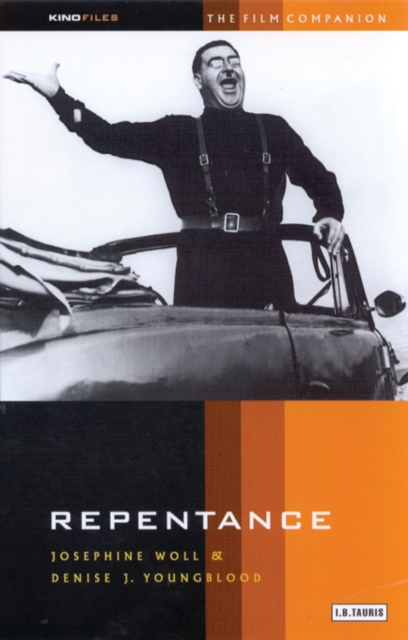
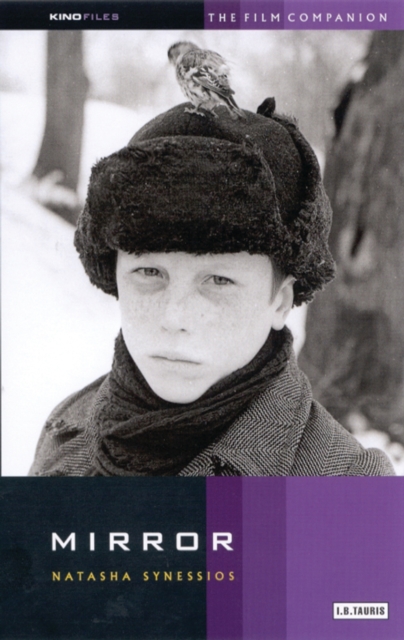
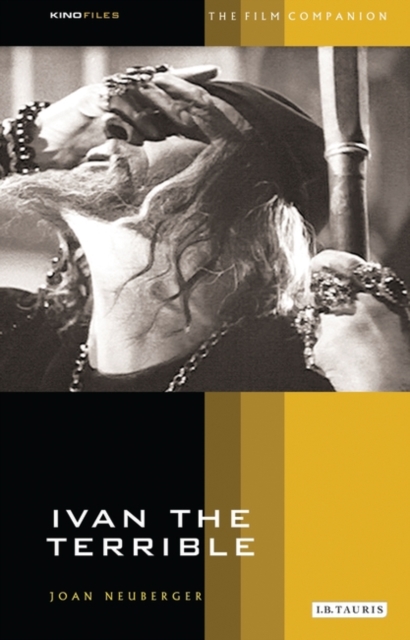
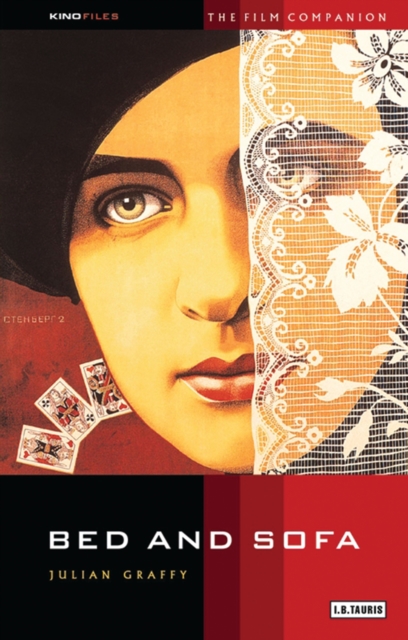
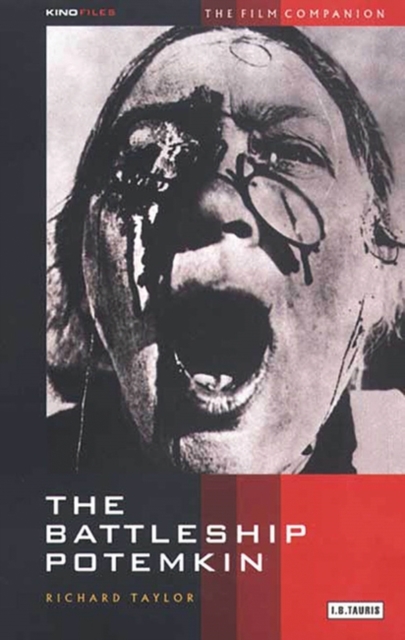
The KINO Russian Cinema series has been expanding to provide students and general readers with readable, companion handbooks to important and interesting films of Russian cinema from its beginnings to the late 1990s.
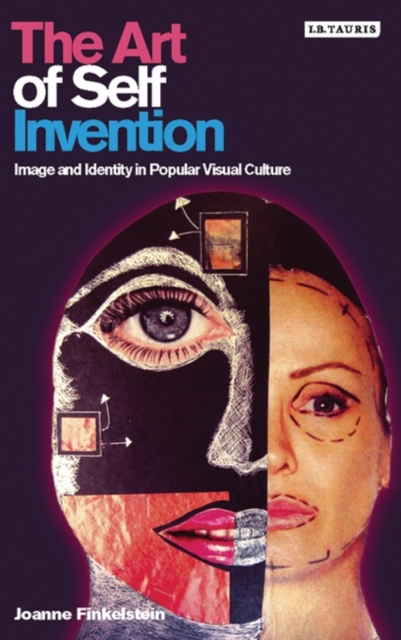
Both an exploration of the ways in which we fashion our public identity and a manual of modern sociability, this lively and readable book explores the techniques we use to present ourselves to the world: body language, tone of voice, manners, demeanour, 'personality' and personal style.
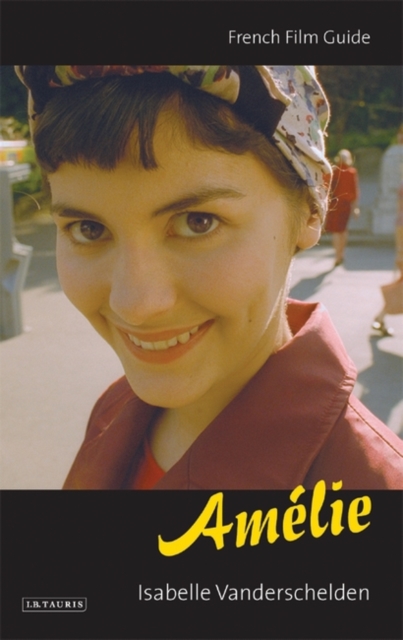
"Le Fabuleux destin d'Amelie Poulain" was the surprise boxoffice success of 2001, with nine million spectators in France, and more than 30 million worldwide.
African Documentary Cinema investigates the inception and trajectory of contemporary documentary filmmaking in sub-Saharan African countries and their diasporas.
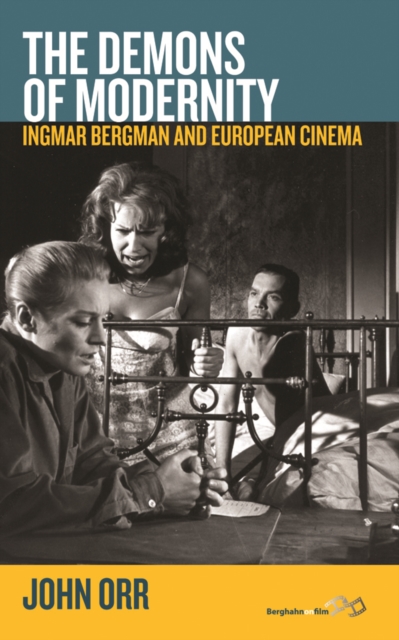
Ingmar Bergman s films had a very broad and rich relationship with the rest of European cinema, contrary to the myth that Bergman was a peripheral figure, culturally and aesthetically isolated from the rest of Europe.
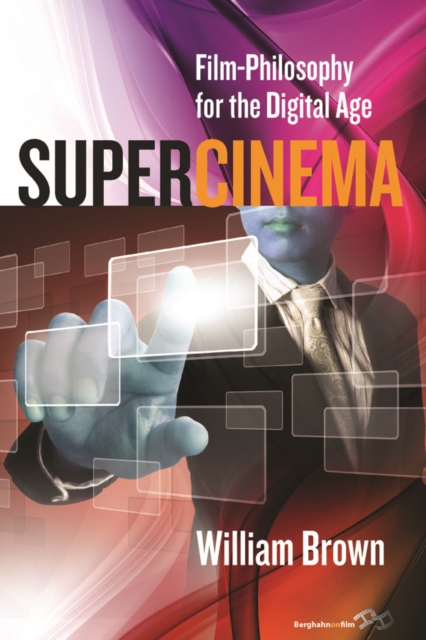
Drawing on a variety of popular films, including Avatar, Enter the Void, Fight Club, The Matrix, Speed Racer, X-Men and War of the Worlds, Supercinema studies the ways in which digital special effects and editing techniques require a new theoretical framework in order to be properly understood.
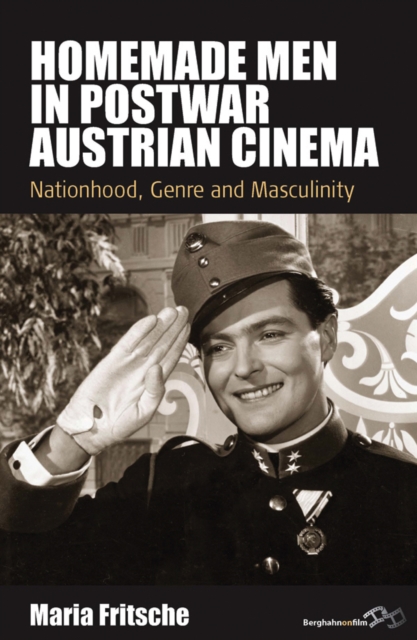
Despite the massive influx of Hollywood movies and films from other European countries after World War II, Austrian film continued to be hugely popular with Austrian and German audiences.
The interconnections between histories and memories of the Holocaust, colonialism and extreme violence in post-war French and Francophone fiction and film provide the central focus of this book.
In the last five years of the twentieth century, films by the second and third generation of the so-called German guest workers exploded onto the German film landscape.
Scholarly approaches to the relationship between literature and film, ranging from the traditional focus upon fidelity to more recent issues of intertextuality, all contain a significant blind spot: a lack of theoretical and methodological attention to adaptation as an historical and transnational phenomenon.
Simone de Beauvoir s work has not often been associated with film studies, which appears paradoxical when it is recognized that she was the first feminist thinker to inaugurate the concept of the gendered othering gaze.
Existing critical traditions fail to fully account for the impact of Austrian director, and 2009 Cannes Palm d'Or winner, Michael Haneke s films, situated as they are between intellectual projects and popular entertainments.
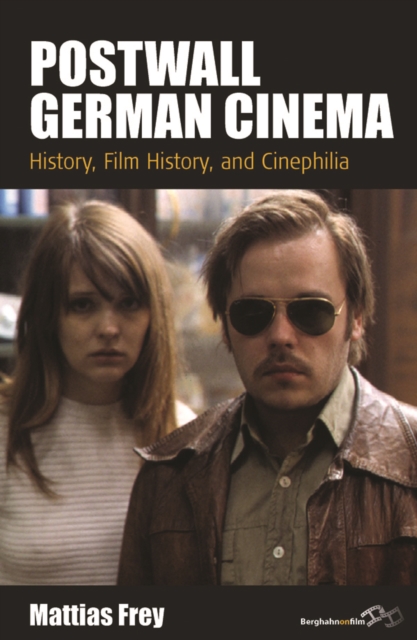
The demise of the New German Cinema and the return of popular cinema since the 1990s have led to a renewed interest in the postwar years and the complicated relationship between East and West German cinema in particular.