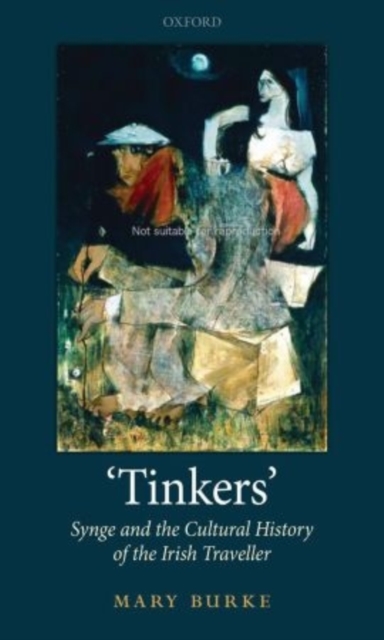
The history of Irish Travellers is not analogous to that of the 'tinker', a Europe-wide underworld fantasy created by sixteenth-century British and continental Rogue Literature that came to be seen as an Irish character alone as English became dominant in Ireland.
In this definitive and long-awaited history of 1950s British cinema, Sue Harper and Vincent Porter draw extensively on previously unknown archive material to chart the growing rejection of post-war deference by both film-makers and cinema audiences.
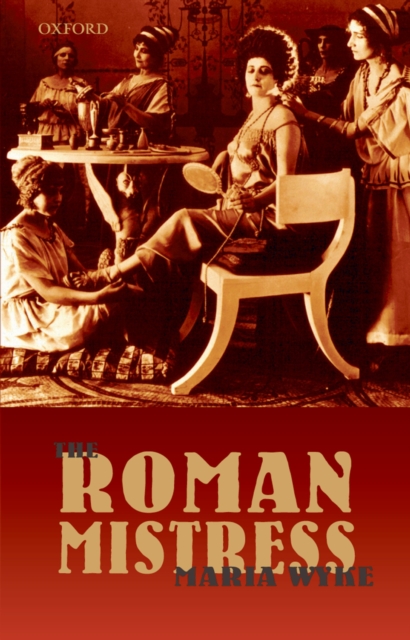
From Latin love poetry's dominating and enslaving beloveds, to modern popular culture's infamous Cleopatras and Messalinas, representations of the Roman mistress (or the mistress of Romans) have brought into question both ancient and modern genders and political systems.
Six decades after the defeat of National Socialism, commemoration and mourning are ongoing, open-ended projects in Germany and Austria, and continue to generate a steady stream of literature and film about the Nazi past that, while comparatively modest in volume, is often disproportionately influential in public debates.
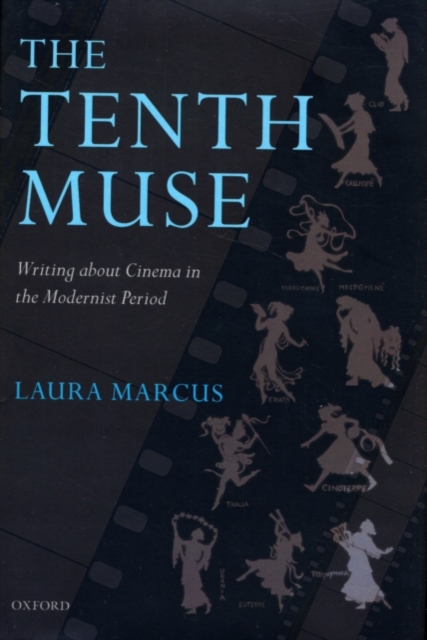
From its humble beginnings as a novelty in a handful of cities, cinema has risen to become a billion- dollar industry and the most spectacular and original contemporary art form.
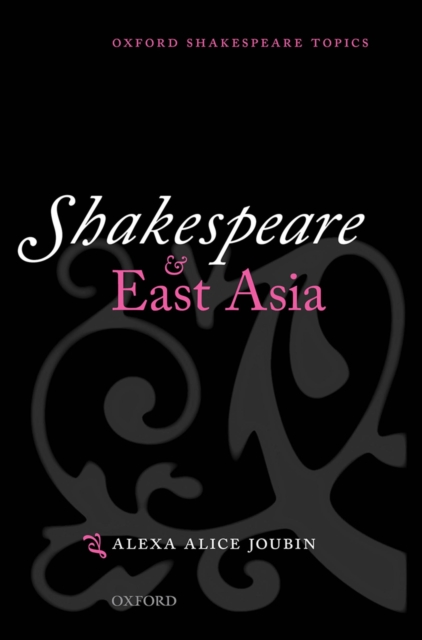
Structured around modes in which one might encounter Asian-themed performances and adaptations, Shakespeare and East Asia identifies four themes that distinguish post-1950s East Asian cinemas and theatres from works in other parts of the world: Japanese formalistic innovations in sound and spectacle; reparative adaptations from China, Taiwan, and Hong Kong; the politics of gender and reception of films and touring productions in South Korea and the UK; and multilingual, diaspora works in Singapore and the UK.
Structured around modes in which one might encounter Asian-themed performances and adaptations, Shakespeare and East Asia identifies four themes that distinguish post-1950s East Asian cinemas and theatres from works in other parts of the world: Japanese formalistic innovations in sound and spectacle; reparative adaptations from China, Taiwan, and Hong Kong; the politics of gender and reception of films and touring productions in South Korea and the UK; and multilingual, diaspora works in Singapore and the UK.
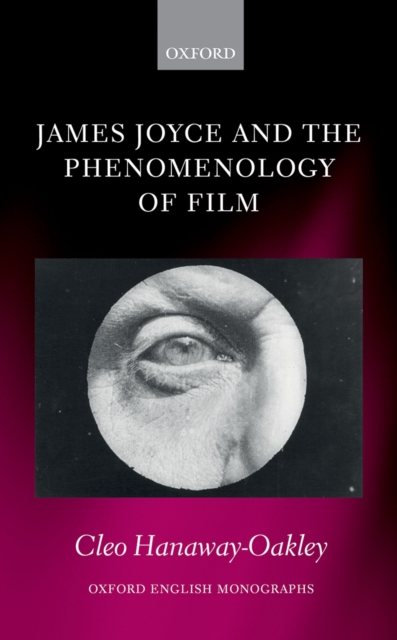
James Joyce and the Phenomenology of Film reappraises the lines of influence said to exist between Joyce's writing and early cinema and provides an alternative to previous psychoanalytic readings of Joyce and film.
An emerging interest in a British East and Southeast Asian identity after decades of political and social exclusion has coincided with periods of economic and political challenges in the UK.
An emerging interest in a British East and Southeast Asian identity after decades of political and social exclusion has coincided with periods of economic and political challenges in the UK.
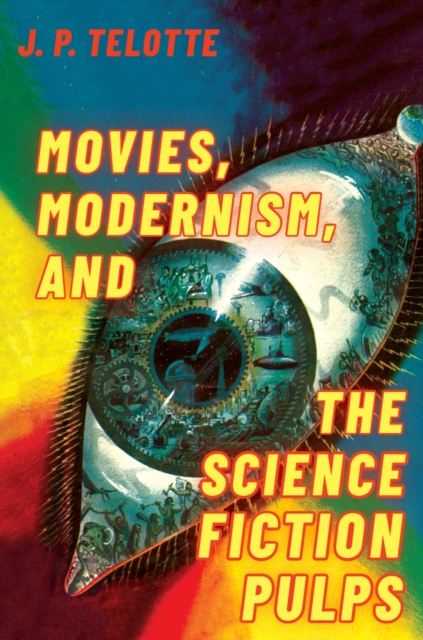
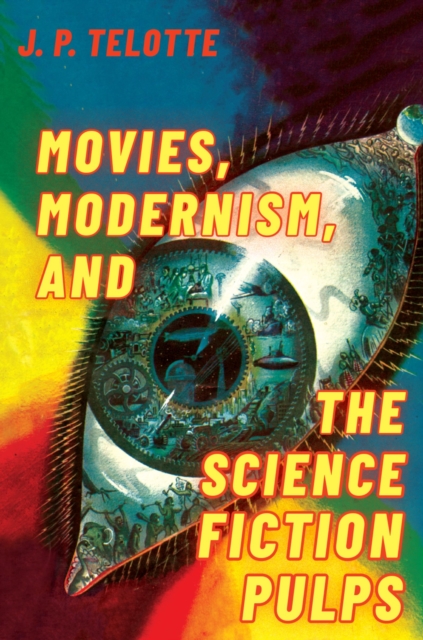
What impact did the new art of film have on the development of another new art, the emerging science fiction genre, during the pre- and early post-World War II era?
What impact did the new art of film have on the development of another new art, the emerging science fiction genre, during the pre- and early post-World War II era?
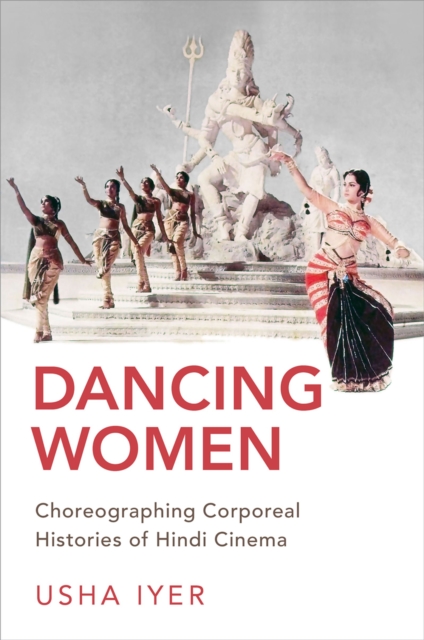
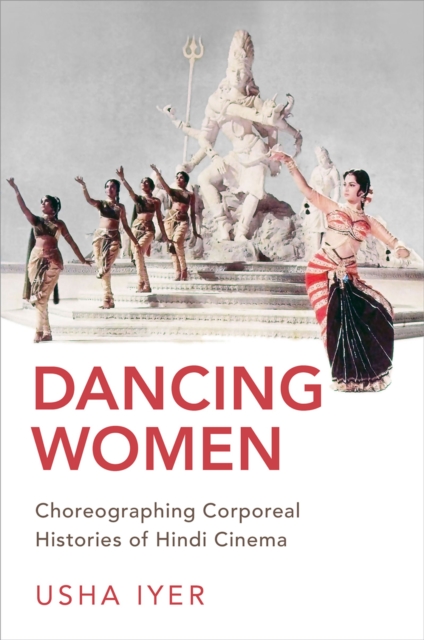
Dancing Women: Choreographing Corporeal Histories of Hindi Cinema, an ambitious study of two of South Asia's most popular cultural forms - cinema and dance - historicizes and theorizes the material and cultural production of film dance, a staple attraction of popular Hindi cinema.
Dancing Women: Choreographing Corporeal Histories of Hindi Cinema, an ambitious study of two of South Asia's most popular cultural forms - cinema and dance - historicizes and theorizes the material and cultural production of film dance, a staple attraction of popular Hindi cinema.
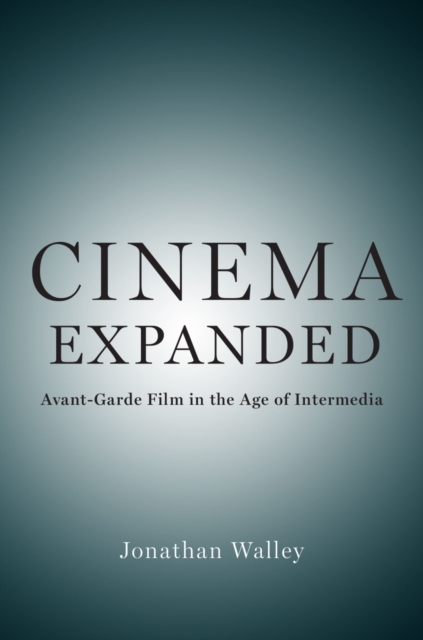
Expanded cinema: avant-garde moving image works that claim new territory for the cinematic, beyond the bounds of familiar filmmaking practices and the traditional theatrical exhibition space.
Expanded cinema: avant-garde moving image works that claim new territory for the cinematic, beyond the bounds of familiar filmmaking practices and the traditional theatrical exhibition space.
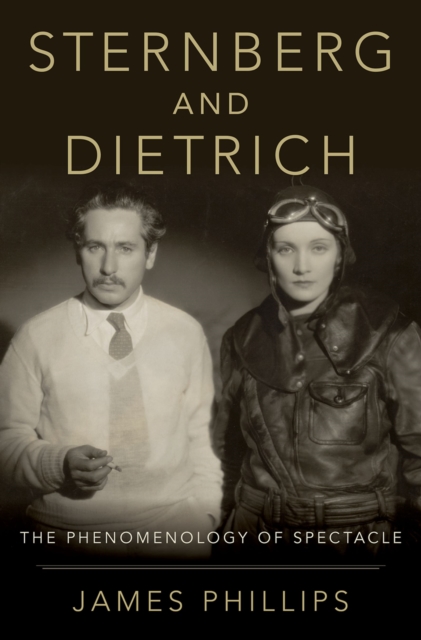
James Phillips's Sternberg and Dietrich: The Phenomenology of Spectacle reappraises the cinematic collaboration between the Austrian-American filmmaker Josef von Sternberg (1894-1969) and the German-American actor Marlene Dietrich (1901-92).
James Phillips's Sternberg and Dietrich: The Phenomenology of Spectacle reappraises the cinematic collaboration between the Austrian-American filmmaker Josef von Sternberg (1894-1969) and the German-American actor Marlene Dietrich (1901-92).
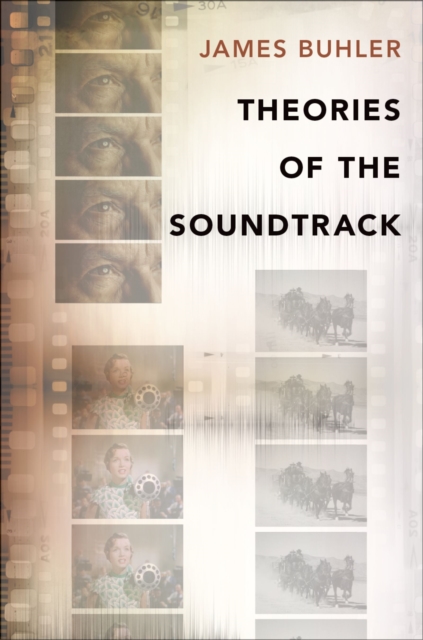
A theory of the soundtrack is concerned with what belongs to the soundtrack, how a soundtrack is effectively organized, how its status in a multimedia object affects the nature of the object, the tools available for its analysis, and the interpretive regime that the theory mandates for determining the meaning, sense, and structure that sound and music bring to film and other audiovisual media.
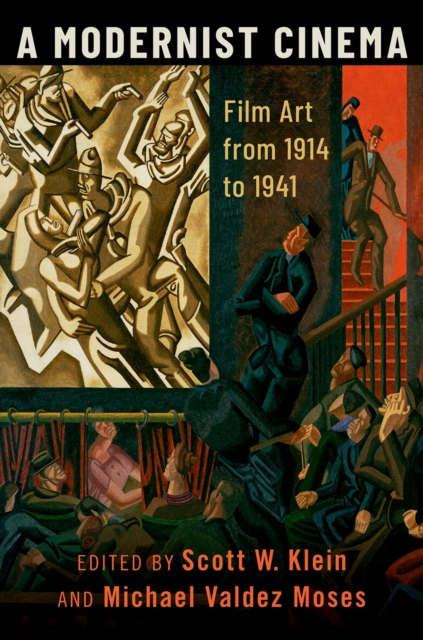
In A Modernist Cinema, sixteen distinguished scholars in the field of the New Modernist Studies explore the interrelationships among modernism, cinema, and modernity.
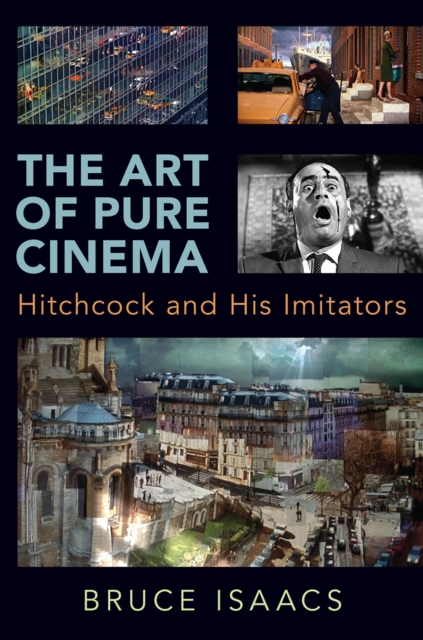
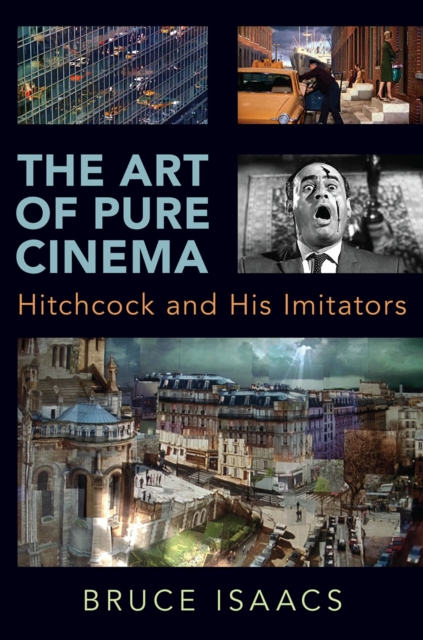
In a now-famous interview with Francois Truffaut in 1962, Alfred Hitchcock described his masterpiece Rear Window (1954) as "e;the purest expression of a cinematic idea.
In a now-famous interview with Francois Truffaut in 1962, Alfred Hitchcock described his masterpiece Rear Window (1954) as "e;the purest expression of a cinematic idea.
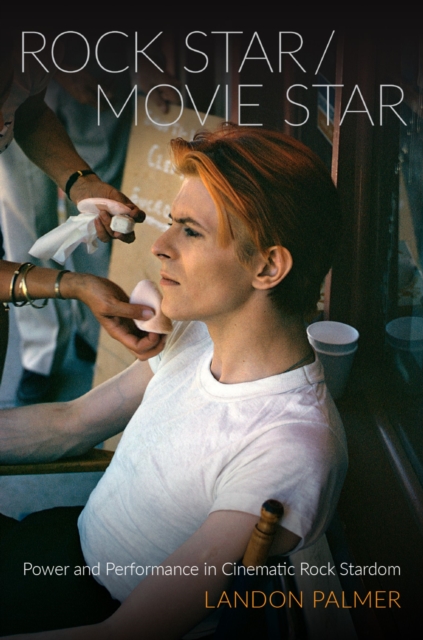
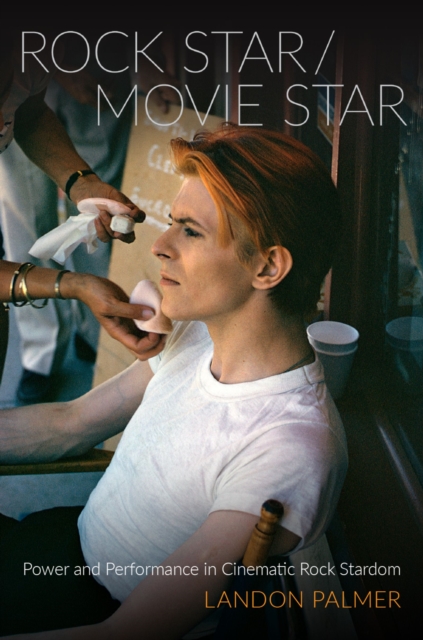
During the mid-1950s, when Hollywood found itself struggling to compete within an expanding entertainment media landscape, certain producers and studios saw an opportunity in making films that showcased performances by rock 'n' roll stars.
During the mid-1950s, when Hollywood found itself struggling to compete within an expanding entertainment media landscape, certain producers and studios saw an opportunity in making films that showcased performances by rock 'n' roll stars.
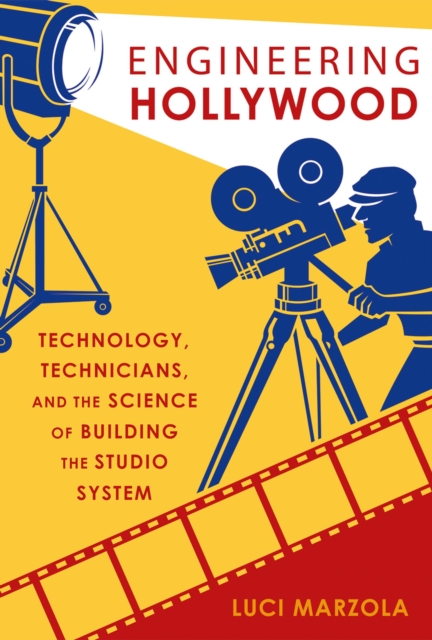
Engineering Hollywood tells the story of the formation of the Hollywood studio system not as the product of a genius producer, but as an industry that brought together creative practices and myriad cutting-edge technologies in ways that had never been seen before.