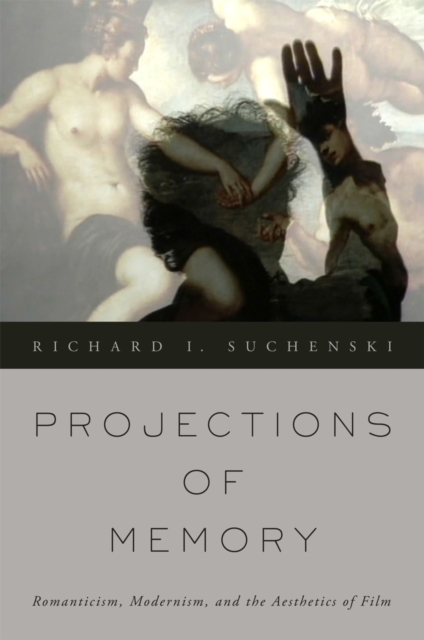
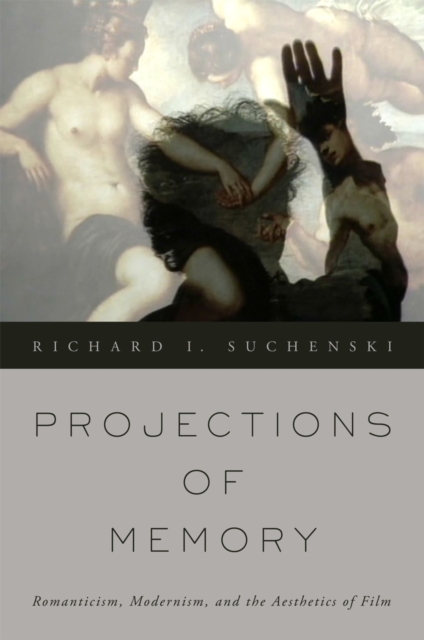
Projections of Memory is an exploration of a body of innovative cinematic works that utilize their extraordinary scope to construct monuments to the imagination that promise profound transformations of vision, selfhood, and experience.
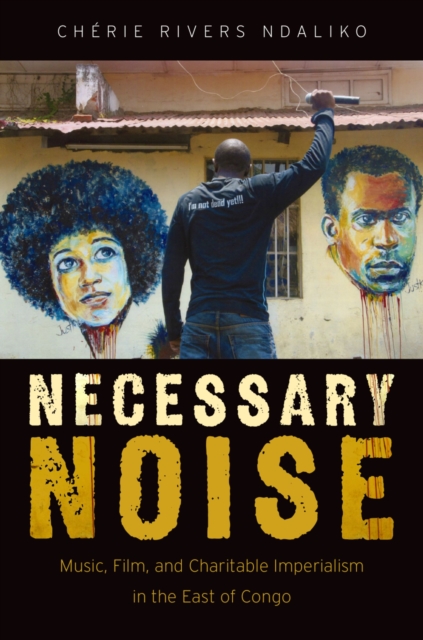
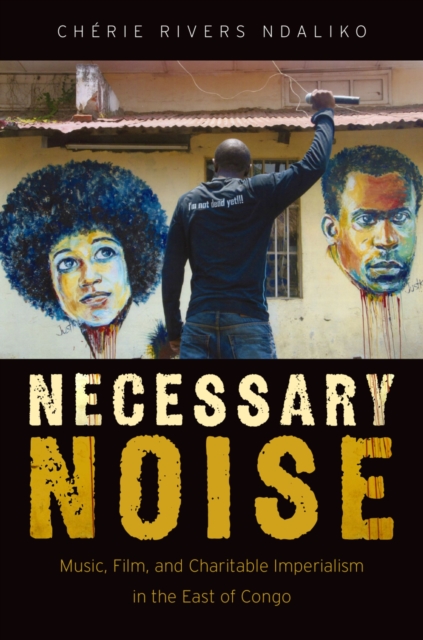
Since 1997, the war in the east of the Democratic Republic of the Congo has taken more than 6 million lives and shapes the daily existence of the nation's residents.
Since 1997, the war in the east of the Democratic Republic of the Congo has taken more than 6 million lives and shapes the daily existence of the nation's residents.
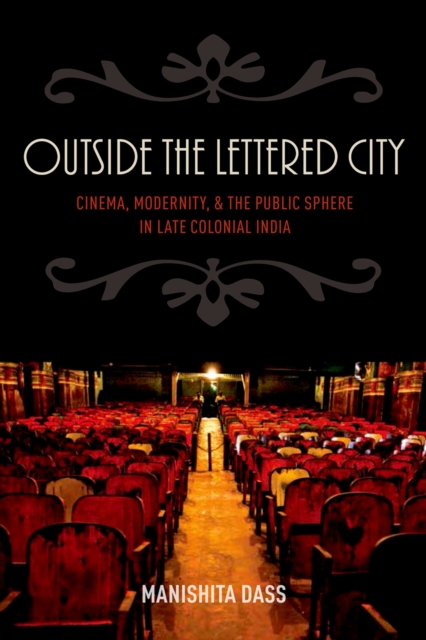
Outside the Lettered City traces how middle-class Indians responded to the rise of the cinema as a popular form of mass entertainment in early 20th century India, focusing on their preoccupation with the mass public made visible by the cinema and with the cinema's role as a public sphere and a mass medium of modernity.
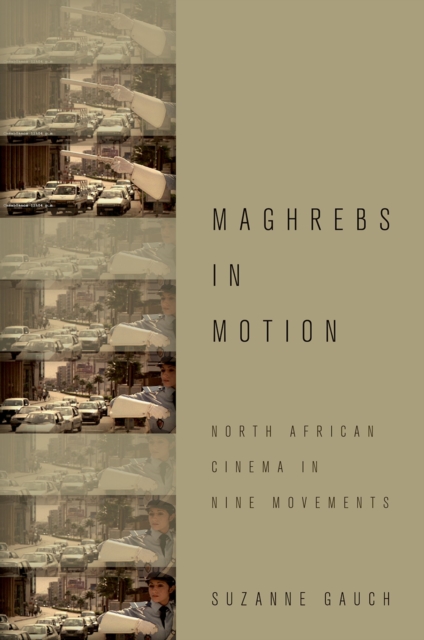
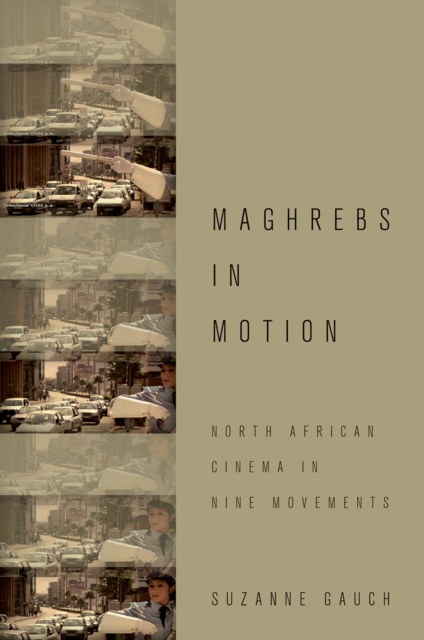
Exploring films made in Tunisia, Morocco, and Algeria from 1985 to 2009, Suzanne Gauch illustrates how late post-independence and early twenty-first century North African cinema prefigured many of the transformations in perception and relation that stunned both participants and onlookers during the remarkable uprisings of the 2011 Arab Spring.
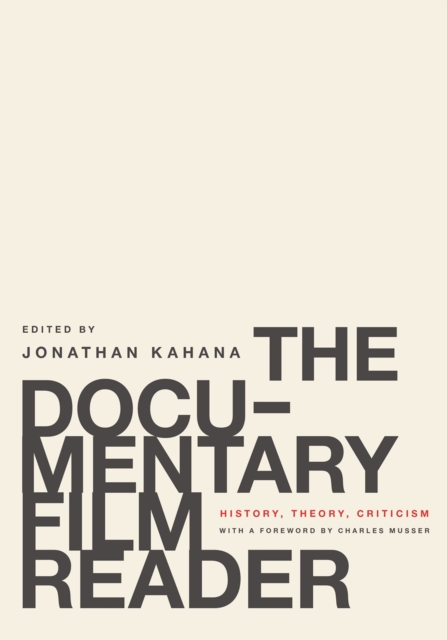
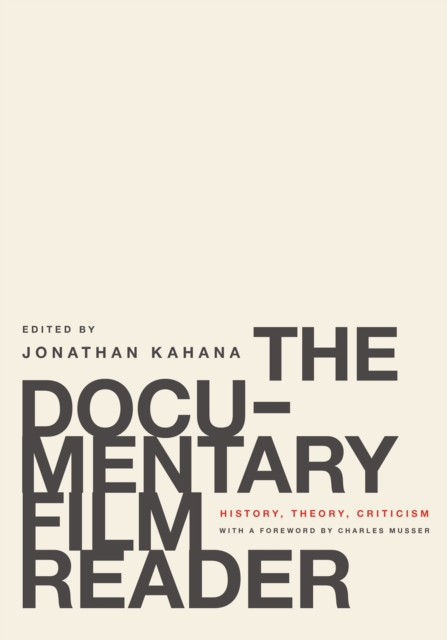
Bringing together an expansive range of writing by scholars, critics, historians, and filmmakers, The Documentary Film Reader presents an international perspective on the most significant developments and debates from several decades of critical writing about documentary.
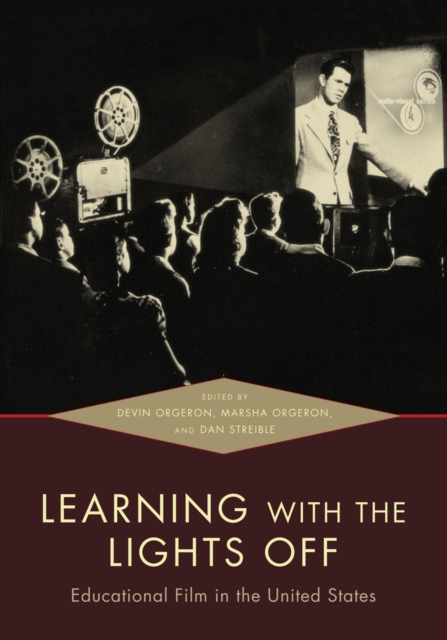
A vastly influential form of filmmaking seen by millions of people, educational films provide a catalog of twentieth century preoccupations and values.
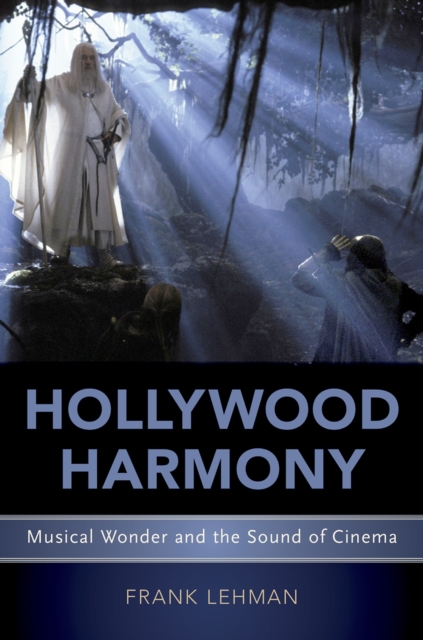
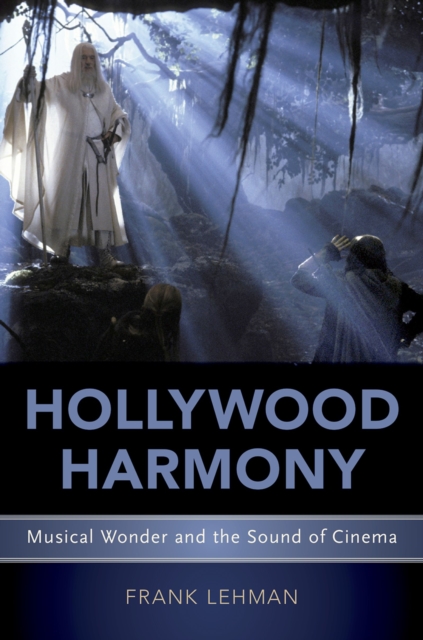
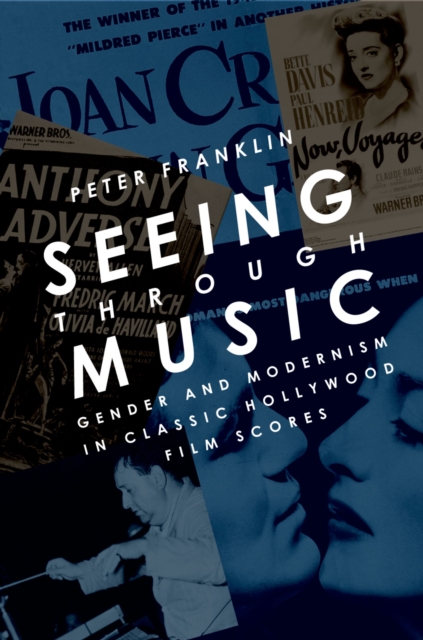
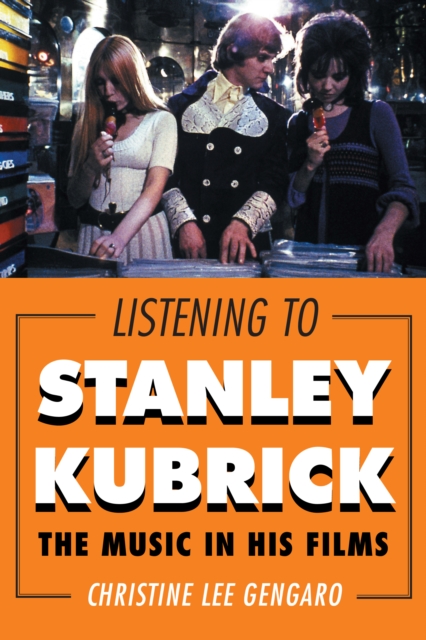
Hollywood film music is often mocked as a disreputably 'applied' branch of the art of composition that lacks both the seriousness and the quality of the classical or late-romantic concert and operatic music from which it derives.
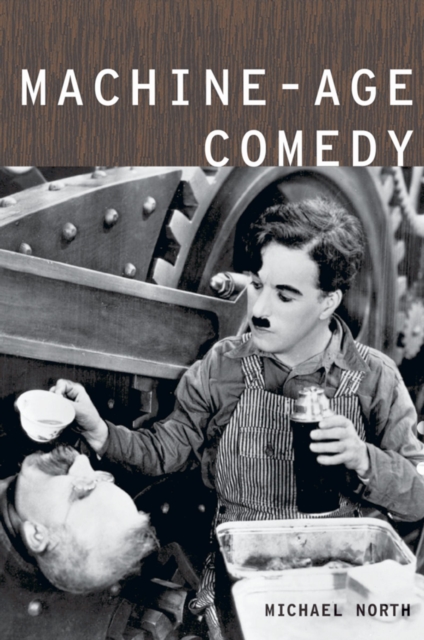
In this latest addition to Oxford's Modernist Literature & Culture series, renowned modernist scholar Michael North poses fundamental questions about the relationship between modernity and comic form in film, animation, the visual arts, and literature.
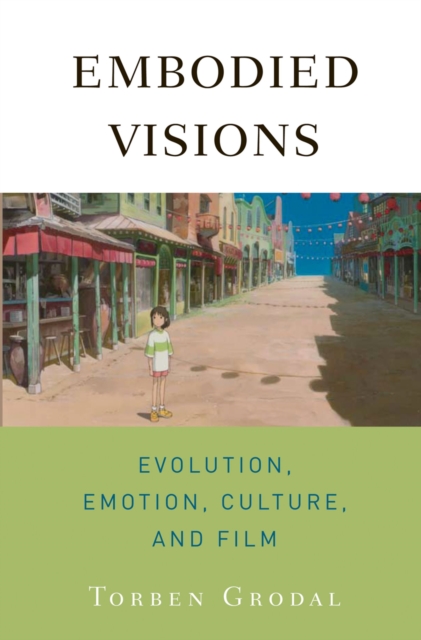
Embodied Visions presents a groundbreaking analysis of film through the lens of bioculturalism, revealing how human biology as well as human culture determine how films are made and experienced.
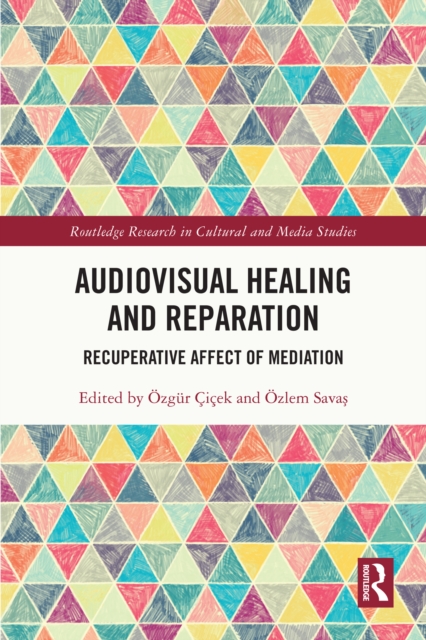
Audiovisual Healing and Reparation gathers a collection of scholarly and creative voices that explore how audiovisual media can serve as a catalyst for healing, reparation, resilience, care and hope.
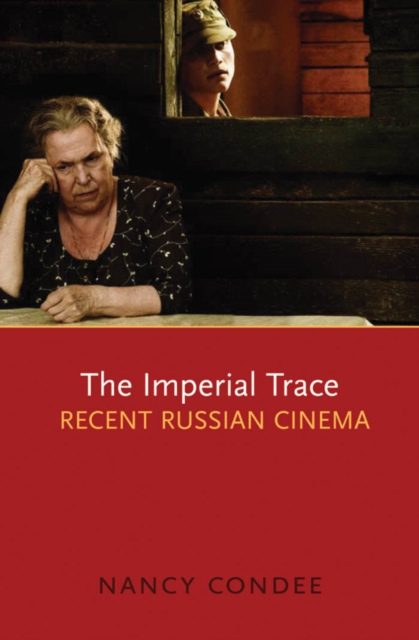
The collapse of the USSR seemed to spell the end of the empire, yet it by no means foreclosed on Russia's enduring imperial preoccupations, which had extended from the reign of Ivan IV over four and a half centuries.
In a culture increasingly focused on visual media, students have learned not only to embrace multimedia presentations in the classroom, but to expect them.
Although female communication networks abound in many contexts and have received a good measure of critical scrutiny, no study has addressed their unique significance within narrative culture writ large.
Sitney analyzes in detail the work of eleven American avant-garde filmmakers as heirs to the aesthetics of exhilaration and innovative vision articulated by Ralph Waldo Emerson and explored by John Cage, Charles Olson and Gertrude Stein.
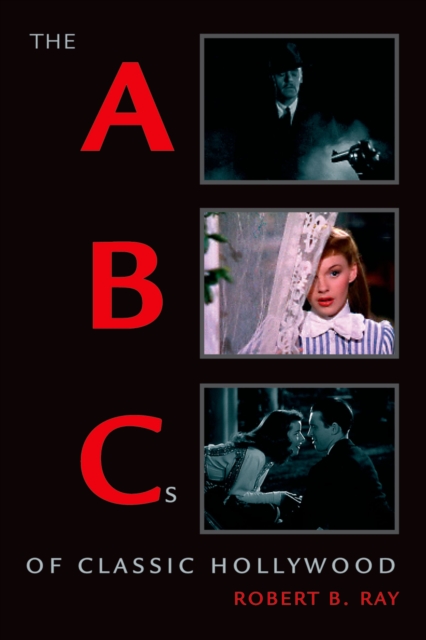
Speaking about the kind of filmmaking now known as Classic Hollywood, the most popular and influential cinema ever invented, Vincente Minnelli once gave away its secret: "e;I feel that a picture that stays with you is made up of a hundred or more hidden things.
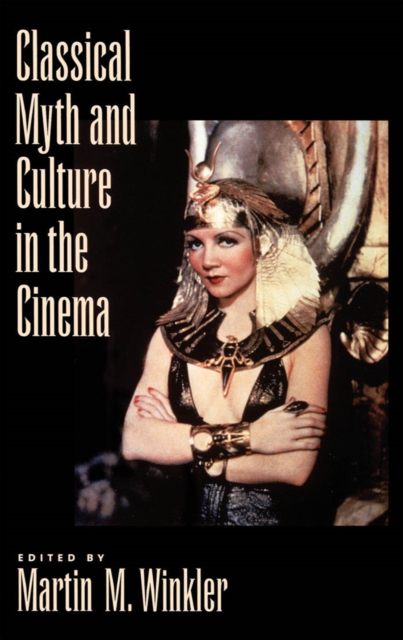
Classical Myth and Culture in the Cinema is a collection of essays presenting a variety of approaches to films set in ancient Greece and Rome and to films that reflect archetypal features of classical literature.
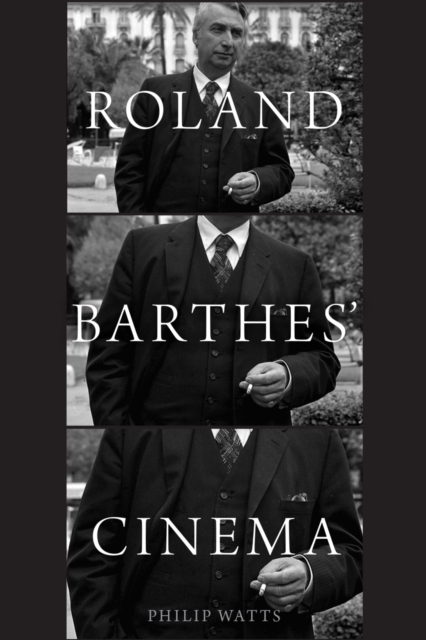
The most famous name in French literary circles from the late 1950s till his death in 1981, Roland Barthes maintained a contradictory rapport with the cinema.
Projections of Memory is an exploration of a body of innovative cinematic works that utilize their extraordinary scope to construct monuments to the imagination that promise profound transformations of vision, selfhood, and experience.
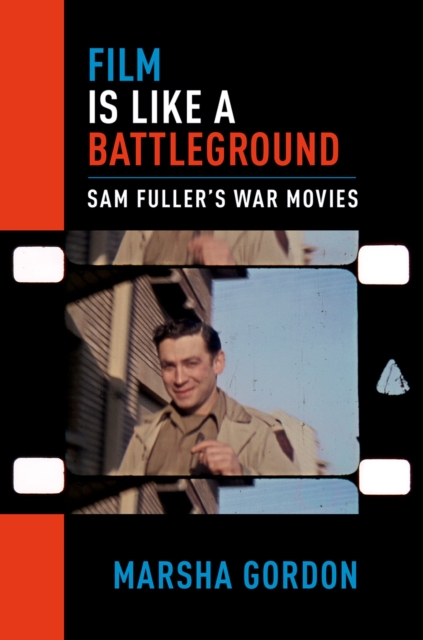
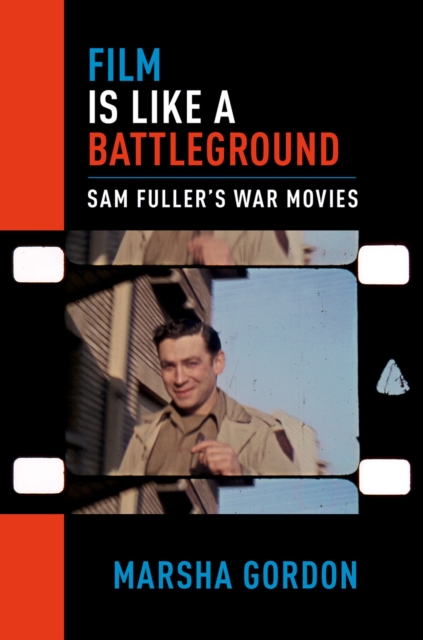
Film is Like a Battleground: Sam Fuller's War Movies is the first book to focus on the genre that best defined the American director's career: the war film.
Film is Like a Battleground: Sam Fuller's War Movies is the first book to focus on the genre that best defined the American director's career: the war film.
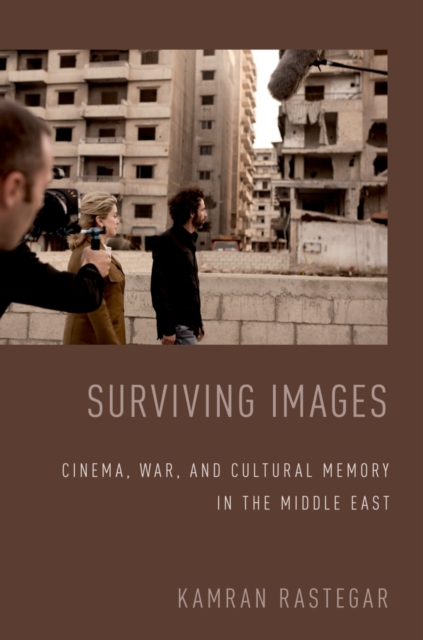
Surviving Images explores the prominent role of cinema in the development of cultural memory around war and conflict in colonial and postcolonial contexts.
Exploring films made in Tunisia, Morocco, and Algeria from 1985 to 2009, Suzanne Gauch illustrates how late post-independence and early twenty-first century North African cinema prefigured many of the transformations in perception and relation that stunned both participants and onlookers during the remarkable uprisings of the 2011 Arab Spring.
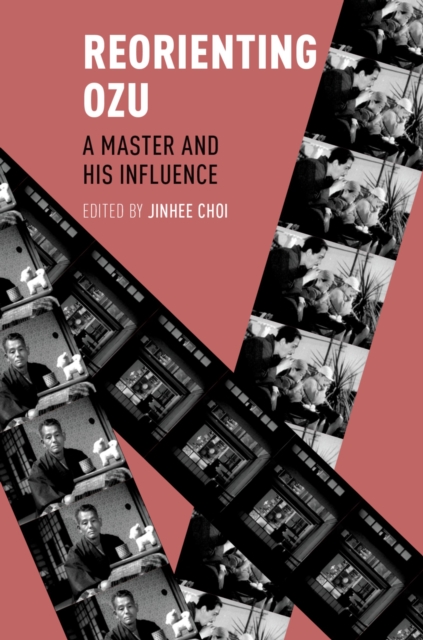
Considered by many film critics and scholars as a master of Japanese Cinema, director Ozu Yasujiro still inspires filmmakers both within and outside of Japan.
Real Sex Films explores one of the most controversial movements in international cinema through an innovative interdisciplinary combination of theories of globalization and embodiment.
Real Sex Films explores one of the most controversial movements in international cinema through an innovative interdisciplinary combination of theories of globalization and embodiment.
This book offers a novel understanding of the epistemological strategies that are mobilized by the essay film, and of where and how such strategies operate.
Bringing together an expansive range of writing by scholars, critics, historians, and filmmakers, The Documentary Film Reader presents an international perspective on the most significant developments and debates from several decades of critical writing about documentary.
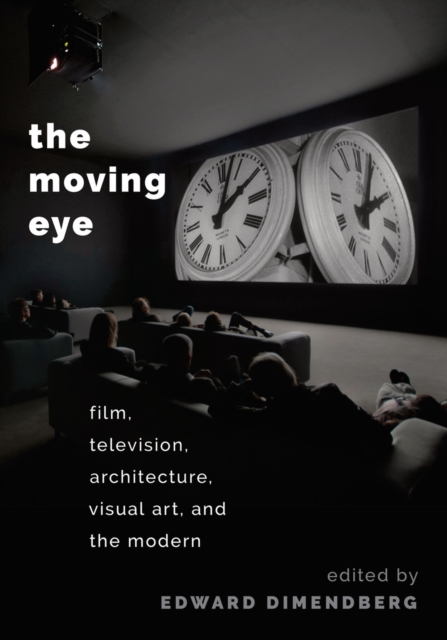
Once the province of film and media scholars, today the moving image is of broad concern to historians of art and architecture and designers of everything from websites to cities.
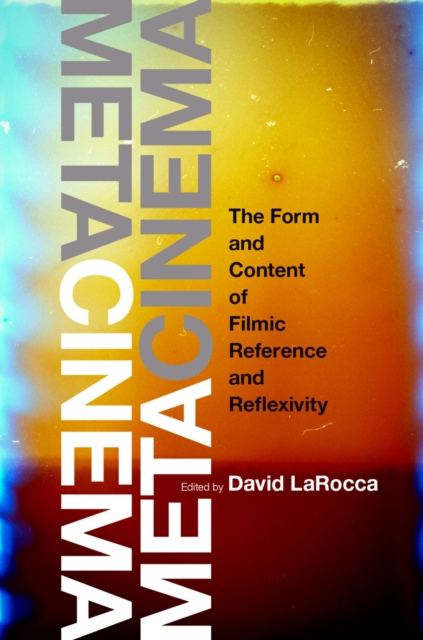
When a work of art shows an interest in its own status as a work of art-either by reference to itself or to other works-we have become accustomed to calling this move "e;meta.
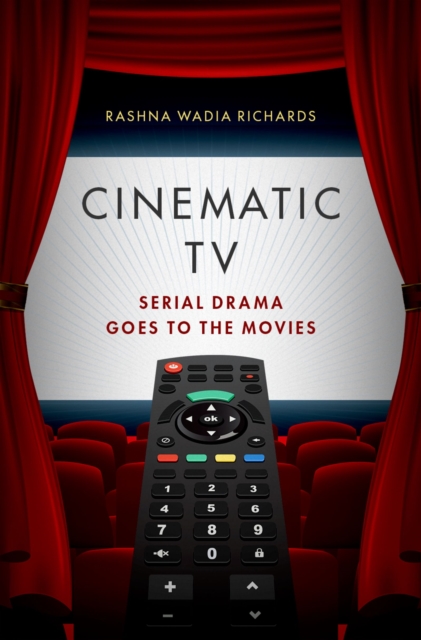
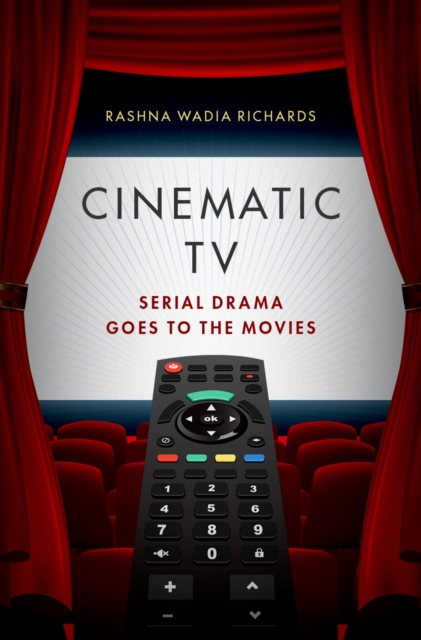
For decades after its invention, television was considered by many to be culturally deficient when compared to cinema, as analyses rooted in communication studies and the social sciences tended to focus primarily on television's negative impact on consumers.
For decades after its invention, television was considered by many to be culturally deficient when compared to cinema, as analyses rooted in communication studies and the social sciences tended to focus primarily on television's negative impact on consumers.
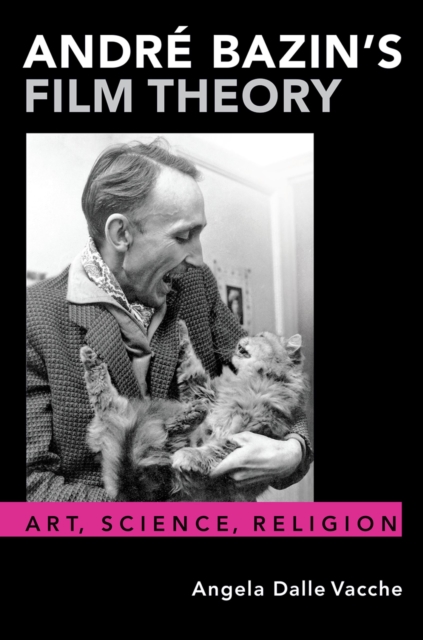
Through metaphors and allusions to art, science, and religion, Andre Bazin's writings on the cinema explore a simple yet profound question: what is a human?
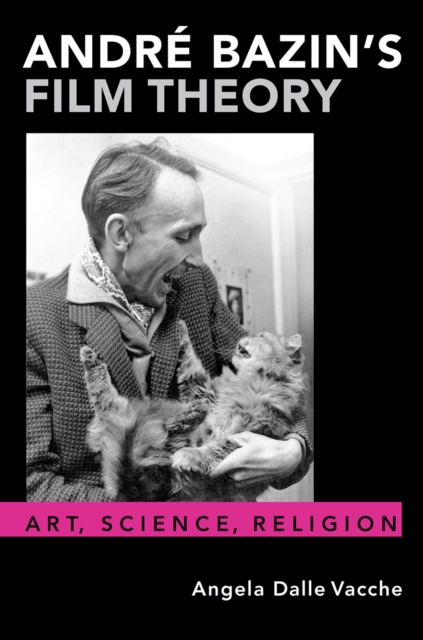
Through metaphors and allusions to art, science, and religion, Andre Bazin's writings on the cinema explore a simple yet profound question: what is a human?
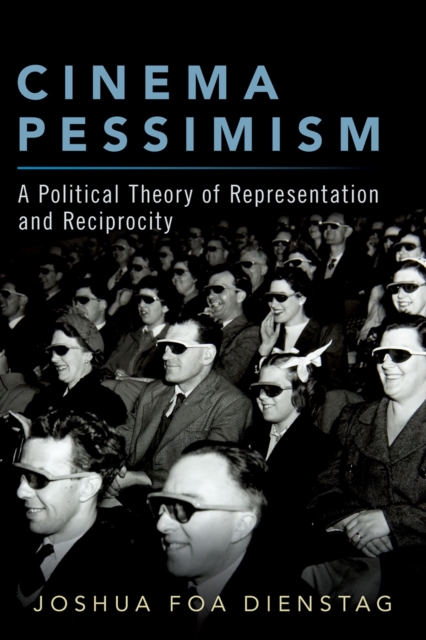
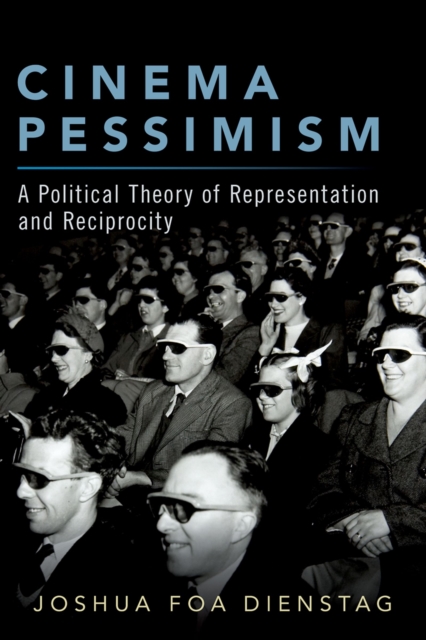
Aesthetic and political representation are often treated separately, but this book argues that film offers a unique perspective through which to understand the dangers to equality and freedom that lurk in representative politics.
Aesthetic and political representation are often treated separately, but this book argues that film offers a unique perspective through which to understand the dangers to equality and freedom that lurk in representative politics.
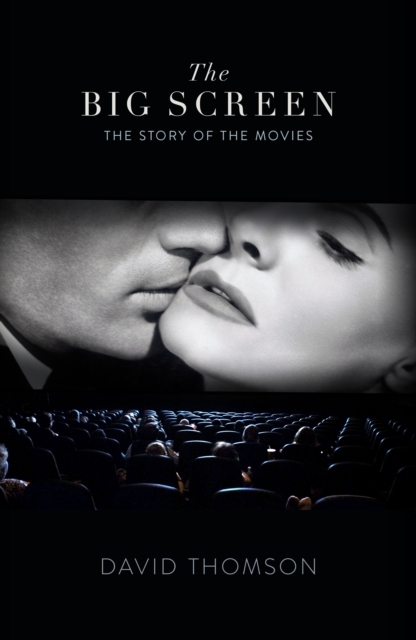
In this triumphant work David Thomson, one of film's greatest living experts and author of The New Biographical Dictionary of Film, tells the enthralling story of the movies and how they have shaped us.