This book investigates the internationalization of Chinese culture in recent decades and the global dimensions of Chinese culture from comparative and interdisciplinary perspectives.
This book investigates the internationalization of Chinese culture in recent decades and the global dimensions of Chinese culture from comparative and interdisciplinary perspectives.
This book offers a new perspective on the renowned filmmaking duo The Archers - Michael Powell and Emeric Pressburger - through its examination of their engagement with history and its representation on screen.
This book offers a new perspective on the renowned filmmaking duo The Archers - Michael Powell and Emeric Pressburger - through its examination of their engagement with history and its representation on screen.
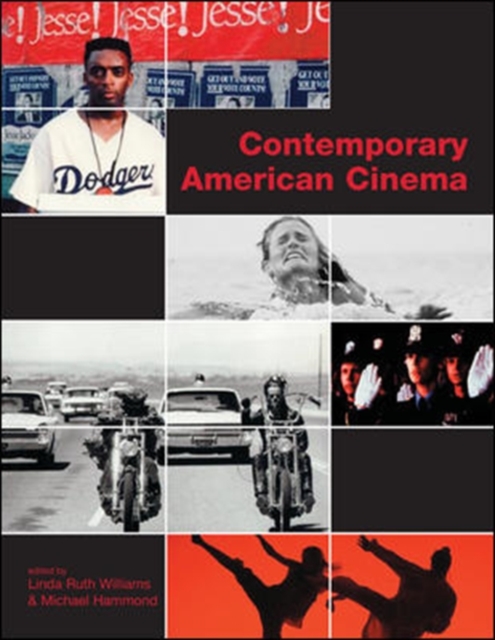
One of the rare collections I would recommend for use in undergraduate teaching the chapters are lucid without being oversimplified and the contributors are adept at analyzing the key industrial, technological and ideological features of contemporary U.
Since 1957, Sidney Lumet, the most prolific American director of his generation, has deepened audiences' awareness of social, ethical, and feminist issues through such distinguished films as 12 Angry Men, The Verdict, Running on Empty, and Critical Care.
Die Konjunktur des Politischen in neueren Kinofilmen und Fernsehserien ist mit tradierten Oppositionen – wie der von Inhalt und Form – nicht mehr zu beschreiben.
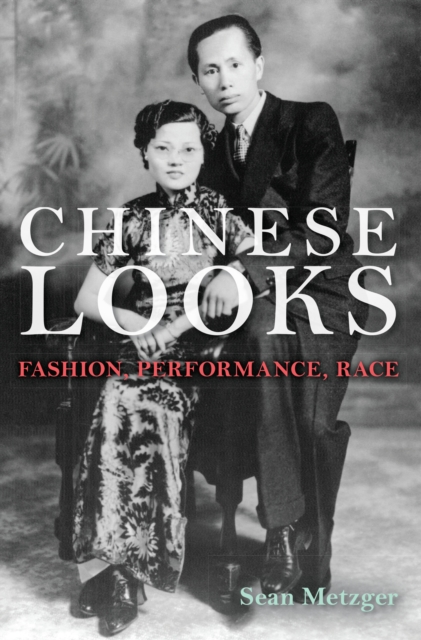
From yellow-face performance in the 19th century to Jackie Chan in the 21st, Chinese Looks examines articles of clothing and modes of adornment as a window on how American views of China have changed in the past 150 years.
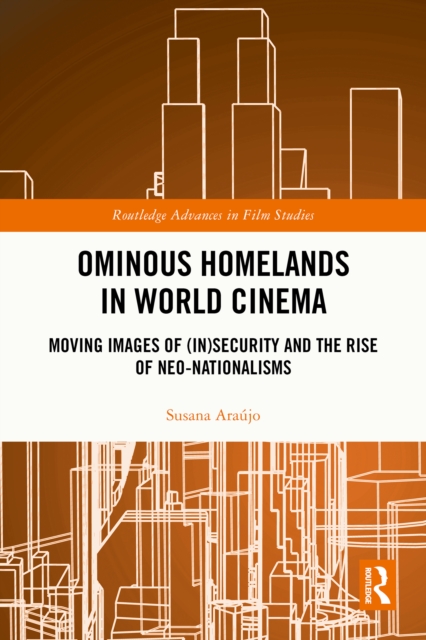
Winner of the 2026 Faculty of Arts and Humanities of the University of Coimbra International Publications Prize (Premio Publicacoes Internacionais da FLUC)Ominous Homelands in World Cinema examines contemporary films from a range of national settings that expose and critically engage with representations of "e;Homeland"e; - a term that resurfaced with renewed intensity in the United States through the establishment of the Department of Homeland Security after 9/11 and gained traction across Europe, contributing to the formation of new securitarian configurations whose impact has resonated globally.
From yellow-face performance in the 19th century to Jackie Chan in the 21st, Chinese Looks examines articles of clothing and modes of adornment as a window on how American views of China have changed in the past 150 years.
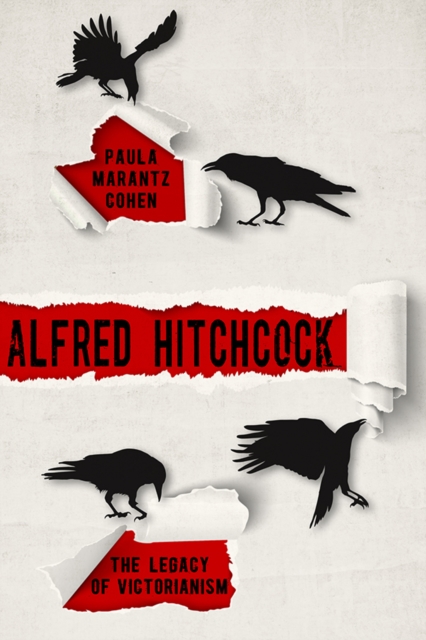
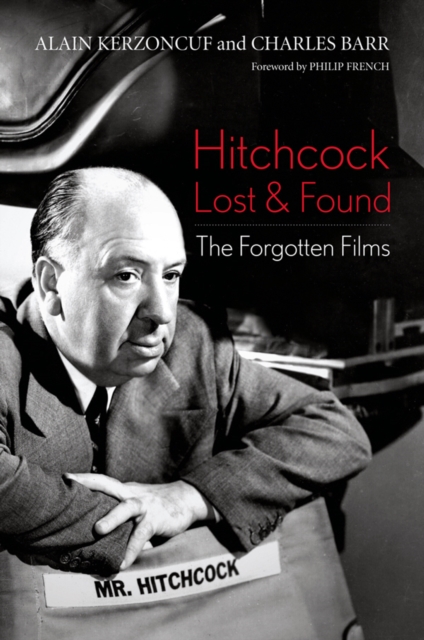
Known as the celebrated director of critical and commercial successes such as Psycho (1960) and The Birds (1963), Alfred Hitchcock is famous for his distinctive visual style and signature motifs.
Exploring Film through Bad Cinema offers an overview of the practice of film analysis through a specific focus on the concept of "e;bad"e; cinema within a series of broad cultural and historical contexts.
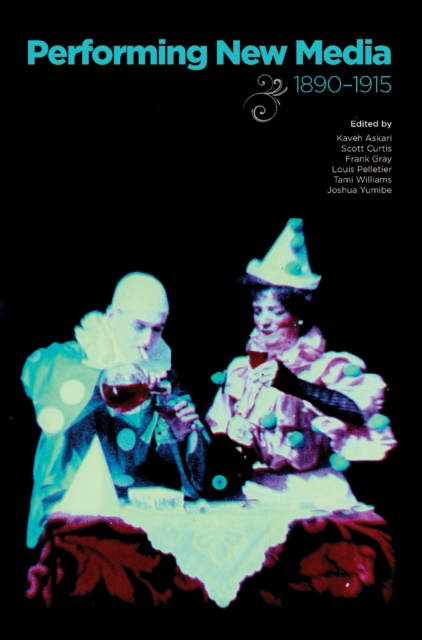
Essays examining the effects of media innovations in cinema at the turn of the twentieth century affected performances on screen, as well as beside it.
Translating Silent Cinema examines closely the translation, adaptation, and reception of three silent films in English, German, and Yiddish to argue that the study of film translation should extend beyond textual translation to a wide selection of primary materials and the consideration of social, economic, cultural, and historical contexts.