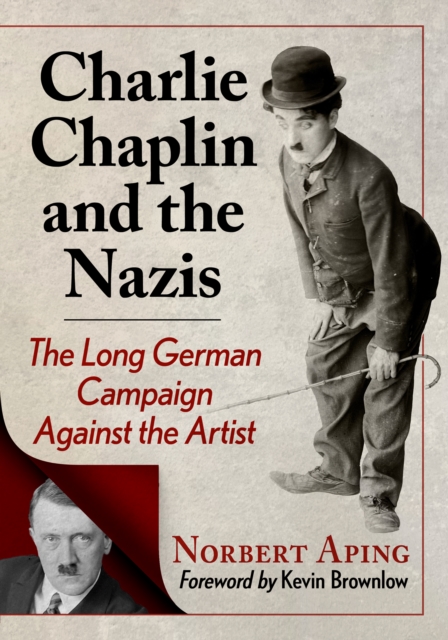
Until recently, it was assumed that the Nazis agitated against Chaplin from 1931 to 1933, and then again from 1938, when his plan to make The Great Dictator became public.
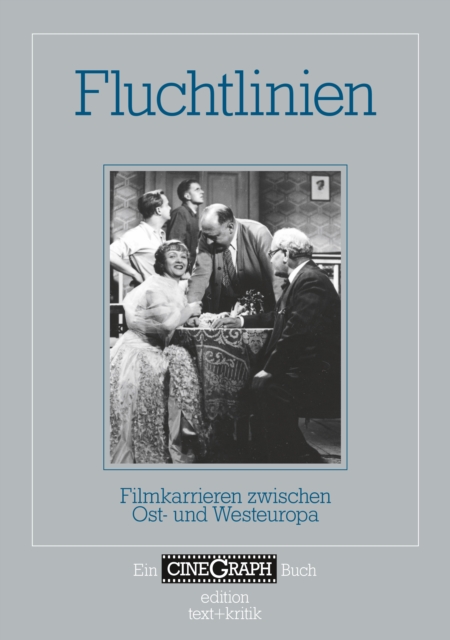
In den letzten Jahrzehnten ist – nicht zuletzt durch CineGraph – das Schicksal von jüdischen Filmschaffenden aus Ost-Europa, die durch den völkischen Rassismus des NS-Regimes ins Exil vertrieben wurden, häufig in den Blick genommen worden.
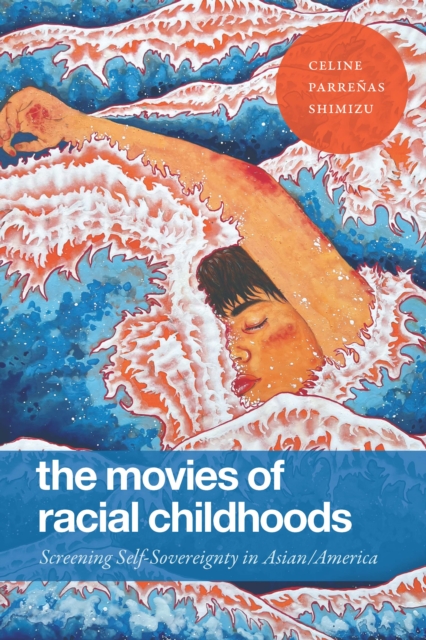
In The Movies of Racial Childhoods Celine Parrenas Shimizu examines early twenty-first-century cinematic representations of Asian and Asian American children.
First published in English in 1974, Hollywood and After presents contemporary cinema in all its complexity, describing and analyzing the various factors which, in the sixties and seventies, brought so many changes both inside Hollywood and throughout the film industry of the USA.
In der Zeit des wirtschaftlichen Aufschwungs Deutschlands nach dem Zweiten Weltkrieg waren die Wochenschauen im Vorprogramm jeder Kinovorstellung eine bedeutende Informationsquelle.
This new edition of Latin American History Goes to the Movies uses a variety of feature films as a method of studying key historical themes in Latin America, from pre-Columbian cultures to contemporary debates.
Building on the work of star studies scholars, this collection provides contextual analyses of off-screen representation, as well as close textual analyses of films and star personas, thereby offering an in-depth study of the Arab star as text and context of Arab cinema.
In der Zeit des wirtschaftlichen Aufschwungs Deutschlands nach dem Zweiten Weltkrieg waren die Wochenschauen im Vorprogramm jeder Kinovorstellung eine bedeutende Informationsquelle.
This book brings together research from medical and film archives to illustrate the cultural impact of film and literature in its relationship to the discourse of plastic surgery in the 1920s.
Attention Spans' chronological review of Garrett Stewart's critical approach tracks and maps the evolution of intersecting disciplines from late New Criticism through structuralism, deconstruction, narrative theory (by way of narratography), poetics, and media studies, in which Stewart's has been so persistent and so eloquent a voice.
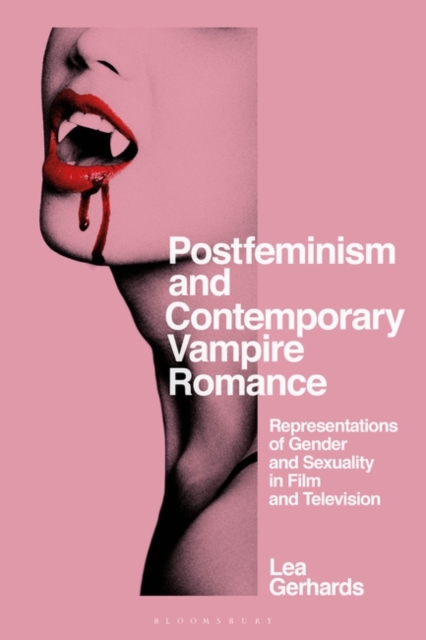
In this book, Lea Gerhards traces connections between three recent vampire romance series; the Twilight film series (2008-2012), The Vampire Diaries (2009-2017) and True Blood (2008-2014), exploring their tremendous discursive and ideological power in order to understand the cultural politics of these extremely popular texts.
Attention Spans' chronological review of Garrett Stewart's critical approach tracks and maps the evolution of intersecting disciplines from late New Criticism through structuralism, deconstruction, narrative theory (by way of narratography), poetics, and media studies, in which Stewart's has been so persistent and so eloquent a voice.
This book presents a contextualized overview of the history of Chinese animated film, pointing out the most influential self-definitions of Chinese culture employed in animation art of Mao Zedong's rule (1949-1976) but largely focusing on the representation strategies created in the times of reforms and opening-up under Deng Xiaoping (1978-1989/1992).
This new edition of Latin American History Goes to the Movies uses a variety of feature films as a method of studying key historical themes in Latin America, from pre-Columbian cultures to contemporary debates.
This book brings together research from medical and film archives to illustrate the cultural impact of film and literature in its relationship to the discourse of plastic surgery in the 1920s.
Since the release of Christopher Nolan's Batman Begins in 2005, there has been a pronounced surge in alternative uses of the computer term 'reboot,' a surge that has witnessed the term deployed in new contexts and new signifying practices, involving politics, fashion, sex, nature, sport, business, and media.
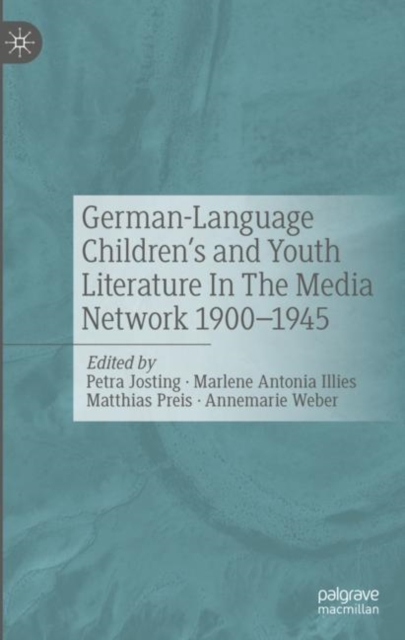
With the research of German-language children's and youth literature and its media associations in the period from 1900 to 1945 as well as the recording of all data in an online portal for research and visual analysis, an innovative contribution to the historiography of children's and youth literature is available.
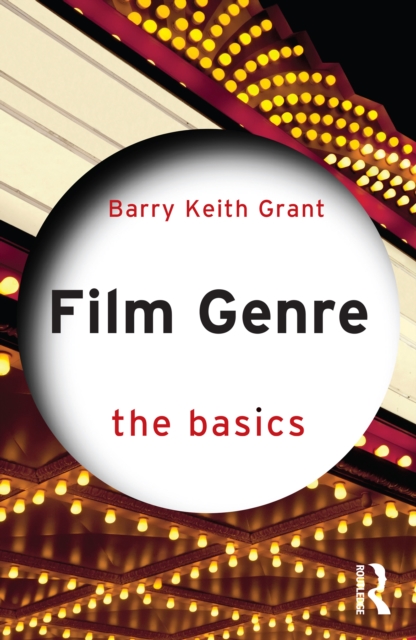
Offering an accessible introduction to the study of film genres and genre films, this book examines the use of genre in cinema from its beginnings to the present day.
In this book, Lea Gerhards traces connections between three recent vampire romance series; the Twilight film series (2008-2012), The Vampire Diaries (2009-2017) and True Blood (2008-2014), exploring their tremendous discursive and ideological power in order to understand the cultural politics of these extremely popular texts.
With the research of German-language children's and youth literature and its media associations in the period from 1900 to 1945 as well as the recording of all data in an online portal for research and visual analysis, an innovative contribution to the historiography of children's and youth literature is available.
Offering an accessible introduction to the study of film genres and genre films, this book examines the use of genre in cinema from its beginnings to the present day.
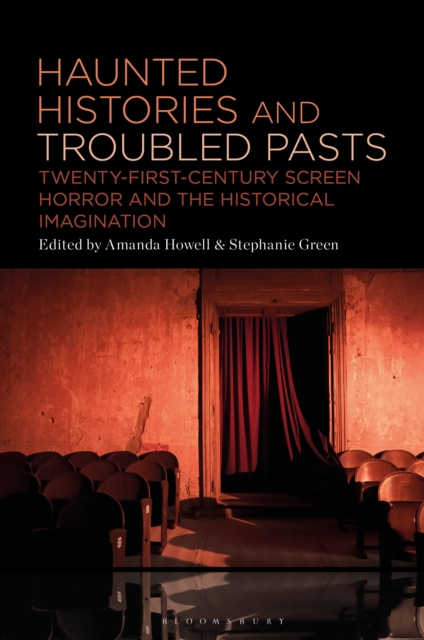
Haunted Histories and Troubled Pasts speaks to how a transnational array of recent screen entertainments participate, through horror, in public discourses of history, the social and creative work of reshaping popular understanding of our world through the lens of the past.
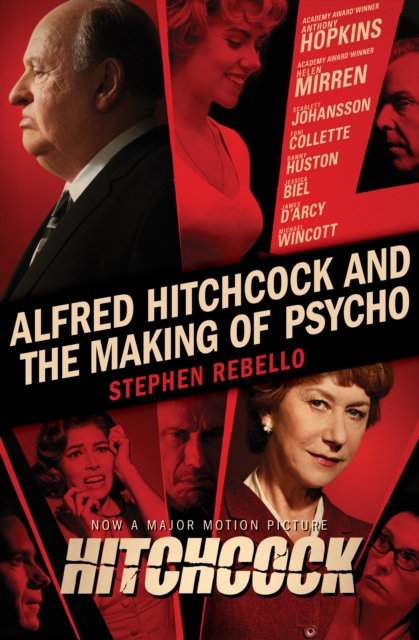
A “meticulous history” of the classic suspense film based on exclusive interviews with the director, writers, cast, and crew (The New York Times Book Review).
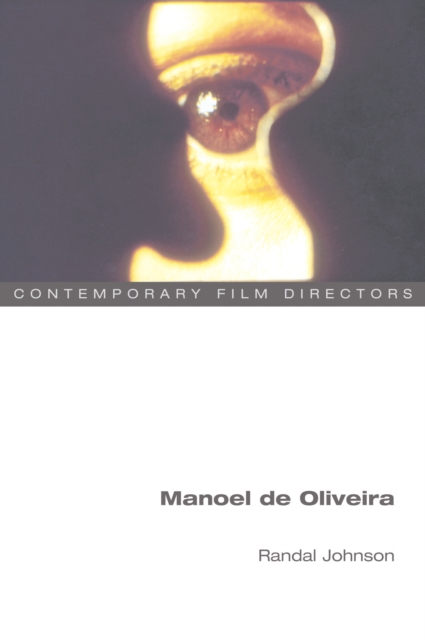
Understanding the iconoclastic work of a lifelong cinematic pioneer Manoel de Oliveira's eighty-five year career made him a filmmaking icon and a cultural giant in his native Portugal.