Widespread law enforcement or formal policing outside of cities appeared in the early 20th century around the same time the early film industry was developing--the two evolved in tandem, intersecting in meaningful ways.
In the two decades after World War II, a vibrant cultural infrastructure of cineclubs, archives, festivals, and film schools took shape in Latin America through the labor of film enthusiasts who often worked in concert with French and France-based organizations.
Employing a wide range of examples from Uncle Tom's Cabin and Birth of a Nation to Zelig and Personal Best, Janet Staiger argues that a historical examination of spectators' responses to films can make a valuable contribution to the history, criticism, and philosophy of cultural products.
The 40-year history of high definition television technology is traced from initial studies in Japan, through its development in Europe, and then to the United States, where the first all-digital systems were implemented.
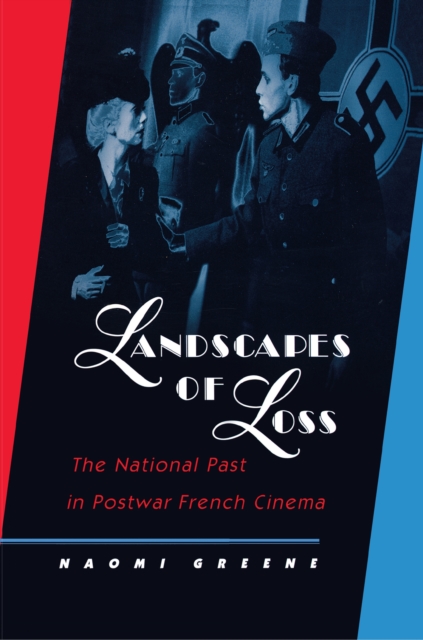
In Landscapes of Loss, Naomi Greene makes new sense of the rich variety of postwar French films by exploring the obsession with the national past that has characterized French cinema since the late 1960s.
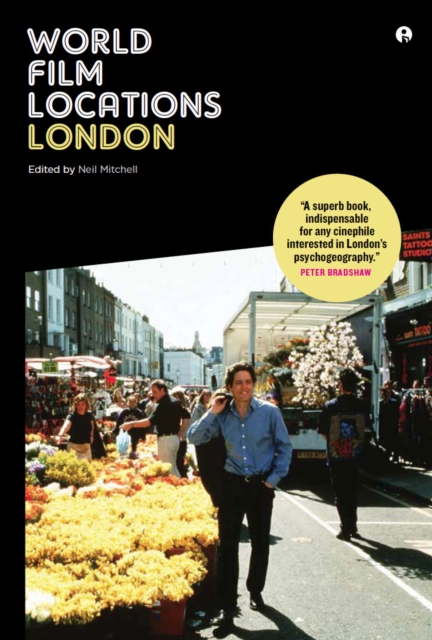
An exciting and visually focused tour of the diverse range of films shot on location in London, World Film Locations: London presents contributions spanning the Victorian era, the swinging '60s and the politically charged atmosphere following the 2005 subway bombings.
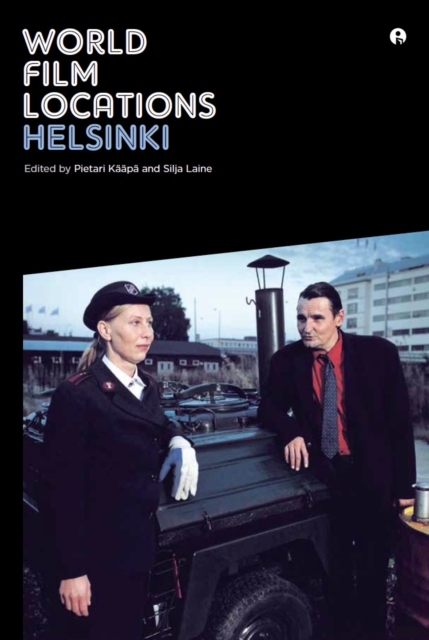
Part of Intellect's World Film Locations series, World Film Locations: Helsinki explores the relationship between the city, cinema and Finnish cultural history.
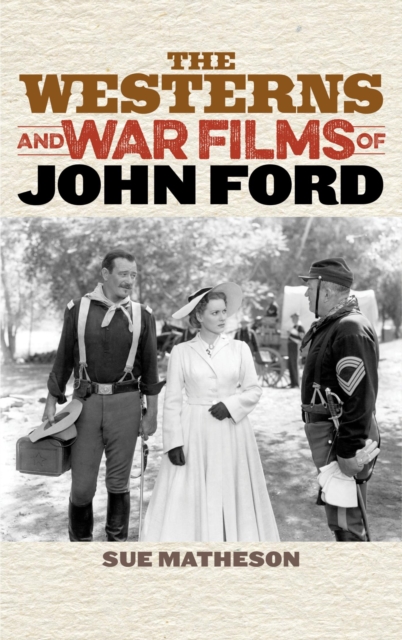
Responsible for some of the greatest films of the 20th century-The Grapes of Wrath, How Green Was My Valley, and The Quiet Man among others-John Ford was best known for motion pictures that defined the American West and the face of wartime military.
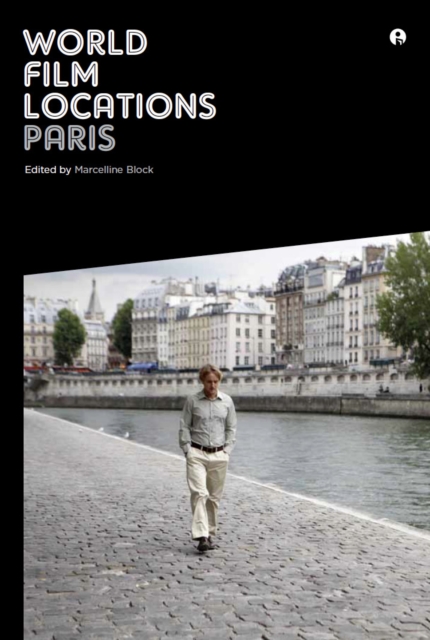
'We'll always have Paris,' Humphrey Bogart assures Ingrid Bergman in the oft-quoted farewell scene from Casablanca in which Bogart's character, hard-hearted restaurateur Rick Blaine, bids former lover Ilsa Lund goodbye.
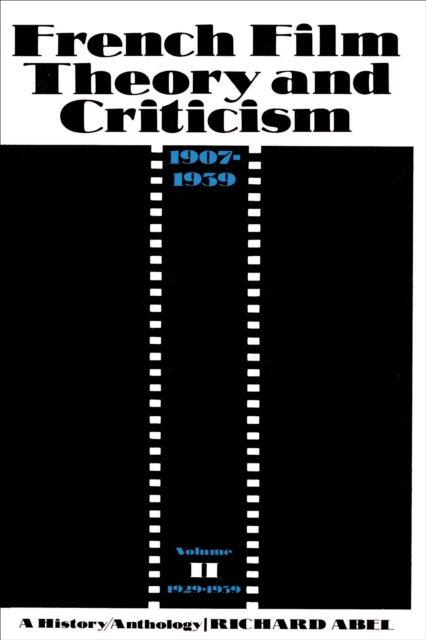
These two volumes examine a significant but previously neglected moment in French cultural history: the emergence of French film theory and criticism before the essays of Andr Bazin.
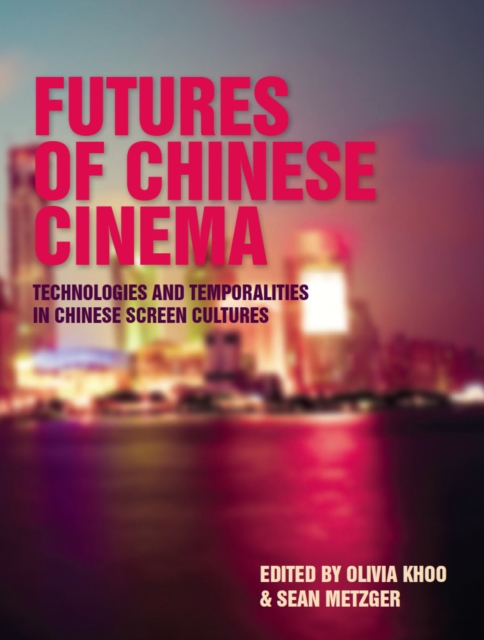
In recent years, Chinese film has garnered worldwide attention, and this interdisciplinary collection investigates how new technologies, changing production constraints, and shifting viewing practices have shaped perceptions of Chinese screen cultures.
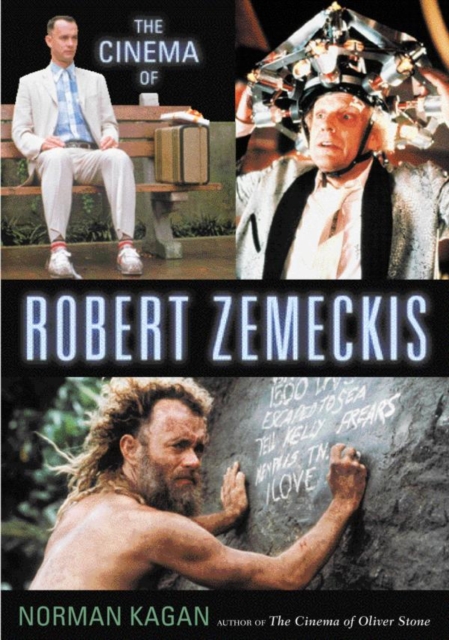
Robert Zemeckis has risen to the forefront of American filmmaking with a string of successes: Romancing the Stone, Back to the Future I, II, & III, Who Framed Roger Rabbit?
Acclaimed in an international critics poll as one of the ten best films ever made, Stanley Kubrick's 2001: A Space Odyssey has nonetheless baffled critics and filmgoers alike.
To coincide with the recent DVD release of The Spirit of the Beehive, this paperback collection of essays focuses on the work of acclaimed Spanish director, Victor Erice.
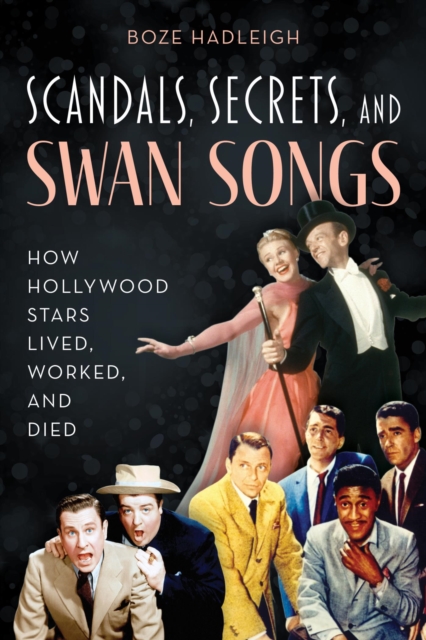
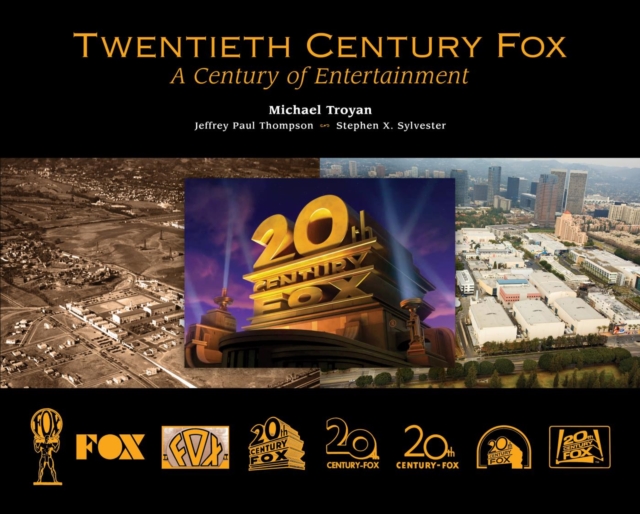
Here it is: the first-time look at the remarkable American multinational mass media empire and its century of entertainmentthe story of Twentieth Century Fox (19152015).
Maverick Slovenian cultural theorist, philosopher and psychoanalyst Slavoj Zizek has made his name elaborating the complexities of psychoanalytic and Marxist theory through the exotic use of examples from film and popular culture.
Mit der Erforschung der deutschsprachigen Kinder- und Jugendliteratur und ihrer Medienverbünde im Zeitraum von 1900 bis 1945 sowie der Erfassung sämtlicher Daten in einem Onlineportal zur Recherche und visuellen Analyse liegt ein innovativer Beitrag zur Geschichtsschreibung der Kinder- und Jugendliteratur vor.
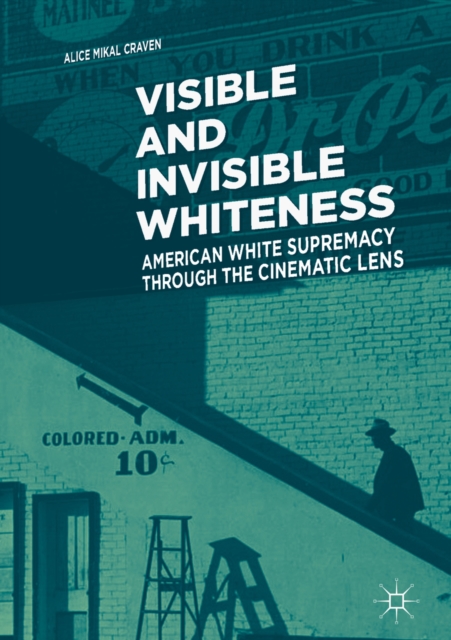
Visible and Invisible Whiteness examines the complicity between Classical Hollywood narratives or genres and representations of white supremacy in the cinema.
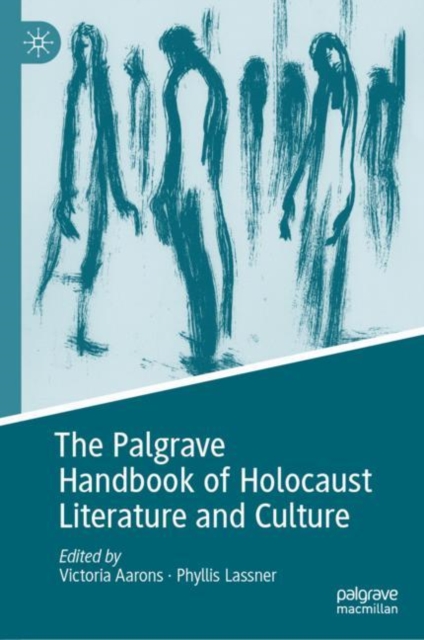
The Palgrave Handbook of Holocaust Literature and Culture reflects current approaches to Holocaust literature that open up future thinking on Holocaust representation.
This book offers a new approach to film studies by showing how our brains use our interpretations of various other films in order to understand Alfred Hitchcock's Vertigo.
This book addresses what a superhero body can do by developing several "e;x-rays"e; of the superbody's sensoria, anatomic structures, internal systems, cellular organizations, and orthotic, chemical, or technological enhancements.
Since the early 1980s, Jim Jarmusch has produced a handful of idiosyncratic films that have established him as one of the most imaginatively allusive directors in the history of American cinema.
This book deals with film adaptations of literary works created in Communist Czechoslovakia between 1954 and 1969, such as The Fabulous World of Jules Verne (Zeman 1958), Marketa Lazarova (Vlacil 1967), and The Joke (Jires 1969).
This collection explores global dystopic, grotesque and retold narratives of degeneration, ecological and economic ruin, dystopia, and inequality in contemporary fictions set in the urban space.
This book examines a set of theoretical perspectives that critically engage with the notion of postmodernism, investigating whether this concept is still useful to approach contemporary cinema.
This book presents close-readings of seven post-millennial comedic films: Up in the Air, Tropic Thunder, JCVD, Winnebago Man, The Trotsky, Be Kind Rewind, and Hamlet 2.
This collection examines literature and film studies from the late colonial and early postcolonial periods in Taiwan and Korea, and highlights the similarities and differences of Taiwanese and Korean popular culture by focusing on the representation of gender, genre, state regulation, and spectatorship.
This book analyzes Walt Disney's impact on entertainment, new media, and consumer culture in terms of a materialist, psychoanalytic approach to fantasy.